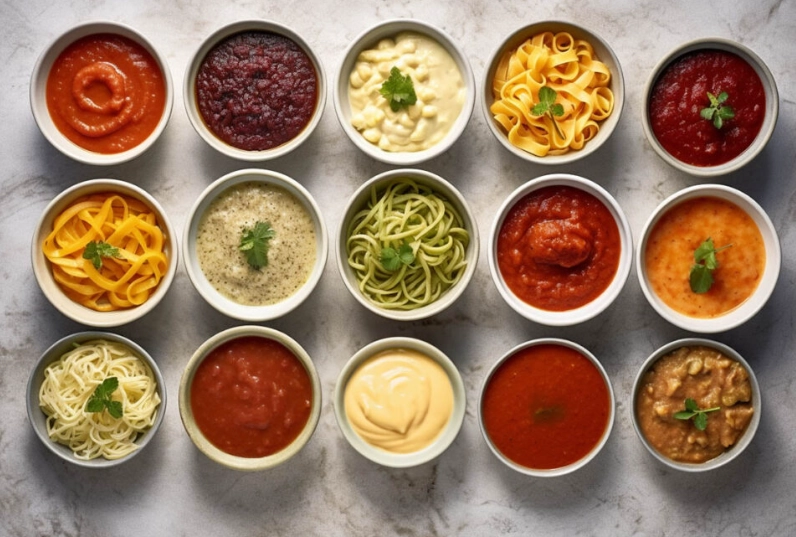
Elevate Your Pasta: 10 Creative Add-Ins for Exciting Meals
You know the feeling. You're staring at a pot of boiling water, a box of pasta on the counter, and a jar of red sauce in the pantry. It's easy, it's reliable, but it's also... deeply uninteresting. The question "What can I add to pasta to make it more interesting?" is a cry for help from kitchens everywhere. Good news: transforming a basic pasta dish into something memorable doesn't require a culinary degree or a trip to a specialty store. Often, it's about looking at your pantry, fridge, and a few key techniques with fresh eyes.
I've spent over a decade cooking in home kitchens and helping friends break out of their food ruts. The secret isn't one magical ingredient, but understanding how to layer flavors, textures, and contrasts. Let's move beyond just adding more cheese.
Your Quick Pasta Upgrade Guide
How to Build a Flavor Foundation
Before we get fancy, let's nail the basics. These are the workhorses, the items that should be in your kitchen right now. They work with almost any pasta shape and sauce.
Cheese That Does More Than Melt
Parmesan is great, but it's just the beginning. The mistake is using it only as a garnish at the end. Try this: finely grate a hearty tablespoon of a hard, salty cheese like Pecorino Romano or aged Manchego directly into your empty, warm pasta bowl before adding the hot pasta and sauce. The residual heat toasts the cheese slightly, releasing its nutty oils and creating an instant flavor base that coats every strand.
For creamy sauces, a dollop of fresh ricotta or mascarpone stirred in off the heat adds luxurious richness without being heavy. A spoonful of creamy Gorgonzola dolce will melt into a warm pan sauce, creating a complex, tangy blue cheese gravy perfect for short pasta like rigatoni.
Herbs & Spices: The Instant Aroma Boost
Dried oregano in tomato sauce is fine. It's also predictable. Let's expand the herb shelf.
Fresh herbs are non-negotiable for finish. A massive handful of chopped fresh basil, parsley, or mint added after cooking provides a bright, grassy contrast. Don't chop them too fine; you want to taste them. For a more robust flavor, try frying whole rosemary sprigs or sage leaves in your olive oil until crisp, then use that infused oil as your cooking base. Remove the herbs, crumble the crispy leaves over the finished dish for texture.
Spice-wise, move beyond black pepper. A pinch of red pepper flakes sizzled in oil at the start builds a gentle heat. Smoked paprika adds a deep, smoky sweetness. A little ground fennel seed is the secret to a sausage-like savoriness, even in vegetarian dishes.
The Power of Texture: Breadcrumbs & Nuts
Mushy pasta is a tragedy. Contrast is everything. Toasted breadcrumbs are your best friend here. They're called "pangrattato" in Italy – poor man's Parmesan. Toss panko or fresh breadcrumbs in a pan with olive oil, a minced garlic clove, and maybe some lemon zest until golden brown and crisp. Sprinkle over finished pasta for an irresistible crunch.
Nuts work the same magic. Toasted pine nuts are classic. But chopped walnuts, almonds, or pistachios add a richer, deeper crunch and a hit of healthy fat. I once added crushed hazelnuts to a butternut squash pasta and it was a revelation.
Next-Level Add-Ins: Protein, Veg & Global Flavors
Now let's talk about turning pasta into a complete, show-stopping meal. This is where you raid the fridge and think outside the Italian border.
Proteins Beyond Ground Beef
Chicken breast diced small and seared hard until golden adds great texture. But consider canned tuna packed in oil – drain it, flake it, and toss it with spaghetti, lemon, capers, and parsley for a 10-minute "Pasta al Tonno." It's elegant, not lunchbox.
Leftover roast chicken or turkey, shredded, is perfect for creamy sauces. A few slices of spicy chorizo or a good-quality sausage, removed from its casing and crumbled, will render flavorful fat to cook your aromatics in. For a seafood boost, a bag of frozen cooked shrimp or scallops thaw quickly and can be seared in minutes.
Vegetables: Roasted, Fried, or Raw
Don't just steam broccoli and toss it in. Roasting is the game-changer. Toss cherry tomatoes, sliced bell peppers, zucchini, or cauliflower florets with oil, salt, and pepper, and roast at 400°F until caramelized and tender. Their sweetness intensifies, making them incredible tossed with olive oil and pasta.
Another trick: fry vegetables until crisp. Thinly sliced Brussels sprouts or kale fried in olive oil until the edges are brown and crispy add a savory, almost meaty quality. For a fresh punch, try adding ribbons of raw zucchini (use a vegetable peeler) or thinly sliced radishes right at the end.
Umami Bombs & International Twists
This is where you create deep, savory flavor. A couple of chopped anchovy fillets or a tablespoon of tomato paste fried in the oil at the start will dissolve and create an incredible base of umami that no one will identify but everyone will love.
Look to other cuisines for inspiration. A spoonful of Thai red curry paste and a can of coconut milk can transform linguine. A splash of soy sauce and sesame oil with scallions and peanuts gives an Asian flair. A dollop of harissa or zhug brings North African heat and herbal complexity.
Sauce Secrets: Beyond Tomato and Cream
Sometimes the add-in is the sauce. Let's rethink the liquid component.
The Lemony Garlicky White Wine Sauce: This is my weeknight savior. Sauté garlic and chili flakes in olive oil. Pour in a half cup of dry white wine and let it reduce by half. Off the heat, stir in a big knob of cold butter and a generous amount of lemon juice and zest. Toss with pasta, reserved pasta water, and parsley. It's bright, sophisticated, and ready in the time it takes the pasta to cook.
The "No-Cook" Summer Sauce: In a bowl, mash a pint of ripe cherry tomatoes with a fork. Stir in a cup of torn fresh mozzarella (bocconcini), a handful of torn basil, a minced garlic clove, a big glug of good olive oil, and plenty of salt and pepper. Let it sit while the pasta cooks. Toss the hot pasta with this raw mixture. The heat from the pasta slightly wilts the basil and melts the cheese just enough. It tastes like summer.
The Brown Butter Sage Sauce: Simple, nutty, and incredible with pumpkin or squash ravioli, but also great on plain cheese tortellini. Melt a stick of butter in a pan over medium heat. Let it foam, then settle, and watch closely until the milk solids turn a fragrant, nutty brown. Immediately throw in a handful of fresh sage leaves – they'll crackle and crisp up in seconds. Pour this over your pasta. Finish with Parmesan and black pepper.
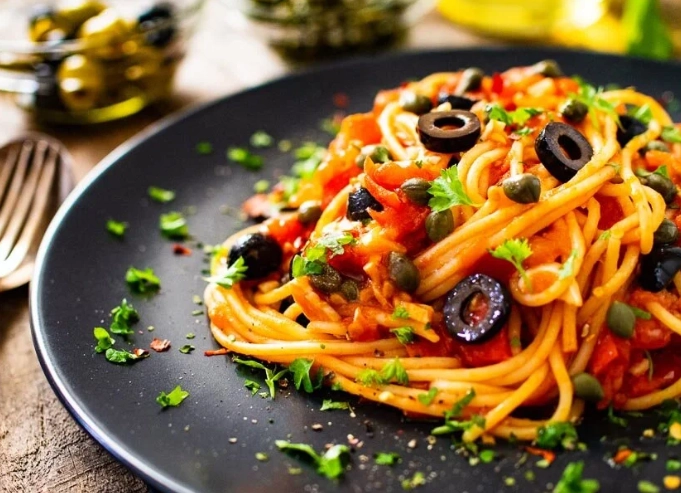
The goal is to break your own patterns. Got a jar of pesto? Stir in a spoonful of sour cream or Greek yogurt to make it creamier and tangier. Making a tomato sauce? Add a tablespoon of capers or chopped green olives for a briny punch.
Your Pasta Questions, Answered
Related Articles
Italian Soup Guide: Beyond Minestrone & Regional Classics

Simple Italian Cookie Recipes: 3 Classics You Can Master
Ultimate Guide to Vegetarian Italian Dinner Party Recipes
Italian Sausage Pasta Recipes: A Complete Guide to Classic Comfort Food
Top 10 Italian Pasta Dishes: A Guide to Classics