Your Ultimate Guide to Italian Pasta Shapes and Sauces
Walking down the pasta aisle can be paralyzing. Spaghetti, penne, fusilli, farfalle... the options seem endless. Most people just grab a box of spaghetti and call it a day. I did that for years. But here's the truth I learned living in Bologna: the shape of your pasta isn't just for looks. It's a functional tool designed to hold specific sauces. Get the pairing wrong, and your meal is just okay. Get it right, and it's transcendent.
This isn't about memorizing hundreds of names. It's about understanding a few key principles that let you navigate any menu or supermarket shelf with confidence.
What's Inside This Pasta Guide?
Why Pasta Shape Matters More Than You Think
Think of pasta as architecture for your mouth. A smooth, long strand like spaghetti offers a sleek, slippery surface. A twisted shape like fusilli has nooks and crannies. A tube like penne has hollow interiors. Each design serves a purpose: to capture and deliver sauce in a specific way.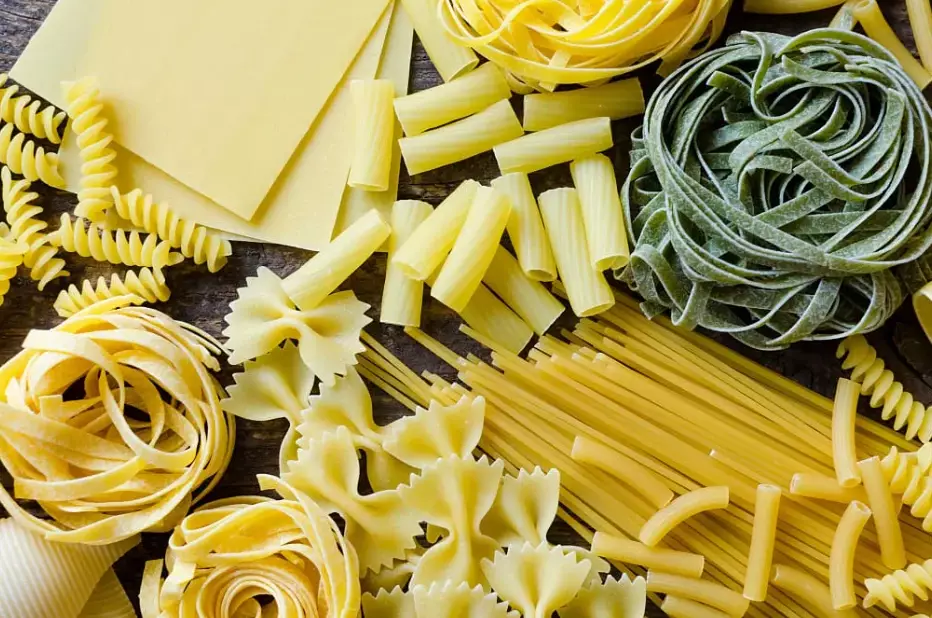
The classic mistake? Using a light, oily sauce like aglio e olio with a chunky shape like rigatoni. The sauce slides right off, pooling at the bottom of your bowl. Conversely, a thick, chunky ragù with delicate angel hair pasta is a mess—the pasta can't support the weight.
It's not a rigid law, but a guideline born from centuries of regional cooking. In the north, where richer, cream-based sauces are common, you find egg pasta like tagliatelle, which is wider and sturdier. In the south, with its tomato-based and olive oil sauces, dried durum wheat pasta like spaghetti reigns supreme.
The Major Pasta Families: A Practical Breakdown
Let's group them by function, not just alphabetically. This table is your cheat sheet.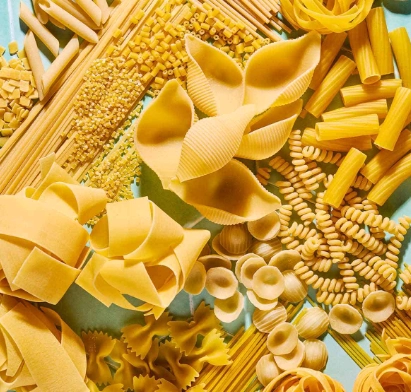
| Pasta Family & Shape | Best Sauce Pairings & Why | Key Cooking Tip |
|---|---|---|
| Long & Strand (Spaghetti, Linguine, Bucatini) | Oil-based, light tomato, seafood sauces. They coat evenly without overwhelming. Bucatini's hole is perfect for capturing bits of guanciale in Carbonara. | Use a tall pot and plenty of water. Stir immediately to prevent sticking. Never break the strands. |
| Short & Tubular (Penne, Rigatoni, Ziti) | Hearty meat sauces (ragù), baked dishes, chunky vegetable sauces. The tubes and ridges trap pieces of meat and cheese. | Undercook slightly if baking later. The ridges on "penne rigate" are there for a reason—use them. |
| Short & Shaped (Fusilli, Farfalle, Conchiglie) | Creamy sauces, pesto, vegetable-based sauces. The twists and curves hold onto creamy and loose sauces beautifully. | Conchiglie (shells) are great for sauces with peas or ground meat—they scoop it up. |
| Flat & Ribbon (Fettuccine, Tagliatelle, Pappardelle) | Rich, creamy sauces (Alfredo), hearty meat ragù. The broad surface area carries thick sauces. Pappardelle is the king of wild boar ragù. | Fresh egg pasta cooks in 2-3 minutes. Have your sauce ready and pan hot for finishing. |
| Soup & Mini (Ditalini, Orzo, Pastina) | Broths, chunky soups, or as a side ("pastina in brodo" is Italian comfort food). | Often cooked directly in the soup. Watch closely as they can overcook and turn mushy fast. |
| Stuffed (Ravioli, Tortellini, Agnolotti) | Simple, delicate sauces: butter & sage, light cream, a simple tomato sauce. The star is the filling. | Handle gently. Cook in gently simmering water. Sauce them lightly in the pan, don't drown them. |
Notice something? The shape dictates the sauce weight. Thin with thin, chunky with chunky, nooks with creamy.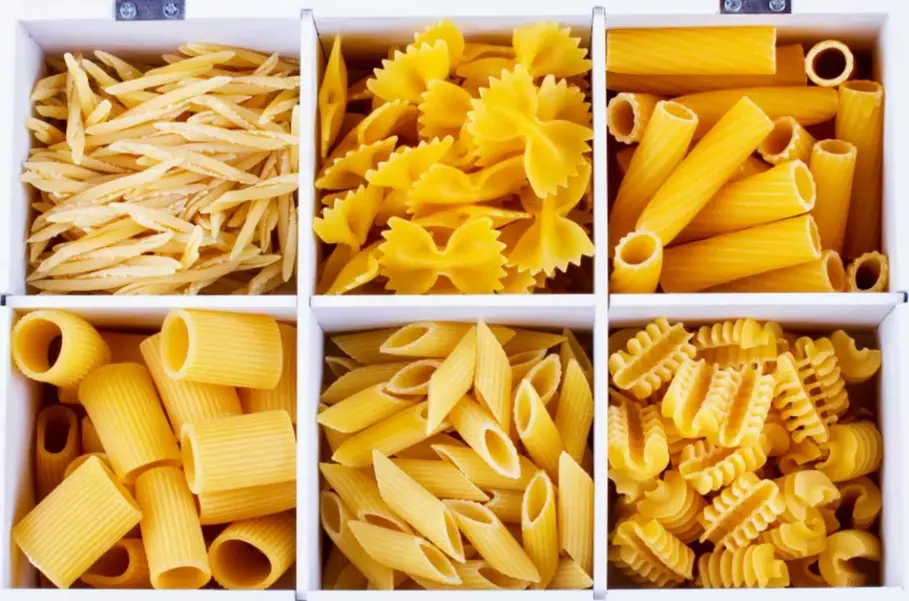
Beyond the Supermarket: The Regional Gems
This is where it gets fun. Every Italian region has its signature shape you might not find everywhere.
Orecchiette from Puglia means "little ears." Their rough texture and cup-like shape are designed for catching the bitter punch of broccoli rabe and breadcrumbs.
Pici from Tuscany are hand-rolled, thick, chewy spaghetti. They stand up to the region's robust game sauces like hare ragù.
Seek these out in specialty Italian markets or online. Cooking them connects you directly to a specific place.
How to Choose the Right Pasta Shape: The Golden Rules
Forget memorization. Use this decision tree.
Rule 1: Match the Sauce Consistency to the Pasta's Texture. Is your sauce smooth and fluid (like a simple marinara or aglio e olio)? Go for long, smooth strands (spaghetti, linguine) or small shapes (ditalini). Is it thick and chunky (a beef ragù, puttanesca with olives/capers)? Choose shapes with holes, tubes, or ridges (penne, rigatoni, shells) that can trap the chunks.
Rule 2: Consider the "Sauce Adhesion" Factor. Creamy sauces (Alfredo, carbonara) need help clinging. Shapes with lots of surface area or twists (fettuccine, fusilli, farfalle) are perfect. The sauce coats every curve.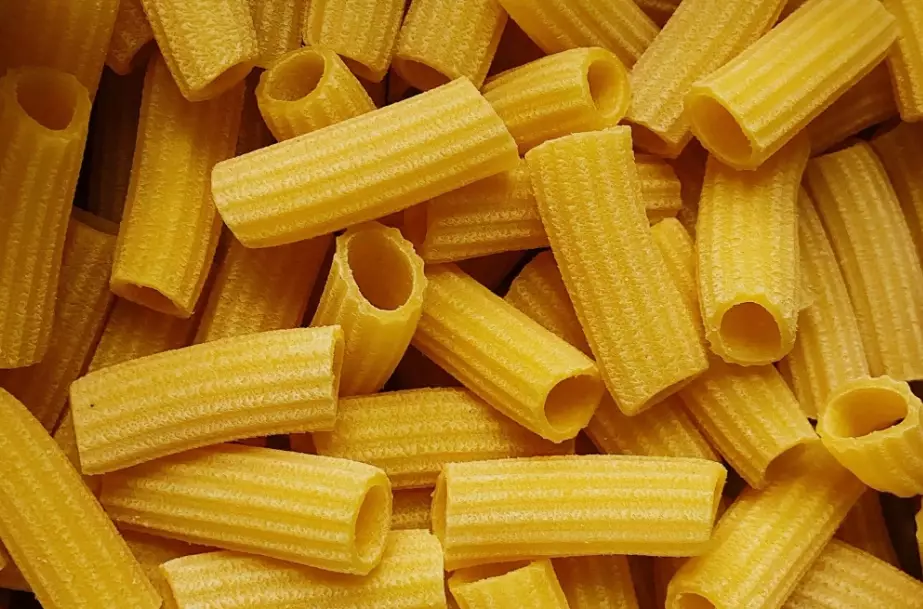
Rule 3: Think About the Bite. A delicate seafood sauce needs a pasta that won't fight it—thin spaghetti or angel hair. A slow-cooked oxtail ragù needs a pasta that can take a punch—pappardelle or wide rigatoni.
Here's a non-consensus view: the "any sauce with any pasta" trend is mostly wrong for authentic results. Sure, you can eat it. But you're missing the point of Italian culinary engineering. The pairing is part of the recipe.
Common Pasta Cooking Mistakes and How to Avoid Them
Choosing the right shape is half the battle. Cooking it wrong ruins everything.
Mistake 1: Not salting the water enough. Your pasta water should taste like the sea. I mean it. This is the only chance to season the pasta itself. A tablespoon per liter is a good start. Unsalted pasta is bland, no matter the sauce.
Mistake 2: Adding oil to the cooking water. This is a myth that needs to die. Oil floats on top and does nothing to prevent sticking. It *does* however coat the pasta, making it slick so the sauce can't adhere properly. Just use plenty of water and stir in the first minute.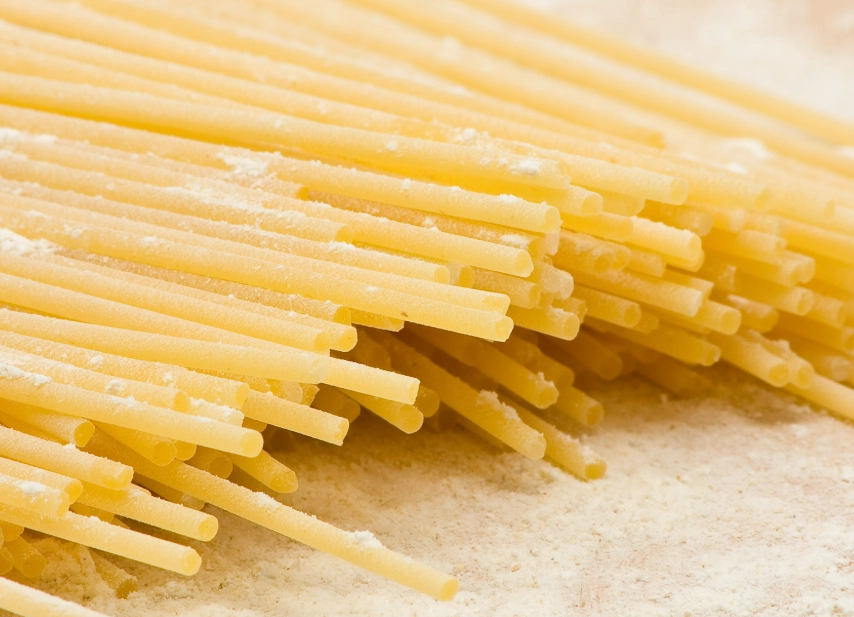
Mistake 3: Rinsing the pasta after draining. You're washing away the precious surface starch! That starch is the magic glue that helps your sauce emulsify and cling to the pasta. Never rinse unless you're making a cold pasta salad.
The Pro Move: Finish cooking your pasta in the sauce. Reserve a cup of that starchy cooking water before you drain. Add the drained pasta to your pan with the sauce, along with a splash of the pasta water. Toss over heat. The starch thickens the sauce and helps it coat every strand. This is non-negotiable for restaurant-quality results.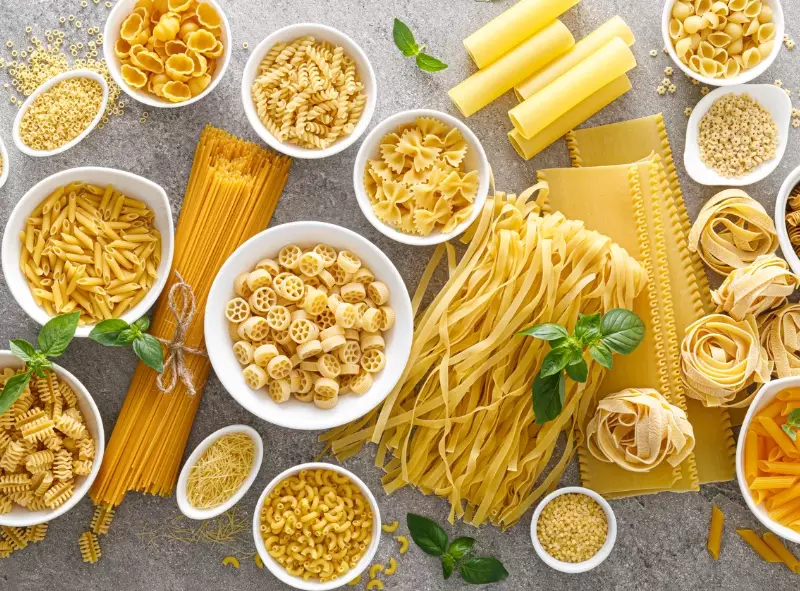
Your Pasta Questions, Answered
The world of Italian pasta is deep, but it doesn't have to be complicated. Start with one rule: match your sauce's weight to your pasta's capability. Get your cooking water salty. Finish the pasta in the sauce. Do these three things, and you'll instantly cook like you've had a nonna whispering in your ear. The rest is just delicious exploration.
Related Articles
Authentic Italian Antipasti Recipes: A Guide to Traditional Appetizers
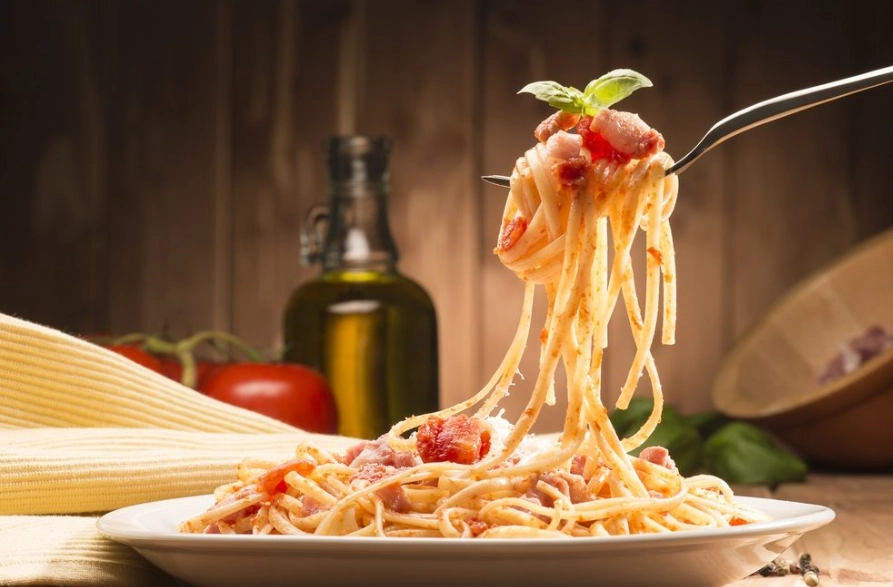
Top 10 Pasta Dishes: Must-Try Italian Classics & Expert Tips
Easy to Make Italian Food Recipes: Delicious & Quick Meals
Ultimate Italian Beef Crock Pot Recipe: Tender & Juicy
Best Italian Baked Dishes Recipes: Authentic & Easy to Make