Top 10 Italian Pasta Dishes You Must Try (Authentic Recipes & Tips)
Let's be honest, when you think of Italian food, pasta is the first thing that comes to mind. But "Italian pasta" isn't just one thing. It's a universe of shapes, sauces, and regional secrets. I've spent years eating my way through Italy, from family-run trattorias in Rome to seaside restaurants in Sicily, and I've made every mistake in the book trying to recreate these dishes at home. This list isn't just a ranking; it's a deep dive into the soul of Italian cooking, explaining why these dishes work, how to spot the real deal, and how to avoid the common pitfalls that turn a masterpiece into a mess.
Your Pasta Journey Starts Here
- 1. Spaghetti alla Carbonara
- 2. Tagliatelle al Ragù alla Bolognese
- 3. Trenette or Trofie al Pesto
- 4. Bucatini all'Amatriciana
- 5. Spaghetti Cacio e Pepe
- 6. Penne all'Arrabbiata
- 7. Spaghetti alle Vongole
- 8. Lasagna alla Bolognese
- 9. Spaghetti alla Carbonara di Mare
- 10. Pasta alla Norma
- How to Cook Pasta Like an Italian
- Your Pasta Questions, Answered
1. Spaghetti alla Carbonara: Rome's Creamy, Cheesy Masterpiece
We're starting with the king, and arguably the most abused dish outside of Italy. Authentic carbonara has four ingredients: guanciale (cured pork cheek), Pecorino Romano cheese, eggs, and black pepper. No cream. No onions. No garlic. The creaminess comes from emulsifying the hot pasta water, rendered pork fat, and egg yolks into a silky sauce that coats every strand.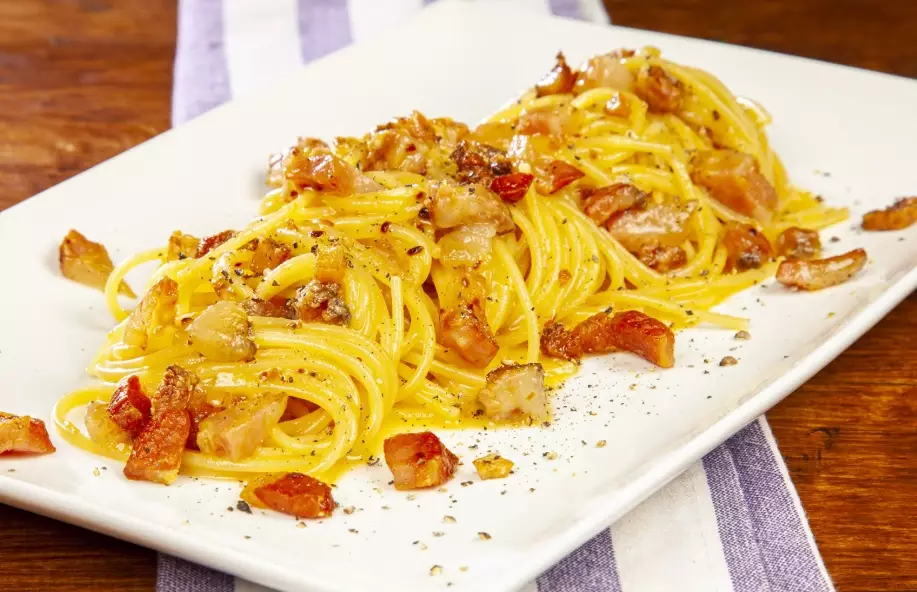
What Makes It Special?
The magic is in the guanciale. It's fattier and more flavorful than pancetta or bacon. When you crisp it up, the rendered fat becomes the base of the sauce. Using Pecorino Romano (a sharp sheep's milk cheese) instead of Parmigiano gives it a bold, salty kick that cuts through the richness.
The Golden Rule: No Cream!
Adding cream is the cardinal sin. It makes the sauce heavy, masks the delicate flavor of the eggs and cheese, and completely changes the texture. A real carbonara sauce should be light and fluid, not gloopy.
Where to Try the Real Deal in Rome: Head to Roscioli near Campo de' Fiori. It's part restaurant, part gourmet deli, and their carbonara is legendary. Expect to pay around €18-22 for a plate. Address: Via dei Giubbonari, 21, 00186 Roma. Open daily 12:30 PM - 4:00 PM, 7:00 PM - 12:00 AM. Book ahead.
Pro Tip from a Pasta Lover: To prevent scrambled eggs, take the pasta off the heat and let it cool for a minute before adding the egg-cheese mixture. Toss vigorously—the residual heat will cook the eggs perfectly into a sauce.
2. Tagliatelle al Ragù alla Bolognese: The Slow-Cooked Legend
Forget "spaghetti bolognese." In Bologna, the meat sauce (ragù) is always served with fresh tagliatelle—the broad, flat ribbons are perfect for holding the hearty sauce. This isn't a quick tomato sauce with some ground beef. It's a labor of love, simmered for 3-4 hours with a soffritto of celery, carrot, onion, a mix of ground beef and pork, a little tomato paste, white wine, and milk.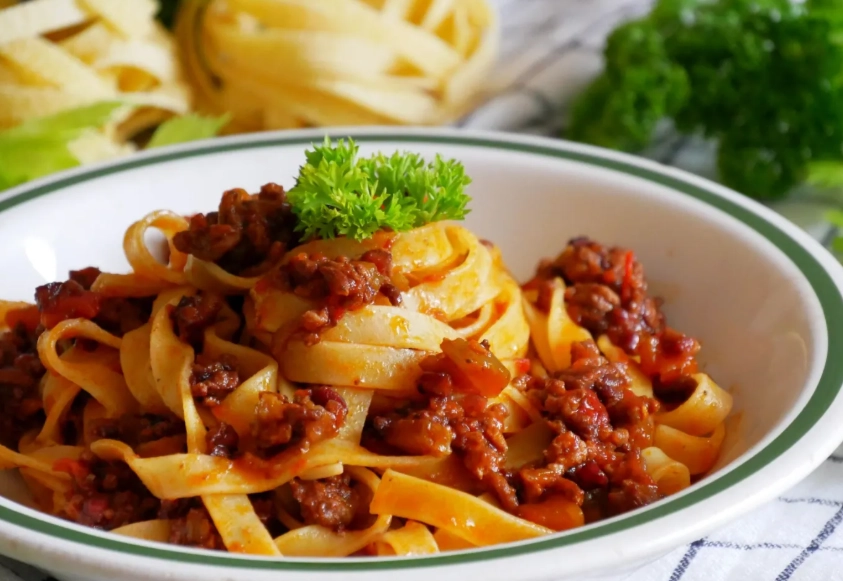
Yes, milk. It tenderizes the meat and adds a subtle sweetness that balances the acidity.
3. Trenette or Trofie al Pesto: Genoa's Green Gold
Hailing from Liguria, pesto is a vibrant sauce of basil, garlic, pine nuts, Parmigiano-Reggiano, Pecorino, and extra virgin olive oil, traditionally crushed in a marble mortar. The best pesto is made with young, sweet basil from the region. It's typically paired with trenette (a long, flat pasta similar to linguine) or trofie (small, twisted dumplings).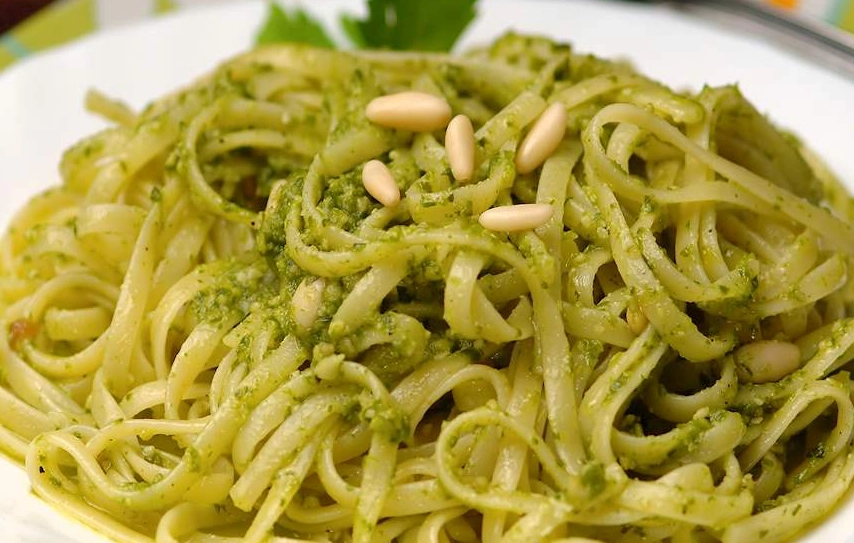
A common mistake is using a food processor, which can heat and bruise the basil, turning it dark. If you must use one, pulse briefly and add the oil at the end.
4. Bucatini all'Amatriciana: The Spicy, Smoky Cousin
Another Roman classic, originating from the town of Amatrice. It shares DNA with carbonara (guanciale, Pecorino) but adds tomatoes and chili flakes for a spicy, tangy kick. The pasta of choice is bucatini—thick spaghetti with a hole running through the center that traps the chunky sauce.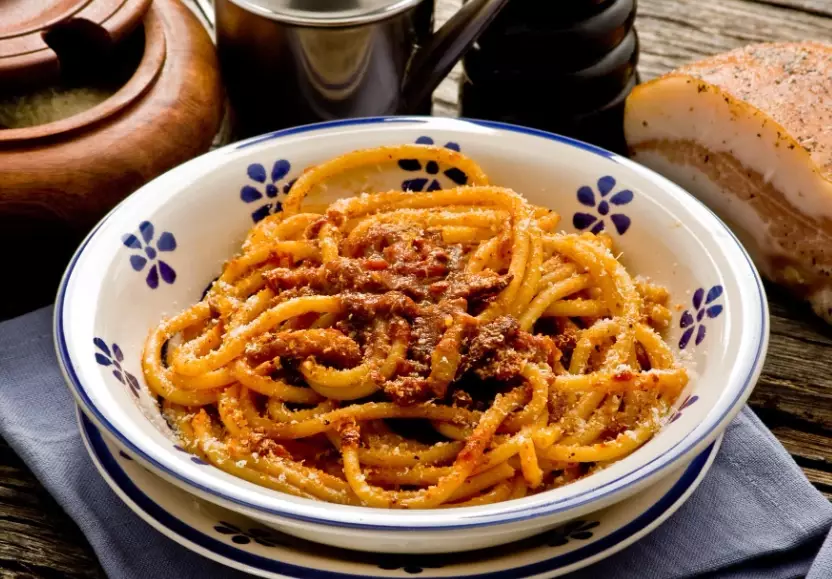
The sauce is simple: render guanciale, add chili flakes, then white wine, then crushed San Marzano tomatoes. Finish with Pecorino. The result is a beautifully balanced sauce that's rich, spicy, and acidic all at once.
5. Spaghetti Cacio e Pepe: The Ultimate Test of Technique
"Cheese and pepper." Sounds simple, right? This Roman dish is deceptively difficult. It's just Pecorino Romano, freshly cracked black pepper, and pasta water. The challenge is creating a smooth, emulsified sauce without the cheese clumping into a greasy, stringy ball.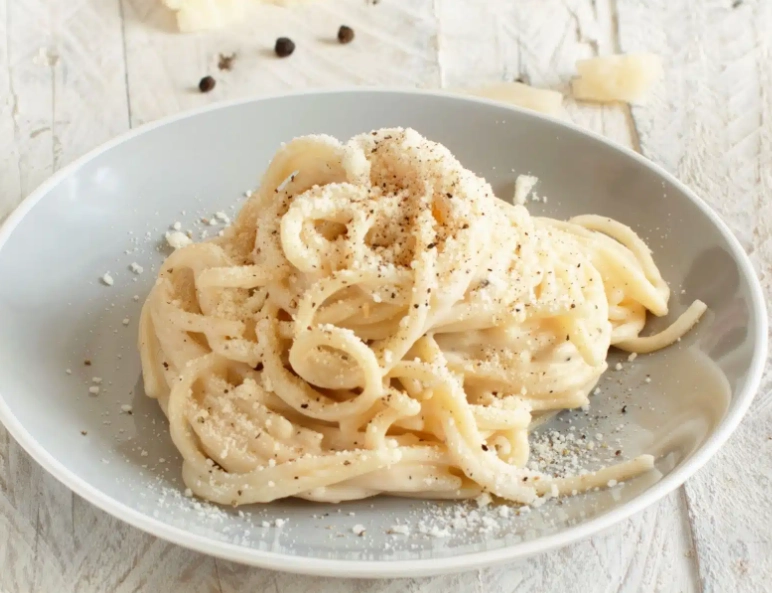
The secret? Use a heatproof bowl set over the pot of boiling pasta. Add the grated cheese and pepper to the bowl with a ladle of starchy pasta water. Whisk like crazy until it forms a creamy paste, then toss in the al dente spaghetti, adding more water as needed. It's a technique that requires practice.
6. Penne all'Arrabbiata: The Fiery Quick Fix
"Arrabbiata" means "angry," referring to the heat from the chili flakes. This is the go-to pasta for when you need something fast, flavorful, and vegetarian. It's garlic, chili, crushed tomatoes, and parsley. The penne's ridges and hollow center are ideal for capturing the spicy sauce.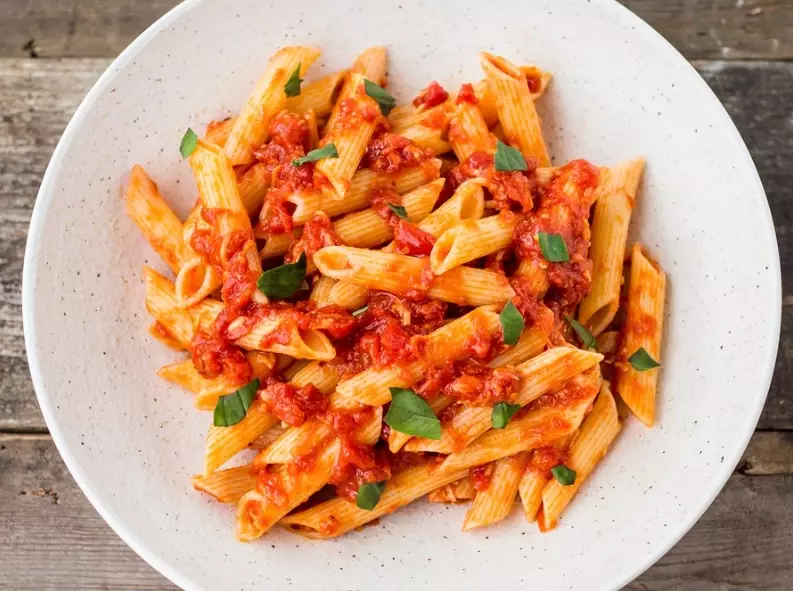
Don't skimp on the quality of the chili flakes. Toasting them lightly in the oil with the garlic unlocks their full, fruity heat.
7. Spaghetti alle Vongole: Taste of the Sea
There are two versions: bianco (white, with olive oil, garlic, white wine, and parsley) and rosso (red, with added tomatoes). The white version is more classic and lets the briny flavor of the clams (vongole veraci) shine. The key is timing—add the clams just before the pasta is done so they open perfectly and don't become rubbery.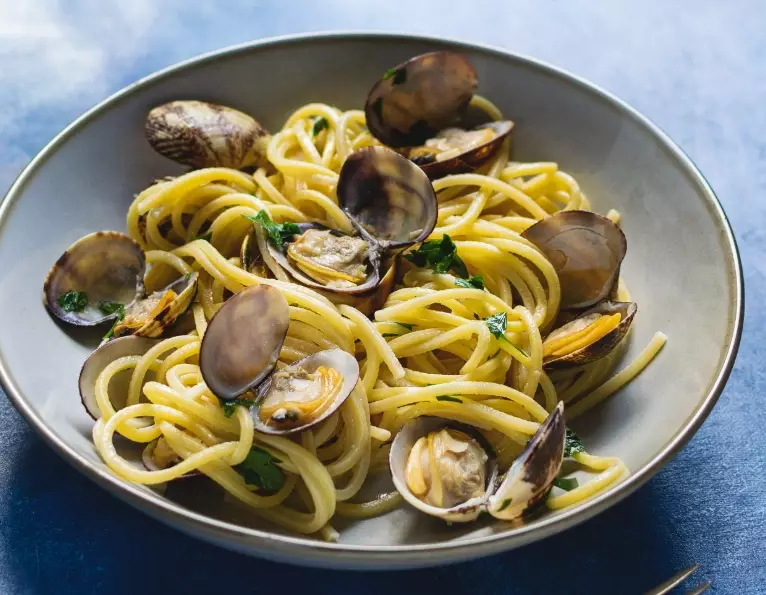
Always discard any clams that don't open after cooking.
8. Lasagna alla Bolognese: The Comfort Food Champion
The ultimate baked pasta. Layers of fresh egg pasta sheets, ragù alla bolognese, béchamel sauce, and Parmigiano-Reggiano. The béchamel (not ricotta, which is common in other regions) is crucial—it makes the lasagna incredibly creamy and rich.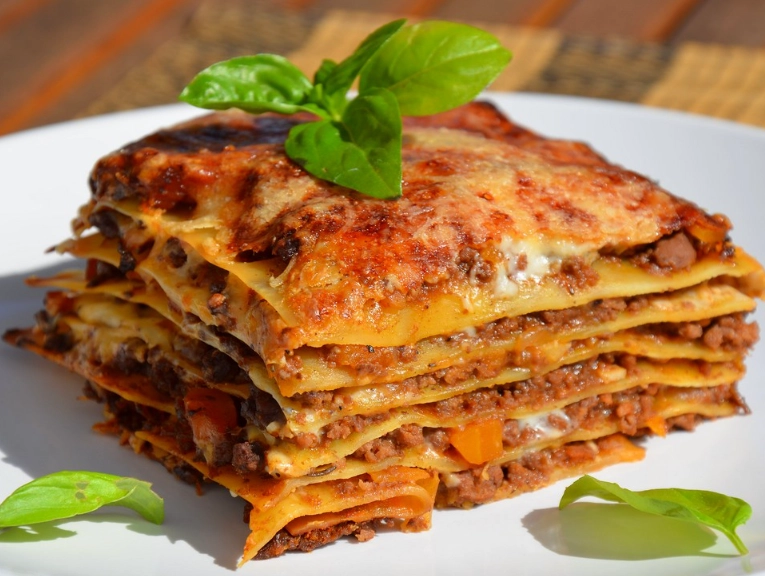
Let it rest for at least 20 minutes after baking. This allows the layers to set, so you get a clean slice instead of a sloppy mess.
9. Spaghetti alla Carbonara di Mare: The Coastal Twist
A controversial but delicious variation from the coastal areas. It replaces the guanciale with seafood—usually shrimp, scallops, or squid—and uses the same egg and cheese sauce technique. Purists scoff, but the combination of sweet seafood and the rich, peppery sauce is phenomenal.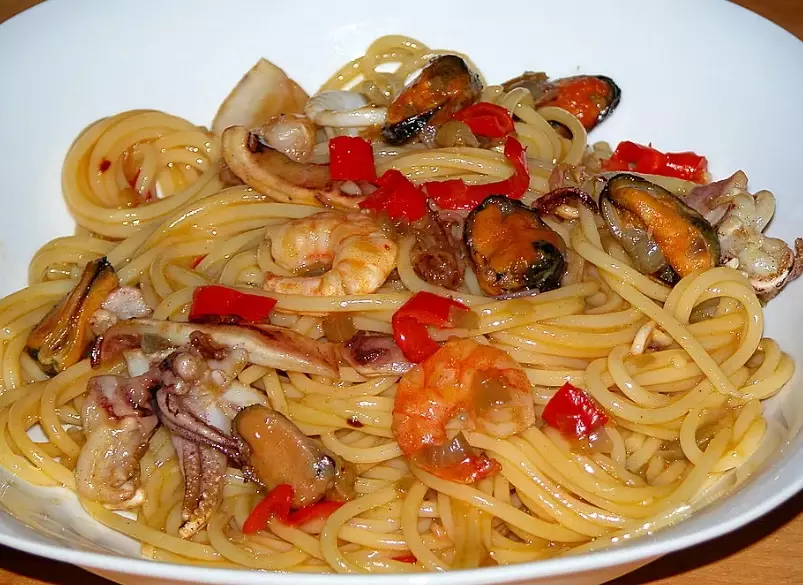
If you try this, use the seafood's cooking liquid instead of some pasta water to boost the marine flavor.
10. Pasta alla Norma: Sicily's Pride
Named after Bellini's opera, this Sicilian dish is a celebration of the island's produce: fried eggplant, tomato sauce, ricotta salata (a salted, aged ricotta cheese), and basil. The eggplant is fried until golden and meltingly tender, adding a deep, savory sweetness to the bright tomato sauce.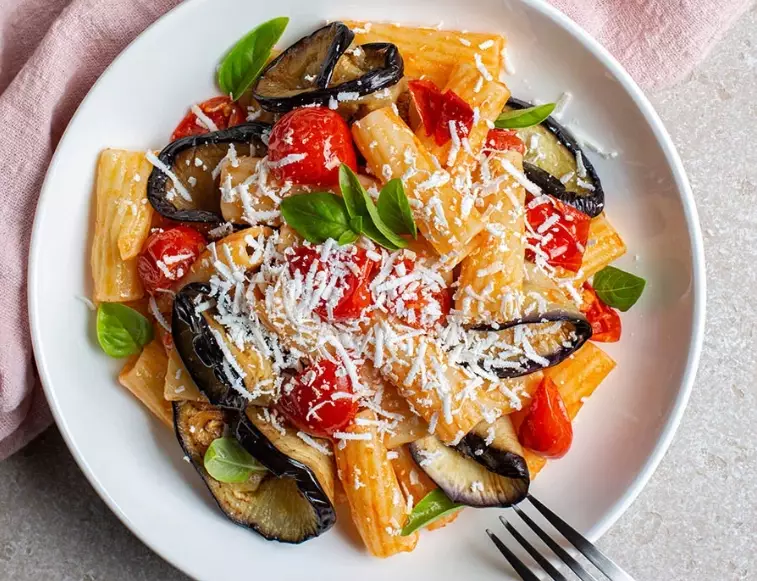
Ricotta salata is non-negotiable. Don't substitute fresh ricotta; it's a completely different texture and flavor profile.
Quick Reference: The Top 10 Italian Pasta Dishes at a Glance
Here's a snapshot of what makes each dish unique, from its key sauce to the perfect pasta pairing.
| Rank & Dish | Key Characteristic | Sauce Base | Classic Pasta Pairing |
|---|---|---|---|
| 1. Carbonara | Emulsified egg & cheese, guanciale, no cream | Eggs, Pecorino, Pork Fat | Spaghetti |
| 2. Ragù alla Bolognese | Slow-cooked meat sauce with milk | Tomato, Ground Meat, Soffritto | Fresh Tagliatelle |
| 3. Pesto | Fresh, uncooked basil sauce | Basil, Garlic, Pine Nuts, Cheese, Oil | Trenette or Trofie |
| 4. Amatriciana | Spicy tomato sauce with guanciale | Tomato, Guanciale, Chili | Bucatini |
| 5. Cacio e Pepe | Minimalist cheese & pepper emulsion | Pecorino, Pepper, Pasta Water | Spaghetti |
| 6. Arrabbiata | Quick, fiery tomato sauce | Tomato, Garlic, Chili | Penne |
| 7. Vongole | Briny, garlicky clam sauce | Clams, Garlic, White Wine, Oil | Spaghetti |
| 8. Lasagna | Layered baked pasta with béchamel | Ragù, Béchamel, Cheese | Lasagna Sheets |
| 9. Carbonara di Mare | Seafood twist on carbonara | Eggs, Cheese, Seafood | Spaghetti |
| 10. alla Norma | Fried eggplant & ricotta salata | Tomato, Fried Eggplant | Short Pasta (e.g., Rigatoni) |
How to Cook Pasta Like an Italian: 5 Non-Negotiable Rules
Before you tackle any of these recipes, get the fundamentals right.
1. Salt the Water Like the Sea
Your pasta water should taste salty. This is the only chance to season the pasta itself. A good rule is 10 grams of coarse salt per liter of water.
2. Never Add Oil to the Water
It does nothing to prevent sticking and only makes the pasta slippery, so the sauce won't cling to it later.
3. Reserve Pasta Water
That starchy, salty water is liquid gold for finishing your sauce. It helps bind the sauce to the pasta and adjust consistency.
4. Cook Pasta "al dente"
It should have a slight bite. It continues to cook in the sauce. Mushy pasta is a tragedy.
5. Finish the Pasta in the Sauce
Don't just dump sauce on top of drained pasta. Transfer the almost-done pasta directly into the pan with the sauce, add a splash of pasta water, and toss vigorously over heat for the last minute. This is called mantecatura and it's what creates a cohesive dish.
Your Pasta Questions, Answered
Why does my carbonara sauce scramble and how can I prevent it?
The pan is too hot. The key is to remove the pasta from direct heat before adding the egg mixture. Combine everything off the burner, using the residual heat from the pasta and the hot pasta water to gently cook the eggs into a creamy emulsion. A heavy ceramic or stainless steel bowl can help buffer the heat.
What's the difference between Pecorino Romano and Parmigiano-Reggiano, and when should I use each?
Pecorino is made from sheep's milk—it's saltier, sharper, and has a more pungent, tangy flavor. It's essential for Roman dishes like Carbonara, Cacio e Pepe, and Amatriciana. Parmigiano-Reggiano is made from cow's milk—it's nuttier, sweeter, and more complex. Use it in pesto, ragù, and generally in Northern Italian cooking. They are not interchangeable if you want an authentic taste.
I can't find guanciale. What's the best substitute for carbonara or amatriciana?
Pancetta is the closest substitute—it's also cured pork belly, but it's not smoked like American bacon. Standard bacon is a last resort; its smoky flavor will dominate and change the dish entirely. If you use pancetta, look for the cubed kind (cubetti) or dice a slab yourself. The fat content is still crucial.
Is fresh pasta always better than dried pasta?
Not always. It depends on the sauce. Fresh egg pasta (like tagliatelle, pappardelle) is tender and porous, perfect for rich, creamy, or meat-based sauces like ragù. High-quality dried durum wheat pasta (like spaghetti, penne, rigatoni) has a firmer bite and rough surface that grips lighter, oil-based, or tomato sauces beautifully. For Carbonara, Cacio e Pepe, and Amatriciana, good dried spaghetti is actually more traditional.
How much pasta should I cook per person?
The standard Italian portion for a primo (first course) is 80-100 grams (about 3-3.5 oz) of dried pasta per person. For fresh pasta, it's about 120-150 grams (4-5 oz). It always looks like too little in the pot, but it's the perfect amount once sauced. Remember, you're not just eating pasta—there's usually a second course to follow.
Mastering these ten dishes gives you a culinary tour of Italy, from Rome's bold flavors to Sicily's sun-drenched ingredients. Start with the rules, respect the ingredients, and don't be afraid to make mistakes. Even a slightly clumpy cacio e pepe is still a pretty great plate of pasta. Now, go boil some water.
Related Articles
Easy Italian Soup Recipes: Quick & Authentic Comfort Food
Italian Sausage Soup: Authentic Recipes & Pro Tips
Top 10 Pasta Dishes: Must-Try Italian Classics & Expert Tips
Ultimate Guide to the Best Italian Meatball Recipe
Italian Beef Spices: The Secret Blend for Authentic Chicago-Style Sandwiches