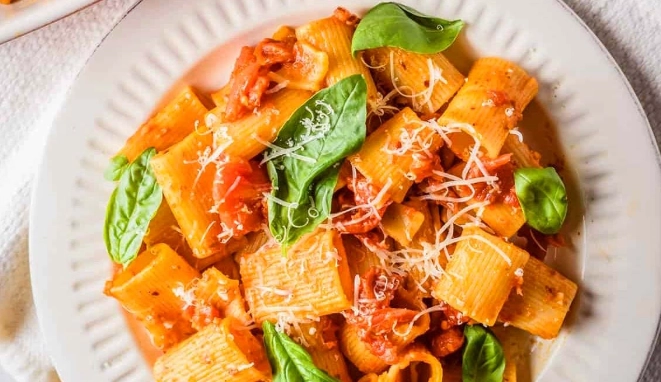
Creamy Pasta Recipes: Expert Tips for Perfect Sauces Every Time
What's Inside This Guide
Let's cut to the chase. You want creamy pasta that's smooth, rich, and doesn't turn into a greasy mess five minutes after you plate it. I've been cooking pasta for over a decade, and I've seen every mistake in the book—from curdled sauces to bland, watery disasters. This guide isn't just another list of recipes; it's the stuff most cooking sites gloss over because they assume you already know it. Spoiler: you probably don't, and that's okay.
We'll start with the science (don't worry, no textbooks), move to three detailed recipes I use weekly, and finish with answers to questions you're too embarrassed to ask. By the end, you'll be making creamy pasta that rivals any Italian trattoria.
The Real Reason Creamy Pasta Sauces Work (And Fail)
Creaminess in pasta sauces comes from emulsification—basically, getting fat and water to play nice together. Most people think adding cream is enough, but that's where things go wrong. I learned this the hard way when I hosted a dinner party and my Alfredo sauce separated into a oily pool. Guests were polite, but I saw the disappointment.
The key players are fat (like butter, cream, or cheese), starch (from the pasta water), and heat. Get the balance off, and your sauce breaks. Here's a quick breakdown of common creamy bases and why they behave differently:
| Base Ingredient | Best For | Pitfall to Watch |
|---|---|---|
| Heavy Cream | Rich, indulgent sauces (e.g., Carbonara-style) | Can overpower delicate flavors; high risk of curdling if boiled |
| Half-and-Half | Lighter sauces with a touch of creaminess | May not thicken well without help from cheese or starch |
| Full-Fat Milk + Roux | Classic béchamel-based dishes (e.g., Lasagna) | Requires extra steps; can taste floury if not cooked enough |
| Coconut Milk (Vegan) | Dairy-free options with tropical notes | Can clash with traditional Italian herbs; separates if overheated |
Notice I didn't include low-fat options. That's intentional. In my experience, trying to make creamy pasta with skim milk or light cream is a recipe for disappointment—it lacks the fat needed for that luxurious mouthfeel. The International Pasta Organization notes that traditional recipes rely on high-quality, full-fat ingredients for authenticity, but many home cooks skimp to save calories and end up with subpar results.
Starch from pasta water is your secret weapon. It's not just for thinning the sauce; it helps bind everything. Reserve at least a cup of that cloudy water before draining. I've seen chefs on Food Network emphasize this, but they rarely explain why: the starch molecules act as a stabilizer, preventing separation.
Three Creamy Pasta Recipes You'll Actually Make
These aren't fancy, restaurant-style dishes that require obscure ingredients. They're weeknight-friendly, tested in my own kitchen, and designed to avoid common pitfalls. Each serves four people and takes under 30 minutes active time.
Recipe 1: Classic Alfredo Pasta (The Right Way)
Most Alfredo recipes are too heavy or use flour as a thickener. Authentic Alfredo, from Rome, is just pasta, butter, Parmesan, and pasta water. Here's my take, adjusted for modern kitchens.
Ingredients:
- 400g fettuccine (fresh if possible, but dried works)
- 150g unsalted butter, cubed
- 200g Parmigiano-Reggiano, finely grated (not pre-shredded—it has anti-caking agents that ruin the sauce)
- 1 cup reserved pasta water
- Salt and black pepper to taste
- Optional: a pinch of nutmeg (controversial, but I add it for depth)
Steps:
- Cook the pasta in salted boiling water until al dente. Reserve that cup of water before draining.
- In a large pan, melt the butter over low heat. Don't let it brown—this isn't a brown butter sauce.
- Add the drained pasta to the pan with a splash of pasta water. Toss to coat.
- Remove from heat. Gradually add the cheese, stirring constantly. If the sauce looks tight, add more pasta water a tablespoon at a time.
- Season with pepper and nutmeg if using. Serve immediately. It won't hold well, so eat it fresh.
Why this works: The low heat prevents the cheese from clumping, and the pasta water creates a silky emulsion. I've served this to friends who claimed to hate Alfredo because of its heaviness, and they changed their minds.
Recipe 2: Creamy Garlic Mushroom Pasta (For Umami Lovers)
This one uses a roux-based sauce, but with a twist—sautéed mushrooms add moisture, so you need less cream. It's my go-to for busy nights.
Ingredients:
- 350g penne or rigatoni
- 300g mushrooms, sliced (cremini work best)
- 4 cloves garlic, minced
- 2 tbsp olive oil
- 2 tbsp butter
- 2 tbsp all-purpose flour
- 1.5 cups whole milk
- 1/2 cup grated Pecorino cheese
- Salt, pepper, and fresh parsley
Steps:
- Cook pasta, reserving water as before.
- In a pan, heat olive oil and sauté mushrooms until browned. Add garlic for the last minute.
- Push mushrooms to the side, melt butter, and whisk in flour to make a roux. Cook for 2 minutes until blonde.
- Slowly pour in milk, whisking to avoid lumps. Simmer until thickened.
- Stir in cheese, then toss with pasta and mushrooms. Adjust consistency with pasta water.
- Garnish with parsley. The mushrooms keep it hearty without being overly rich.
Common mistake: Adding milk all at once causes lumps. I whisk steadily, and it never fails.
Recipe 3: Vegan Creamy Tomato Pasta (Dairy-Free Hack)
For those avoiding dairy, cashews are a game-changer. Soak them overnight, and they blend into a cream-like consistency. This recipe surprises even die-hard cheese lovers.
Ingredients:
- 400g spaghetti
- 1 cup raw cashews, soaked for 4+ hours
- 1 can (400g) crushed tomatoes
- 3 tbsp nutritional yeast (for cheesiness)
- 2 cloves garlic
- 1 tbsp lemon juice
- Salt, red pepper flakes
Steps:
- Blend soaked cashews with 1/2 cup water until smooth—like heavy cream texture.
- In a pan, simmer tomatoes, garlic, and cashew cream for 10 minutes.
- Stir in nutritional yeast, lemon juice, and seasonings.
- Toss with cooked pasta, adding pasta water if needed. The sauce clings beautifully.
I've made this for vegan friends, and they ask for the recipe every time. The nutritional yeast adds a savory note that mimics Parmesan, but don't overdo it or it tastes artificial.
Common Mistakes That Ruin Creamy Pasta
After teaching cooking classes, I've noticed patterns. Here are the top blunders and how to fix them.
Mistake 1: Adding cheese over high heat. Cheese proteins coagulate when too hot, leading to a grainy sauce. Always remove the pan from heat before stirring in cheese. For hard cheeses like Parmesan, grate it finely—pre-grated stuff has cellulose that prevents melting.
Mistake 2: Using too little pasta water. That starchy liquid is free flavor and thickness. I reserve at least a cup, but often use half of it. If your sauce thickens too much on the plate, a splash of warm water can revive it.
Mistake 3: Overcooking the cream. Heavy cream can split if boiled vigorously. Keep it at a gentle simmer. If it does separate, a tablespoon of cold butter whisked in can sometimes rescue it, but it's tricky.
Personal story: Once, I rushed and dumped cold cream into a hot pan. The temperature shock caused curdling, and I had to start over. Now, I let ingredients come to room temperature first.
Pro Tips to Make Your Creamy Pasta Shine
Beyond recipes, these tweaks elevate your dish from good to memorable.
- Salt your pasta water like the sea. It should taste salty—this seasons the pasta from within. The BBC Good Food guide recommends about 1 tbsp per liter, but I go by taste.
- Finish cooking pasta in the sauce. Don't just drain and mix. Transfer pasta a minute before it's done to the sauce pan with some water. It absorbs flavors better.
- Use fresh herbs at the end. Basil, parsley, or chives add brightness that cuts through richness. Dried herbs can work in sauces, but for garnish, fresh is non-negotiable.
- Experiment with acids. A squeeze of lemon juice or a dash of white wine vinegar at the end balances creaminess. It's a trick I picked up from a chef in Naples—subtle but effective.
Some recipes call for adding cream cheese for extra thickness. I avoid it unless I'm making a dip; it can make the sauce gluey and overpower other flavors.
Your Creamy Pasta Questions Answered
There you have it—a no-nonsense guide to creamy pasta that actually works. It's not about following rules blindly; it's about understanding why things happen in the pan. Start with one recipe, pay attention to the details, and soon you'll be improvising your own variations. And if something goes wrong, remember: even experienced cooks have off days. Just order pizza and try again tomorrow.
Related Articles
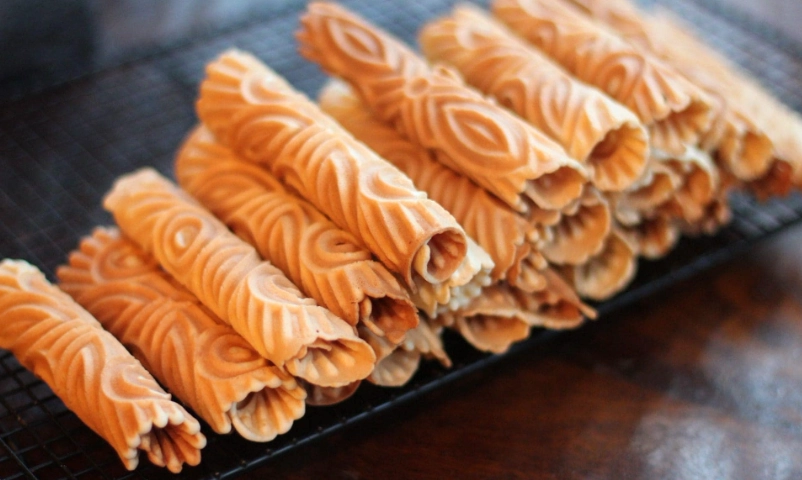
How to Make Pizzelli: The Ultimate Guide to Perfect Italian Waffle Cookies
Simple Italian Family Meal Recipes: Easy Dinners for Everyone
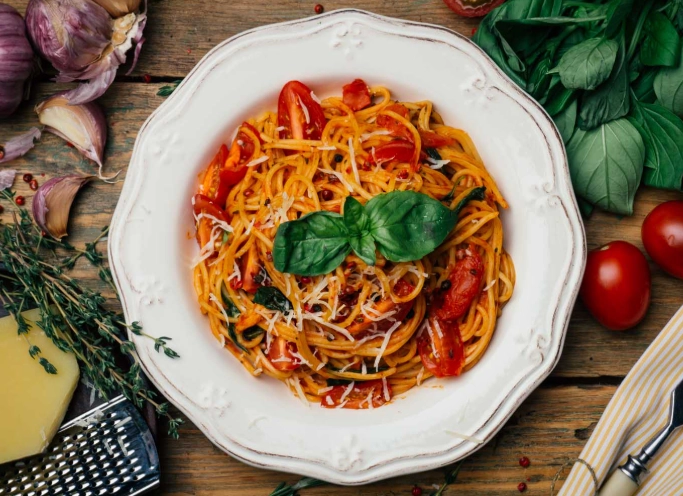
Authentic Italian Dinner Recipes: Classics for Your Table
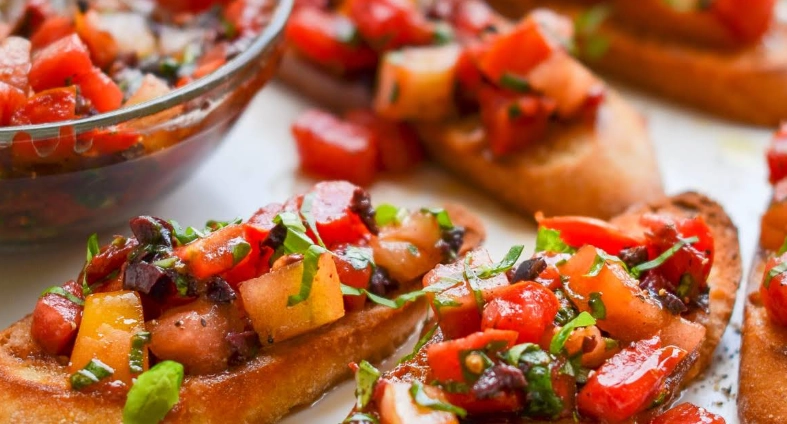
Ultimate Guide to Best Italian Appetizer Recipes for Any Occasion
Italian Seasoning Chicken Recipe: Easy, Flavorful & Authentic