Authentic Italian Pasta Salad Recipe: A Complete Guide
If you're looking for a dish that screams summer, potlucks, and effortless flavor, you've hit the jackpot. A true Italian pasta salad isn't just cold pasta with some veggies thrown in. It's a harmonious, make-ahead masterpiece where the pasta, a vibrant dressing, and crisp ingredients meld together into something greater than the sum of its parts. The problem? Most recipes get it wrong, leading to a soggy, bland, or disjointed mess by lunchtime. After years of trial and error (and one particularly disastrous picnic), I've nailed down the formula. This guide dives deep into the authentic method, the critical choices most blogs gloss over, and the tricks to ensure your pasta salad is the star of the table, every single time.
What's Inside This Guide
- What Exactly is Italian Pasta Salad?
- How to Make It: The Foolproof Recipe
- The Pasta Shape Dilemma: What Really Works
- Crafting the Essential Dressing
- Pro Tips for Perfect Texture (No Sogginess!)
- Beyond the Classic: Tasty Variations
- Serving & Storing: Make-Ahead Magic
- Your Pasta Salad Problems, Solved
What Exactly is Italian Pasta Salad?
Let's clear the air. When Italians talk about "pasta salad," they're usually referring to Insalata di Pasta. It's a cornerstone of cucina povera (peasant cooking), designed to use leftovers and seasonal produce in a clever, refreshing way. Unlike its American cousin often laden with heavy mayo, the Italian version is typically dressed with a lively vinaigrette based on good olive oil and vinegar or lemon juice. The goal is balance: chewy pasta, crunchy vegetables, savory bits like cheese or salami, and a dressing that ties it all together without drowning it.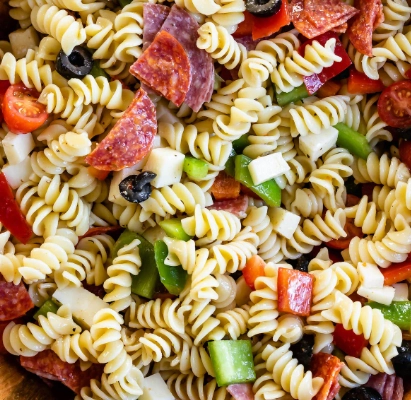
The beauty is in its flexibility, but that's also where beginners trip up. You can't just toss any pasta with any dressing and expect magic.
How to Make Italian Pasta Salad: A Step-by-Step Recipe
Here's my foundational recipe. It's classic, reliable, and packed with the flavors you expect. Think of it as your training wheels before you start customizing.
My Personal Note: I developed this recipe after a trip to Sicily, where I had a version with capers and olives that blew my mind. The key takeaway wasn't the ingredients list, but the technique of dressing the pasta while warm. It's a game-changer most home cooks miss.
The Complete Ingredient List
| Ingredient | Quantity & Notes | Why It's Here |
|---|---|---|
| Pasta (Fusilli or Farfalle) | 1 lb (450g) | The sturdy backbone that holds dressing and bits. |
| Cherry or Grape Tomatoes | 2 cups, halved | Bursts of sweet acidity. |
| English Cucumber | 1 medium, diced | Crunch and freshness without excess water. |
| Red Onion | 1/2 medium, thinly sliced | A sharp, colorful bite. Soak in cold water for 10 mins if you want it milder. |
| Bell Pepper (any color) | 1 large, diced | Sweetness and more crunch. |
| Pitted Black Olives | 3/4 cup, sliced | Salty, briny depth. |
| Fresh Mozzarella (Ciliegine) | 8 oz, drained and halved | Creamy, milky pockets. Bocconcini work too. |
| Genoa Salami or Pepperoni | 4 oz, cut into small cubes | Savory, fatty contrast. Optional for a veggie version. |
| Fresh Basil | 1/2 cup, loosely packed and torn | The aromatic soul of the dish. Don't use dried. |
| For the Dressing: | ||
| Extra Virgin Olive Oil | 2/3 cup | Use the best you have for drinking. It matters. |
| Red Wine Vinegar | 1/4 cup | Bright acidity. Can sub with white wine vinegar or lemon juice. |
| Dijon Mustard | 1 tablespoon | Emulsifier and flavor booster. |
| Garlic | 2 cloves, minced | Pungent base note. |
| Dried Oregano | 1 teaspoon | Classic Italian herb note. |
| Salt & Black Pepper | To taste | Season in layers. |
The Cooking Process, Broken Down
1. Cook the Pasta, But Differently. Bring a large pot of heavily salted water to a boil. Add the pasta and cook it for 1 minute less than the package's "al dente" recommendation. This is crucial. The pasta will continue to absorb dressing and soften as it sits. Drain it, but do NOT rinse it with cold water. Rinsing washes away the starch that helps the dressing cling.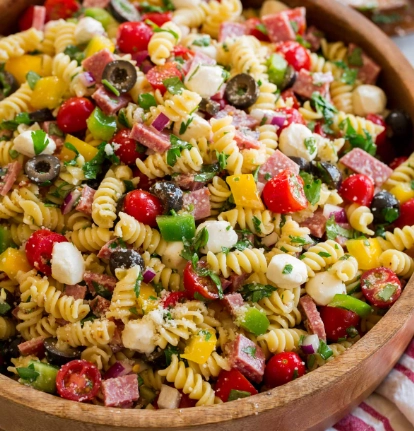
2. Dress It Warm. This is the non-negotiable expert tip. While the pasta is still hot, transfer it to your large mixing bowl. Whisk your dressing ingredients together and immediately pour about two-thirds of it over the warm pasta. Toss it well. The warm pasta acts like a sponge, soaking up that vinaigrette deep into its core. This prevents a bland, oily exterior later.
3. Prep the Veggies. While the pasta cooks and cools slightly, chop all your vegetables and meats. For the cheese, pat it dry with a paper towel to remove excess moisture.
4. The Grand Assembly. Once the dressed pasta has cooled to room temperature (spread it out on a sheet pan to speed this up), add all the chopped vegetables, olives, salami, and mozzarella. Gently fold everything together. Add the remaining dressing if it looks dry, but you might not need it all. Finally, fold in the torn basil just before serving to keep it vibrant.
5. The Rest. Cover and let it chill in the fridge for at least an hour, ideally two. This rest time is when the flavors truly marry.
The Pasta Shape Dilemma: What Really Works
This is where most people go wrong. You can't use spaghetti or fettuccine. You need a shape with nooks, crannies, and texture to trap the dressing and small ingredients.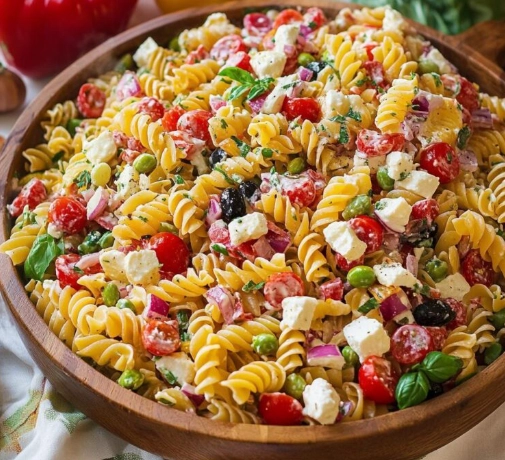
Top Tier (My Go-Tos):
- Fusilli: The spirals are perfect traps. My absolute favorite.
- Farfalle (Bow-tie): The pinched middle holds bits beautifully.
- Rotini: Similar to fusilli, a classic and reliable choice.
Good Alternatives:
- Penne Rigate: The ridges help, but the tubes can sometimes feel hollow.
- Orecchiette: The "little ears" are fantastic, but they can be denser.
Avoid For Salad: Long pastas (spaghetti, linguine), delicate pastas (angel hair), or large stuffed pastas (ravioli). They just don't work in a mixed, forkable salad context.
Crafting the Essential Italian Pasta Salad Dressing
The dressing is the lifeblood. A bottled Italian dressing will give you away as a novice every time. Homemade is infinitely better and takes 2 minutes.
The standard ratio is 3 parts oil to 1 part acid (2/3 cup oil to 1/4 cup vinegar). The Dijon mustard isn't just for flavor; it contains emulsifiers (lecithin) that help bind the oil and vinegar into a creamy, stable mixture that won't separate immediately. Whisk it vigorously or shake it in a jar.
Want to level up? Infuse your olive oil with a sprig of rosemary and a clove of smashed garlic over very low heat for 5 minutes. Let it cool before making the dressing. It adds a subtle, sophisticated background note.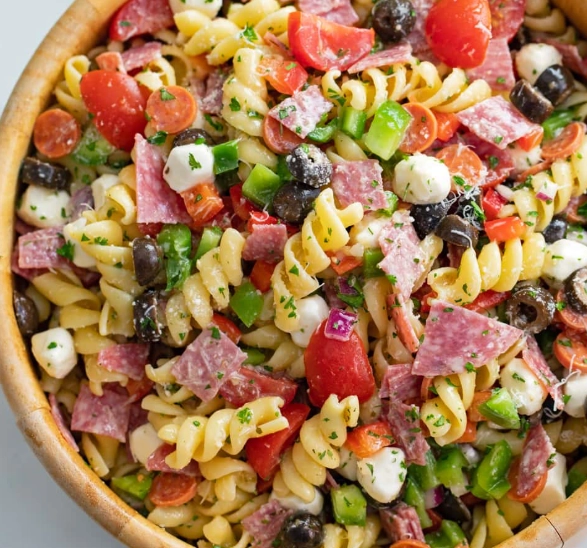
Pro Tips for Perfect Texture (No Sogginess!)
Soggy pasta salad is the ultimate disappointment. Here's how to win the texture battle.
1. Undercook the Pasta. Already said it, but it's worth repeating. Al dente is your mantra.
2. Dress Warm, Add Veggies Cool. The warm pasta absorbs; the cool veggies stay crisp.
3. Manage Vegetable Moisture. Seed your cucumbers if using regular ones. Pat tomatoes and mozzarella dry. If using artichoke hearts or roasted peppers from a jar, drain and pat them dry too.
4. Add Delicate Herbs Last. Basil, parsley, or mint will wilt and turn black if mixed in too early. Fold them in right before serving.
5. The Bread Trick. If you've accidentally added too much dressing and it's pooling at the bottom, toss in a few small pieces of stale crusty bread. They'll soak up the excess in 10-15 minutes. Remove them before serving. It's a chef's hack.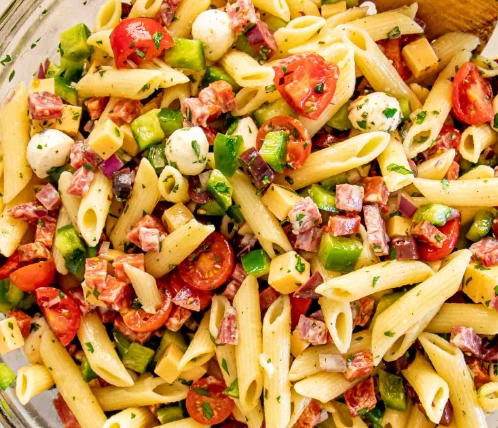
Beyond the Classic: Tasty Variations
The basic formula is your canvas.
- Mediterranean: Swap salami for chopped grilled chicken, add kalamata olives, sun-dried tomatoes, and crumbled feta. Use a lemon-oregano dressing.
- Antipasto: Go all-in with diced provolone, mortadella, pepperoncini, roasted red peppers, and marinated artichoke hearts.
- Vegetarian Power: Add chickpeas or white beans for protein, along with chopped broccoli florets and shredded carrots. A tahini-lemon dressing works wonders here.
- Seafood: For a fancy twist, fold in chilled cooked shrimp, lump crab meat, or flaked tuna (the good, oil-packed kind) at the last minute.
Serving & Storing: Make-Ahead Magic
This is the ultimate make-ahead dish. It keeps beautifully for 3-4 days in an airtight container in the fridge. The flavors actually improve on day two.
Always give it a good stir before serving, as dressing can settle. If it seems dry after storage, a tiny drizzle of fresh olive oil and a squeeze of lemon can revive it.
Don't freeze it. The texture of the pasta and vegetables will be utterly destroyed upon thawing.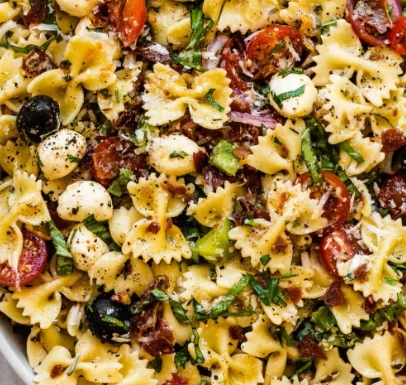
Your Pasta Salad Problems, Solved
Related Articles
Authentic Italian Pasta Salad Recipe: A Complete Guide
What are the 4 Classic Italian Dishes? A Food Lover's Guide
What Are the Most Popular Italian Appetizers? A Complete Guide to Antipasti

Top 10 Italian Cookies: A Guide to Italy's Sweetest Treats
The Real Secret to a Flavorful Pasta e Fagioli (It's Not Just the Pasta)