Ultimate Italian Beef Seasoning Guide: Herbs, Spices & Pro Tips
The magic of a great Italian beef sandwich isn't just in the cut of meat or the slow cooking—it's in the seasoning. Get that blend wrong, and you end up with bland, boring pot roast. Get it right, and you create a symphony of savory, herbal, garlicky, and peppery flavors that soak into every fiber of the beef. So, what seasoning to use for Italian beef? The short answer: a robust, aromatic mix of dried herbs, garlic, onion, and both sweet and hot peppers. But the long answer, the one that separates a good home cook from a maestro, is all in the details, ratios, and a few counterintuitive tricks most recipes won't tell you.
I learned this the hard way after a disappointing attempt years ago. I followed a popular online recipe to the letter, but my beef tasted flat, one-dimensional. It was missing depth. Since then, after countless batches, conversations with butchers in Chicago's famous beef stands, and some delicious experimentation, I've nailed down what truly works.
Your Quick Guide to Perfect Italian Beef
- The 4 Non-Negotiable Seasoning Pillars
- The Classic Chicago-Style Blend: A Breakdown
- Dry Rub vs. Wet Marinade: Which is Better?
- The Step-by-Step Seasoning & Cooking Process
- 3 Common Seasoning Mistakes (And How to Fix Them)
- Beyond Chicago: Interesting Regional Twists
- Your Italian Beef Seasoning Questions, Answered
The 4 Non-Negotiable Seasoning Pillars
Think of building your Italian beef seasoning like building a house. You need a solid foundation. These four elements are non-negotiable.
1. The Herbal Heart: Oregano & Basil
Dried, not fresh. This is the first pro tip. For the long, slow cook, dried herbs hold up better and infuse the cooking liquid with a more concentrated, earthy flavor. Oregano provides that distinctive, slightly bitter backbone. Basil adds a sweeter, aromatic note. Use about a 2:1 ratio of oregano to basil. And please, crush the dried herbs between your palms before adding them. It wakes up the oils.
2. The Aromatic Base: Garlic & Onion
Again, granulated or powdered forms are your friend here. Fresh garlic can burn during the initial sear and become bitter over many hours. Granulated garlic dissolves into the braising liquid, seasoning it uniformly. Onion powder does the same. Together, they create the savory-sweet base layer that defines the dish.
Flavor Note: Many store-bought "Italian seasoning" blends are heavy on marjoram and thyme, which can overpower the specific profile of Italian beef. For authenticity, building your own blend from individual jars is always superior.
3. The Pepper Spectrum: Sweet & Heat
This is where complexity lives. You need two types of pepper:
- Sweet Paprika or Crushed Red Pepper Flakes (Mild): For color and a gentle, fruity warmth.
- Coarse Black Pepper: For sharp, pungent bites.
4. The Salty Umami Boost
Salt is obvious. But the secret weapon is a powdered beef bouillon or a dash of soy sauce/Worcestershire sauce in the braising liquid. This isn't cheating; it's amplifying the meat's own savory flavor (umami). It gives the broth that "can't-stop-drinking-it" quality that makes the final "juice" for dipping so incredible.
The Classic Chicago-Style Blend: A Breakdown
Here’s a reliable, scalable blueprint for seasoning a 3-4 pound chuck roast. This is your starting point.
| Ingredient | Quantity | Purpose & Pro Tip |
|---|---|---|
| Dried Oregano | 2 tablespoons | The herbal anchor. Use Mediterranean oregano if possible. |
| Dried Basil | 1 tablespoon | Adds sweet, licorice-like notes. Rub before adding. |
| Granulated Garlic | 1.5 tablespoons | Superior to powder for slow cooking. No burnt bits. |
| Onion Powder | 1 tablespoon | Builds the savory foundation. |
| Sweet Paprika | 2 teaspoons | For color and mild sweetness. Smoked paprika is a bold twist. |
| Crushed Red Pepper Flakes | 1-2 teaspoons | Adjust to your heat preference. Start with 1. |
| Coarse Black Pepper | 1 tablespoon | Freshly cracked is best. Provides texture and punch. |
| Kosher Salt | 1.5 tablespoons | Season aggressively; much will go into the broth. |
| Beef Bouillon Powder (optional but recommended) | 1 teaspoon | The umami secret. Use a good quality brand. |
Mix all these dry ingredients in a bowl. That’s your powerhouse blend.
Dry Rub vs. Wet Marinade: Which is Better?
For Italian beef, the dry rub method wins, hands down. Here’s why.
Pat your chuck roast very dry with paper towels. This is critical for a good sear. Generously coat the entire roast with the dry seasoning blend, pressing it into the meat. Let it sit on the counter for 30-45 minutes. This allows the salt to begin drawing moisture to the surface, which will then dissolve the seasoning and help it penetrate slightly, and it also brings the meat to a cooler room temperature for even cooking.
Then, sear it hard in a hot pot with a little oil. You’re not just browning the meat; you’re toasting those herbs and spices, creating a flavor foundation (the fond) on the bottom of the pot that will deglaze into your broth. A wet marinade would wash this away and can steam the meat instead of creating that crucial crust.
The Step-by-Step Seasoning & Cooking Process
Let’s walk through it from start to finish.
- Dry the Meat. Unwrap your chuck roast, pat it aggressively dry.
- Apply the Rub. Coat every side, ends included, with your mixed dry seasoning. Press it on. Don’t be shy.
- Rest & Sear. Let it sit 30 mins. Sear in a Dutch oven over medium-high heat until deeply browned on all sides.
- Deglaze & Braise. Remove meat. Add 1 cup of beef broth or water to the pot, scrape up all the glorious browned bits (that’s flavor!). Add the meat back, along with enough broth to come 1/3 up the sides of the roast. Add a splash of Worcestershire sauce.
- Slow Cook. Cover and cook in a 300°F oven (or on low in a slow cooker) for 3-4 hours, until fork-tender.
- Rest & Shred. Let the beef rest in its juices for 30 minutes. Then, shred it with two forks, returning all the meat to the potent cooking liquid.
The beef will now sit in and absorb that perfectly seasoned, herb-infused juice until you serve it.
3 Common Seasoning Mistakes (And How to Fix Them)
Mistake 1: Under-Salting the Broth
You seasoned the meat, but the braising liquid tastes bland. Remember, the shredded beef soaks in this liquid. The broth should taste almost too salty on its own, because it’s a condiment. Season the broth with a pinch of salt after deglazing.
Mistake 2: Using "Italian Seasoning" as a 1:1 Substitute
As mentioned, these blends often include thyme, rosemary, and marjoram in equal parts. While not terrible, it creates a generic "herbed" taste, not the distinct Chicago beef profile. Stick to the oregano-basil dominance.
Mistake 3: Skipping the Searing Step
If you just dump everything raw into a slow cooker, you miss the Maillard reaction (that browning) which creates hundreds of new, deep flavor compounds. You also miss toasting the dry rub. Take the 10 minutes to sear. It’s non-negotiable for flavor depth.
Beyond Chicago: Interesting Regional Twists
The Chicago-style sandwich is the king, but other Italian-American communities have their takes on seasoned beef.
The Philadelphia "Roast Pork" Influence: Some South Philly recipes add fennel seed to the dry rub, giving a subtle sausage-like aroma. It’s a fantastic variation if you love that flavor.
The New York "Beef Braciole" Angle: While not a sandwich, the seasoning for braciole (thin beef rolled with filling) is similar but often includes pine nuts, raisins, and parsley. It shows how the core herb-garlic-onion base is versatile.
Your Own Kitchen: Try adding a teaspoon of dried rosemary (finely crushed) or a strip of orange zest to the braising liquid for one batch. See what you like. Cooking is about the blueprint, then the personalization.
Your Italian Beef Seasoning Questions, Answered
So, what seasoning to use for Italian beef? It's a balance of tradition and personal taste, built on the pillars of dried herbs, garlic, onion, and pepper. Start with the classic blueprint. Master the sear and the braise. Then, don't be afraid to make it your own. The goal is a beef so flavorful, so juicy, and so perfectly seasoned that it doesn't just make a sandwich—it makes a memory. Now go fire up that oven or slow cooker. Your best batch of Italian beef is waiting.
Related Articles
Ultimate Guide to Spaghetti Pasta Recipes: Easy, Authentic & Creative
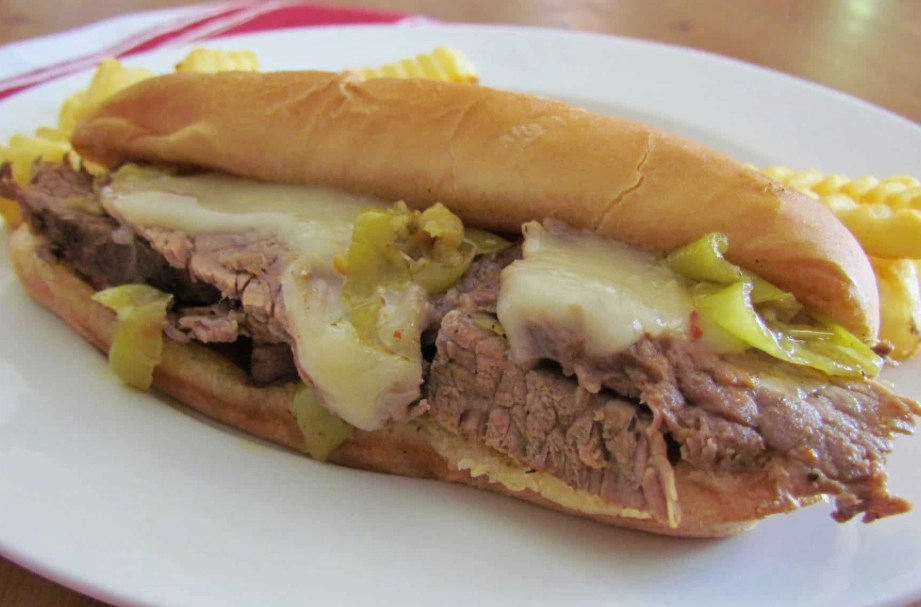
Authentic Italian Beef Sandwich Recipe | Easy Homemade Guide

Easy Italian Recipes: 5 Classics Anyone Can Master at Home
What Goes into an Italian Salad? The Ultimate Guide to Authentic Ingredients & Recipes