Simple Italian Salad Recipe: Authentic & Easy in 10 Minutes
Let's be honest. Most "Italian salads" you see online are imposters. They're loaded with croutons, bacon bits, cheddar cheese, and gloopy, sweet dressings. That's not Italian. A true, simple Italian salad, or "insalata semplice," is something else entirely. It's a study in restraint, where a few pristine ingredients sing in harmony. It's the salad you get at a trattoria in Rome before your pasta arrives—crisp, clean, and utterly refreshing. I learned this the hard way after my first trip to Italy, where my over-engineered salad creations were met with polite confusion. Today, I'm sharing the real deal. This isn't just a list of ingredients; it's the method, the philosophy, and the tiny details that separate a good side from a transformative one.
What You'll Find in This Guide
What a Real Italian Salad Is (And Isn't)
Forget the heavy, meal-sized bowls. An authentic simple Italian salad has a specific role. It's a "contorno" (side dish) or a "primo" (starter) designed to cleanse the palate and prepare it for the richer courses to come. The flavor profile is sharp, salty, and herbal, not creamy or sweet.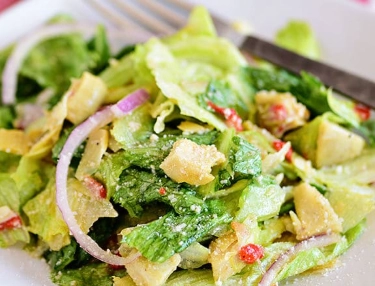
The foundation is always seasonal, crisp lettuce—think romaine hearts, tender butter lettuce, or peppery arugula (rucola). Tomatoes are non-negotiable in summer, but only if they're ripe. Then comes the allium punch from red onion or shallot, softened in ice water to take the raw edge off. The cheese is Parmigiano-Reggiano, shaved with a vegetable peeler for delicate ribbons, not grated dust. The final, critical element is the emulsified vinaigrette—extra virgin olive oil and wine vinegar or lemon juice, whisked with salt until creamy, then lightly tossed with the greens just before serving.
The 5-Ingredient Core & Smart Swaps
Quality is everything here. With so few components, each one has to shine. Don't use bottled dressing. Don't use pre-shredded cheese in a tub. It makes a world of difference.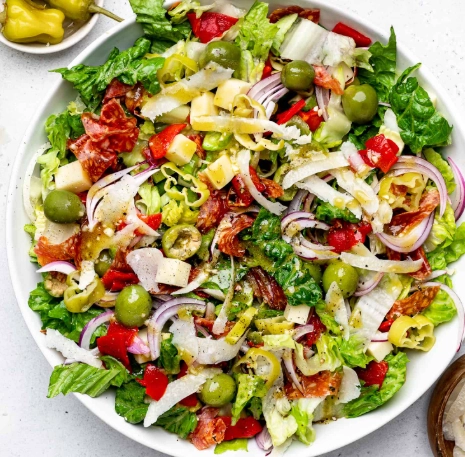
| Core Ingredient | The Authentic Choice (Why It Matters) | Best Substitutes (When You're in a Pinch) |
|---|---|---|
| Lettuce | Romaine hearts or Trecce lettuce: Ultimate crunch and a mild flavor that doesn't fight the dressing. Trecce, a young, sweet romaine, is the gold standard in Italy. | Butter lettuce (for tenderness), Little Gem lettuce, or even sturdy escarole. Avoid iceberg—it's too watery and bland. |
| Tomatoes | Ripe cherry or datterini tomatoes: Sweet, concentrated flavor. Halved or quartered. Only in season. If tomatoes are pale and hard, leave them out. | Sun-dried tomatoes (packed in oil, chopped) or a spoonful of good-quality tomato passata mixed into the dressing for a hint of flavor. |
| Onion | Red onion, thinly sliced: Soaked in ice water for 10 minutes. This removes the harsh, sulfuric bite while keeping the crisp texture and beautiful color. | Shallots (even milder), or very thinly sliced green onion (white and light green parts only). |
| Cheese | Parmigiano-Reggiano (PDO): Salty, nutty, umami-rich. Use a vegetable peeler to get wide, delicate shavings that melt on the tongue. | Pecorino Romano (saltier, sharper) or a young Asiago. Avoid pre-grated "parmesan" which contains anti-caking agents. |
| Dressing | EVOO + Red Wine Vinegar: A 3:1 oil-to-acid ratio. The oil must be a fruity, fresh extra virgin olive oil. The vinegar should be tangy, not sweet. | Fresh lemon juice instead of vinegar. For the oil, a light, neutral oil can work, but you'll lose the distinctive Italian fruitiness. |
That's your shopping list. See? Simple. Now, let's talk about the optional players that can elevate it: canned tuna in olive oil (for a protein boost), a handful of Gaeta or Taggiasca olives, or some fresh basil leaves torn at the last minute. Capers? Sure, if you like that briny kick.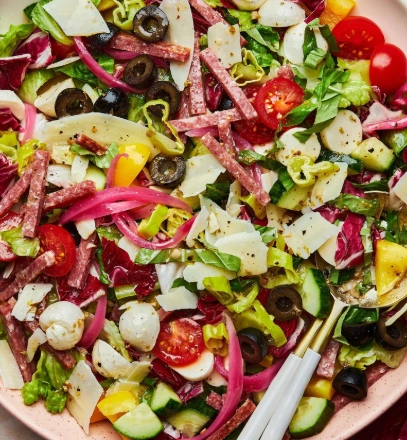
How to Make It: A Foolproof 10-Minute Method
This is where technique takes center stage. Follow these steps in order, and you'll nail it every single time.
Step 1: Prep Your Vegetables (The Dry Foundation)
Wash your lettuce leaves thoroughly. This is crucial. Then, and this is the most important step, dry them completely. I mean it. Use a salad spinner, then pat stubborn droplets with a clean kitchen towel. Water on the leaves is the enemy of dressing adhesion—it will slide right off, leaving you with bland greens and a pool of vinaigrette at the bottom of the bowl. Tear the leaves into bite-sized pieces. Don't chop with a knife; tearing prevents bruising and browning.
Step 2: Make the Vinaigrette (In the Bowl)
Take your serving bowl. Not a separate jar. Add a generous pinch of fine sea salt (about 1/4 teaspoon). Pour in your vinegar or lemon juice (1 tablespoon). Whisk with a fork until the salt mostly dissolves. This is key—salting the acid first helps it distribute evenly. Now, slowly drizzle in your extra virgin olive oil (3 tablespoons) while whisking vigorously. You're looking for a slightly thickened, emulsified mixture. It won't be mayo-thick, but it should look creamy and unified, not like separate layers.
Step 3: Assemble and Toss at the Last Second
Place your completely dry lettuce, drained onions, and halved tomatoes on top of the dressing in the bowl. Do NOT toss yet. Let it sit like this until you're ready to serve—even for an hour. This is the Italian restaurant trick. When you're ready to eat, add the cheese shavings. Now, using clean hands or two large spoons, toss everything from the bottom up, coating the leaves lightly but evenly. Taste. Does it need more salt? Maybe a grind of black pepper? Adjust now. Serve immediately.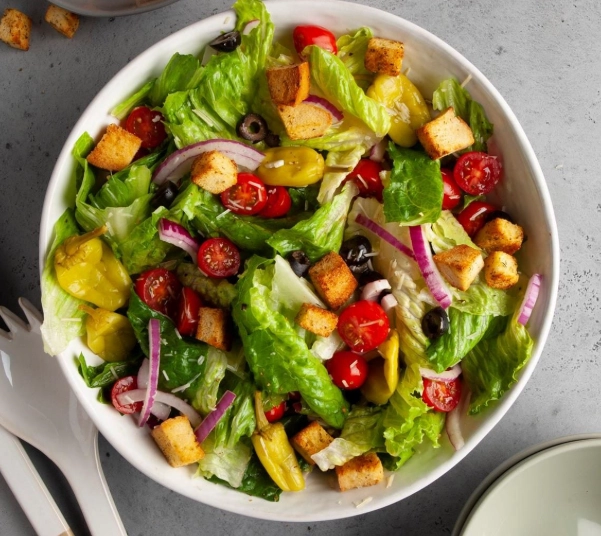
3 Common Mistakes That Ruin the Texture
I've eaten (and made) a lot of sad salads. These are the subtle errors that turn a vibrant side into a soggy mess.
Mistake 1: Dressing the salad early. I said it before, but it's the cardinal sin. Dressing is a last-minute affair. Period.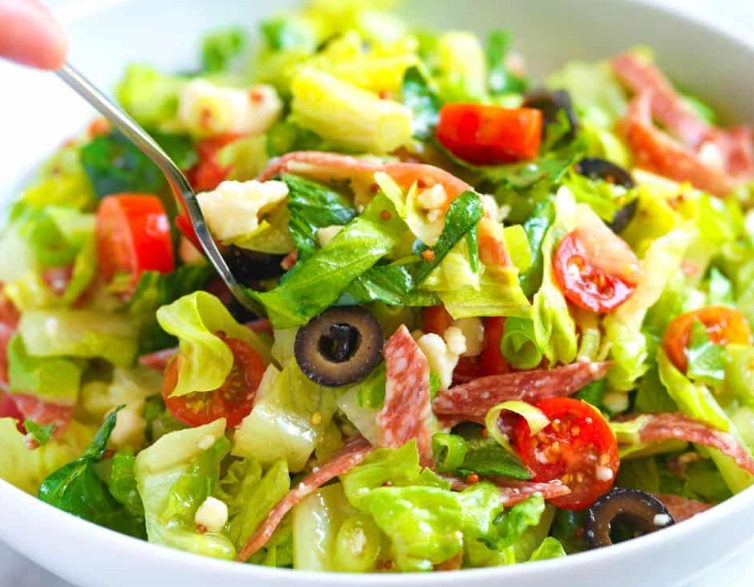
Mistake 2: Using wet greens. That residual water dilutes your carefully made vinaigrette, making it bland and causing the leaves to wilt almost instantly. Spin, spin, spin.
Mistake 3: Overcomplicating the dressing. Garlic powder, dried oregano, honey, mustard—these are common in American recipes but rare in a true Italian *insalata semplice*. They overpower the fresh ingredients. Start with just salt, oil, and acid. Master that balance first. You can add a tiny bit of Dijon mustard to help emulsify if you struggle, but it's not traditional.
My personal blunder? I used to add the cheese before tossing. The shavings would clump together and stick to the bowl. Adding them at the very end, just before the final toss, lets them distribute in beautiful, melty streaks.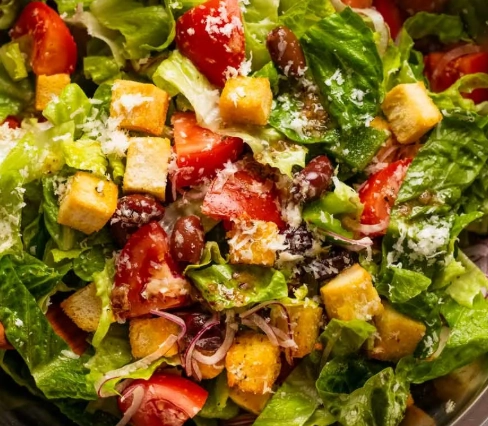
Your Italian Salad Questions, Answered
So there you have it. A simple Italian salad recipe isn't about a fancy ingredient list; it's a lesson in quality, timing, and respect for each component. It's the salad that doesn't try too hard because it doesn't need to. Get your lettuce dry, your vinaigrette emulsified, and your timing right. You'll have a side dish that might just upstage the main course.
Related Articles
Authentic Italian Dinner Recipes from Regional Cuisines
Best Italian Dessert Recipes: Classics & Regional Gems
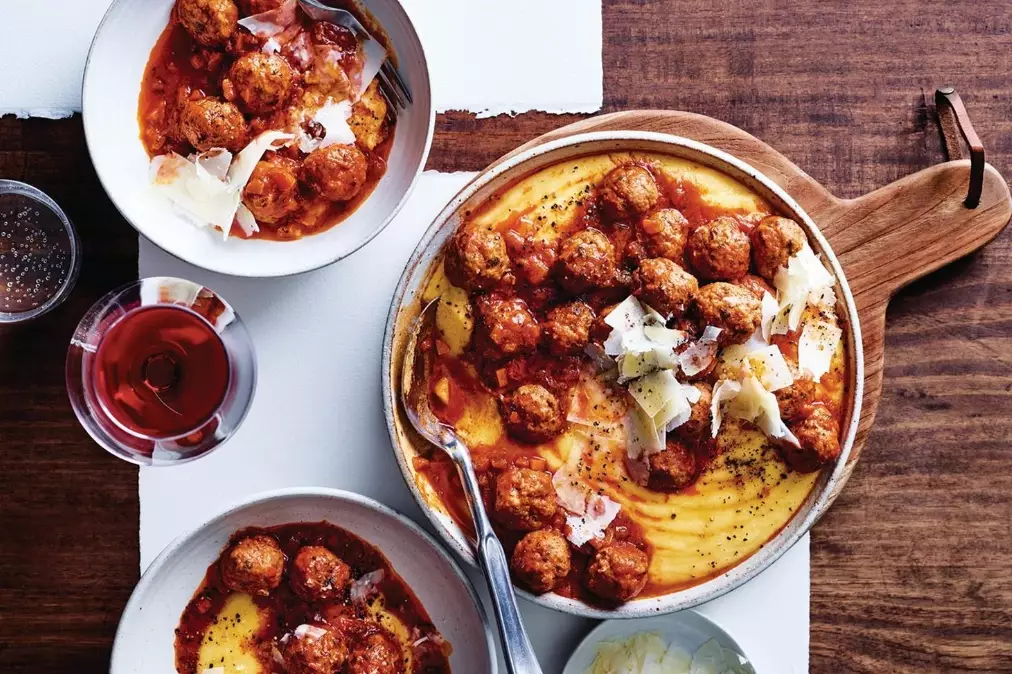
Authentic Italian Recipes: Secrets from a Roman Kitchen
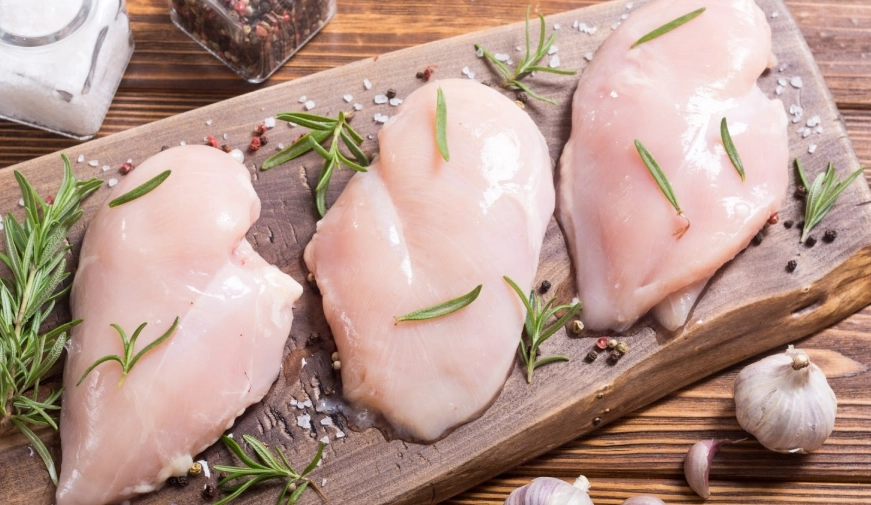
Easy Italian Chicken Breast Recipes: Simple, Flavorful Dinners in 30 Minutes
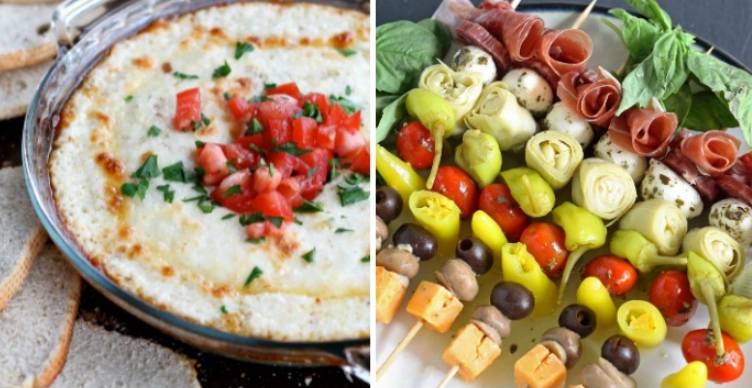
Easy Italian Appetizer Recipes for a Crowd: Make-Ahead & Crowd-Pleasing Ideas