What Goes into an Italian Salad? The Ultimate Guide to Authentic Ingredients & Recipes
Let's be honest. Most of us think we know what's in an Italian salad. A bowl of lettuce, some tomato, maybe a few olives, drowned in a vinaigrette. Right? Wrong. That's not an Italian salad. That's a sad, generic side dish.
What goes into a real Insalata Italiana is a different story. It's a philosophy. It's about celebrating a few pristine, seasonal ingredients rather than throwing the entire fridge into a bowl. The magic isn't in complexity; it's in the quality and harmony of simple components. I learned this the hard way after a decade of cooking and eating my way across Italy, from nonna's kitchens in Sicily to trattorias in Bologna.
This guide will strip away the misconceptions. We'll dive into the essential building blocks, explore regional twists you've probably never heard of, and I'll share the mistakes I see everyone making (and how to fix them). By the end, you'll be able to build an authentic Italian salad that stands on its own as a masterpiece, not an afterthought.
What You'll Learn in This Guide
The Soul of an Italian Salad (What It Really Is)
First, forget "salad" as you know it. In Italy, insalata is less of a recipe and more of a principle. According to the Accademia Italiana della Cucina (the Italian Academy of Cuisine), it's a dish where raw, fresh, seasonal vegetables are seasoned simply to enhance their natural flavor.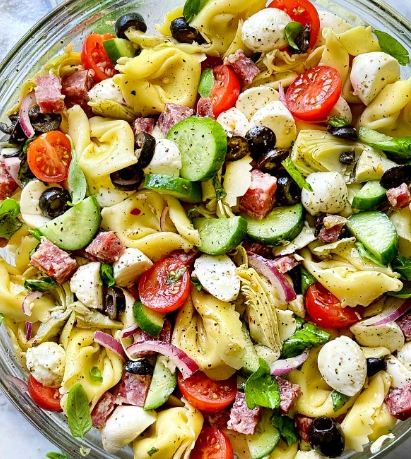
The goal is never to mask. It's to elevate.
This means the ingredients are the stars. You won't find sugary dressings, croutons from a bag, or shredded cheddar cheese. You will find the vibrant taste of a sun-ripened tomato, the peppery bite of arugula (rucola), and the fruity intensity of a great extra virgin olive oil.
It's a cornerstone of the Mediterranean diet, which studies from the Oldways Mediterranean Diet Foundation consistently link to longevity and health. But for Italians, it's not about dieting—it's about pleasure.
Essential Ingredients: The Non-Negotiables
Break down any authentic Italian salad, and you'll find these core components. Think of them as your checklist.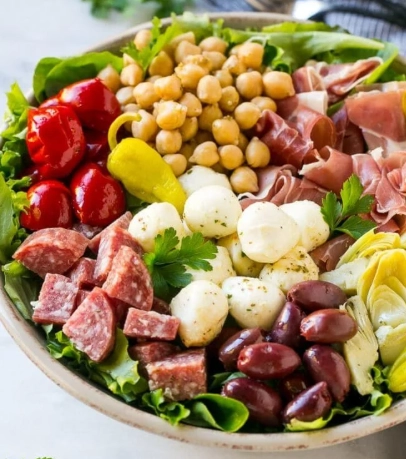
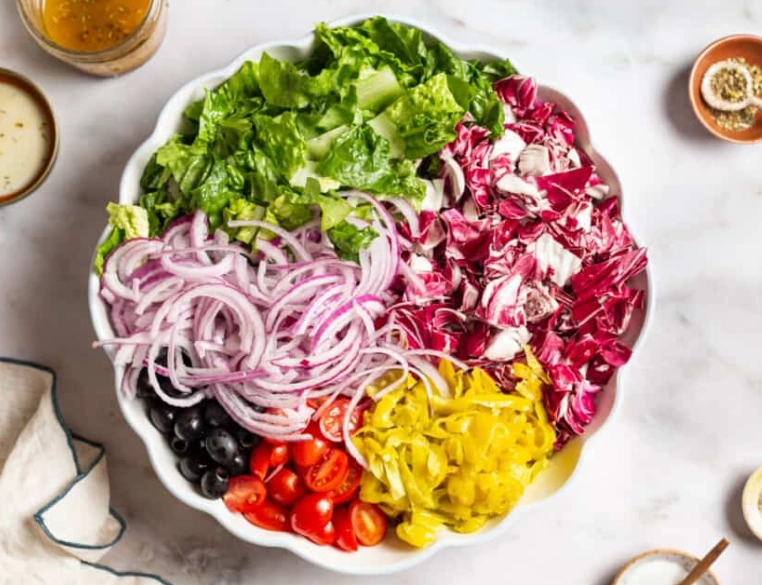
The Base (Il Fondamento): This isn't always lettuce. In fact, relying solely on iceberg or romaine is your first mistake. Common bases include:
- Rucola (Arugula/Rocket): Peppery, robust, and my personal favorite. It holds up to bold flavors.
- Radicchio: That beautiful purple leaf with a distinct, pleasantly bitter edge. It adds color and complexity.
- Insalata Mista (Mixed Greens): Often a tender mix of lattughino (little lettuce) and soncino (corn salad/mâche).
- Sometimes, no greens at all. Think of a Caprese (tomato, mozzarella, basil) or a Panzanella (bread salad).
The Vegetables (Le Verdure): Seasonal and raw is the rule. They're usually cut in a way that's easy to eat with a fork—not diced into oblivion.
- Tomatoes (Pomodori): The heart of many salads. Use ripe, flavorful varieties like Cuore di Bue (Oxheart) or Datterini. Never, ever refrigerate them.
- Bell Peppers (Peperoni): Often sliced into thin strips (julienne).
- Red Onion (Cipolla Rossa): Sliced paper-thin and sometimes soaked in water for 10 minutes to tame the bite.
- Cucumber (Cetriolo): Peeled and sliced.
- Carrots (Carote) & Fennel (Finocchio): Shaved thinly for a crisp, sweet crunch.
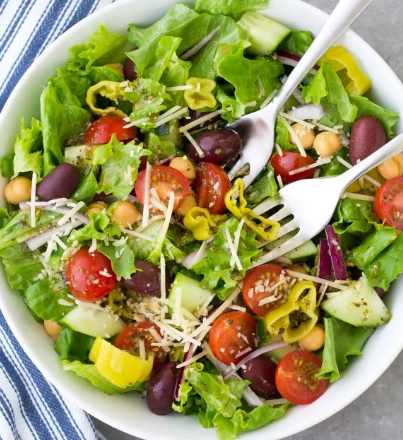
The Seasoning (Il Condimento): This is where most people go wrong. The dressing is not a separate entity you pour on. It's the act of seasoning the salad itself.
- Extra Virgin Olive Oil (Olio Extra Vergine di Oliva): This is non-negotiable. It must be high-quality, fruity, and fresh. It's the liquid gold that brings everything together. A brand like Monini or Colavita is a good, accessible start.
- Wine Vinegar or Lemon Juice (Aceto di Vino / Succo di Limone): Used sparingly. The acid should be a whisper, not a shout. A ratio of 3:1 oil to acid is a safe bet.
- Salt (Sale) & Pepper (Pepe): Coarse sea salt (sale grosso) and freshly cracked black pepper. The salt is crucial—it draws out the vegetables' natural juices to create a light emulsion with the oil.
The "Extra Mile" Ingredients (I Tocco Finale): These aren't in every salad, but they define specific classics.
- Cheese: Shaved Parmigiano-Reggiano, chunks of fresh mozzarella (fior di latte or bufala), or creamy burrata.
- Cured Meats: Thin slices of prosciutto crudo or salame, often draped over the top.
- Olives: Whole, high-quality olives like Taggiasca or Gaeta, never the bland, pitted black ones from a can.
- Herbs: Fresh basil, oregano, or parsley, torn by hand.
- Pantry Staples: Canned tuna in olive oil, boiled eggs, or canned beans (like cannellini).
| Salad Type | Key Ingredients | Region/Notes |
|---|---|---|
| Classic Insalata Mista | Mixed greens, tomatoes, carrots, fennel, red onion | Found everywhere; the everyday salad. |
| Insalata Caprese | Tomatoes, fresh mozzarella, basil, olive oil, salt | Campania (Naples). No lettuce. A celebration of the flag's colors. |
| Panzanella | Stale bread, tomatoes, cucumber, red onion, basil, vinegar | Tuscany. A brilliant "leftover" salad where the bread soaks up the juices. |
| Insalata di Rucola e Parmigiano | Arugula, shaved Parmigiano-Reggiano, lemon juice, oil | Northern Italy. Simple, sharp, and perfect before a rich pasta. |
| Insalata di Mare | Mixed seafood (octopus, shrimp, mussels), lemon, parsley, celery | Coastal regions. A "salad" of cooked, marinated seafood. |
How to Make a Classic Italian Salad: A Step-by-Step Recipe
Let's build a perfect Insalata Mista together. This isn't just a list; it's the method that makes the difference.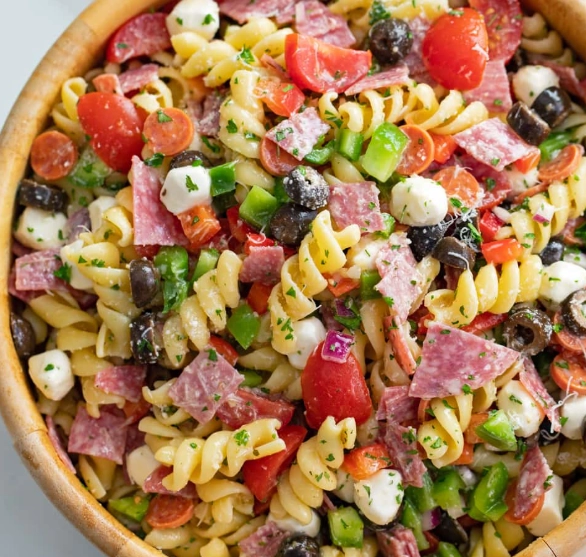
Ingredients for 4 People
- 1 head of tender lettuce (like butter lettuce) or 4 large handfuls of arugula
- 2 ripe medium tomatoes
- 1 small red onion
- 1 small carrot
- 1/2 a fennel bulb (optional, but great)
- High-quality extra virgin olive oil
- Red or white wine vinegar
- Coarse sea salt and freshly ground black pepper
The Critical Steps (Where Most Recipes Fail You)
1. Prep Your Veggies Right. Don't just chop. Tear the lettuce with your hands—it bruises less than a knife. Cut the tomatoes into wedges, not cubes, to preserve their juicy interior. Use a vegetable peeler to shave the carrot and fennel into long, elegant ribbons. Slice the red onion impossibly thin.
2. Season in Layers, Not at the End. This is the expert move. In your large, wide bowl, place the tomatoes and onions. Sprinkle them with a good pinch of salt first. Let them sit for 5 minutes. The salt will pull out their sweet juices.
3. Build and Toss with Care. Add the remaining vegetables (lettuce, carrot, fennel) to the bowl. Drizzle generously with olive oil—about 3-4 tablespoons. Toss gently with your hands or salad servers, lifting from the bottom. The oil should lightly coat every leaf.
4. The Final Acid Touch. Now, and only now, add a teaspoon or two of vinegar. Toss once more. Taste. Does it need more salt? A grind of pepper? Adjust. The juice from the tomatoes, the oil, and the tiny bit of vinegar will have created a beautiful, light dressing that clings to the vegetables.
5. Serve Immediately. An Italian salad waits for no one. It goes from bowl to table in seconds.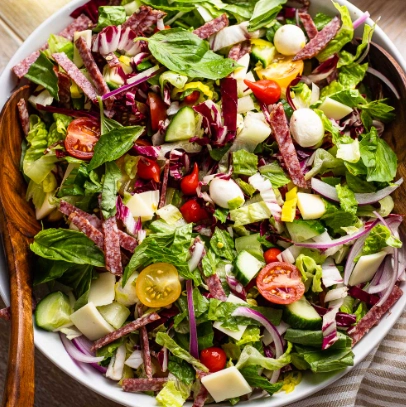
Regional Variations: Beyond the Basic Salad
Italy's regions are like different countries, and their salads reflect that. Here are a few you should try to make at home.
Insalata Siciliana (Sicily): Oranges are a staple here. Think slices of blood orange, shaved fennel, black olives, and red onion. It's sweet, savory, bitter, and crunchy all at once. Drizzle with olive oil and a tiny bit of orange juice.
Insalata di Finocchio e Arancia (Tuscany/Countrywide): Another orange-based salad, focusing on the anise flavor of fennel. It's a classic winter salad that's incredibly refreshing.
Panzenella (Tuscany): I mentioned it, but it deserves its own spotlight. Use day-old, dense Tuscan bread (without salt), soak it in water, squeeze it dry, and crumble it into chunks. Mix with ripe tomatoes, cucumber, red onion, basil, and a punchier vinegar dressing. The bread becomes soft and flavorful, not soggy.
Insalata di Rinforzo (Naples): A Christmas staple. It's a robust salad of cauliflower, pickled vegetables (giardiniera), olives, and capers, all marinated together. It "reinforces" (rinforza) itself over days as flavors meld.
Common Mistakes to Avoid (From an Italian Nonna)
I've eaten hundreds of "Italian" salads outside Italy that made me cringe. Here’s what they get wrong, so you don't have to.
Mistake 1: Using the Wrong Lettuce (or Too Much of It). A bowl of 90% watery, flavorless lettuce is a crime. Lettuce should be a backdrop, not the main event. If you use it, choose a tender, sweet variety and mix it with more flavorful greens like arugula or radicchio.
Mistake 2: Drowning in Dressing. The salad should be seasoned, not swimming. The dressing should barely pool at the bottom of the bowl. If you have a quarter-inch of liquid left, you've used way too much.
Mistake 3: Adding Acid Too Early or Too Much. Vinegar or lemon will wilt delicate greens in seconds. Always add the oil first to coat and protect the leaves, then add the acid last, just before serving.
Mistake 4: Not Salting Properly. Table salt sprinkled on top at the end? That's a miss. Use flaky sea salt. Season the juicier components (tomatoes, onions) first to build the base of your "sauce."
Mistake 5: Using Low-Quality Oil and Vinegar. That bland, mass-market olive oil and harsh, acidic vinegar will ruin everything. Invest in one good bottle of each. It changes the entire game.
Mistake 6: Overcomplicating It. You don't need 15 ingredients. A perfect Italian salad can have just three: perfect tomatoes, fresh basil, and mozzarella. Or just arugula, lemon, and Parmigiano. Let a few great things shine.
FAQs About Italian Salad
Related Articles
Authentic Italian Recipes: Secrets from a Roman Kitchen
What’s in Italian Seasoning? A Complete Guide to Herbs and Spices
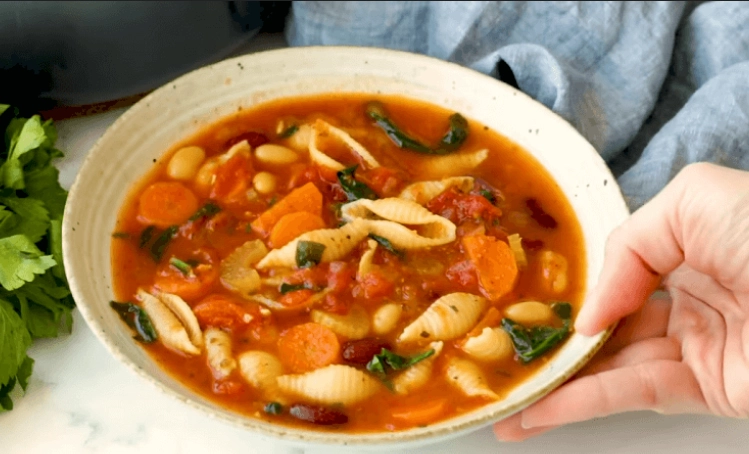
Authentic Italian Minestrone Soup Recipe: A Hearty Classic
The Best Meatball Recipe: Juicy, Tender & Full of Flavor
Top 10 Traditional Italian Desserts You Must Try