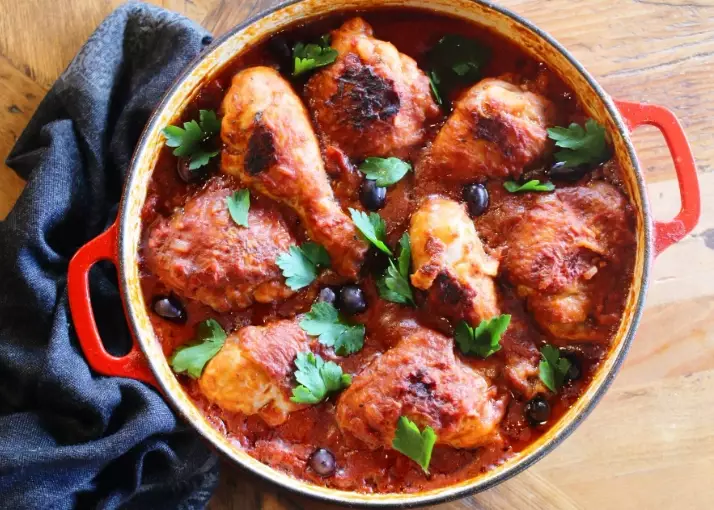
Ultimate Chicago Italian Beef Recipe: Expert Tips for Perfection
Let's be honest. Most "best Italian beef recipe" guides online give you the basics—some beef, broth, spices—and call it a day. The result? A decent pot roast that's miles away from the juicy, garlicky, falling-apart masterpiece you get at a legendary Chicago joint like Al's or Portillo's. I've spent years (and made more than a few disappointing batches) figuring out the gap between good and legendary. It's not one big secret; it's a handful of small, critical steps most recipes gloss over. This guide is about closing that gap for good.
What You'll Learn in This Guide
What Exactly is Chicago Italian Beef?
First, let's clear something up. This isn't just roast beef. According to the Chicago Foodseum, the Italian beef sandwich was born in the 1930s during the Great Depression, created by Italian immigrants looking to stretch a tough, inexpensive cut of meat to feed a crowd. The genius was in the double cooking: first, roasting the beef with a bold dry rub, then slicing it thin and simmering it in its own seasoned juices (the "au jus"). This transforms a potentially tough cut into something incredibly tender and flavorful. The sandwich is then served on a long, crusty Italian roll, often "dipped" or even "soaked" in that jus, and topped with either sweet peppers or the essential, crunchy-spicy giardiniera (pickled vegetable relish).
How to Make the Best Italian Beef at Home: The Step-by-Step Guide
Forget the slow cooker dump method. That's where flavor goes to die. We're building layers. Here’s the breakdown, with the pitfalls nobody talks about.
The Core Ingredients & The One Mistake Everyone Makes
The Beef: You want a 4-5 pound beef bottom round or top round roast. Chuck roast is too fatty and will shred, not slice. Bottom round has the perfect balance of lean meat and connective tissue that melts into tenderness. This is non-negotiable.
The Rub: This is your flavor foundation. Combine 2 tbsp dried oregano, 2 tbsp garlic powder (not salt!), 1 tbsp onion powder, 1 tbsp dried basil, 2 tsp black pepper, 1 tsp crushed red pepper flakes, and 2 tsp salt. Pat the roast completely dry—this is crucial for the rub to stick and for proper browning.
The Liquid: 4 cups of low-sodium beef broth. Using full-sodium broth will make your final jus inedibly salty after reduction.
The Process: Where Magic Happens
1. Sear with Purpose. Heat a heavy Dutch oven with 2 tbsp of oil over medium-high heat. Sear the roast on all sides until you have a deep, dark brown crust. This isn't just for looks; it's the Maillard reaction creating complex, savory flavors that will infuse the entire jus. Don't rush this. It should take a good 10-12 minutes.
2. Deglaze Immediately. Once the beef is out, pour in 1 cup of your beef broth. Use a wooden spoon to scrape up every last browned bit (the "fond") from the bottom of the pot. This is pure flavor gold. Let it simmer for a minute.
3. The Low & Slow Roast. Place the seared roast back in the pot. Add the remaining broth—it should come about halfway up the side of the meat. Cover tightly and place in a preheated 300°F (150°C) oven. Roast for about 3 to 3.5 hours, or until a fork twists easily in the meat. The internal temperature should be around 200-205°F (93-96°C) for shreddable tenderness.
4. The Critical Rest & Slice. Take the roast out and let it rest on a cutting board for at least 30 minutes. Do not skip this. If you slice it hot, all the juices will run out, leaving you with dry beef. Once rested, slice it as thin as you possibly can against the grain. A sharp slicing knife or even an electric knife is your best friend here.
The Art of the Perfect Au Jus
This is the soul of the sandwich. Don't just use the cooking liquid as-is. While the beef rests, skim any excess fat from the liquid in the pot. Then, bring it to a simmer on the stove. Let it reduce by about one-third. This concentrates the flavors dramatically. Taste it. It should be intensely beefy, garlicky, and peppery. Now, here's my non-consensus trick: add a splash of red wine vinegar (about a tablespoon) to the simmering jus. It doesn't make it taste like vinegar; it brightens the entire flavor profile and cuts through the richness, mimicking the tang you get from a great giardiniera brine. It's a game-changer.
Choosing Your Bread: More Than Just a Vessel
The wrong bread turns your masterpiece into a soggy mess. You need a long, sturdy Italian roll with a crisp, substantial crust and a soft, airy interior. A French baguette is too hard. A soft hoagie roll will disintegrate. Look for a "Turano" or "Scala" style bread if you can find it. The crust acts as a brief barrier against the jus, giving you that perfect textural contrast of a soaked interior and a slightly crisp exterior.
The Giardiniera Debate: Hot vs. Sweet
This is Chicago's great divide. Giardiniera is a pickled mix of cauliflower, carrots, celery, and serrano peppers in oil. The hot version is the classic, adding a vinegary crunch and serious heat. Sweet peppers are milder, simply sautéed bell peppers. Purists insist on hot giardiniera. My take? Try both. The giardiniera is non-negotiable for an authentic experience. You can find excellent brands like JP Graziano or Scala online if your local store doesn't carry it.
Where to Find the Best Italian Beef in Chicago (If You're Not Cooking)
To truly understand the goal, you need a benchmark. Here are three iconic spots, each with a slightly different style.
| Restaurant & Location | Signature Style & Tip | What Makes It Stand Out | Price Range (Sandwich) |
|---|---|---|---|
| Al's #1 Italian Beef 1079 W Taylor St, Chicago |
The original claim. Get it "dipped" (the whole sandwich briefly dunked in jus) and "hot" (with giardiniera). | Intensely garlicky jus and incredibly thin-sliced beef. The texture is unmatched. | $9 - $12 |
| Portillo's Multiple locations |
The polished, consistent chain. Order a "beef and sausage combo" for the ultimate indulgence. | Sweet pepper option is famously good. The atmosphere is pure, nostalgic Chicago. | $8 - $11 |
| Johnnie's Beef 7500 W North Ave, Elmwood Park |
A pilgrimage spot. Order it "sweet and dry" or "hot and wet"—they move fast, know your order. | Peppery, spicy kick in both the beef and jus. The giardiniera is fiercely hot. Cash only. | $8 - $10 |
Visiting these spots shows you the variations: Al's for garlic, Johnnie's for pepper heat, Portillo's for accessibility. Your homemade version should sit confidently in this company.
Your Italian Beef Questions, Answered
My Italian beef always turns out dry and tough. What am I doing wrong?
You're likely undercooking it or slicing it wrong. Tough beef means the connective tissue hasn't broken down. You need to cook it to an internal temperature of 200-205°F (93-96°C), not the 145°F for medium-rare steak. Also, slicing it thick or with the grain (instead of against it) will make it seem chewy no matter how long it cooked.
Can I make Italian beef in a slow cooker or Instant Pot?
You can, but you'll sacrifice depth of flavor. The slow cooker won't give you a proper sear or reduction. The Instant Pot is faster but can make the texture a bit mushy. If you must use one, sear the meat in a pan first, deglaze it, and add that liquid to the cooker. And always reduce the cooking liquid on the stove afterward to concentrate it.
How do I store and reheat leftovers without ruining them?
Store the sliced beef and jus separately in airtight containers in the fridge for up to 4 days. To reheat, don't microwave the beef alone—it'll turn to rubber. Gently simmer the beef in the jus until warmed through. The jus is your best friend for preserving moisture.
Is there a way to make a smaller batch with a cheaper cut?
Not really. The recipe's economics rely on a larger, tougher cut that becomes tender through long cooking. Making a tiny batch with a tender cut like sirloin is expensive and won't give you the right texture or enough flavorful drippings for a proper jus. This is a weekend project meant for leftovers and sharing.
So there you have it. The best Italian beef recipe isn't just a list of ingredients. It's understanding the history, respecting the process—the sear, the slow roast, the rest, the slice, the reduction—and knowing why each step matters. It's about aiming for that specific Chicago balance of tender beef, crusty bread, spicy giardiniera, and that glorious, garlicky jus that runs down your arms. It's a commitment, but the payoff is a sandwich that doesn't just feed you; it makes you a believer.
Related Articles
Authentic Italian Dessert Recipes: Easy Tiramisu, Cannoli & More
Ultimate Guide to Classic Italian Dessert Recipes from Tiramisu to Cannoli
The Real Secret to Good Bruschetta: A Chef's Guide to Perfect Toasts
Authentic Pasta Carbonara Recipe: The Real Italian Way
How to Cook Chicken Breasts So They Are Very Tender: A Foolproof Guide