Italian Chicken Seasonings: The Ultimate Herb & Spice Guide
Figuring out what seasonings to use for Italian chicken is less about a single magic powder and more about understanding a flavor philosophy. It's the difference between a bland, dry breast and a juicy, aromatic masterpiece that smells like a sun-drenched hillside in Tuscany. Forget those generic "Italian seasoning" blends that taste mostly of salt and dried oregano dust. We're going deeper.
Authentic Italian chicken seasoning relies on a core set of fresh and dried herbs, a few key spices, and, most importantly, how and when you apply them. I've ruined more than a few chickens by adding delicate herbs too early or drowning good meat in cheap, stale spice mixes. Let's get it right.
Your Flavor Roadmap
- The Heart of Italian Flavor: Essential Herbs and Spices
- Building Your Seasoning Arsenal: From Simple to Complex
- How to Season Italian Chicken: Techniques That Actually Work
- The One Mistake Everyone Makes with Dried Herbs
- Beyond the Basics: Regional Twists and Modern Ideas
- Your Italian Chicken Seasoning Questions, Answered
The Heart of Italian Flavor: Essential Herbs and Spices
Think of this as your non-negotiable pantry list. These are the workhorses.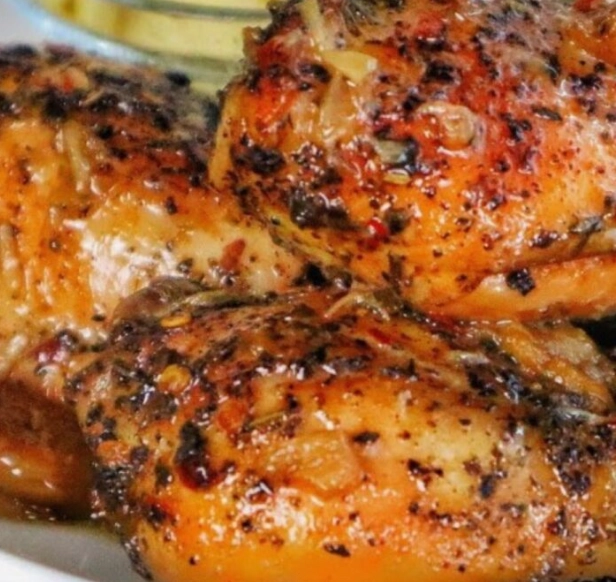
The Holy Trinity of Italian Herbs
Rosemary: Woody, piney, and powerful. It's best with dark meat (thighs, legs) and longer cooking methods like roasting or braising. A little goes a long way. Fresh sprigs tucked under the skin of a whole chicken are transformative.
Oregano: The quintessential Italian herb. Dried oregano is actually more traditional and potent than fresh in many cooked dishes, especially from Southern Italy. It brings a slightly bitter, earthy punch that stands up to tomatoes and heat.
Thyme: Subtle, floral, and versatile. Its tiny leaves pack a lot of flavor. Lemon thyme is a fantastic variant for chicken. It works beautifully both fresh and dried.
Basil and parsley are crucial too, but they're delicate. Treat them as finishing herbs—stirred into a sauce at the last minute or sprinkled on top after cooking. Adding them at the start is a surefire way to kill their bright flavor.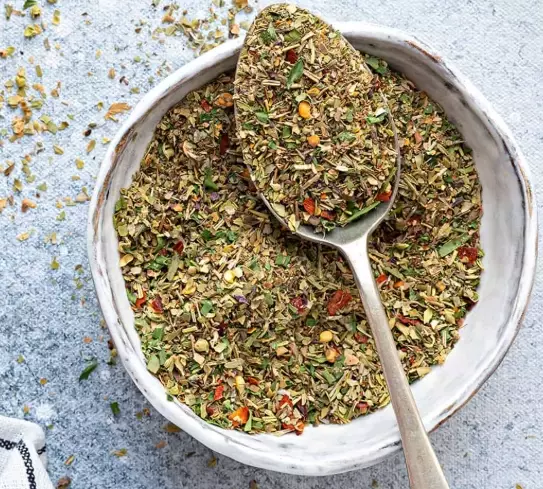
Supporting Spices & Aromatics
Herbs get the spotlight, but these players build depth:
- Garlic: Fresh minced, granulated, or powder. It's the foundation. For a smoother flavor, use sliced cloves instead of minced—they caramelize beautifully without burning.
- Onion Powder: Provides a sweet, savory base note without the texture of fresh onion. Essential in dry rubs.
- Red Pepper Flakes (Peperoncino): Not just for heat. A small pinch adds a fruity, smoky warmth that's distinctly Italian. It's a staple in dishes from Calabria and Sicily.
- Fennel Seeds: Often overlooked. Toasted and lightly crushed, they add a sweet, licorice-like aroma that's incredible with roasted or grilled chicken, particularly in recipes from Tuscany and Umbria.
- Black Pepper: Always freshly cracked. Pre-ground pepper loses its volatile oils and tastes flat.
Building Your Seasoning Arsenal: From Simple to Complex
Now, let's combine them. Here are three foundational approaches, from a quick weeknight fix to a weekend project.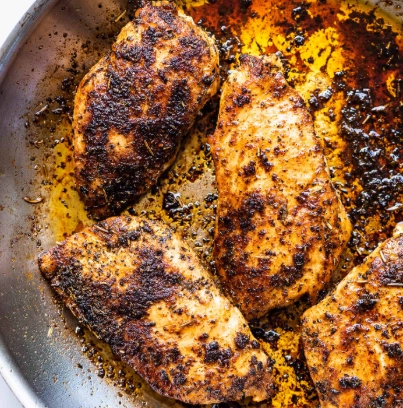
| Seasoning Style | Best For | Core Ingredients (per 4 chicken breasts) | Method & Notes |
|---|---|---|---|
| The Classic Dry Herb Rub | Quick pan-searing, baking, grilling | 2 tsp dried oregano, 1 tsp dried thyme, 1 tsp garlic powder, 1 tsp onion powder, 1/2 tsp salt, 1/4 tsp red pepper flakes, 1 tbsp olive oil | Mix all dry ingredients. Pat chicken dry, coat with oil, then massage rub all over. Let sit for 15+ minutes. The oil helps the spices adhere and prevents burning. |
| The Fresh Herb & Lemon Marinade | Grilling, roasting whole chicken | 1/4 cup fresh chopped rosemary & thyme, 3 cloves minced garlic, zest & juice of 1 lemon, 1/3 cup olive oil, 1 tsp salt | Whisk everything. Submerge chicken in a bag or dish for 2-4 hours (max 8 for breasts, 24 for thighs). Acid (lemon) tenderizes but too long makes meat mushy. |
| The "Sunday Gravy" Inspired Braise | Chicken cacciatore, braised thighs | 1 tbsp each fresh rosemary & oregano (or 1 tsp dried), 1/2 cup diced onion, 3 cloves garlic, 1/2 cup white wine, 2 cups canned tomatoes, 1 bay leaf | Brown chicken first. Remove, sauté onion/garlic/herbs in the same pot. Deglaze with wine, add tomatoes. Return chicken, simmer covered 40 mins. Herbs meld into the sauce. |
See the pattern? Dry applications are direct and potent. Wet marinades infuse and tenderize. Cooking in sauce allows flavors to merge and mellow.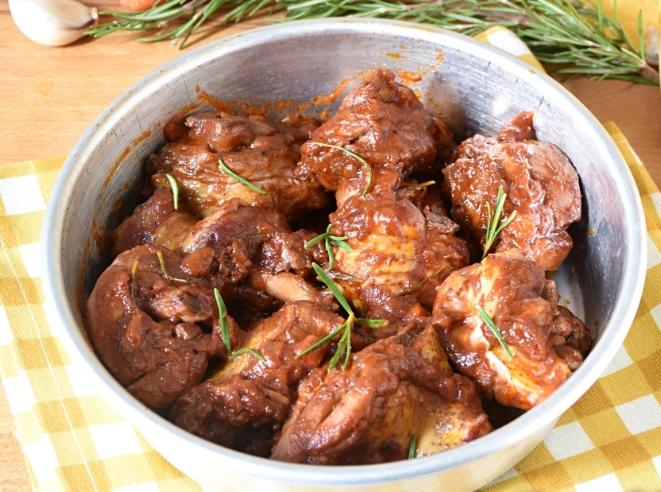
How to Season Italian Chicken: Techniques That Actually Work
Knowing the ingredients is half the battle. The other half is technique. I learned this the hard way after years of unevenly seasoned food.
Salt First, and Salt Liberally. Salt is not a seasoning in this context; it's a flavor enhancer. Season your chicken with kosher salt at least 40 minutes before cooking, if possible. This allows the salt to penetrate, seasoning the meat from within and helping it retain juices. A common home cook error is undersalting for fear of health or over-saltiness, resulting in bland chicken.
The Oil Bridge. Never apply a dry herb rub directly to dry chicken. Always coat the meat lightly with olive oil first. The oil creates a sticky surface for the herbs to cling to, helps conduct heat evenly, and protects delicate herbs from scorching on a hot grill or pan.
Layer Your Aromatics. For sauced dishes like chicken piccata or marsala, build flavor in the pan. After removing the chicken, sauté your minced garlic (and shallots/onions) in the remaining fat and fond. Let them soften but not brown before adding liquid. This "sweating" process creates a deeper, more integrated flavor base than just tossing raw garlic into a sauce.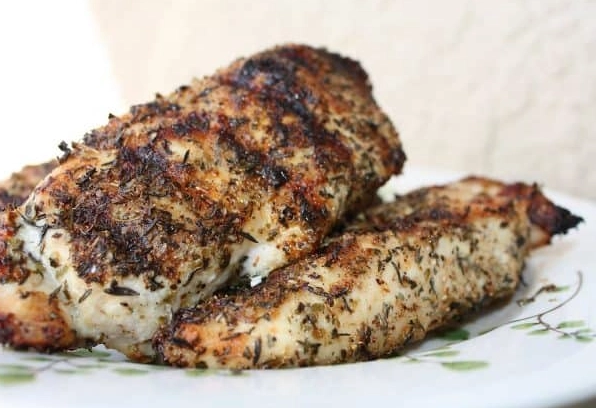
One more thing.
Pat your chicken dry with paper towels before doing anything. A wet surface prevents browning (the Maillard reaction), and browning equals flavor. No amount of fancy seasoning can compensate for steamed, pale chicken.
The One Mistake Everyone Makes with Dried Herbs
Here's a non-consensus opinion from someone who's gone through bags of the stuff: most people use dried herbs at the wrong time.
The rule "dried herbs for cooking, fresh for garnish" is too simplistic and often wrong for Italian chicken. Delicate dried herbs like basil, tarragon, and even parsley lose all flavor and turn bitter if simmered in a sauce for more than 10-15 minutes. They've already had their moisture removed; prolonged heat just burns off their remaining volatile oils.
Also, check your dried herbs' age. That jar in the back of your cupboard from two years ago? It's probably flavorless dust. Dried herbs are best within 6-12 months. Give them a sniff. If they don't smell like anything, they won't taste like anything.
Beyond the Basics: Regional Twists and Modern Ideas
Italy's regions have their own signatures. Borrowing these ideas can elevate your chicken from generic to geographically inspired.
Tuscan Style: Abundant fresh rosemary, sage, and garlic. Often paired with white beans and olive oil. Try a paste of minced rosemary, sage, garlic, salt, and olive oil rubbed under the skin of a whole chicken before roasting.
Sicilian Style: Bright, bold, and often sweet-sour. Think oregano, capers, green olives, raisins, and a touch of cinnamon or saffron in stews. A pinch of cinnamon in a tomato-based braise is a game-changer—it adds warmth without tasting "dessert-like."
Ligurian Style: The home of pesto. While classic pesto is for pasta, a looser, oil-based sauce of blended basil, pine nuts, Parmigiano, and garlic makes an incredible marinade or finishing sauce for grilled chicken breasts.
Modern Fusion Twist: An "Italian Gremolata" crust. Mix finely chopped fresh parsley, lemon zest, garlic, and a tablespoon of toasted breadcrumbs with a drizzle of oil. Press this onto chicken cutlets after they're almost cooked through, then finish under the broiler for a crispy, fragrant topping.
The goal isn't rigid authenticity—it's deliciousness inspired by a place.
Your Italian Chicken Seasoning Questions, Answered
Related Articles
Authentic Italian Vegetarian Recipes: Classics Made Simple & Delicious
Easy Italian Appetizers: Simple Recipes & Party Platters
Italian Sausage Soup: Authentic Recipes & Pro Tips
Authentic Carbonara Recipe: How is Carbonara Originally Made?

Sudden bad news! A-shares plunged, Hong Kong stocks fell more than 2%, and there