The Chicago Way Italian Beef: Wet, Hot & Dipped Explained
You're standing at the counter of a classic Chicago beef joint. The menu is simple, but the terminology isn't. "Wet"? "Hot"? "Dipped"? If you just ask for an Italian beef, you're missing the whole point—and likely getting a dry, bland sandwich. The "Chicago way" isn't just a style; it's a set of specific, non-negotiable instructions that transform good beef into a legendary, soggy, glorious mess. It's the difference between being a tourist and eating like you've lived here for decades. Let's cut through the confusion. The Chicago way, in its purest, most common form, means ordering your Italian beef sandwich wet with hot giardiniera and, often, dipped. But each of those words carries weight and history. Here’s exactly what that means, why it matters, and where you need to go to experience the real deal.
Your Quick Guide to the Chicago Way
Decoding the Lingo: What "Wet," "Hot," and "Dipped" Really Mean
This is the core of the Chicago way. Getting these terms wrong is the most common mistake visitors make. They aren't just preferences; they're engineering specifications for the perfect bite.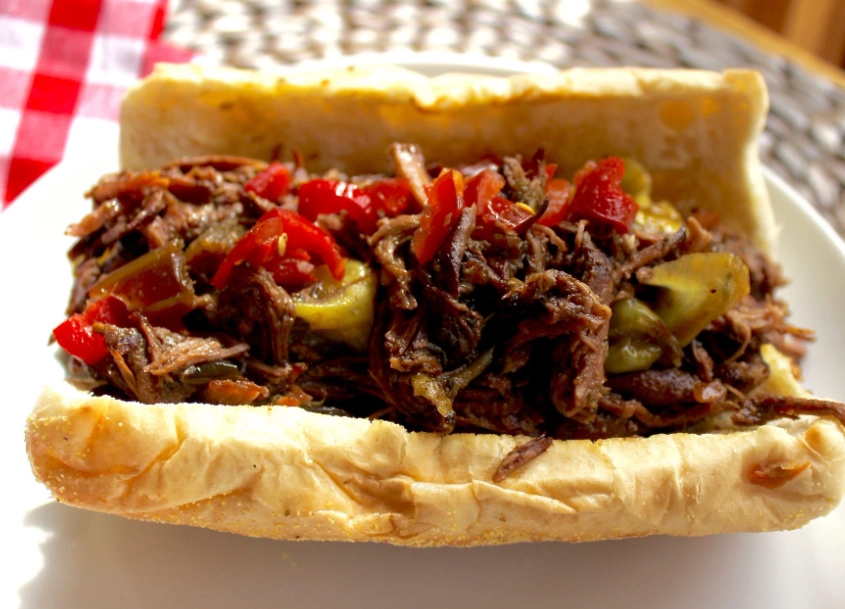
"Wet" – The Essential Juice Bath
"Wet" means the cook takes the sliced, seasoned roast beef and dunks it back into the savory, spiced beef jus it was cooked in before piling it onto the bread. This isn't a light drizzle. It's a thorough soaking that makes the beef incredibly tender and infuses every strand with that rich, garlicky, peppery flavor. A dry Italian beef is a sad, chewy affair. A wet one is succulent and falls apart. Always start with wet. It's the foundation.
"Hot" – It's Not About Temperature
When you say "hot," you're not asking them to heat it up more. You're ordering it with hot giardiniera. This is a critical distinction. Giardiniera is a Chicago-born Italian-American pickle relish, but the "hot" version is what you want. It's a mix of spicy serrano or sport peppers, celery, carrots, cauliflower, and olives, all marinated in oil and chili flakes. The "mild" version is just the vegetables without the heat. The hot giardiniera provides a sharp, vinegary crunch and a building, savory heat that cuts through the richness of the beef and jus. It's non-negotiable for the true experience.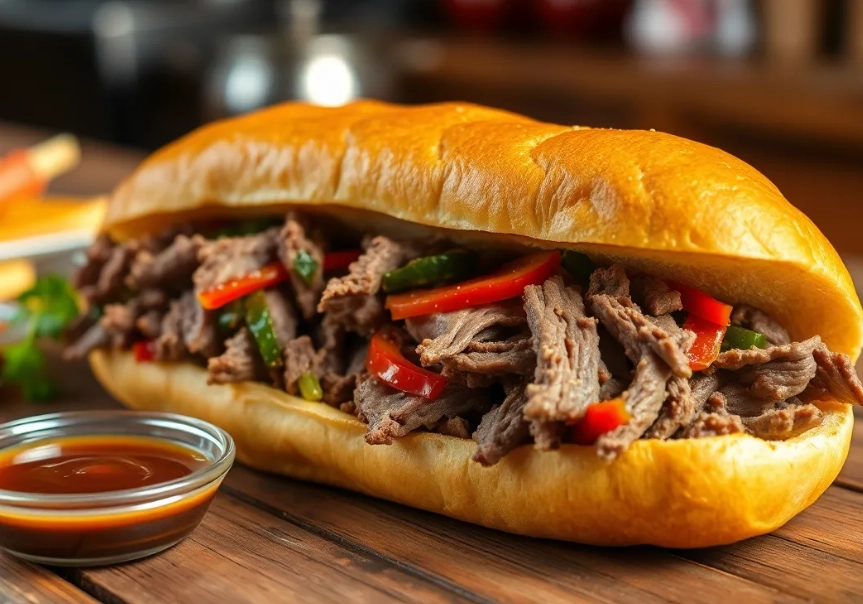
The Expert's Micro-Tip: Ordering "Sweet"
Here's a nuance most guides miss. Some old-school spots, especially on the city's North Side, offer a "sweet" option alongside "hot." This refers to sweet peppers—sautéed green bell peppers. If you're not into spicy food, "sweet" is your alternative to hot giardiniera. But the purist's move? Go for a "combo" (both sweet peppers and hot giardiniera). The sweet peppers mellow the heat just enough and add another layer of flavor. At Johnnie's Beef in Elmwood Park, asking for a combo is practically the local default.
"Dipped" – The Final, Soggy Frontier
This is the ultimate commitment. If "wet" is a soak for the beef, "dipped" is a full baptism for the entire assembled sandwich. After they build your wet beef with hot giardiniera on the roll, they take the whole thing—bread, beef, peppers, everything—and quickly submerge one half of the sandwich back into the jus vat. The result? The bread's exterior gets a crispy-wet shell, and the interior becomes a flavor sponge. It's messier, richer, and for many, the pinnacle. A warning: the structural integrity of the bread is compromised. You have about 8 minutes to eat it before it becomes a fork-and-knife situation. But it's worth it.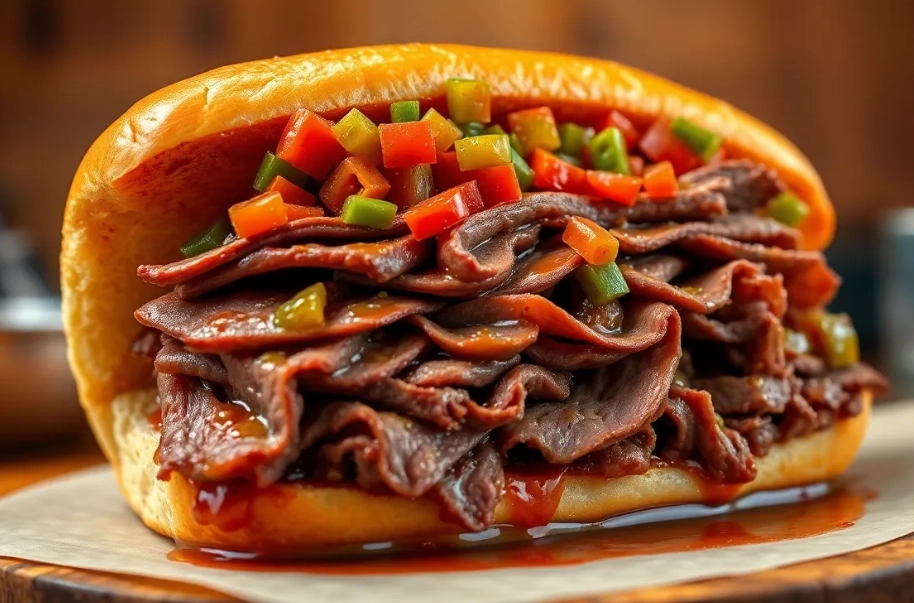
Where to Eat: The Top 3 Chicago Beef Shrines You Must Visit
You can't just get this anywhere. The bread matters (it must be a sturdy, airy Italian-style roll that can hold up to juice without dissolving instantly). The jus matters (it should be deep brown and intensely flavored, not just salty water). These three places are institutions for a reason. They've perfected the ecosystem.
| Restaurant & Location | The Chicago Way Vibe & Must-Order | Price & Hours (Check before you go) |
|---|---|---|
| Al's Beef #1 (Original) 1079 W Taylor St, Chicago, IL 60607 (Little Italy) |
The original claimaint, founded in 1938. Tight, no-frills counter service. The jus is famously potent and peppery. Their Italian sausage is also top-tier. Order: A large beef, wet, hot, and dipped. Add an Italian sausage link to make it a "combo sandwich" if you're hungry. | Beef Sandwich: ~$9.50 (small) - $11.50 (large). Hours: Typically Sun-Thu 11a-1a, Fri-Sat 11a-3a. Cash only at the original location. |
| Portillo's Multiple locations, including 100 W Ontario St, Chicago, IL 60654 (River North) |
The polished, consistent chain born in Chicago. It's the most visitor-friendly option—big, clean, with a classic Chicago menu (hot dogs, cake shakes). The beef is excellent and reliable. Order: A beef sandwich, wet with hot peppers. Get a chocolate cake shake for the full experience. | Beef Sandwich: ~$7.29 (regular) - $8.99 (large). Hours: Vary by location. River North is often 10:30a-11p. Cards accepted. |
| Johnnie's Beef 7500 W North Ave, Elmwood Park, IL 60707 (Just west of the city) |
The pilgrimage site. Many locals argue this is the best. Tiny, chaotic, with a fiercely loyal following. The beef is leaner, the bread is perfect, and the hot giardiniera has a cult status. Order: A beef, hot, wet, and dipped. Get it with a lemon Italian ice. Personal note: This is my personal favorite. The balance is unbeatable, though the line can be long. | Beef Sandwich: ~$8.75. Hours: Mon-Sat 11a-12a, Sun 12p-12a. Often cash-only. |
Don't get hung up on which is "the best." That's a lifelong Chicago argument. Try all three. You'll notice Al's has a more peppery, intense jus. Portillo's is smoother and more uniform. Johnnie's has a sharper, more vinegary giardiniera and a better bread-to-juice ratio. They're all champions.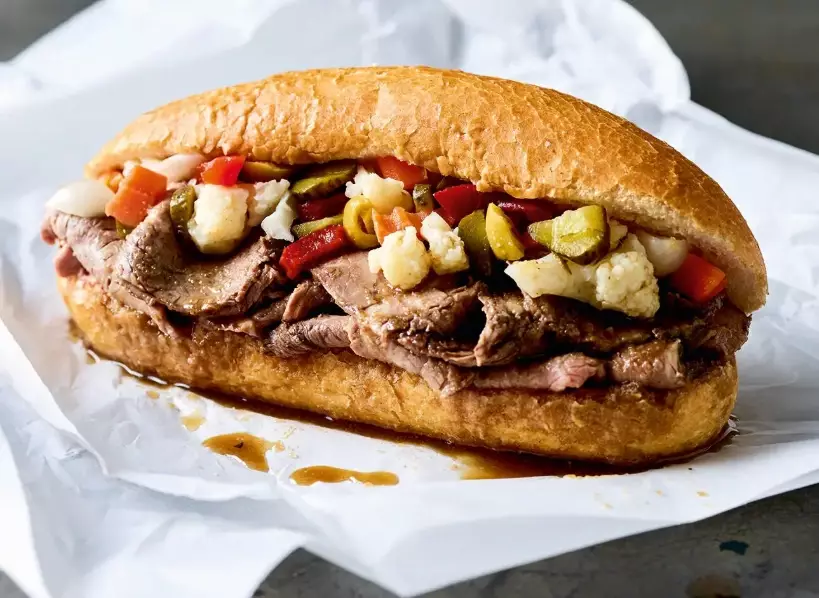
The Chicago Way: A Point-by-Point Ordering Guide
Let's simulate the moment. You're at the counter. Here’s the script, broken down so you don't freeze.
Step 1: Size. They'll ask, "Small or large?" A large has almost double the meat. Get a large if it's your meal. A small is a snack.
Step 2: The Beef. You say, "I'll have a large beef, please."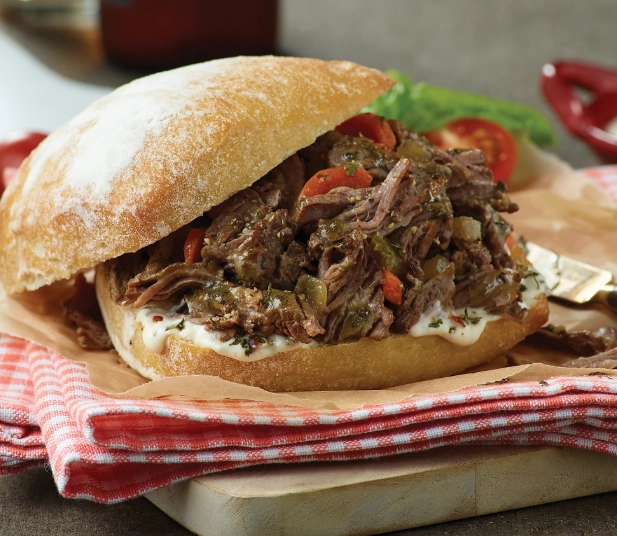
Step 3: The Wet. They'll immediately ask, "Wet?" You say, "Yes, wet." This is the first critical choice.
Step 4: The Pepper. Next, they ask, "Sweet or hot?" This is your giardiniera choice. You say, "Hot." (Or "combo" if they offer it and you want both).
Step 5: The Dip (Optional but recommended). Before they turn to make it, you add: "...and can you dip it?" They'll nod. That's it.
Your full, confident order: "Large beef, wet, hot, and dipped, please." You'll sound like you've been doing this since the '70s.
What about cheese? Provolone is an option, but it's a point of contention. Purists say the cheese mutes the sharp flavors of the beef and giardiniera. It adds a creamy richness, but it's not part of the traditional "Chicago way" canon. Try it once without first.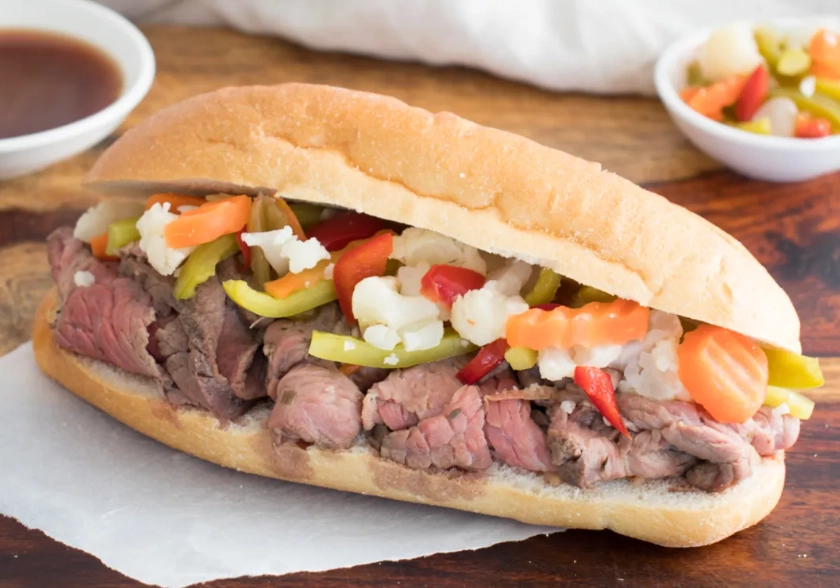
Your Italian Beef Questions, Answered
So, there you have it. The Chicago way isn't a mystery. It's a formula: wet beef + hot giardiniera + optional brave dip. It's a sandwich that demands participation and accepts a little mess in return for massive flavor. Now you know the language. Walk into that beef joint, order with confidence, and taste exactly what makes this simple sandwich a Chicago obsession.
Related Articles
Best Italian Sausage Recipe: Authentic Homemade & Grilling Tips
Authentic Italian Carbonara Recipe: The Only Guide You'll Ever Need
Authentic Italian Holiday Dinner Recipes for a Festive Feast
Italian Sauce Recipe: Secrets from a Nonna's Kitchen
Authentic Italian Bruschetta Recipe: The Only Guide You'll Ever Need