Italian Penicillin Soup: The Ultimate Chicken Soup Recipe & Guide
You've probably had chicken soup when you're under the weather. But have you had the Italian version? Across Italy, and in Italian-American homes, there's a legendary cure-all known as "Italian penicillin soup." It's not just any chicken soup. It's a rich, golden brodo (broth), often with tiny pasta or a silky egg ribbon, fortified with a generous shower of Parmigiano-Reggiano. It’s the food equivalent of a warm hug from a nonna. I remember my first bowl in a tiny trattoria in Rome after a long, rainy travel day—it didn't just warm me up; it felt like a system reset. Let's dive into what makes this soup so special, how to make the real deal at home, and where to find unforgettable bowls if you're in Italy.
What's Inside This Guide?
What Exactly Is Italian Penicillin Soup?
Let's clear something up first. "Italian penicillin" isn't one official recipe. It's a folk term, a nickname for the ultimate comforting chicken broth. It refers to a spectrum of simple, restorative soups found all over Italy. The base is always a deeply flavorful, clear chicken broth (brodo di pollo). From there, families and regions add their own touch.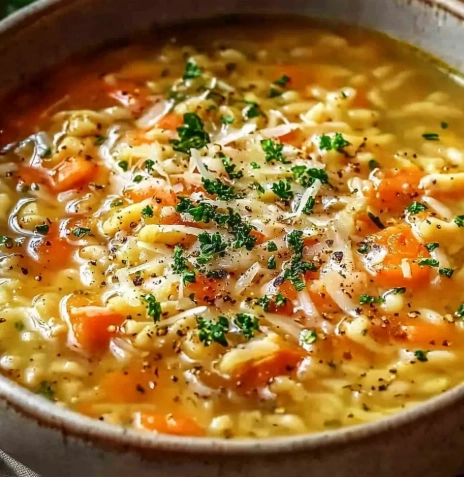
The Two Main Styles You'll Encounter
Most versions fall into one of two camps, and knowing which you prefer is half the battle.
Brodo con Pastina: This is the classic kid's version, and honestly, the adult favorite too. "Pastina" means "little pasta." We're talking stars (stelline), little rings (anellini), or tiny rice-shaped pasta (orzo). You cook the pasta directly in the broth until it's soft. The starch thickens the broth slightly, making it heartier. A mountain of grated Parmigiano-Reggiano melts into it, creating a creamy, salty, umami-rich layer. This is the ultimate sick-day food.
Stracciatella alla Romana: Hailing from Rome, this is the elegant, protein-packed cousin. "Stracciatella" means "little rags." You lightly beat an egg (sometimes with semolina flour, lemon zest, and Parmigiano), then slowly drizzle it into the simmering broth while stirring. The egg cooks instantly into delicate, silky ribbons. It's lighter than the pastina version but just as satisfying, and it comes together in about 90 seconds once your broth is ready.
How to Make Authentic Italian Penicillin Soup at Home
You can buy broth. But for the real "penicillin" effect, you need to make your own. The good news? It's mostly hands-off time. The secret isn't complexity; it's patience and a couple of non-negotiable ingredients.
The Non-Negotiable Ingredients for Your Brodo
The Chicken: Don't use only lean breast meat. You need bones, skin, and connective tissue for flavor and body. A whole chicken, cut up, is perfect. Chicken wings, backs, and feet (if you can find them) are gold—they're packed with collagen, which gives the broth body and a silky mouthfeel.
The Aromatics (The Soffritto): The Italian holy trinity: onion, carrot, and celery. Leave them in large chunks. Some recipes add a tomato wedge or a parsley stem. Keep it simple.
The Cheese Rind: This is the insider trick. Save the rind from your wedge of Parmigiano-Reggiano or Pecorino Romano. Toss it into the simmering broth. It infuses an incredible depth of savory, nutty flavor that powder can never replicate. Fish it out before serving.
Here’s a straightforward blueprint. Simmer, don't boil. A gentle bubble is what you want for a clear broth. Skim the foam that rises in the first 20 minutes.
Basic Brodo Method: Place your chicken and bones in a large pot. Cover with cold water by about 2 inches. Bring to a simmer, skim. Add your chunked vegetables, a few peppercorns, and a cheese rind. Simmer, partially covered, for 3-4 hours. Strain everything out. Season with salt only at the end. Let it cool, then skim the fat from the top if you wish (though that fat carries flavor).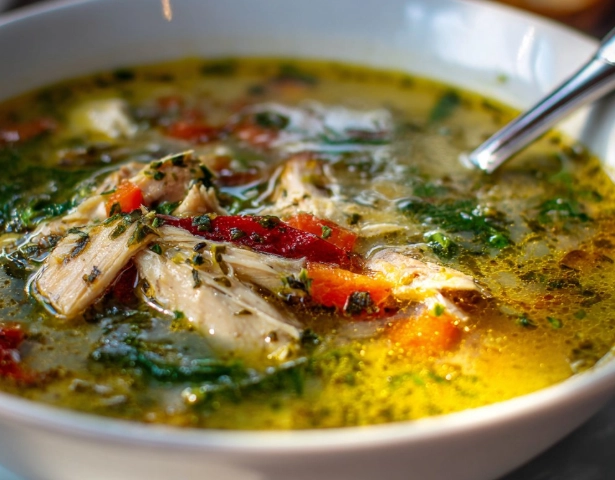
Assembly: Turning Broth into "Penicillin"
For Pastina Version: Bring your desired amount of broth to a boil. Add a small handful of pastina per person (about 1/4 cup dry). Cook according to package time, usually 5-7 minutes. Ladle into bowls and immediately stir in a hefty tablespoon of freshly grated Parmigiano-Reggiano per bowl.
For Stracciatella Version: In a small bowl, beat 1 egg per person with 1 tbsp of grated Parmigiano per egg, a pinch of salt, and a tiny grating of nutmeg or lemon zest (optional). Bring your broth to a steady simmer. While stirring the broth in a circular motion to create a vortex, slowly drizzle in the egg mixture. The egg will cook into threads in about a minute. Serve immediately.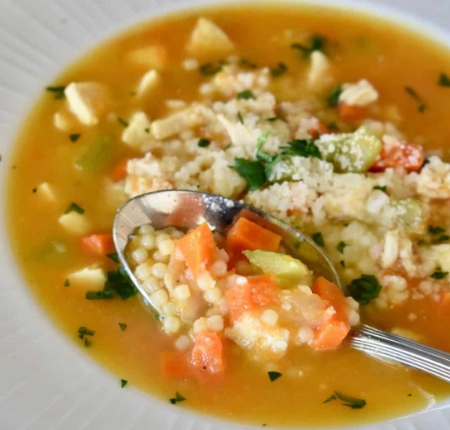
Where to Find the Best Italian Penicillin Soup
In Italy, this is home food. You won't always find "Italian Penicillin" on a menu. Look for "Brodo di Pollo" or "Stracciatella" in the Primi Piatti (first courses) section. Here are a few spots, from iconic to local gems, where the broth is taken seriously.
| Restaurant / Location | What to Order & Expect | Price Range & Notes |
|---|---|---|
| Armando al Pantheon Salita dei Crescenzi, 31, Rome |
Their Stracciatella alla Romana is legendary—perfectly clear, golden broth with ethereal egg ribbons. It's a masterclass in simplicity. Often has a wait; reservations essential. | €12-€15 for a primo. A splurge for soup, but considered a Roman institution. Open Mon-Fri 12:30-3pm, 7-11pm; Sat 12:30-3pm. Closed Sunday. |
| Trattoria da Burde Via Pistoiese, 154r, Florence |
A no-frills, family-run spot famous for its brodo ristretto (concentrated broth). They might serve it plain or with pastina. The flavor is intensely chicken, the way it should be. | €6-€8. The definition of value. Go for a long, lazy lunch. Open daily for lunch and dinner, but check as hours can be traditional (closed maybe Wednesday). |
| Any Italian Nonna's House (Especially in the colder North, like Piedmont or Lombardy) |
The holy grail. The broth is often a byproduct of boiling meat for bollito misto. It's served as a first course, sometimes with agnolotti or just bread. You need an invitation! | Priceless. If you're staying at an agriturismo or B&B run by a family, ask if they serve homemade brodo. You might get lucky. |
| Eataly NYC (Flatiron) 200 Fifth Ave, New York, USA |
In the "La Piazza" restaurant area, they often have a rotating brodo on the menu, especially in winter. It's a reliable, well-made version if you can't hop a flight. | $10-$14. A taste of Italy stateside. Convenient, but can be crowded. Check their website for current menu offerings. |
The One Big Mistake Everyone Makes (And How to Avoid It)
After making this soup for years and tasting countless versions, the most common flaw is underseasoned broth. People are scared of salt, especially when it's "medicine." But a bland broth is sad broth.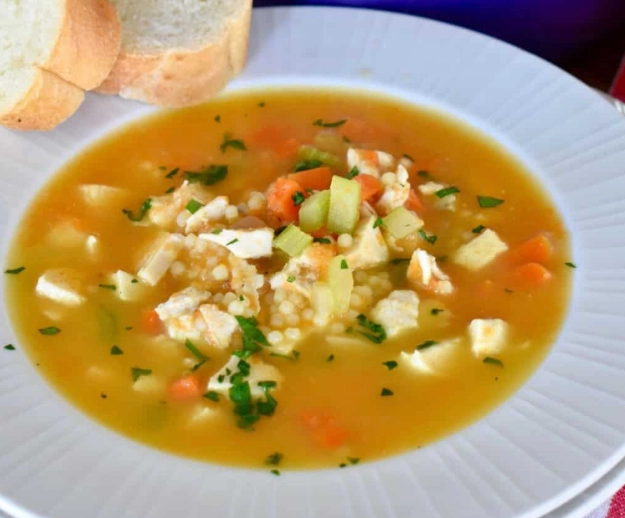
Here's the expert move: Season your broth in the bowl, not necessarily the whole pot. Your homemade broth should be well-seasoned, but remember, you're adding salty cheese at the end. Ladle the hot soup into your bowl, add the cheese, stir, then taste. Now adjust with a pinch of fine sea salt. The heat helps the salt dissolve and integrate perfectly. This two-step seasoning—pot and bowl—gives you total control and ensures every spoonful sings.
Another subtle error? Using pre-grated, shelf-stable Parmesan. The cellulose powder in it makes the soup slightly grainy and dulls the flavor. A block of real Parmigiano-Reggiano and a microplane are non-negotiable tools here. The difference is night and day.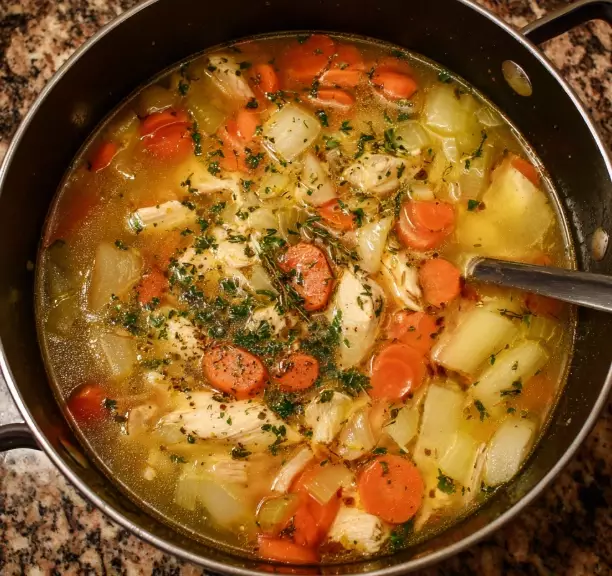
Your Italian PenicillinSoup Questions, Answered
Can I make Italian penicillin soup in an Instant Pot or pressure cooker?
Absolutely, it's a great time-saver for the broth. Sauté your vegetables briefly, add chicken and cold water up to the max line, but don't overfill. Cook on high pressure for 45 minutes to 1 hour. Let the pressure release naturally for at least 15 minutes. The flavor is excellent, though some purists argue the long, open simmer yields a more nuanced broth. For a weeknight "penicillin" fix, the Instant Pot is a champion.
My broth turned out cloudy. Did I ruin it?
Not at all. It's still delicious and nutritious. Cloudiness usually comes from boiling the broth too vigorously, which emulsifies the fat and proteins. For a crystal-clear consommé-style broth, maintain the barest simmer and avoid stirring once it's cooking. But for home purposes, a slightly cloudy broth is just fine—it often has more body. If it bothers you, you can clarify it with egg whites, but that's a restaurant technique.
What's the best pasta to use if I can't find pastina?
Any very small pasta works. Orzo, ditalini, or even broken-up pieces of spaghetti or capellini (angel hair). The key is a small shape that cooks quickly and can be eaten with a spoon. Avoid large shapes like penne or rigatoni—they're awkward in a broth-based soup and change the comforting, easy-to-eat vibe.
Can I freeze the homemade chicken broth?
Freezing is the best way to preserve it. Let the broth cool completely, skim the fat (you can freeze the fat separately to cook with!), and pour it into freezer-safe containers or ice cube trays for small portions. Leave about an inch of headspace for expansion. It keeps for 4-6 months. Having frozen homemade broth means you're never more than 10 minutes away from a restorative bowl of Italian penicillin.
Is there a vegetarian alternative to Italian penicillin soup?
The spirit is the same: a deeply flavorful, restorative broth. Make a robust vegetable broth with mushrooms (especially dried porcini), onions, carrots, celery, leeks, and a big piece of kombu seaweed for umami. A roasted garlic head adds sweetness. For the "penicillin" effect, finish it the same way: with pastina and a mountain of Parmigiano-Reggiano (or a vegetarian hard cheese alternative). The cheese is crucial for that salty, comforting punch.
Related Articles
The Ultimate Homemade Italian Pasta Recipe by Hand: A Complete Guide
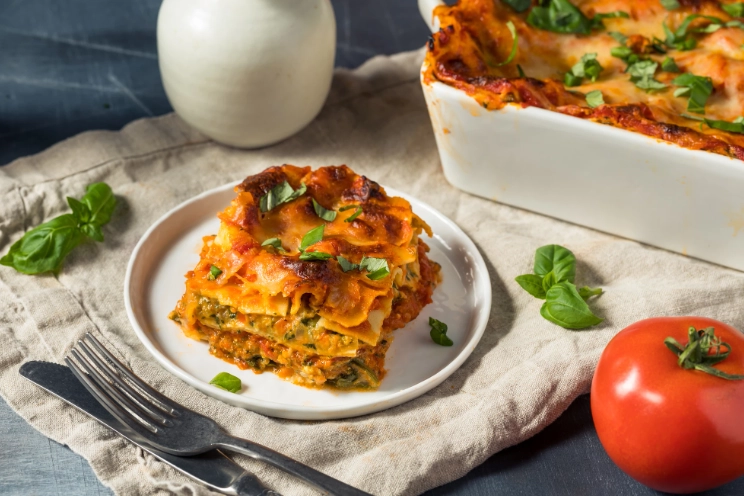
Healthy Italian Vegetarian Recipes: Flavorful Main Dishes Made Easy
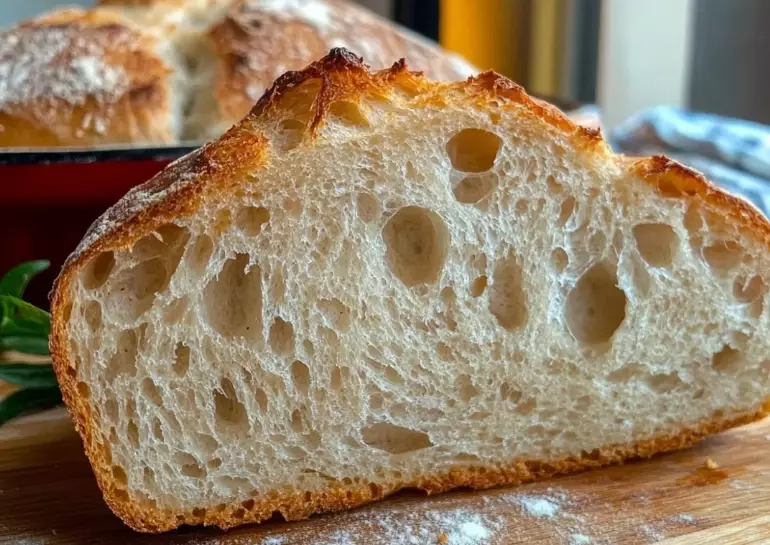
Traditional Italian Bread Recipes: Authentic Methods & Expert Tips
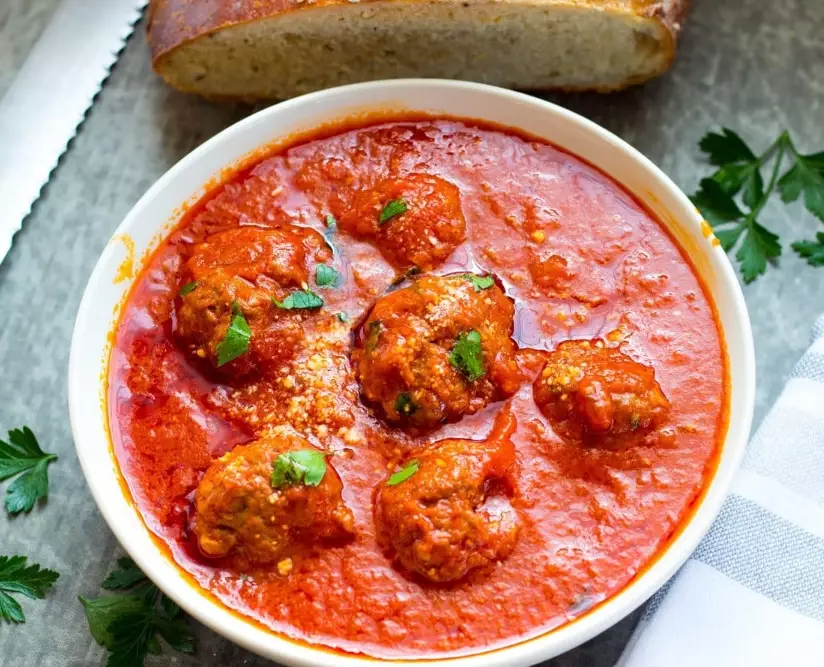
Authentic Italian Meatball Sauce Recipe: A Family Secret Revealed
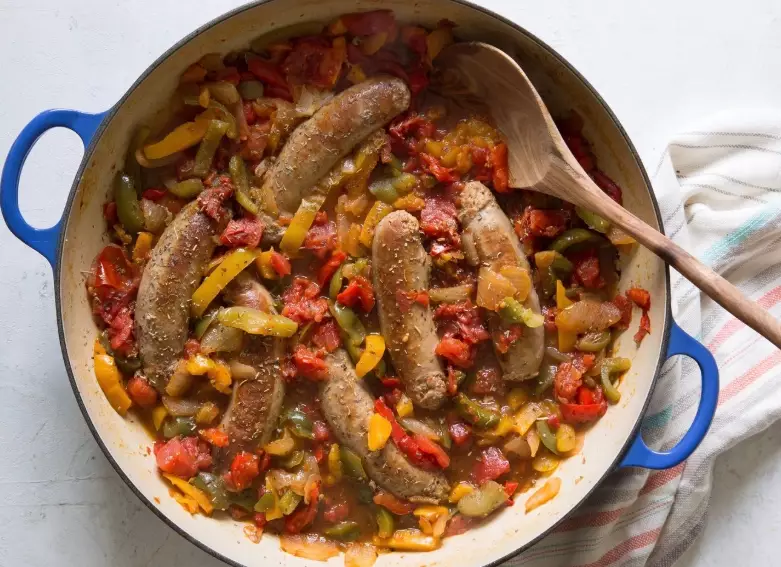
Sweet Italian Sausage Recipes: From Classic Pasta to Creative Feasts