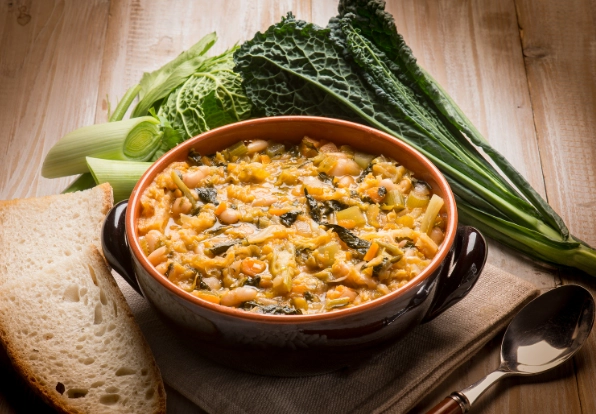
The Secret Ingredients: What Makes Italian Bread So Different?
You bite into a slice of ciabatta. The crust shatters with a satisfying crackle, giving way to a soft, hole-riddled interior that's both chewy and light. The flavor is subtly tangy, wheaty, and clean. Now you pick up a standard supermarket loaf. The crust is soft, the crumb is uniform and squishy, the taste is... well, bland. That dramatic gap isn't just about recipe—it's a cultural and technical chasm. What makes Italian bread different is a philosophy. It’s the pursuit of flavor and texture over shelf life, a deep respect for time as an ingredient, and a regional identity baked into every loaf.
Forget the notion that Italian bread is just a vehicle for olive oil or a side to pasta. It's a cornerstone of the meal, judged by its own rigorous standards. The difference lies in the crust, the crumb, the ingredients (surprisingly few), and the ancient techniques that haven't been industrialized away. I learned this the hard way, after my first dense, bland attempt at a pane pugliese. A baker in Tuscany later told me, "You Americans are in a hurry. Your yeast is in a hurry. Bread needs to dream." He was talking about fermentation.
Your Quick Guide to Italian Bread
The Four Pillars of Italian Bread Identity
Italian bread stands apart on four non-negotiable characteristics. Miss one, and you're veering into something else.
1. The Crust: A Symphony of Crackle
That blistered, crisp, often dark crust isn't for show. It's the result of high heat and steam in the oven. The steam keeps the loaf's surface supple long enough for maximum "oven spring" (the final rise), then evaporates, allowing the sugars and proteins to caramelize into a complex, flavorful shield. A common mistake home bakers make? Not creating enough steam. A pan of water at the bottom of your oven isn't enough. You need direct, immediate steam. I use a pre-heated cast iron skillet and throw in a cup of ice cubes when I load the bread. The sizzle is the sound of crust forming.
2. The Crumb: Open, Irregular, and Flavorful
Cut open a ciabatta or a good filone. You see large, irregular holes (the "alveolation") and a creamy, elastic texture. This isn't achieved by adding more yeast. It's the opposite. Long, slow fermentation with a natural starter (more on that below) allows gluten to develop strength and gases to expand slowly, creating that beautiful network. Commercial bread uses additives and fast yeast for a tight, uniform crumb that can survive packaging. Italian bread prioritizes texture and taste, not durability on a truck.
3. The Flavor: Complexity from Fermentation
The taste is clean, slightly sour, nutty, and deeply wheaty. This comes almost entirely from fermentation byproducts—acetic and lactic acids produced by wild yeast and bacteria as they slowly digest the flour. A quick-rise bread made in three hours tastes flat because these compounds never develop. A 18-hour biga-fermented bread tastes layered and interesting. It's the difference between grape juice and wine.
4. The Ingredients List: Shockingly Short
Genuine Italian bread, by tradition and often by law (see P.A.T. designations), contains four things: flour (type 0 or 00, high in gluten), water, salt, and natural leaven. No sugar, no milk, no butter, no oil (except in specific breads like focaccia), no preservatives, no dough conditioners. The flavor comes from the process, not the additives. This purity is a hallmark.
Expert Slip-Up: Many recipes online call for olive oil in basic Italian bread doughs. While delicious, adding fat tenderizes the gluten and inhibits the formation of that signature open, chewy crumb. Save the oil for dipping or for doughs where a softer texture is the goal, like focaccia.
A Map in Your Mouth: Key Italian Bread Varieties
"Italian bread" is a useless term there. You ask for bread by its regional name. Here’s a breakdown of the heavy hitters.
| Bread Name | Region of Origin | Key Characteristics | Best Paired With |
|---|---|---|---|
| Ciabatta | Veneto | Flat, slipper-shaped ("ciabatta" means slipper). Very high hydration dough, yielding an extremely open, holey crumb and a crisp, flour-dusted crust. Chewy and light. | Panini, soups, olive oil dipping. |
| Focaccia | Liguria | A dimpled, flatbread enriched with olive oil. Texture ranges from soft and cakey to crisp and chewy. Topped with rosemary, salt, sometimes olives or onions. | A meal on its own, antipasto, sandwich bread. |
| Pane Pugliese | Puglia | Large, round loaf with a distinctive "hat" or split top. Made from durum wheat semolina flour, giving it a golden color, a firm bite, and a longer shelf-life. | Robust stews, seafood, bruschetta. |
| Filone / Pane Toscano | Tuscany | A long, slender crusty loaf. Notably, Tuscan bread is traditionally made without salt (a historical quirk). The result is a very mild bread that doesn't compete with the region's salty cured meats and hearty dishes. | Salty foods like prosciutto, pecorino cheese, ribollita soup. |
| Grissini | Piedmont | Thin, crispy breadsticks. Originally from Turin, they range from pencil-thin and brittle to thicker and more rustic. | Aperitivo, charcuterie boards, soups. |
Walking into a forno (bakery) in Rome, you'd ask for a "rosetta" or a "pizza bianca." In Sicily, you'd get a "pane di casa" often incorporating local semola rimacinata. The diversity is staggering, but the pillars of crust, crumb, and fermentation unite them.
The Starter Secret: Biga vs. Lievito Madre
This is where the magic—and the confusion—happens. Most authentic Italian bread uses a pre-ferment, a portion of dough fermented ahead of time to build flavor and strength.
Biga is the most common. Think of it as an Italian poolish. It's a stiff preferment (lower hydration) made with commercial yeast, flour, and water. It ferments for 12-18 hours. It adds subtle acidity and fantastic gluten structure without a strong sour tang. It's the secret behind ciabatta's incredible crumb. Biga is reliable and a perfect gateway for home bakers.
Lievito Madre (or Pasta Madre) is the holy grail: a natural sourdough starter maintained with Italian flour. It's a living culture of wild yeast and lactobacilli. It imparts a more pronounced, complex tang and incredible depth of flavor. Maintaining it is a commitment—it needs regular feeding and care. Most traditional bakeries and serious home bakers use this. The famous Milanese panettone? By law, it must be made with lievito madre.
Using a biga or lievito madre isn't just a step; it's a time commitment that commercial baking cannot afford. This single step is arguably the most significant factor in what makes Italian bread different.
The Home Baker's Guide to Authentic Italian Bread
You want to bake this at home. Skip the fancy equipment at first. Focus on technique.
1. Flour is Everything
Don't use all-purpose flour. Seek out Italian "Tipo 00" or "Tipo 0" flour. They are finely milled but high in protein (gluten), essential for the strong, elastic dough needed for an open crumb. King Arthur's "Italian-Style Flour" is a good domestic substitute. For pane pugliese, you need durum wheat semolina flour.
2. Embrace High Hydration and Wet Hands
Italian bread doughs are often wet, sticky, and shaggy—especially ciabatta. This high water content (hydration) is what creates steam inside the dough, leading to those big holes. You can't knead it on a floured counter. Use the slap-and-fold technique or coil folds in a bowl. Keep your hands and bench scraper wet, not floured, to handle it.
3. Temperature is a Remote Control for Time
Fermentation speed is controlled by temperature. Want a longer, more flavorful ferment without over-proofing? Put your biga or final dough in a cooler spot (like a basement or a turned-off oven with the light on). The book "The Bread Bible" by Rose Levy Beranbaum is fantastic on this science. For a typical biga, I aim for 65°F (18°C) for a 16-hour rise.
4. The Bake: Heat and Steam are Non-Negotiable
Preheat your oven with a baking stone or steel (or an inverted heavy baking sheet) for at least 45 minutes. Crank it as high as it goes (500°F/260°C). For steam: just before loading the bread, toss a handful of ice cubes into a pre-heated skillet on the bottom rack. The immediate blast of steam is crucial for that crust.
Your Italian Bread Questions, Answered
So, what makes Italian bread different? It's a commitment to craft over convenience. It's understanding that flour, water, and time, treated with respect, can create something far greater than the sum of its simple parts. It's not a recipe you follow in an afternoon; it's a rhythm you learn. Start with a biga. Get your hands sticky. Crank your oven hot. Listen for the crackle of the crust as it cools. That's the sound of authenticity.
Related Articles
Best Italian Eggplant Dishes: Top 5 Classics You Can Master
Authentic Italian Dessert Recipes: From Tiramisu to Cannoli
Traditional Italian Family Meals: Recipes & Secrets
The Chicago Way Italian Beef: Wet, Hot & Dipped Explained
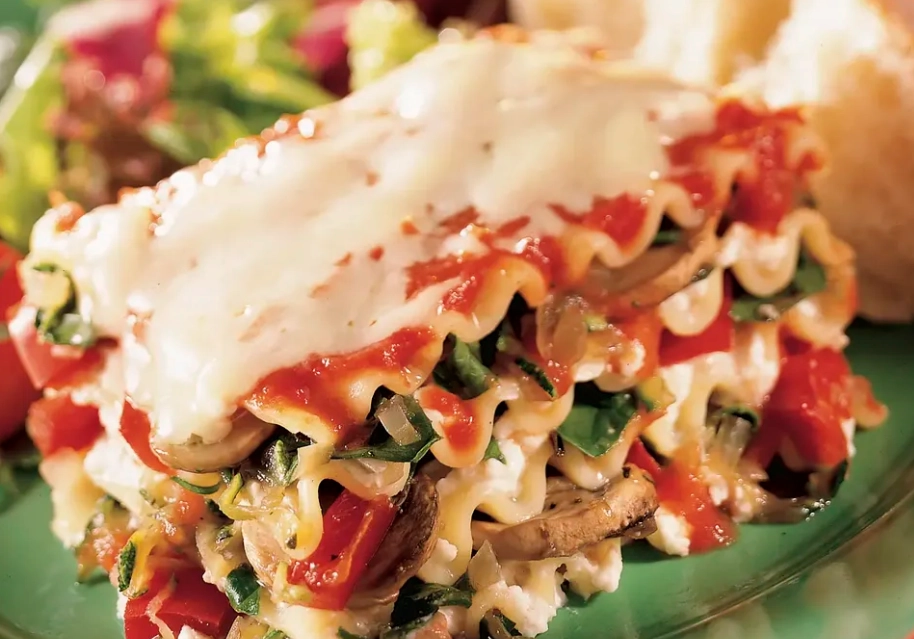
Simple Italian Vegetarian Recipes: 5 Easy Dishes for Weeknights