Traditional Italian Family Meals: Recipes & Secrets
Let's be honest. Most "Italian family recipes" you find online are a pale imitation. They're often a single dish plated like a restaurant meal, missing the entire point. A real Italian family meal is an event, a slow-moving parade of flavors, conversation, and tradition. It has a specific structure, unspoken rules, and a soul that goes far beyond just mixing tomatoes and pasta. I learned this the hard way, after years of cooking what I thought was "authentic" only to be gently corrected by my friend's nonna in Bologna. She didn't scold me. She just sighed, patted my hand, and said, "Figlio, you're in a hurry. The food can taste it." That changed everything for me.
What's Cooking in This Guide?
The Unbreakable Structure of an Italian Family Meal
Forget the one-plate wonder. A proper traditional Italian family meal unfolds in courses, or "portate." This isn't about being fancy; it's about pacing, digestion, and savoring each element. Skipping this structure is the first big mistake home cooks make.
The core sequence is almost sacred: Antipasti (starters) → Primo (first course, usually pasta, risotto, or soup) → Secondo (second course, meat or fish) with Contorni (side vegetables) → Dolce (dessert) → Caffè.
Now, a weekday dinner might just be a primo and a contorno. But a Sunday lunch or a festive gathering? That's when the full symphony plays. The antipasti aren't elaborate canapés. Think of them as simple, appetizing bites that wake up the palate: a board of sliced salumi and cheeses (prosciutto crudo, mortadella, pecorino), some marinated olives, maybe some bruschetta with tomato or sautéed mushrooms. The goal is to get people talking and sipping wine, not to fill them up.
Here's where people get confused. The primo piatto is not a side dish. It's a substantial course on its own. This is where authentic Italian pasta dishes shine. The portion is moderate—usually around 80-100 grams of dry pasta per person. You're meant to enjoy it fully, then move on. Loading up a huge bowl of spaghetti as the entire meal? That's an American-Italian restaurant thing, not a nonna's table thing.
The Main Event: Pasta & Secondi That Sing
This is what you're here for. Let's dive into two pillars of the family meal: a classic primo and a classic secondo.
The Heart of Sunday: Ragù alla Bolognese (The Real One)
Most recipes get this wrong. It's not a quick, tomato-heavy sauce. Authentic traditional Italian family recipes for ragù are about slow-cooked meatiness. The official recipe, deposited with the Bologna Chamber of Commerce, doesn't even allow garlic. The magic is in the soffritto (finely diced onion, carrot, celery) cooked in butter (yes, butter, not just oil), the mix of meats (often ground beef, pork, and sometimes pancetta), and the slow, patient simmer with a little tomato and a lot of milk or wine.
The Non-Consensus Tip Everyone Misses: The biggest mistake is boiling the pasta and then dumping the sauce on top. In Italy, the pasta is finished in the sauce. For ragù, you reserve a cup of the starchy pasta water. Drain the pasta al dente, add it directly to the pan with the ragù, and toss it over low heat for a minute or two, adding splashes of pasta water until the sauce clings to every strand like a silky coat. This is called "mantecare." It makes all the difference.
The Simple Secondo: Pollo alla Cacciatora (Hunter's Chicken)
After the pasta, you need something lighter but flavorful. Chicken cacciatore is perfect. It's a one-pan wonder of chicken pieces browned, then braised with onions, garlic, tomatoes, olives, capers, and herbs. The key here is using chicken with bones and skin for maximum flavor. Serve it with a simple contorno like sautéed bitter greens (cicoria) or a green salad dressed with just olive oil, lemon, and salt. The vinegar comes after the meal, to aid digestion.
| Course (Portata) | Example Dish | Key Purpose & Tip |
|---|---|---|
| Antipasto | Prosciutto e Melone, Bruschetta | Stimulate appetite. Keep it simple and fresh. |
| Primo | Tagliatelle al Ragù, Risotto ai Funghi | The star carb course. Always finish pasta in its sauce. |
| Secondo with Contorno | Arrosto di Maiale (Pork Roast) with Roasted Potatoes | Protein focus. Let the meat rest before carving. |
| Dolce & Caffè | Tiramisù, Panna Cotta | A sweet end. Espresso is non-negotiable, served after dessert. |
The Secret Sauce: Ingredients & Mindset
You can follow a recipe exactly and still miss the mark. The soul of these meals is in the approach.
Quality over quantity. Italians would rather eat a smaller portion of an exceptional ingredient. This means seeking out DOP (Protected Designation of Origin) products when you can. A can of San Marzano tomatoes from Italy, a block of real Parmigiano-Reggiano (not "parmesan"), and a good bottle of extra virgin olive oil are not extravagances; they're the foundation. The Italian Ministry of Agricultural, Food and Forestry Policies maintains strict standards for these products for a reason.
Seasonality is law. You won't find a traditional family making a heavy ragù in the peak of August. Summer meals are about fresh tomatoes, basil, zucchini, and light seafood. Hearty stews and roasts are for the cooler months. Cooking with the season is the ultimate hack for flavor.
It's a social ritual. The meal is the main event of the day. Phones are away. The TV is off. Courses come out slowly. There's arguing, laughing, and stories. Rushing through it defeats the purpose. This is the antidote to fast food in every sense.
Building Your Own Sunday Italian Dinner
Feeling inspired? Let's map out a manageable, authentic Sunday Italian dinner you can actually pull off without spending all day in the kitchen.
The Strategy: Choose one thing to make from scratch that's the hero (like the ragù), and keep the other courses simple, maybe even leveraging a few high-quality store-bought items. No nonna will judge you for buying good salumi for the antipasto.
- 2:00 PM: Start your ragù. It needs at least 2-3 hours of gentle simmering. This is your relaxing, kitchen-puttering time.
- 4:30 PM: Prepare the antipasti platter. Slice the meats and cheese, put out olives, some grissini (breadsticks). Cover and leave at room temp.
- 5:00 PM: Start the secondo. Something like a simple baked fish with herbs or the chicken cacciatore, which can mostly cook on its own.
- 5:45 PM: Set the table. Get the wine open to breathe.
- 6:00 PM: Guests arrive. Serve the antipasti with drinks. Let this phase last 30-45 minutes.
- 6:45 PM: Boil water for the pasta. Finish the ragù, cook the tagliatelle, and marry them in the pan. Serve the primo.
- 7:15 PM: Clear plates, take a breather. Then serve the secondo and contorno.
- 7:45 PM: Dessert and coffee. A store-bought gelato or some fresh fruit with cheese is perfectly authentic.
See? It's a flow, not a frantic race. The ragù does the heavy lifting flavor-wise, and the structure creates a memorable experience.
Your Italian Cooking Dilemmas, Solved
My ragù always turns out a bit acidic or the meat is dry. What am I doing wrong?
Acidity usually means the tomato is dominating or was cooked too harshly. Use less tomato paste than the recipe says, or add a pinch of sugar (a tiny pinch) to balance. For dry meat, you're likely cooking at too high a temperature. Ragù should barely bubble. Also, that splash of milk added early on isn't optional—it tenderizes the meat. Finally, use a mix of meats; all beef can be tougher.
Is it really that bad to put cheese on seafood pasta?
In the strict, traditional sense, yes. It's one of the cardinal rules. The logic is that the strong, salty flavor of cheese (like Parmesan) overpowers the delicate taste of the seafood. You wouldn't put ketchup on fine sushi, right? It's the same idea. The rule exists to let the primary ingredient shine. That said, in some southern Italian regions, you might find a sprinkle of pecorino on a pasta with clams. But for a classic spaghetti alle vongole, skip the cheese.
I want to make an Italian family meal but I'm short on time. What's the one course I should never skip to keep it authentic?
The structure. Even if you only have time for two courses, frame them as separate acts. Don't pile the protein on top of the pasta. Serve a beautiful primo (like a quick aglio e olio or cacio e pepe), let everyone finish, clear the plates, and then bring out the secondo (a simple cutlet or a piece of grilled fish) with a salad on the side. That pacing and separation is more authentically Italian than any single recipe. It transforms a rushed dinner into a composed meal.
Related Articles
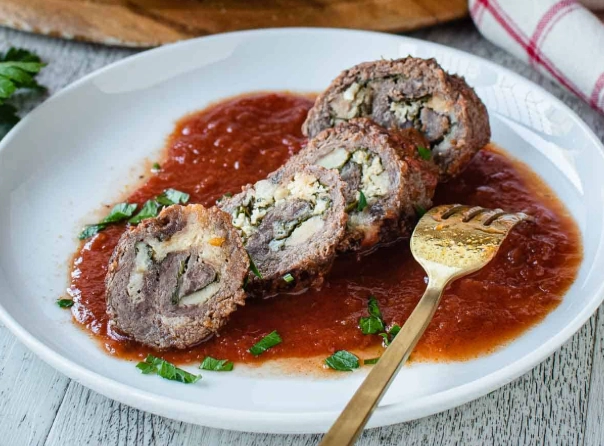
Italian vs American Braciole: The Real Differences Explained
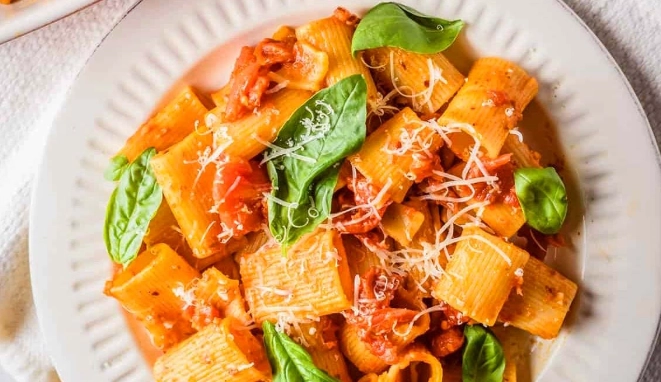
Master Classic Italian Dishes: Recipes & Secrets from Pasta to Tiramisu
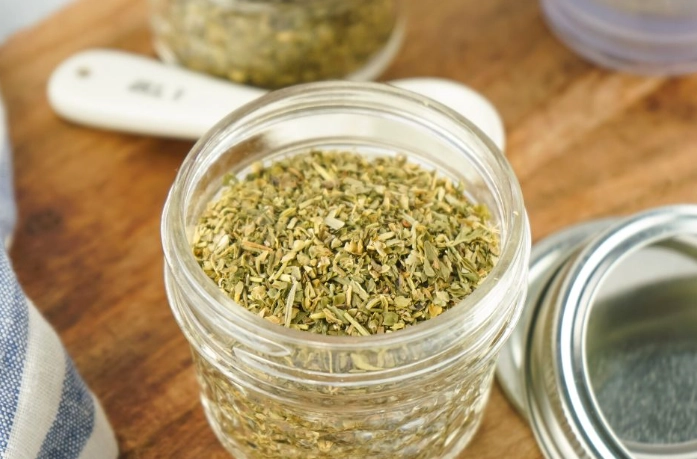
Italian Seasoning Without Marjoram: A Complete Recipe & Guide
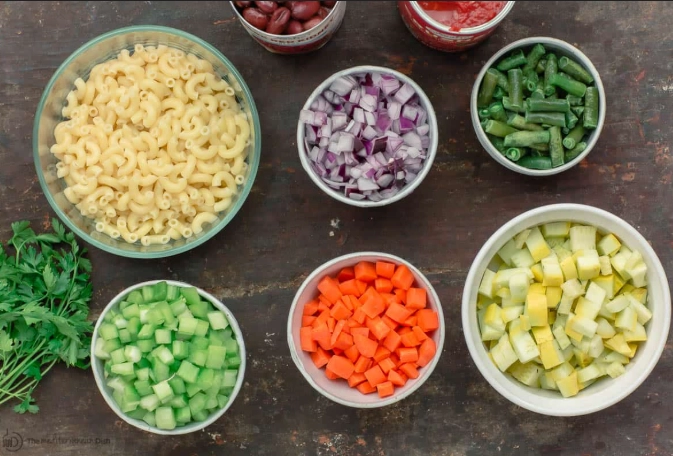
Italian Seasoning in Minestrone Soup: The Authentic Herb Blend Explained
Top 10 Italian Soups You Need to Try: From Minestrone to Zuppa Toscana
