Top 10 Italian Dinner Dishes You Must Try
You're planning an Italian dinner, maybe for a special date or a family gathering. You want it to feel authentic, not just another spaghetti night. The menu matters. After years of eating my way through Italy and running a food blog, I've noticed most lists get the dishes right but miss the context—how they're actually served, the common mistakes people make ordering them, and what makes each one a dinner staple. Let's cut straight to it. Here are the 10 most popular Italian dinner dishes, explained not just as recipes, but as cultural experiences.
Your Quick Guide to Italian Dinner Classics
1. Pizza: More Than Just Fast Food
Forget the overloaded, greasy pies. Authentic Italian dinner pizza is a different beast. In Naples, the birthplace of pizza Margherita, the Associazione Verace Pizza Napoletana sets strict rules: wood-fired oven, San Marzano tomatoes, mozzarella di bufala, fresh basil, and extra-virgin olive oil. That's it.
The Dinner Twist: In Italy, pizza is a piatto unico (a single dish meal) for dinner. You don't order sides. Each person gets their own, usually a Margherita or a Marinara (tomato, garlic, oregano, oil—no cheese). Fancier versions like Quattro Stagioni (four seasons) are common too.
I made the mistake once of asking for pineapple in Rome. The waiter's pained look said it all. Stick to the classics here.
How to Order and Eat Pizza Like an Italian
Use a knife and fork. Folding it and eating with your hands is common in casual spots, but for a proper dinner, cutlery is the norm. Drink a light, fizzy red like Lambrusco or a beer with it, not a heavy wine.
2. Pasta: The Heart of the Meal
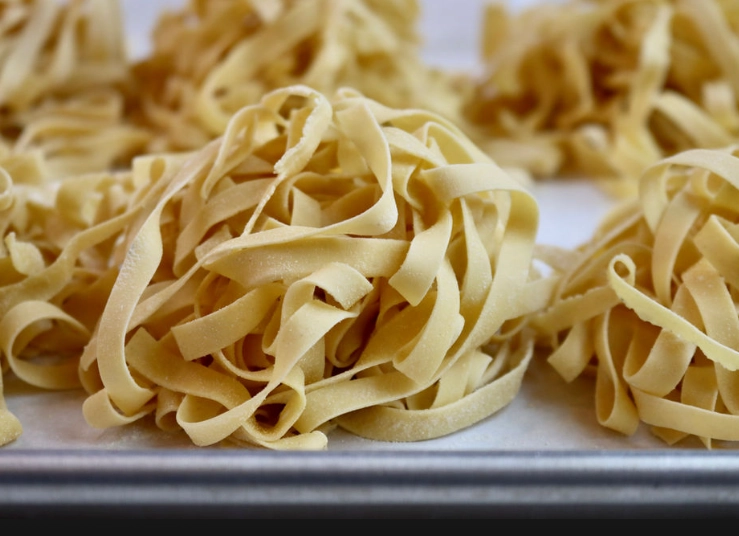
"Pasta" isn't one dish; it's a universe. For dinner, the choices are specific. You'll rarely see spaghetti with meatballs—that's an American invention. Instead, pasta is a primo (first course), followed by a secondo (meat or fish).
The most popular dinner pastas are regional and hearty:
- Carbonara (Rome): Eggs, Pecorino Romano cheese, guanciale (cured pork cheek), black pepper. No cream. Ever. The sauce is made by emulsifying the pasta water with the eggs and cheese.
- Amatriciana (Rome): Guanciale, tomatoes, Pecorino. Spicier and tangier than carbonara.
- Ragù alla Bolognese (Bologna): A slow-cooked meat sauce with a little tomato, served with tagliatelle, not spaghetti. It's rich and perfect for a chilly evening.
3. Risotto: Creamy Comfort in a Bowl
This northern Italian staple is a dinner showstopper. It's labor-intensive, requiring constant stirring to release the starch from Arborio or Carnaroli rice. The base is always soffritto (onion cooked in butter), white wine, and hot broth added gradually.
Popular dinner versions:
- Risotto alla Milanese: Infused with saffron, often served with Osso Buco.
- Risotto ai Funghi: Packed with wild mushrooms, earthy and satisfying.
- Risotto al Nero di Seppia: Black risotto made with cuttlefish ink, dramatic and briny.
It should be all'onda—wavy, flowing slightly when you tilt the plate, not stiff.
4. Lasagna: The Ultimate Family Feast
This layered masterpiece is Sunday dinner or holiday food. The classic from Bologna is Lasagna alla Bolognese: green spinach pasta sheets, ragù, and béchamel sauce. No ricotta in sight—that's a southern Italian/American variation.
It's a project. Making the ragù alone can take 4 hours. But the result, with crispy edges and a soft, savory center, is worth it. It's a sharing dish, bringing everyone to the table.
5. Tortellini in Brodo: Elegant Simplicity
From Emilia-Romagna, these tiny stuffed pasta rings are a classic first course for a formal winter dinner. They're served in brodo—in a clear, flavorful capon or beef broth.
The filling is typically a mix of prosciutto, mortadella, Parmigiano-Reggiano, and nutmeg. It's delicate, warming, and surprisingly light. This dish proves that in Italian cooking, the quality of a few ingredients matters more than complexity.
6. Chicken Parmigiana (Parmigiana di Pollo)
Yes, it's hugely popular abroad, but it has roots in the Italian south, evolving from eggplant Parmigiana. For dinner in Italy, it's a secondo. The chicken cutlet is fried, topped with a light tomato sauce and mozzarella fiordilatte (not the rubbery, low-moisture kind), then baked until bubbly.
It's rarely served over pasta in Italy. Instead, you might have a side of vegetables or a simple salad. The focus is on the crispy, cheesy, savory cutlet itself.
7. Saltimbocca alla Romana: "Jumps in the Mouth"
This Roman classic is quick and elegant. Thin veal scallops are topped with a sage leaf and a slice of prosciutto, pinned with a toothpick, then quickly pan-fried in butter and white wine. The name means "jump in the mouth," hinting at its irresistible flavor.
It's a perfect weeknight dinner secondo—fast, flavorful, and feels special. The key is not to overcook the veal; it should be just done and tender. Serve with sautéed spinach or roast potatoes.
8. Bistecca alla Fiorentina: The Carnivore's Dream
For a celebratory dinner, nothing beats this Tuscan T-bone steak. It's from the Chianina cattle breed, cut thick (at least 3 fingers high), grilled over wood or charcoal, and seasoned with just salt, pepper, and a drizzle of olive oil after cooking.
It's shared. One massive steak (often 1-1.5 kg) is brought to the table, carved, and divided among diners. It's served rare (al sangue). Asking for well-done is borderline sacrilegious. Pair it with a bottle of bold Chianti Classico and cannellini beans.
9. Arancini: Not Just Street Food
These deep-fried rice balls from Sicily are often considered street food or a snack. But at a casual, family-style Italian dinner, a platter of arancini can be a fantastic appetizer or even a playful primo.
The classic filling is ragù, peas, and mozzarella. Biting into the crunchy crust to find the saucy, cheesy center is pure joy. They're a great make-ahead option for entertaining.
10. Tiramisu: The Unquestionable Finale
No list of popular Italian dinner dishes is complete without the king of desserts. Tiramisu means "pick me up," referring to the caffeine kick from espresso-soaked ladyfingers layered with a creamy mascarpone mixture and dusted with cocoa.
It's light yet rich, the perfect end to a meal. The best versions use high-quality mascarpone, fresh eggs, and strong coffee—no alcohol or excessive sugar. It's ubiquitous because it's foolproof and universally loved.
There you have it. Ten dishes that define the Italian dinner table, from the casual to the celebratory. It's a cuisine built on regional pride, quality ingredients, and the simple joy of sharing a meal.
Your Italian Dinner Questions Answered
Related Articles
Italian Pizza Dough Flour: The Authentic Choice Revealed

Best Italian Cocktails: From Classic Negroni to Modern Aperitivo
Easy Hot Italian Sliders Recipe: The Ultimate Party Sandwich Guide
Ultimate Chicago Italian Beef Recipe: Expert Tips for Perfection
Authentic Italian Dinner Recipes & Essential Secrets Explained