Authentic Old Fashioned Italian Cream Cake Recipe from Scratch
Let's talk about the Italian cream cake. Not the dry, overly sweet versions you sometimes find. I mean the real deal—a moist, tender cake with a subtle nuttiness, layered with a frosting that's equal parts tangy and sweet, begging to be made from scratch. This isn't just another dessert; it's a project, a labor of love that pays off with every single bite. I learned this recipe years ago, not from a book, but from watching a friend's grandmother in her kitchen. The key wasn't in fancy techniques, but in patience and a few non-negotiable ingredients. I've made it a hundred times since, and I've made all the mistakes so you don't have to. This guide will walk you through every step, clear up the common confusions, and deliver a show-stopping old fashioned Italian cream cake that tastes like it came straight from an Italian bakery.
What You'll Find Inside
The Non-Negotiable Ingredients for Authentic Flavor
You can't build a great cake with mediocre ingredients. This old fashioned Italian cream cake relies on a specific balance. Forget the box mix—this is from scratch territory.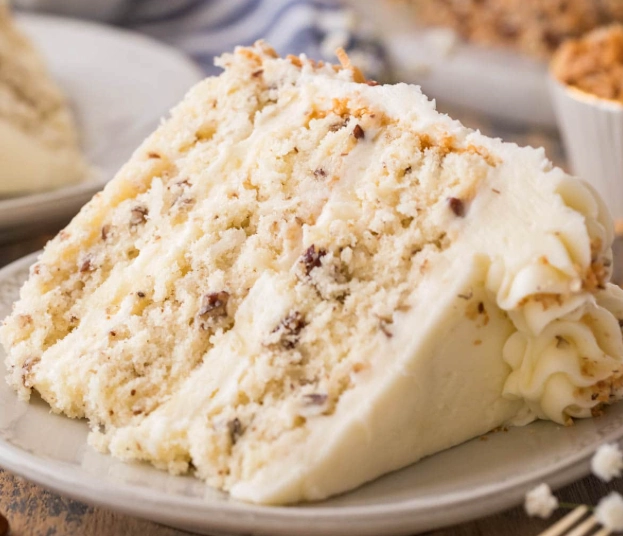
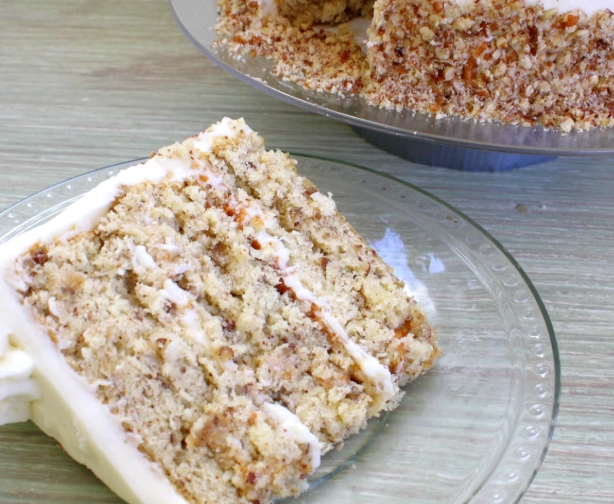
For the Cake Layers: The foundation is simple: all-purpose flour, sugar, butter, and eggs. But the magic comes from three extras. Buttermilk is non-negotiable. Its acidity tenderizes the gluten, giving the cake an incredibly soft, fine crumb that regular milk can't match. Then there are the toasted pecans. Don't skip the toasting—it deepens their flavor and removes any raw bitterness. Finally, a bit of sweetened shredded coconut. It adds a whisper of texture and sweetness without screaming "tropical."
For the Frosting: This is a cream cheese frosting, but it's not the super-sweet, stiff kind you pipe on cupcakes. It's lighter, tangier, and meant to complement, not overwhelm. You need full-fat cream cheese and unsalted butter, both at room temperature. Using cold ingredients is the number one reason frosting turns out lumpy or grainy. For sweetness, a combination of powdered sugar and a touch of vanilla extract rounds it out perfectly.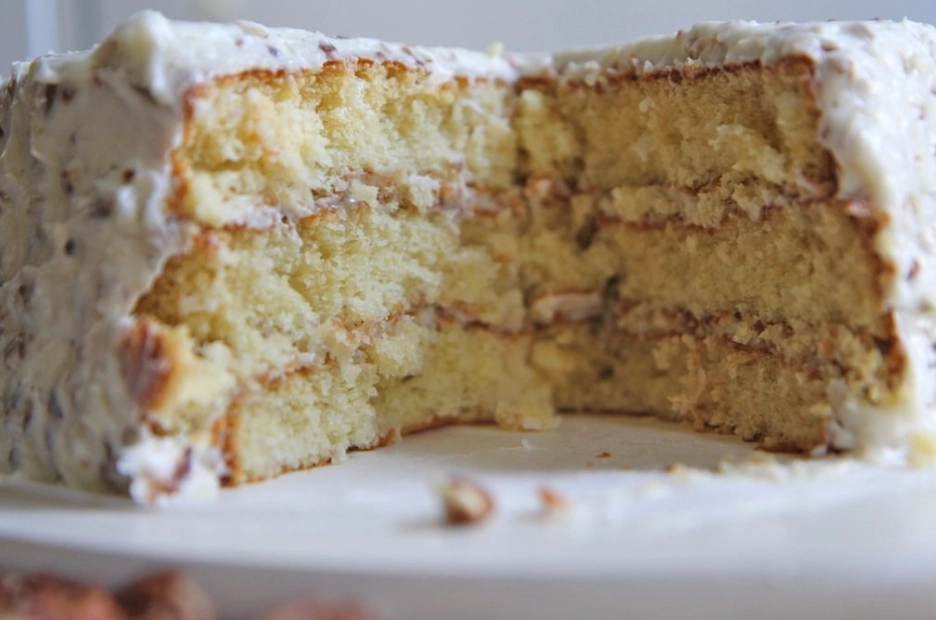
Pro Tip I Learned the Hard Way: Measure your flour correctly. The most common mistake? Scooping the measuring cup directly into the flour bag. This packs it down, leading to a dense, dry cake. Instead, spoon the flour lightly into your measuring cup and level it off with a knife. For absolute precision, a kitchen scale (about 120g per cup) is your best friend.
| Ingredient | Quantity | Purpose & Note |
|---|---|---|
| All-purpose flour | 2 ¼ cups | Structure. Spoon and level to measure. |
| Granulated sugar | 2 cups | Sweetness and tenderness. |
| Unsalted butter (softened) | 1 cup (2 sticks) | Richness and flavor. Use real butter. |
| Large eggs (separated) | 5 | Yolks for richness, whipped whites for lift. |
| Buttermilk | 1 cup | Essential for a tender, moist crumb. |
| Sweetened shredded coconut | 1 cup | Adds texture and classic flavor. |
| Toasted pecans (chopped) | 1 cup | Toasting is mandatory for depth. |
| Full-fat cream cheese | 8 oz (1 block) | Frosting base. Must be room temp. |
| Powdered sugar | 4 cups (approx.) | Sifts easily for smooth frosting. |
| Vanilla extract | 2 tsp | Use pure vanilla, not imitation. |
The Step-by-Step Process: From Batter to Frosting
This isn't a dump-and-stir recipe. The method matters. We're using a technique that incorporates whipped egg whites to give the cake incredible lightness.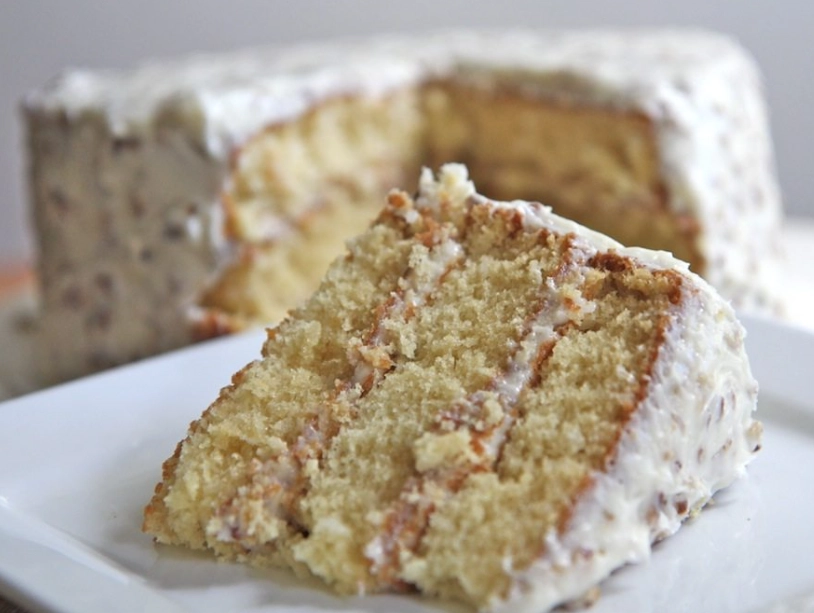
Preparing the Cake Batter
First, prep your pans. Grease and flour three 9-inch round cake pans. Line the bottoms with parchment paper—this guarantees easy release. Preheat your oven to 350°F (175°C).
Now, separate your eggs. Put the whites in a very clean, grease-free bowl (any fat will prevent them from whipping). Let the whites sit out to come to room temperature; they'll whip up higher. In a separate large bowl, cream the softened butter and sugar together for a good 3-4 minutes until it's light and fluffy. This incorporates air. Beat in the egg yolks one at a time, then the vanilla.
In another bowl, whisk together the flour and baking soda. You'll add this to the butter mixture alternately with the buttermilk, starting and ending with the flour. Mix just until combined after each addition. Overmixing at this stage develops gluten and leads to toughness. Fold in the coconut and toasted pecans.
Now, take those egg whites and beat them with a pinch of salt until stiff peaks form. Gently fold about a third of the whipped whites into the batter to lighten it, then carefully fold in the rest. This step is what gives the old fashioned Italian cream cake its famously tender, airy texture. Divide the batter evenly among the three prepared pans.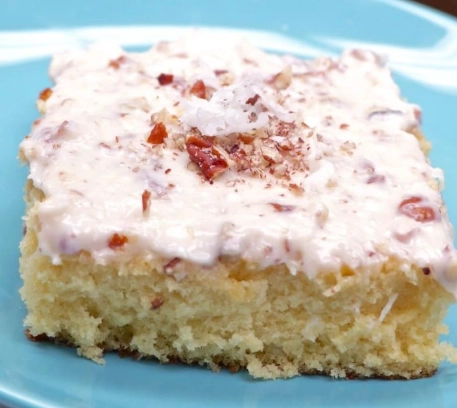
Baking and Cooling
Bake for 25-30 minutes. Don't open the oven door before the 20-minute mark. The cakes are done when a toothpick inserted into the center comes out clean, and the tops spring back when lightly touched.
This next part is crucial: let the layers cool in the pans on a wire rack for 10 minutes. Then, run a knife around the edges and invert them onto the rack to cool completely. I mean completely. Frosting a warm cake is a recipe for a melted, sliding mess. This can take 2 hours. Plan for it.
Making the Cream Cheese Frosting
While the cakes cool, make the frosting. Beat the room-temperature cream cheese and butter together until perfectly smooth and creamy—no lumps. Gradually add the sifted powdered sugar, one cup at a time, beating well after each. Finish with the vanilla. If it seems too soft, pop the whole bowl in the fridge for 20 minutes. It will firm up nicely.
To assemble, place one cake layer on your serving plate. Spread a generous amount of frosting. Repeat with the second and third layers. Frost the top and sides with the remaining frosting. I like to press some extra chopped toasted pecans onto the sides for decoration and crunch.
Expert Tips & Tricks You Won't Find Elsewhere
After making this cake countless times, here are the insights that separate a good cake from a great one.
- The Room Temperature Rule is Law: I mentioned it, but it's worth repeating. Cold cream cheese and butter will never incorporate smoothly. Take them out 2-3 hours before you start.
- Toast Your Nuts Deeper: Most recipes say "until fragrant." I say take them a shade past that, to a light golden brown. It unlocks a richer, almost buttery flavor that stands up to the sweet cake.
- Don't Fear the Batter: The batter will be thicker than a typical box mix batter, and that's okay. The whipped egg whites and buttermilk do their work in the oven.
- Use a Cake Strip: This is my secret weapon for perfectly flat cake layers. You soak fabric strips in water, wrap them around the outside of the cake pan, and they insulate the edges. This prevents the domed top and ensures even baking. No more trimming off the dome!
- Storage is Key: Because of the cream cheese frosting, this cake must be refrigerated. Let it sit at room temperature for 30-60 minutes before serving to take the chill off and allow the flavors to bloom. It actually tastes better on the second day.
Your Italian Cream Cake Questions, Answered
Why did my Italian cream cake sink in the middle?
This usually points to underbaking or an issue with the egg whites. The cake might look set on top but is still wet inside. Ensure your oven temperature is accurate with an oven thermometer. Also, when folding in the whipped egg whites, be gentle but thorough. Large pockets of unincorporated egg whites can collapse. Finally, don't open the oven door during the first 20 minutes of baking.
Can I make this old fashioned Italian cake without nuts or coconut?
You can omit the nuts for an allergy, but the texture and flavor profile will change. The coconut is a more integral part of the classic flavor. If you must skip it, the cake will still be delicious but will lose that signature character. There's no direct substitute that replicates its role.
My cream cheese frosting is too runny. How can I fix it?
Runny frosting almost always means your cream cheese or butter was too warm, or you added too little powdered sugar. First, refrigerate the entire bowl of frosting for 30-45 minutes, then re-whip it. If it's still too soft, you can gradually add more sifted powdered sugar, a quarter cup at a time, until it reaches a spreadable consistency. For future reference, full-fat brick cream cheese works better than spreadable or tub varieties, which often have more moisture.
How far in advance can I bake the layers for a from-scratch Italian cream cake?
You can bake the cake layers up to two days ahead. Once completely cooled, wrap each layer tightly in plastic wrap, then again in aluminum foil. Store them at room temperature in a cool, dry place. The frosting is best made the day you assemble the cake. You can also freeze the wrapped layers for up to a month; thaw overnight in the refrigerator before assembling.
Is there a difference between "Italian cream cake" and other cream cakes?
Yes, significantly. While the name's origins are debated (it's likely an American creation), the defining features are the use of buttermilk, toasted pecans, and coconut in the cake batter itself, paired specifically with a cream cheese frosting. It's distinct from a German cream cake (often with custard) or a French cream cake (which might use mousseline). The texture is uniquely moist and dense yet light, thanks to the egg white method.
So there you have it. Making an old fashioned Italian cream cake from scratch is a commitment, but the payoff is immense. It's the kind of dessert that gets remembered. You'll taste the care in every bite—the toasty pecans, the tender crumb, the tangy frosting. It's not just a recipe; it's a piece of baking tradition you can now call your own. Grab your ingredients, clear your afternoon, and get ready to bake something truly special.
Related Articles
Authentic Italian Dressing Recipe: Easy, Homemade & Better Than Store-Bought
How to Make Perfect Italian Polenta: Creamy, Grilled & Fried Recipes

Sudden good news! The RMB surged 300 points, 4,100 A-shares rose, and banks that
Authentic Italian Vegetarian Recipes: Classics Made Simple & Delicious

Pasta Fazool vs Pasta Fagioli: What's the Real Difference?