Creamy Italian Chicken Recipes: Your Ultimate Guide to Authentic & Easy Meals
Let's be honest. You search for creamy Italian chicken recipes because you want that restaurant-quality comfort food magic at home. You want the silky sauce, the tender chicken, and those deep, herby Italian flavors without the guesswork or a trip to a fancy grocer. I get it. I've been there, standing in the kitchen wondering why my sauce broke or why the chicken turned out dry.
After years of cooking, eating in Italy, and more than a few failed attempts, I've nailed down what makes these recipes work. This isn't just a list of ingredients. It's a roadmap to avoiding the common pitfalls and creating a consistently delicious meal that will have everyone asking for seconds. We'll cover the foundational recipe, crucial techniques most blogs skip, and how to adapt it based on what you have in your fridge.
What's Inside This Guide
Why Creamy Italian Chicken is a Go-To Comfort Food
There's a reason this dish is all over Pinterest and dinner tables. It hits the sweet spot. It feels indulgent with its creamy sauce, but it's often packed with spinach, sun-dried tomatoes, and herbs, giving you a sense that it's somewhat wholesome. It's versatile—you can serve it over pasta, mashed potatoes, rice, or with a crusty loaf of bread. Most importantly, it's a one-pan wonder. The chicken cooks, the sauce is built in the same pan, and you're left with minimal cleanup. It's the perfect answer to the "what's for dinner" dilemma on a busy Tuesday or when you want to impress guests on a Saturday.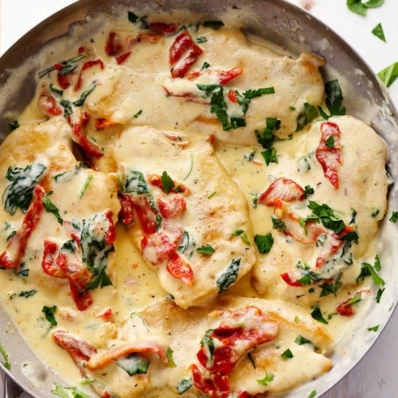
The Foundational Creamy Tuscan Garlic Chicken Recipe
This is the blueprint. Master this, and the variations become easy. Think of it as your weeknight hero recipe.
Ingredients You'll Need
- For the Chicken: 4 boneless, skinless chicken breasts (or thighs, see FAQ), 1 tsp each of dried oregano and paprika, salt and black pepper, 2 tbsp all-purpose flour, 2 tbsp olive oil.
- For the Sauce: 3 tbsp unsalted butter, 5-6 garlic cloves (minced), 1 cup chicken broth (low-sodium), 1 cup heavy cream (or half-and-half for a lighter version), 1 cup grated Parmesan cheese (the real stuff, not the powder), 1 cup chopped spinach (fresh or frozen/thawed), 1/2 cup sun-dried tomatoes (oil-packed, chopped), 1 tsp Italian seasoning.
Step-by-Step Cooking Instructions
- Prep the Chicken: Pat the chicken completely dry with paper towels. This is non-negotiable for a good sear. Season both sides generously with salt, pepper, oregano, and paprika. Lightly dredge in flour, shaking off the excess.
- Sear the Chicken: Heat olive oil in a large skillet or Dutch oven over medium-high heat. Add the chicken and cook for 5-7 minutes per side, until golden brown and cooked through (internal temp of 165°F/74°C). Remove to a plate and tent with foil.
- Build the Sauce: In the same pan, reduce heat to medium. Add butter and garlic. Cook for about 1 minute until fragrant—don't let it burn. Pour in the chicken broth to deglaze, scraping up all the browned bits (that's flavor!). Let it simmer for 2-3 minutes to reduce slightly.
- Create the Cream Base: Stir in the heavy cream, Italian seasoning, and sun-dried tomatoes. Bring to a gentle simmer. Let it cook for 3-4 minutes, stirring occasionally, until it starts to thicken.
- Finish the Sauce: Turn off the heat. Gradually whisk in the grated Parmesan until melted and smooth. Stir in the chopped spinach until it wilts. Taste and adjust seasoning with salt and pepper.
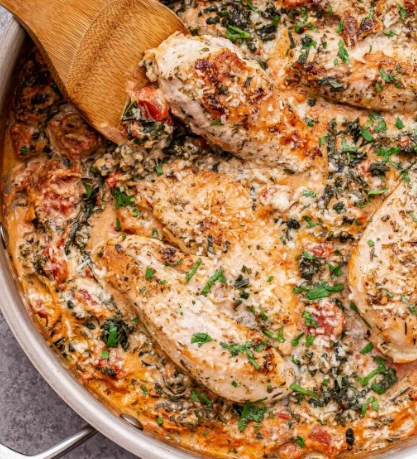
- Combine and Serve: Return the chicken to the pan, spooning the sauce over it. Let it warm through for 2 minutes. Serve immediately over your choice of pasta, polenta, or with roasted vegetables.
Expert Techniques for Perfect Results Every Time
This is where most recipes stop, but this is where the real magic happens. These tips come from fixing my own mistakes.
The Single Biggest Mistake: Adding Cheese to Boiling Liquid. If your sauce turns grainy or separates, this is why. High heat causes the proteins in the dairy and cheese to tighten and squeeze out fat, creating a broken sauce. Always remove the pan from the heat before adding Parmesan. Let the simmering stop, then whisk it in. The residual heat is enough to melt it smoothly.
Chicken Texture is Everything. Dry, rubbery chicken ruins the dish. The key isn't just cooking time, it's preparation and cut. I strongly prefer chicken thighs for their foolproof juiciness, but if you use breasts:
- Pound them to an even thickness (about 1/2 inch). This ensures even cooking.
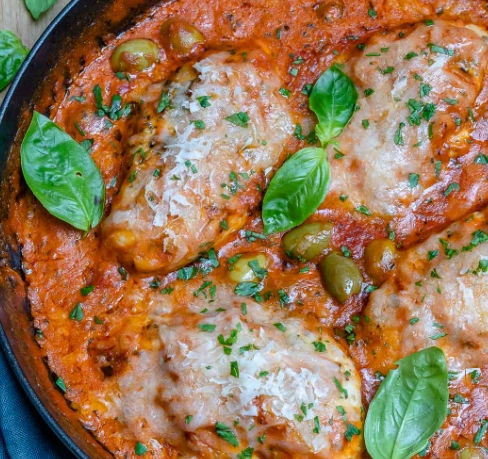
- Don't move them around in the pan. Let that golden crust form.
- Use a meat thermometer. Pull them at 160°F (71°C)—the residual heat will carry them to 165°F.
Flour Power. That light dredge in flour isn't just for thickening the sauce later. It creates a delicate crust that locks in juices and provides texture that soaks up the sauce beautifully. Cornstarch can work in a pinch, but flour gives a better flavor foundation.
| Common Problem | Likely Cause | How to Fix It |
|---|---|---|
| Watery, thin sauce | Added cream to a pan that wasn't hot enough, or used watery vegetables (like frozen spinach not squeezed dry). | Let the sauce simmer longer to reduce. Always squeeze thawed frozen spinach in a clean towel until dry. |
| Grainy, separated sauce | Added cheese while sauce was boiling or used pre-grated cheese with additives. | Take pan off heat before adding cheese. Use freshly grated, high-quality Parmesan. |
| Bland flavor | Underseasoned chicken or sauce, not using the fond (browned bits). | Season every layer (chicken, sauce). Deglaze thoroughly with broth. Finish sauce with a splash of lemon juice or white wine. |
| Tough, dry chicken | Overcooked, chicken pieces too thick, or not rested. | Pound to even thickness, use a thermometer, let rest for 5 mins before slicing. |
5 Delicious Recipe Variations to Try
Once you have the basic method down, the world is your oyster (or your artichoke). Here are my favorite twists.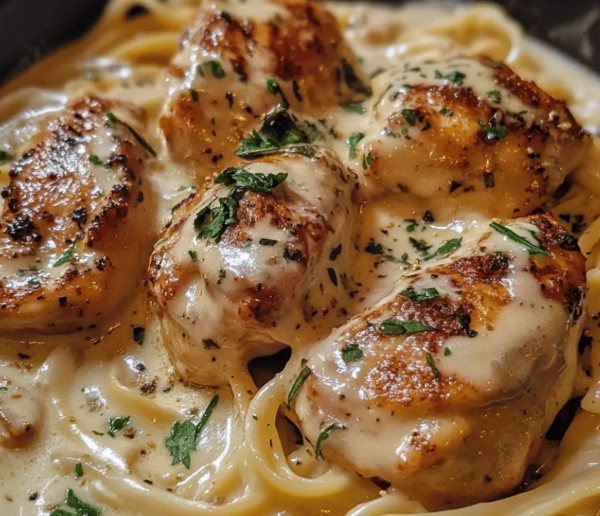
1. Creamy Italian Chicken with Mushrooms and Marsala
Swap the sun-dried tomatoes for 8 oz of sliced cremini mushrooms. After searing the chicken, cook the mushrooms in the same pan until browned. Use 1/2 cup dry Marsala wine instead of half the chicken broth for a deeper, nutty-sweet flavor. A touch of fresh thyme works better than Italian seasoning here.
2. Spinach and Artichoke Chicken
A dip-inspired delight. Add a 14-oz can of artichoke hearts (quartered and drained) along with the spinach. Use a mix of Parmesan and a few tablespoons of cream cheese for an extra tangy, rich sauce. This one is incredible over penne pasta.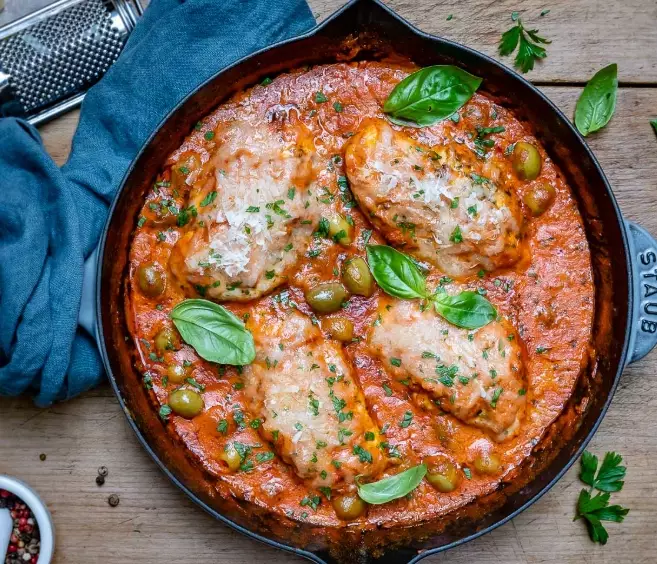
3. Sun-Dried Tomato and Basil Cream Chicken
Double down on the sun-dried tomatoes and add 1/4 cup of their oil to the pan when making the sauce for an intense tomato flavor. Stir in a large handful of fresh chopped basil at the very end, right before serving. The fresh herb makes it pop.
4. Lighter "Creamy" Chicken Piccata
For a less heavy option, replace half the heavy cream with more chicken broth. After building the sauce, stir in 2 tablespoons of capers and the juice of one lemon. The brightness cuts through the richness perfectly. Garnish with fresh parsley.
5. One-Pot Creamy Italian Chicken Pasta
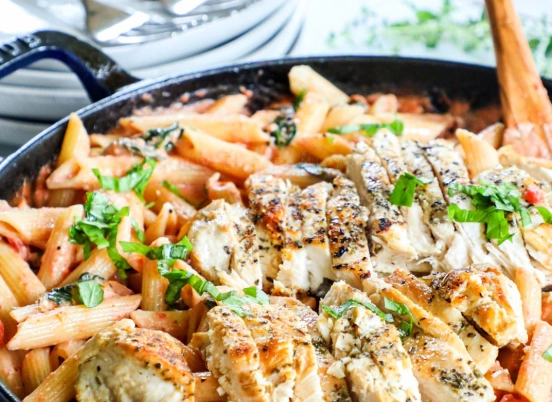
Skip the separate pasta pot. After removing the seared chicken, add an extra cup of broth and a cup of water to the pan. Bring to a boil, then stir in 8 oz of short pasta like rigatoni. Cook according to package time, adding more liquid if needed. In the last 5 minutes, add the cream, cheese, and other sauce ingredients, then return the chicken to finish. It's the ultimate lazy-night solution.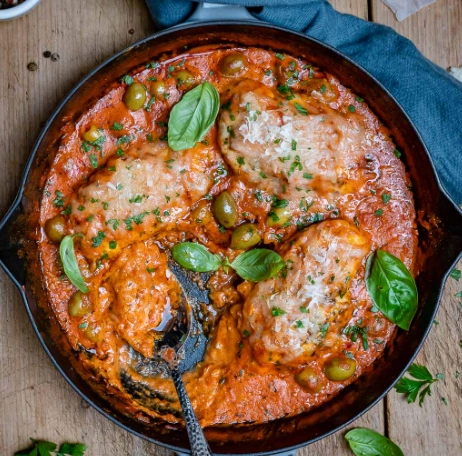
Your Creamy Italian Chicken Questions, Answered
Related Articles
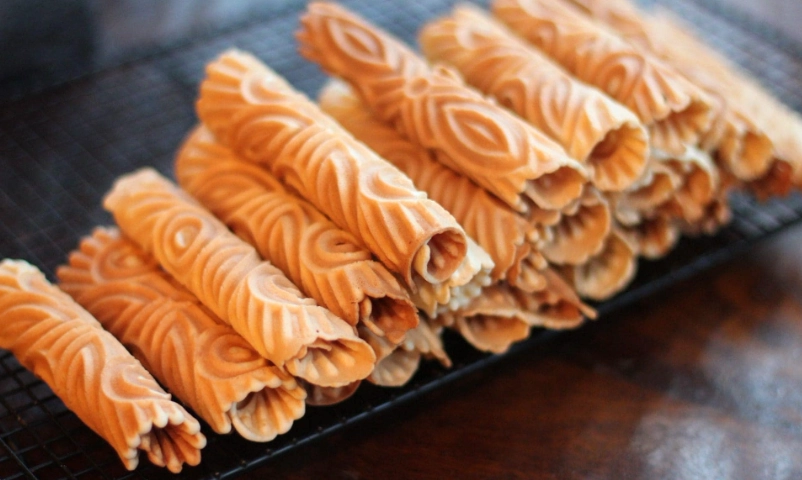
How to Make Pizzelli: The Ultimate Guide to Perfect Italian Waffle Cookies
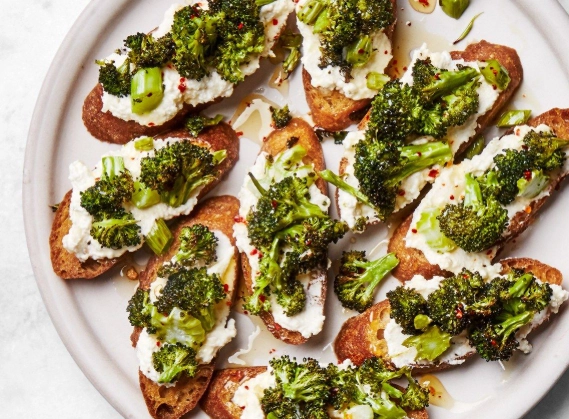
Easy Italian Appetizers: Simple Recipes & Party Platters
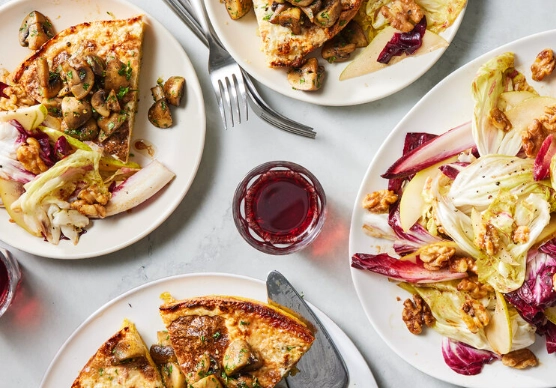
The Ultimate Guide to a 3 Course Vegetarian Italian Meal
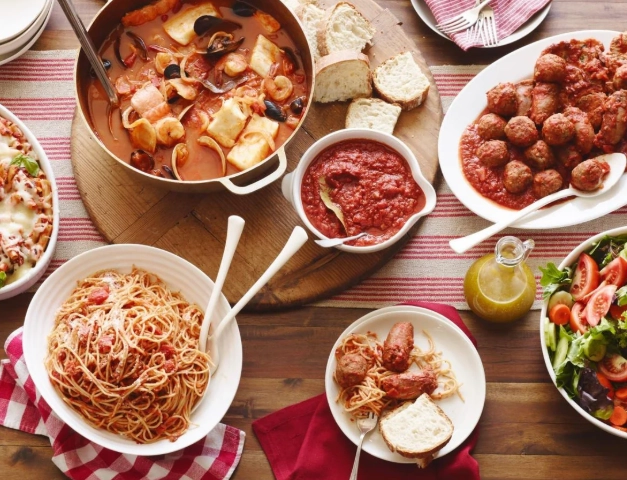
Authentic Italian Family Meal Recipes: From Antipasti to Dolce

Top 10 Italian Foods: The Ultimate List of Must-Try Dishes