Top 10 Italian Chicken Dishes You Must Try
When you think of Italian food, pasta and pizza might dominate. But Italian chicken dishes hold a special place in the country's regional kitchens. They're often Sunday lunch centerpieces, family feast heroes, and surprisingly simple weeknight saviors. This isn't about slathering chicken in tomato sauce and calling it Italian. It's about understanding how different regions use herbs, wine, vinegar, and cooking techniques to transform humble poultry into something extraordinary.
I've spent years cooking in and eating through Italy, and the biggest mistake I see home cooks make is rushing the process. Italian chicken recipes often rely on building layers of flavor through patient browning and slow simmering. Skip that, and you miss the soul of the dish.
Your Quick Guide to Italian Chicken Classics
- The Definitive Top 10 List
- 1. Pollo alla Cacciatora: The Ultimate Hunter's Stew
- 2. Pollo alla Milanese: The Crispy Comfort Food
- 3. Pollo alla Diavola: Spicy & Charred
- 4. Pollo al Mattone: Brick-Pressed Perfectionv
- 5. Pollo alla Romana: Sweet Peppers & Tomatoes
- 6. Pollo con Peperoni: The Bell Pepper Star
- 7. Pollo alla Valdostana: Cheesy & Hearty
- 8. Pollo in Porchetta: Herby & Aromatic
- 9. Pollo con Olive: The Briny, Savory Stew
- 10. Pollo allo Spiedo: Rotisserie Magic
- Your Italian Chicken Questions Answered
The Definitive Top 10 Italian Chicken Dishes
Before we dive into the delicious details, here's a snapshot of our top 10. This table gives you the region, core flavor profile, and a key tip for each dish.
| # | Dish Name | Region of Origin | Key Flavors | Pro Tip |
|---|---|---|---|---|
| 1 | Pollo alla Cacciatora | Tuscany/Central Italy | Tomato, wine, herbs, olives | Use a mix of dark & white meat for depth. |
| 2 | Pollo alla Milanese | Lombardy | Lemon, butter, crispy breading | Pound the cutlets evenly for perfect cooking. |
| 3 | Pollo alla Diavola | Lazio | Spicy, charred, herbaceous | Butterfly the chicken for even grilling. |
| 4 | Pollo al Mattone | Tuscany | Rosemary, garlic, crispy skin | Weigh it down with a heavy pan, not just a brick. |
| 5 | Pollo alla Romana | Lazio | Sweet peppers, white wine, tomato | Cook peppers slowly until they almost melt. |
| 6 | Pollo con Peperoni | Calabria/South Italy | Roasted bell peppers, garlic, paprika | Use fresh, multi-colored peppers for sweetness. |
| 7 | Pollo alla Valdostana | Valle d'Aosta | Fontina cheese, prosciutto, white wine | Don't skimp on the high-quality Fontina. |
| 8 | Pollo in Porchetta | Umbria/Marche | Fennel, garlic, rosemary, crispy skin | Let the seasoned chicken rest overnight. |
| 9 | Pollo con Olive | Sicily | Green olives, capers, white wine | Use a mix of brine-cured and salt-cured olives. |
| 10 | Pollo allo Spiedo | Nationwide (Trattoria staple) | Herbs, lemon, crispy rotisserie skin | Baste frequently with herb-infused oil. |
Now, let's get into the meat of it (pun intended).
1. Pollo alla Cacciatora: The Ultimate Hunter's Stew
This is the king of Italian chicken stews. "Cacciatora" means "hunter's style," and the story goes that hunters would cook their game with whatever they had—tomatoes, onions, herbs, sometimes wine or vinegar. For chicken, it translates to a deeply savory, rustic braise. The American version drowned in tomato sauce? That's a distant cousin. The authentic one is more balanced, often using white or red wine, and the tomatoes are a background player, not the star.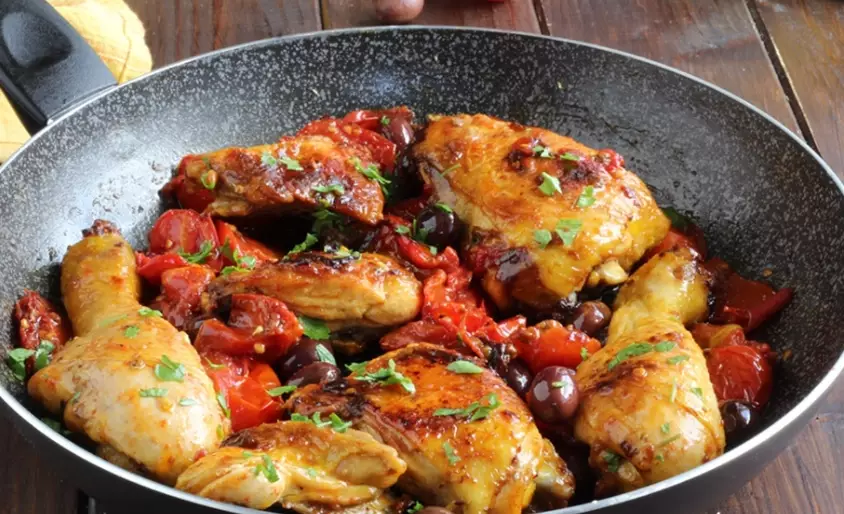
The common error: Using only boneless, skinless chicken breast. It dries out. You need bone-in, skin-on thighs and drumsticks. The bones add flavor to the sauce, and the skin, when browned properly, gives a foundation you can't replicate.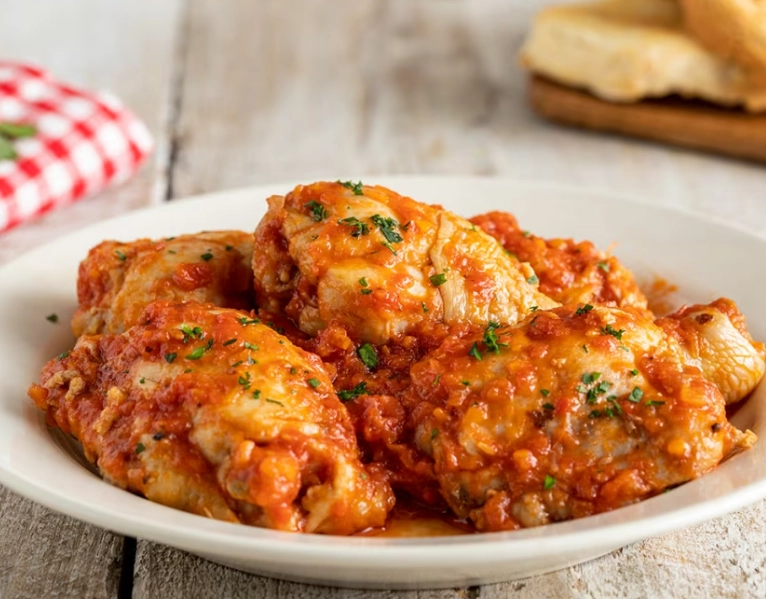
Where to eat it in Italy: Any countryside trattoria in Tuscany or Umbria. In Florence, try Trattoria Mario (Via Rosina, 2). No frills, shared tables, and their Cacciatora is textbook. It's about €15-18 for a hearty portion. Go early for lunch—they don't take reservations and close when the food runs out.
2. Pollo alla Milanese: The Crispy Comfort Food
Think of it as chicken's answer to Veal Milanese. A thin, tender chicken cutlet, pounded, breaded in breadcrumbs and Parmesan, and fried until golden. It's served simply with a lemon wedge and maybe an arugula salad. The beauty is in its simplicity and perfect texture—crispy outside, juicy inside.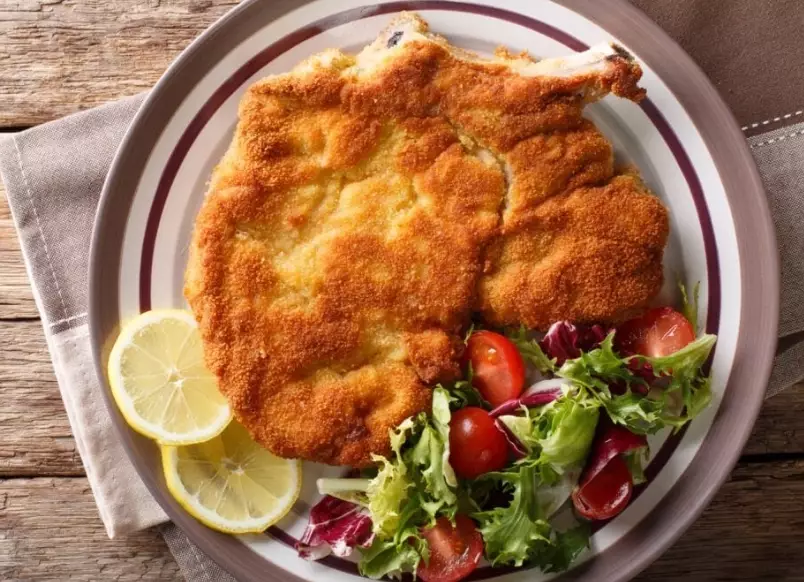
It's a staple of home cooking and casual lunch spots in Milan. The breadcrumbs should be fine and dry. Some families add a pinch of nutmeg to the flour. The key is the double-dredge: flour, egg, breadcrumbs. And let it rest on a rack after frying, not on paper towels, to keep the bottom crisp.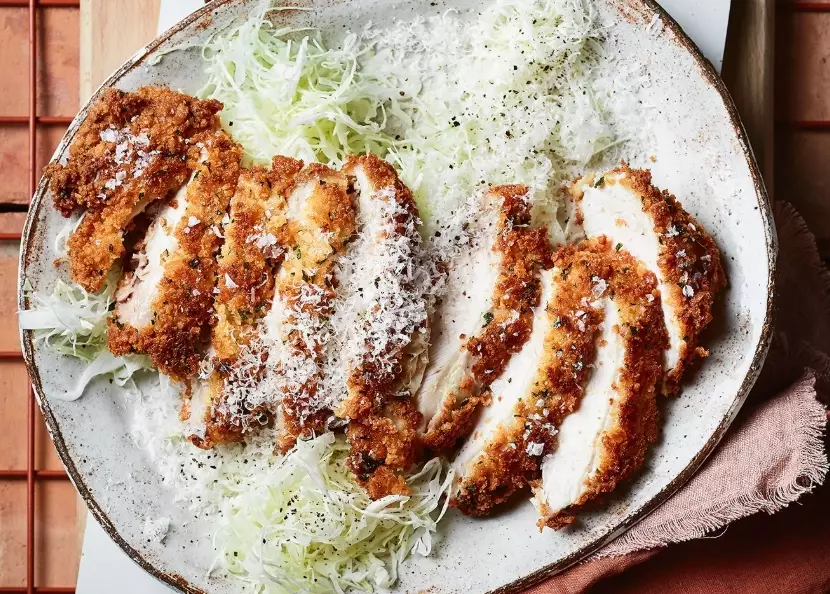
3. Pollo alla Diavola: Spicy & Charred
"Diavola" means "devil's style," referring to the spicy black pepper and chili rub. A whole chicken is butterflied, pressed flat, marinated with herbs, pepper, and oil, then grilled or roasted. The result is incredibly juicy meat with crackling, spicy skin. The technique of butterflying (spatchcocking) is non-negotiable—it ensures even cooking and maximum skin contact with the heat.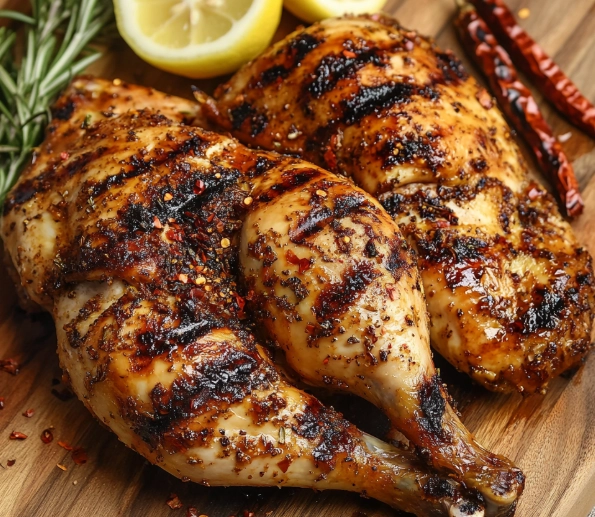
In Rome, you'll find this at classic grills ("rosticcerie"). The version at Felice a Testaccio (Via Mastro Giorgio, 29) is legendary. They use a specific breed of chicken and a charcoal grill. Expect to pay around €20-25 for a whole chicken meant for sharing. The aroma alone is worth it.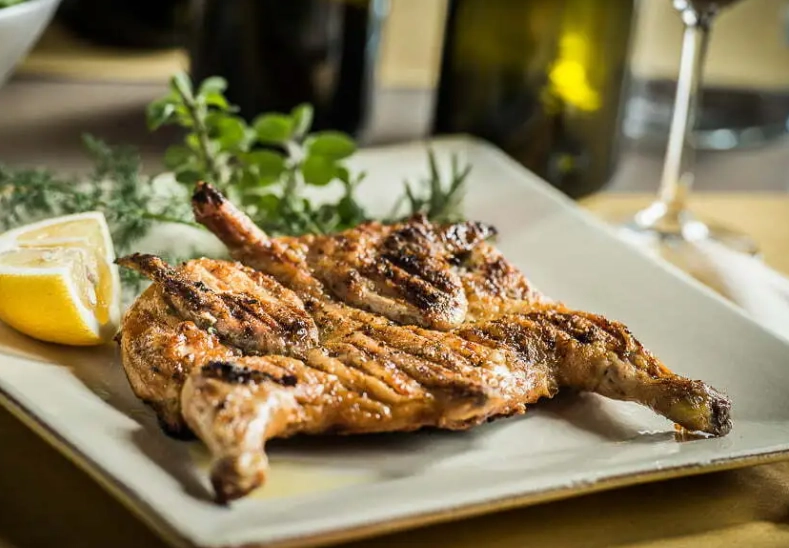
4. Pollo al Mattone: Brick-Pressed Perfection
Another Tuscan gem. "Al Mattone" means "with a brick." A butterflied chicken is marinated with rosemary, garlic, and lemon, then cooked under the weight of a brick (or heavy pan) in a skillet. The weight presses the skin directly onto the hot surface, rendering the fat and creating an unbelievably crispy, flat skin while keeping the meat succulent. It's a method that requires minimal ingredients but delivers maximum impact.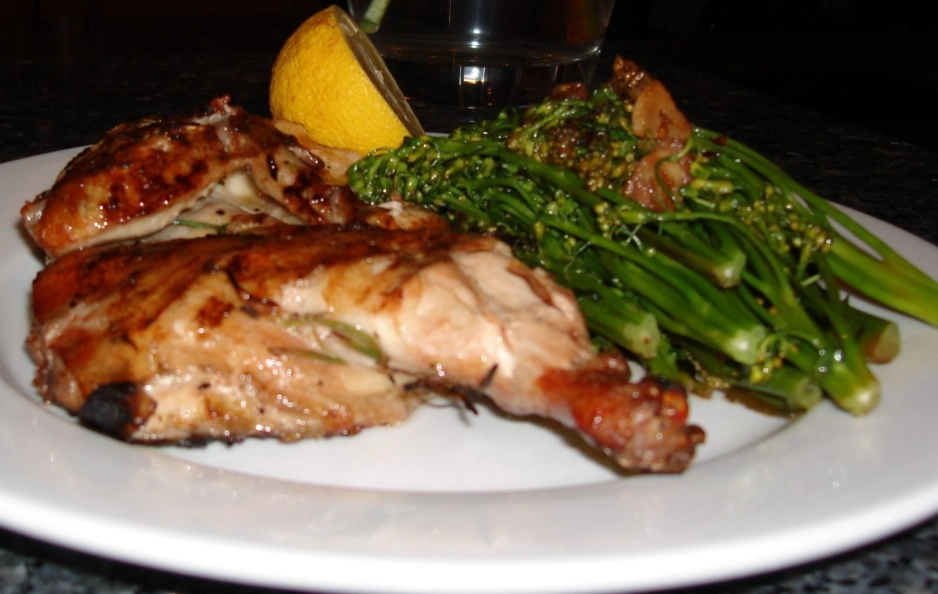
It's deceptively simple to mess up. If your pan isn't heavy-bottomed or the heat is too high, the skin burns before the meat cooks. Medium heat and patience are your friends. Serve it with cannellini beans drizzled with good olive oil.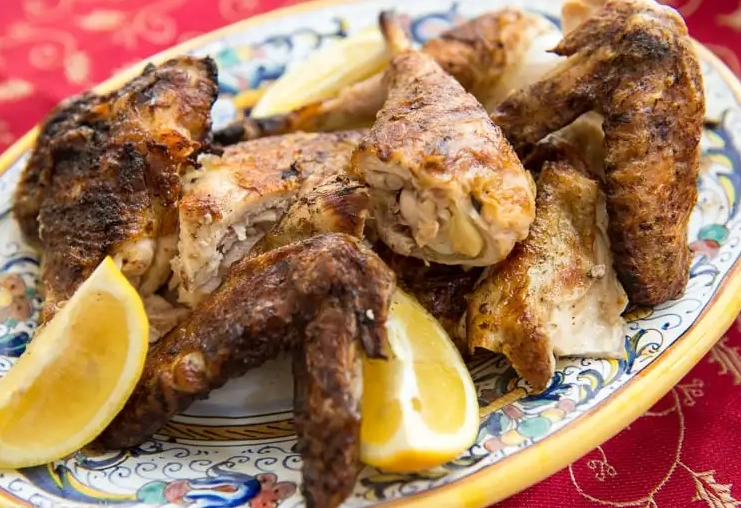
5. Pollo alla Romana: Sweet Peppers & Tomatoes
Hailing from Rome, this is a brighter, sweeter cousin to Cacciatora. The stars are yellow or red bell peppers, slowly stewed with tomatoes, white wine, and a hint of chili. The chicken is browned first, then simmers with the peppers until they become almost jam-like. The sweetness of the peppers caramelizes and creates a beautiful sauce that's neither too tomatoey nor too heavy.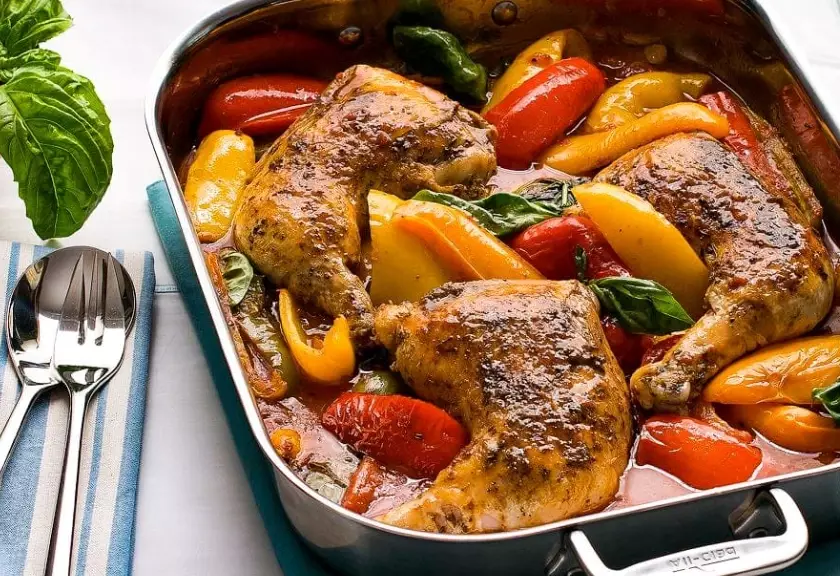
The trick is to cut the peppers into strips and cook them long enough that they lose all crunch. They should meld into the sauce. This is a fantastic summer dish when peppers are at their peak. A great recipe can be found on Gambero Rosso's website, a major Italian food authority.
6. Pollo con Peperoni: The Bell Pepper Star
Yes, another pepper dish, but this one, from the south (like Calabria), has a different personality. It's often simpler, focusing purely on the flavor of roasted bell peppers, garlic, paprika, and sometimes a splash of vinegar. It's less of a stew and more of a sauté or bake where the peppers retain more texture. It's vibrant, simple, and packed with vitamin C.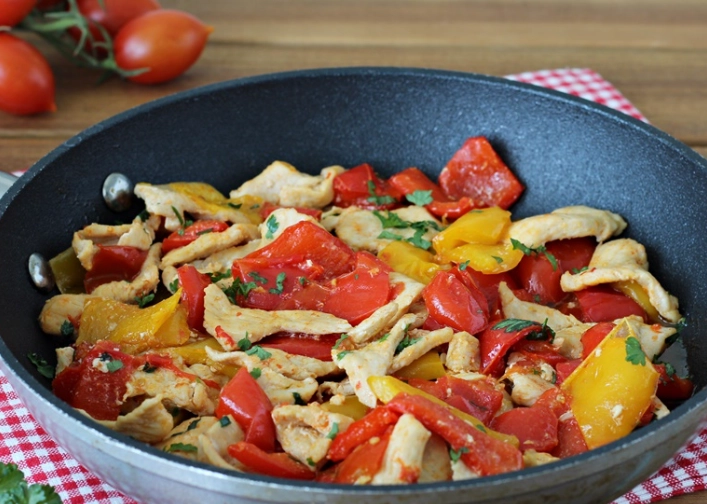
Using a mix of red, yellow, and orange peppers makes it visually stunning and adds depth of sweetness. Some nonnas add a handful of cherry tomatoes for acidity. It's a weeknight winner that feels special.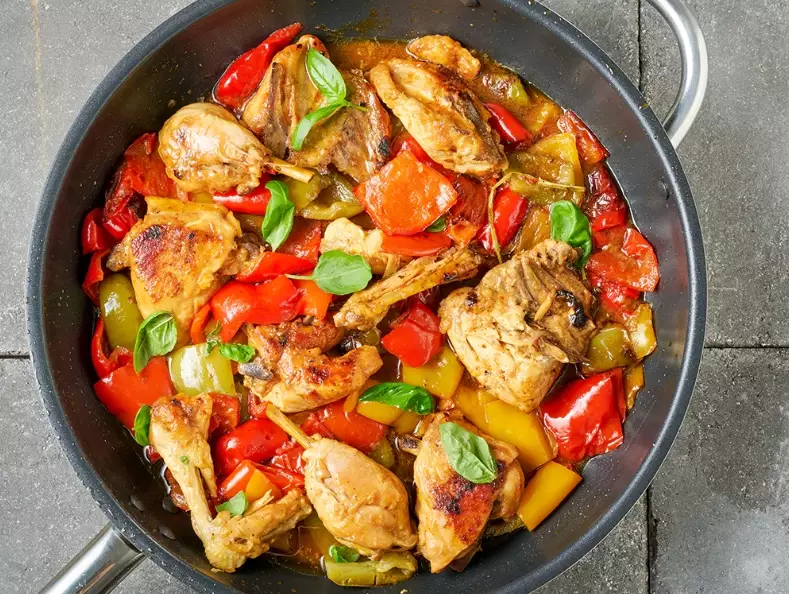
7. Pollo alla Valdostana: Cheesy & Hearty
From the mountainous Valle d'Aosta region near France, this is Italian comfort food at its richest. A chicken cutlet is topped with a slice of prosciutto crudo and melted Fontina cheese, then often baked with a splash of white wine. It's gooey, salty, savory, and incredibly satisfying. The quality of the Fontina DOP is crucial—it has a distinct nutty, semi-soft melt that processed cheese can't match.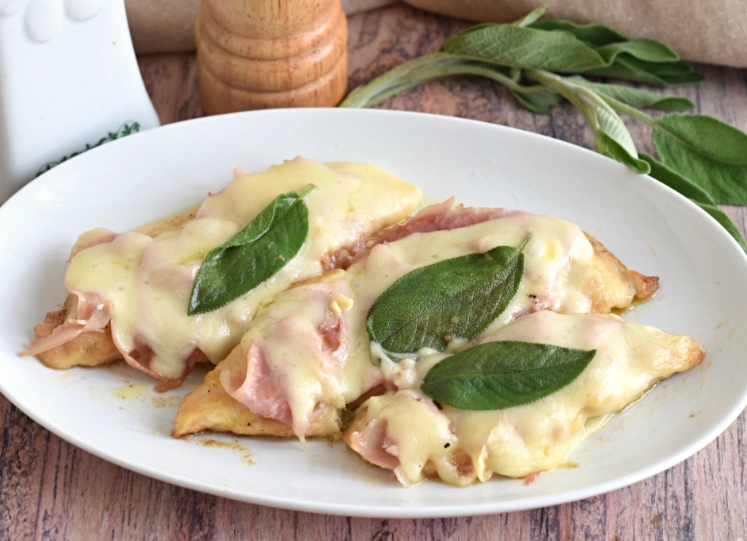
It's commonly found in the ski resorts of the Alps but is easy to make at home. Pair it with buttery polenta or roasted potatoes to soak up the cheesy wine sauce. It's the dish you crave after a long, cold day.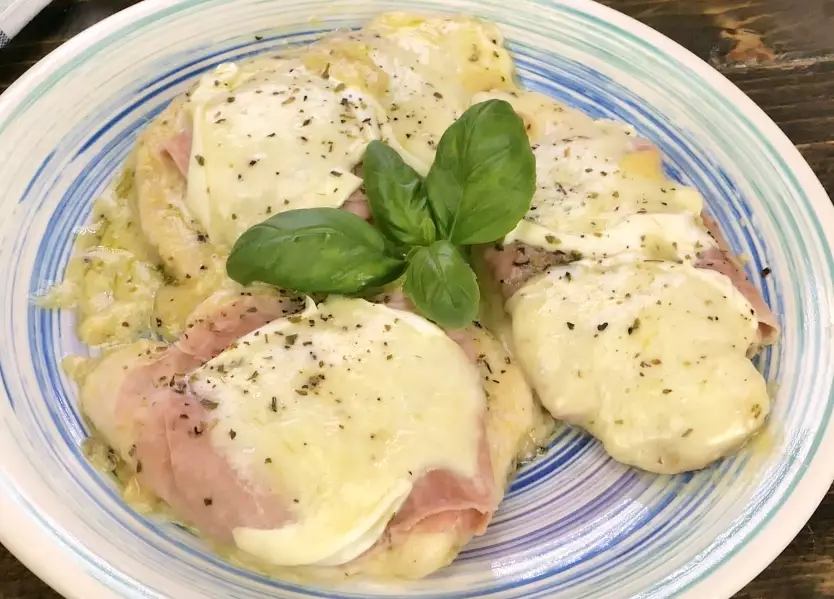
8. Pollo in Porchetta: Herby & Aromatic
"Porchetta" traditionally refers to a whole, deboned pork roast stuffed with herbs. "Pollo in Porchetta" applies that iconic flavor profile to chicken. A whole chicken is deboned or butterflied, then stuffed or heavily seasoned with garlic, wild fennel, rosemary, and black pepper. It's then rolled, tied, and roasted until the skin is crackling and the herbs perfume the entire bird.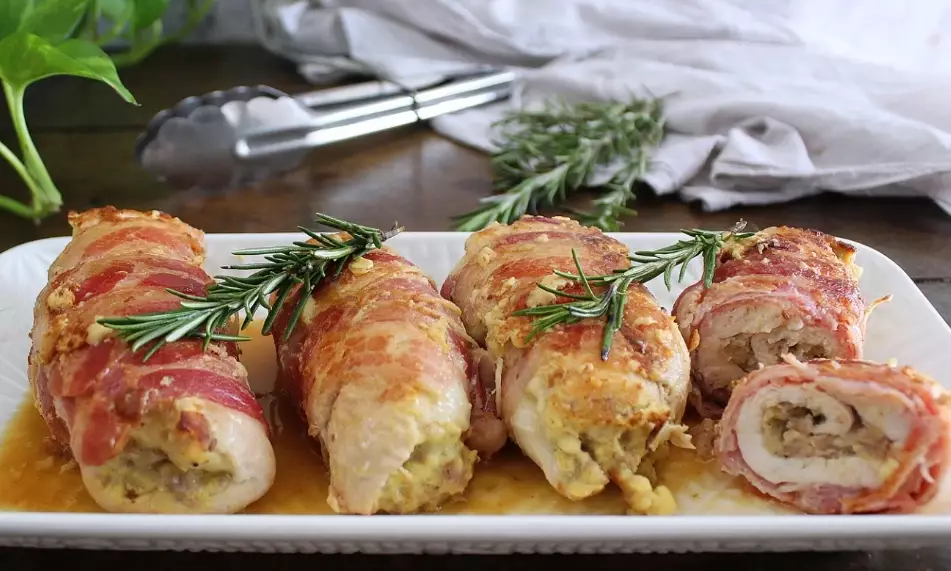
The fennel is the signature. If you can't find wild fennel, fennel seeds and fresh fennel fronds work. Letting the seasoned chicken rest in the fridge overnight allows the flavors to penetrate deeply. Sliced thinly, it's fantastic hot or cold, making it perfect for picnics or festive gatherings.
9. Pollo con Olive: The Briny, Savory Stew
A staple of Sicilian and southern cooking, this dish celebrates the bold flavors of the Mediterranean. Chicken is braised with a generous amount of green olives (sometimes black), capers, white wine, garlic, and herbs. It's tangy, salty, and deeply savory. The olives and capers aren't just garnishes; they're integral ingredients that create the sauce's character.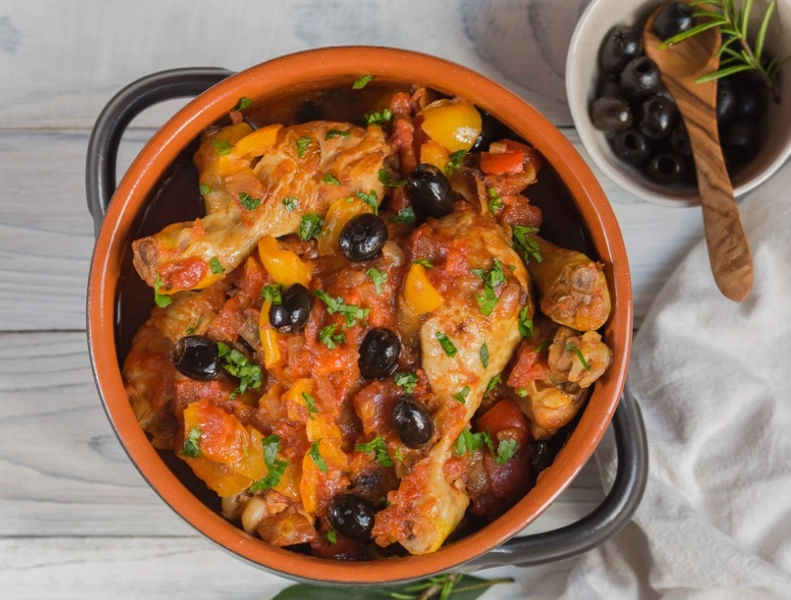
Use good quality olives—Castelvetrano olives bring a buttery note, while more bitter varieties like Cerignola add complexity. Don't add them too early, or they can become mushy and overly salty. Stir them in during the last 15-20 minutes of simmering. Serve with crusty bread for mopping.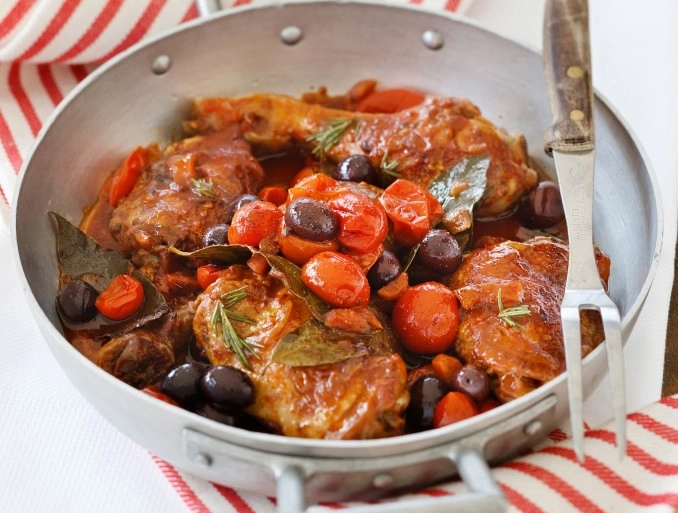
10. Pollo allo Spiedo: Rotisserie Magic
This is the quintessential trattoria and street food chicken. "Allo spiedo" means on the spit. Whole chickens are skewered on a large rotisserie, basted with a simple mixture of oil, lemon, rosemary, and sage, and slowly turned until the skin is uniformly golden and crisp, and the meat is fall-off-the-bone tender. The constant rotation self-bastes the chicken, making it incredibly juicy.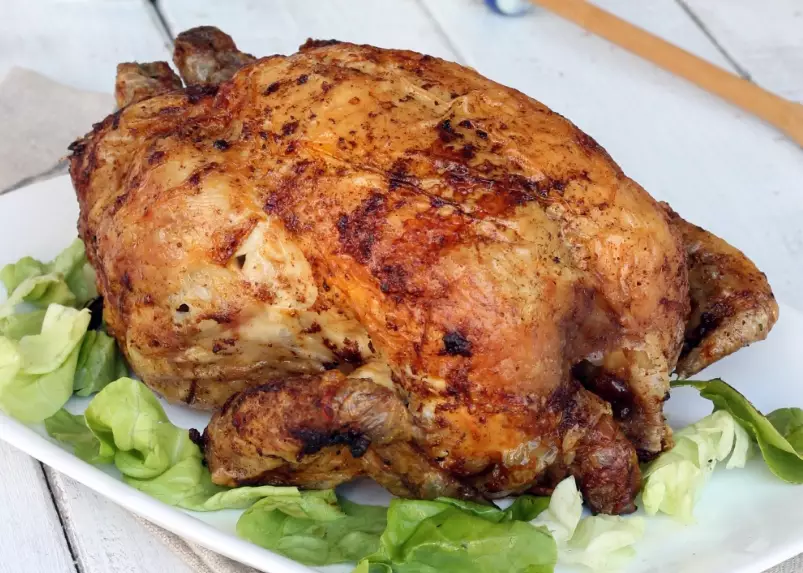
You'll see these rotating in the windows of rosticcerie all over Italy. It's often sold by weight ("al peso") or as a quarter/half chicken with roasted potatoes. It's simple, honest, and universally loved. The smell is irresistible. For a classic Roman experience, grab a portion from a busy rosticceria in the Testaccio market.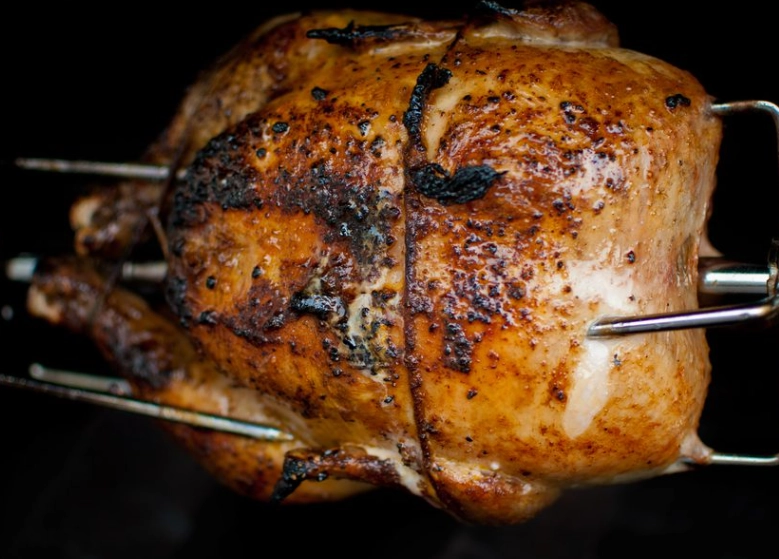
Your Italian Chicken Questions Answered
What's the best cut of chicken for most Italian braises like Cacciatora?
Hands down, bone-in, skin-on chicken thighs and drumsticks. The bones release gelatin during slow cooking, enriching the sauce in a way boneless meat can't. The skin, when seared first, creates fond (the browned bits in the pan) which is the flavor foundation for your sauce. Using only breast meat will almost guarantee a drier result and a thinner, less satisfying sauce.
I don't have white wine for Pollo alla Romana. Can I substitute it?
You can use a dry vermouth, which actually keeps well in the pantry. In a pinch, a splash of chicken broth with a teaspoon of white wine vinegar or lemon juice can mimic the acidity. Avoid red wine for this dish—it will clash with the sweet peppers and turn the sauce an unappealing color.
My chicken cutlets for Milanese always end up soggy. What am I doing wrong?
Three likely culprits. First, your oil isn't hot enough. Test it with a breadcrumb—it should sizzle immediately. Second, you're overcrowding the pan, which drops the temperature and steams the chicken. Fry in batches. Third, and most common, you're placing the fried cutlet directly on a plate or paper towel, trapping steam. Let it rest on a wire rack over a sheet pan. This allows air to circulate and keeps the bottom crisp.
Is "Pollo alla Diavola" extremely spicy?
Not usually. "Diavola" refers more to the technique (butterflying and grilling) and the generous use of black pepper, not necessarily scorching heat. The rub typically includes black pepper, maybe some chili flakes, herbs, and oil. You control the heat. The version you get in a Roman restaurant will have a kick, but it's more of a warm, peppery glow than mouth-burning spice.
Can I make these dishes ahead of time for a dinner party?
Braised dishes like Pollo alla Cacciatora, con Olive, or alla Romana are actually better made a day ahead. The flavors meld and deepen overnight in the fridge. Reheat gently on the stove. For dry-heat dishes like Milanese or al Mattone, cook them to order for the best texture. You can prep the components (pound cutlets, make the breading, butterfly and marinate the chicken) hours in advance.
Related Articles
Italian Penicillin Soup: The Ultimate Chicken Soup Recipe & Guide
Top 10 Italian Desserts: A Sweet Journey Through Italy
Authentic Italian Meatballs: Nonna's Secrets & Step-by-Step Recipe
Easy Italian Chicken Recipes with 5 Ingredients or Less
Authentic Italian Beef Recipe: The Ultimate Chicago-Style Sandwich Guide