Why is Pastina Called Italian Penicillin? The Comfort Food Remedy
If you've ever been cared for by an Italian nonna (grandmother) or mama when you were sick, you know the drill. Before the cough syrup, before the thermometer gets a second reading, comes a steaming bowl of pastina in brodo — tiny pasta stars or letters floating in a simple, clear broth. It's not just food; it's the first line of defense. This humble dish has earned the affectionate nickname "Italian penicillin" across generations, and the reason goes far deeper than just tradition. It's a perfect storm of practicality, nutrition, and profound emotional care that actually works.
Let's be clear, it won't cure a bacterial infection like actual penicillin. But for the common cold, a sour stomach, or that general rundown feeling, its restorative powers are legendary. I remember being force-fed this by my own grandmother, convinced it was magic. Now I make it for my kids. The ritual hasn't changed.
What You'll Discover in This Article
What Exactly is Pastina?
Pastina, which literally means "little paste," is the smallest pasta shape commercially available. It's the entry-level pasta for Italian babies and the go-to for anyone with a fragile stomach. You won't find it featured in fancy restaurants, but you'll find boxes of it in every Italian pantry and every Italian-American household I've ever been in.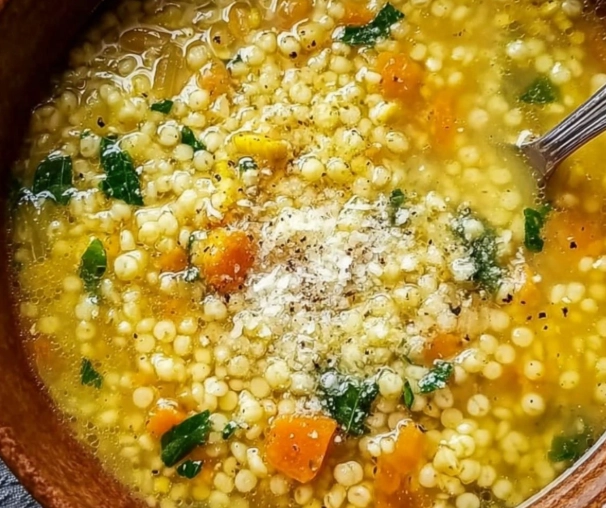
The shapes are designed for maximum ease. We're talking about stars (stelline), little rings (anellini), tiny tubes (ditalini), or even alphabet letters. The point is surface area and softness. They cook in minutes and dissolve almost completely into the broth, creating a smooth, porridge-like consistency that requires minimal chewing and is incredibly easy to digest.
A Quick Guide to Common Pastina Shapes: While any tiny pasta can work, some are more traditional for brodo (broth) than others. The classic "Italian penicillin" bowl usually features the shapes that cook down to the smoothest texture.
| Shape Name (Italian) | Description | Best For |
|---|---|---|
| Stelline | Tiny stars. The most iconic shape for sick-day pastina. | The classic choice. Cooks very soft, visually comforting. |
| Anellini | Miniature rings. | Broths and simple soups. Holds broth well. |
| Ditalini | Small thimble-shaped tubes. | Heartier pastina soups, like pasta e fagioli (though slightly larger). |
| Acini di pepe | "Peppercorns" - tiny round balls. | Dessert pastinas (like dolce di pastina) and very fine soups. |
| Alphabets | Letter-shaped pasta. | Kids love it. Less traditional but equally functional. |
You can find pastina in any supermarket, but the brand matters to purists. Many Italian families swear by brands like De Cecco or Barilla for their texture. The cheap, no-name stuff can sometimes turn to glue, which is the last thing you want when you're feeling ill.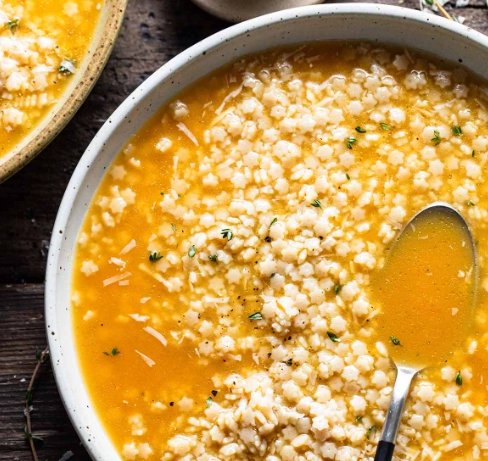
The Historical and Cultural Roots of the Nickname
To understand the nickname, you have to step back into a post-war Italy, or even earlier. Penicillin was discovered in 1928 and became widely available to the public after World War II, revolutionizing medicine. It was a literal lifesaver, a miracle drug.
Around the same time, in many parts of Italy, especially poorer rural areas, access to doctors and medicine was limited. What did families have? They had their kitchens. They had their traditions. The cure for a wide array of minor ailments—chills, fatigue, loss of appetite after a fever—was a bowl of hot, nourishing, easy-to-make soup. Pastina in brodo was the most accessible, gentle form of that.
The comparison to penicillin is a metaphor born from necessity and observation. Families saw that this simple food had a powerful, consistent healing effect on the sick. It brought strength back. It soothed. It was reliable. It was their miracle remedy, available anytime, from the pantry. Calling it "Italian penicillin" was a way of elevating its status, of saying, "This is our family's medicine." It's a term of endearment and deep respect.
This isn't just an old wives' tale documented in family kitchens. The importance of broth and simple pasta in convalescence is noted in Italian culinary history. You can find references to the restorative power of brodo in texts from the Italian Academy of Cuisine (Accademia Italiana della Cucina), which works to preserve Italy's culinary heritage.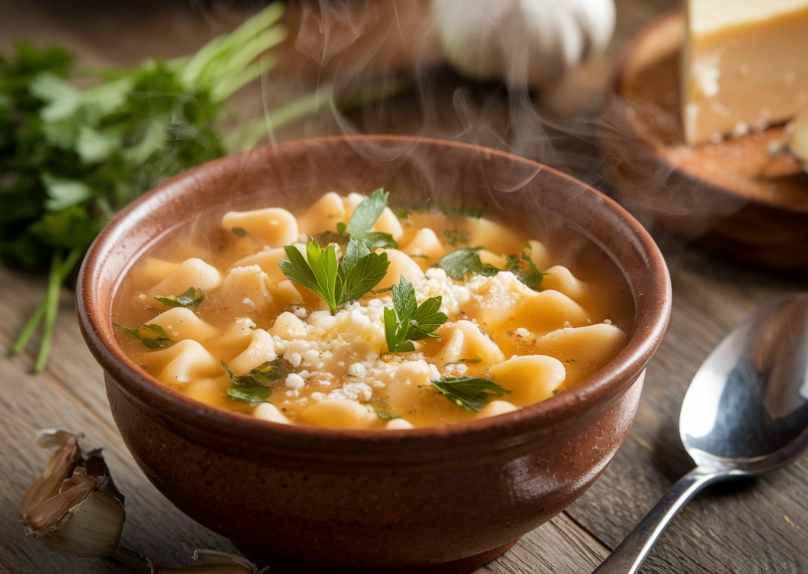
The Science (and Soul) Behind the Remedy
So, is there any real science to back up the nickname, or is it all placebo? It's a bit of both, and that's what makes it so effective.
The Physical Reasons It Works
Easy Digestibility: When you're sick, your digestive system is often the first to protest. Fats, complex proteins, and fiber can be hard to process. Pastina is made from simple durum wheat semolina, and when cooked thoroughly in broth, it becomes almost pre-digested. It provides quick carbohydrates for energy without taxing the gut.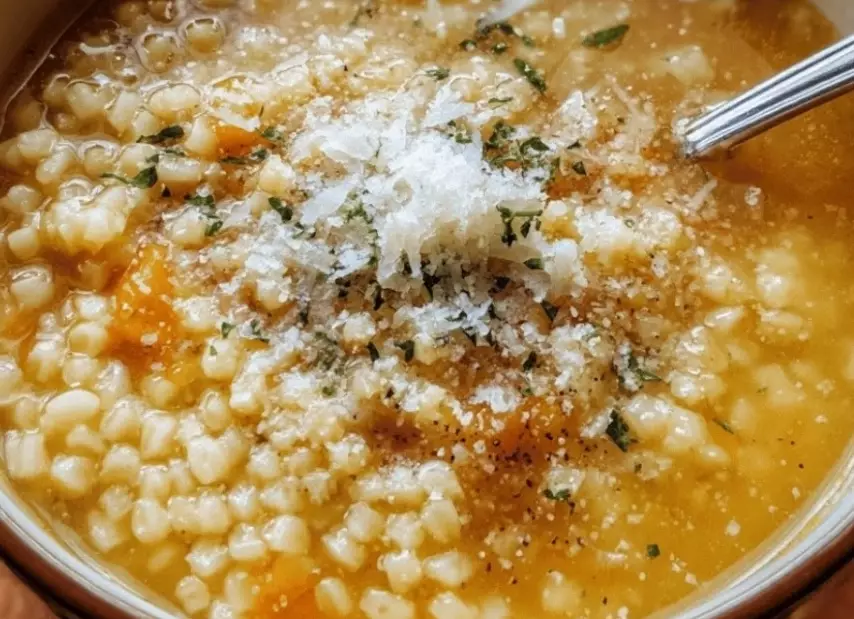
Hydration and Electrolytes: The real star of the show is the brodo, or broth. A well-made broth—chicken, beef, or vegetable—is rich in electrolytes like sodium and potassium, which are lost through fever and sweating. Sipping the warm broth rehydrates you far more effectively than plain water. A study published in the journal Chest (yes, really) suggested that chicken soup may have mild anti-inflammatory properties that could ease cold symptoms. While the study focused on a specific recipe, the principle of hot liquid and nutrients applies.
Gentle Nutrition: It delivers calories and some protein (from the pasta and any broth made with meat) in the most gentle way possible. You can add a sprinkle of Parmigiano-Reggiano for extra protein, calcium, and umami, which boosts the flavor and can stimulate a flagging appetite.
The Psychological (The "Soul") Component
This is where the "Italian" part of "Italian penicillin" really shines. The act of someone making this for you is a profound gesture of care. The smell alone is therapeutic. It triggers memories of safety and being looked after.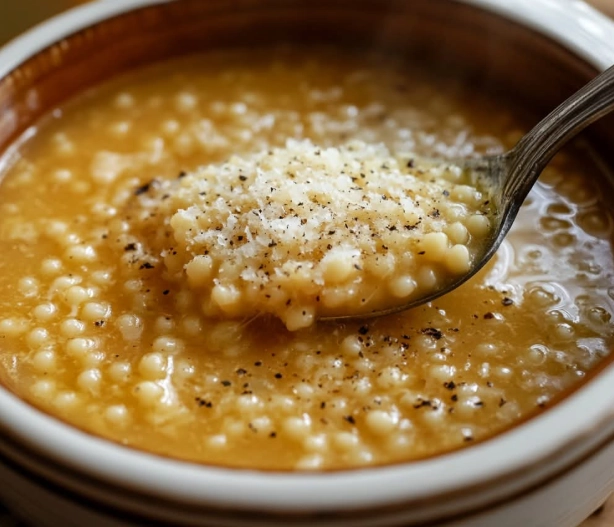
It's a ritual. The sound of the pot clinking, the steam, the careful ladling into a bowl. It signals to your brain and body that it's time to rest, to be nurtured. This emotional comfort reduces stress, and lower stress can actually give your immune system a better chance to fight off whatever's ailing you. The food writer and historian Katie Parla often speaks about food as a cultural and emotional language in Italy; pastina in brodo is a primary dialect of care.
I think a lot of modern "wellness" advice misses this point entirely. They focus on superfoods and exotic powders but ignore the fundamental power of a familiar, lovingly prepared simple food. That connection is potent medicine.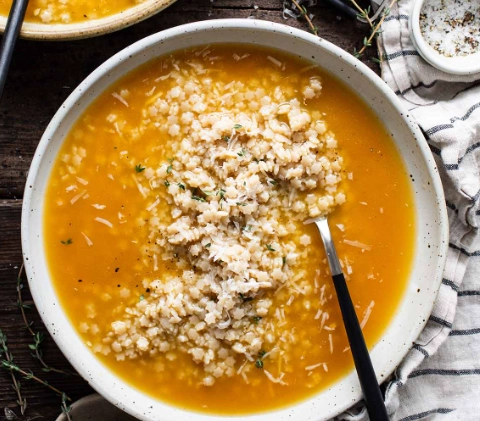
How to Make Authentic Italian Penicillin Pastina
You can't just boil any pasta in any broth. There's a method to the magic. Here’s how my grandmother did it, and how I do it now.
The Broth is Non-Negotiable. The best is homemade. A simple chicken broth: cover a chicken carcass or wings with cold water, add an onion, a carrot, a celery stalk, a few peppercorns, and a pinch of salt. Simmer for at least 2-3 hours, skimming occasionally. Strain. That's liquid gold. If you must use store-bought, choose a low-sodium, high-quality broth. Pacific Foods or Imagine are decent brands. Avoid anything with a long list of chemicals; you want clean flavor.
The Ratio Matters. For one serving for a sick person: about 1.5 to 2 cups of broth to a scant 1/4 cup of dry pastina. You want it soupy, not thick. It should be easy to sip from the bowl.
The Process: Bring the broth to a gentle boil in a small pot. Add the pastina and cook for the time on the package, usually 4-5 minutes. Stir frequently to prevent sticking. Taste a piece—it should be very soft, almost melting. That's the texture you need.
The Finishing Touch: Ladle into a warm bowl. Let it cool for just a minute. Then, and this is crucial, stir in a generous tablespoon of freshly grated Parmigiano-Reggiano (not the pre-grated stuff in a canister, which contains anti-caking agents). The cheese adds depth, saltiness, and protein. Some families add a tiny pat of butter for extra richness.
Serve it immediately. No distractions. Just the bowl, a spoon, and maybe a quiet corner to recover in.
A Modern, Nonna-Approved Variation
For a child (or adult) with absolutely zero appetite, try Pastina con il Burro e Parmigiano (Pastina with Butter and Cheese). Cook the pastina in lightly salted water until very soft. Drain, leaving it a tiny bit wet. Return to the pot, off the heat. Stir in a good knob of butter and a heavy snowfall of Parmigiano until it creates a creamy, comforting paste. It's richer than the broth version, and sometimes that dense hit of carbs and fat is what's needed to spark the appetite back to life.
Beyond the Bowl: Pastina as a Cultural Touchstone
Pastina's role doesn't end with sickness. It's a foundational food in the Italian lifecycle.
It's the first solid food for millions of Italian babies, often introduced around 6 months. It's the midnight snack after a long trip or a late night out. It's the food of grief, when cooking a full meal feels impossible, but you need something sustaining and gentle.
This is why the nickname sticks. It's not just about curing a cold; it's about curing a low spirit, a tired body, a sense of displacement. It's a culinary hug. When you eat it, you're participating in a centuries-old chain of care. You're connected to every Italian nonna who ever stood at a stove, worrying over a loved one.
I've made this for friends of all backgrounds after breakups, after hard days, after surgery. The response is always the same: a look of surprise, then deep comfort. It works.
Your Pastina Questions, Answered
Can pastina really help with a cold or flu, or is it just a placebo?
What's the best broth to use for authentic Italian penicillin pastina?
My store only has orzo or small egg noodles. Can I use those instead?
At what age can I start giving pastina to a baby?
Is pastina actually healthy, or is it just empty carbs?
Related Articles
Original Carbonara Recipe Italian Easy: Authentic & Foolproof Guide
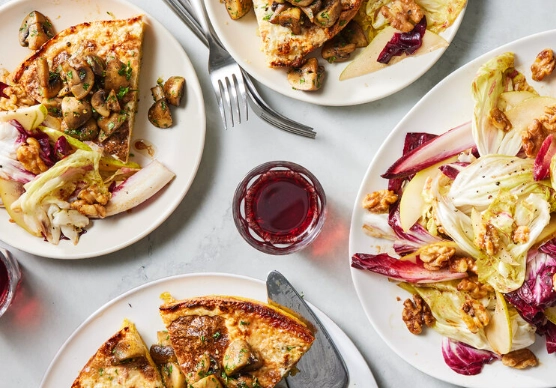
The Ultimate Guide to a 3 Course Vegetarian Italian Meal
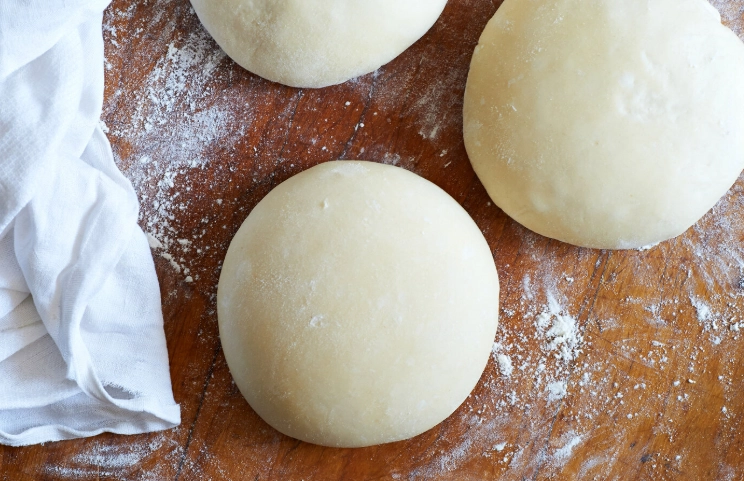
Italian Pizza Dough Flour: The Authentic Choice Revealed
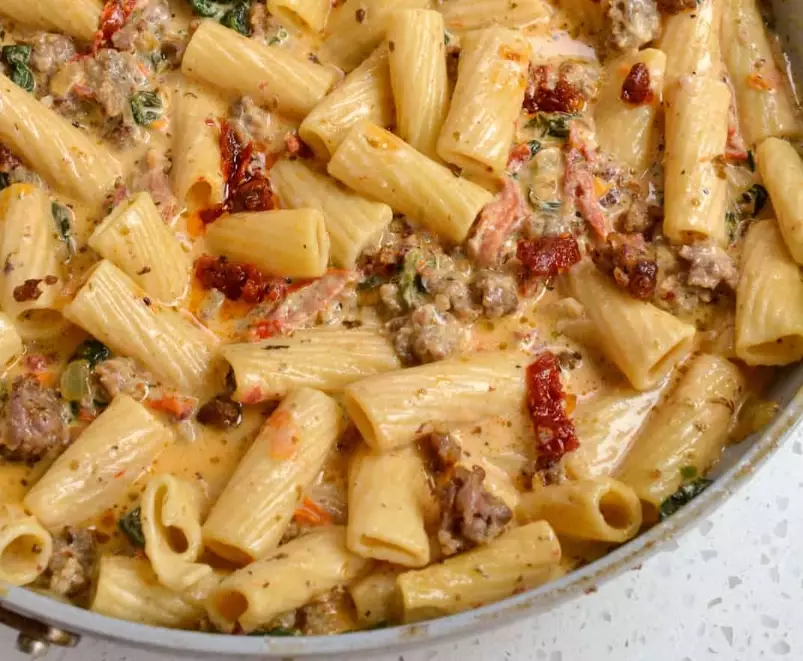
Italian Sausage Dinner Recipes: Easy, Flavorful Family Meals
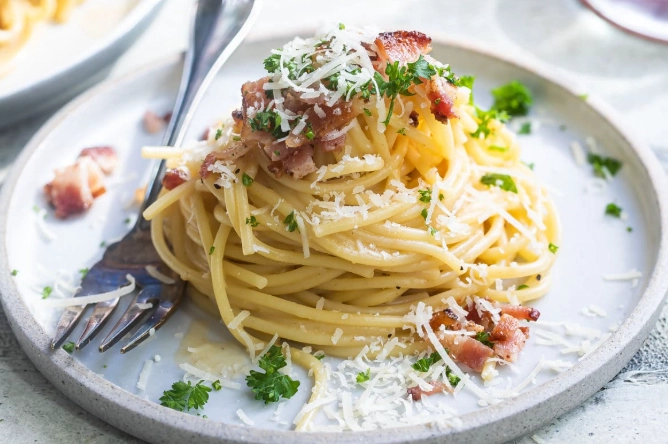
Authentic Italian Carbonara Recipe: The Only Guide You'll Ever Need