Easy Italian Penicillin Soup: The Ultimate Comfort Food Recipe
Italian Penicillin Soup, also known as Stracciatella, is the culinary equivalent of a warm hug. It’s that simple, brothy, egg-drop soup your Italian nonna might have sworn by when you had a sniffle. Forget complicated recipes with a million ingredients. This is about minimalism, maximum flavor, and soul-soothing comfort that comes together in under 30 minutes. I’ve made this soup countless times, and I can tell you the "easy" part is real—but there's one tiny mistake most beginners make that turns the delicate egg ribbons into rubbery chunks. Let's get that right from the start.
What’s Inside This Guide?
What is Italian Penicillin Soup?
Let's clear something up. "Italian Penicillin" isn't an official medical term (shocking, I know). It's an affectionate nickname for brothy, restorative soups like Stracciatella and its heartier cousin, Chicken Soup with Pastina. The version we're focusing on is Stracciatella alla Romana—literally "little rags" in Italian—referring to the delicate shreds of egg cooked in a rich broth. It’s from Rome, it's ancient, and it requires no fancy skills. The beauty lies in its simplicity: a deeply flavored broth, eggs, cheese, and a touch of herbs. When done right, it’s clear, light, and profoundly satisfying. It’s the soup you make when you’re tired, pressed for time, or just need something gentle on the stomach.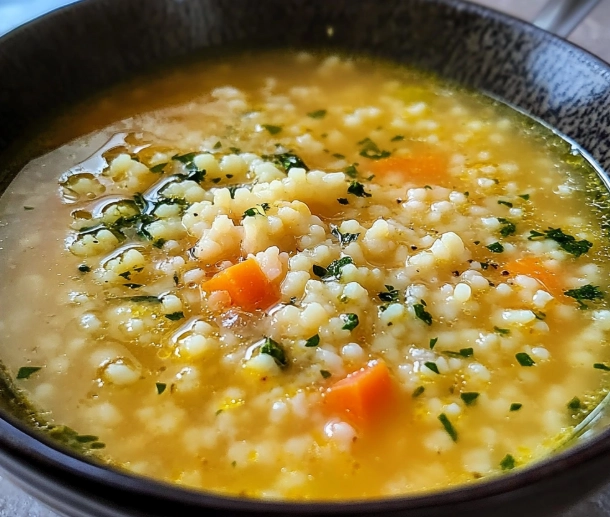
Ingredients: The Simple Breakdown
You only need a handful of items. The quality of your broth is the non-negotiable star here. A weak broth makes a forgettable soup.
| Ingredient | Quantity | Notes & Why It Matters |
|---|---|---|
| Chicken or Vegetable Broth | 6 cups (1.4 liters) | Use the best quality you can find or make. Low-sodium is ideal so you control the salt. Homemade is king, but a good store-bought organic broth works perfectly. |
| Large Eggs | 3 | They create the "stracciatella" or shreds. Fresh eggs will have richer flavor and better texture. |
| Finely Grated Parmesan Cheese | 1/2 cup (about 1.5 oz) | Freshly grated from a block, not the pre-shredded stuff in a canister. The anti-caking agents in pre-shredded cheese can make your soup grainy. |
| Semolina Flour or Fine Breadcrumbs | 3 tablespoons | This is the secret binder that helps the egg mixture hold together in shreds instead of dissolving. Semolina is traditional. |
| Fresh Nutmeg | A few gratings | Trust me on this. It adds a warm, subtle depth that elevates the soup from good to "what is that amazing flavor?". |
| Fresh Parsley or Spinach | 2-3 tbsp chopped | For color and a fresh finish. Parsley is classic; baby spinach adds a nice nutritional bump. |
| Salt & Black Pepper | To taste | Season in layers. Taste the broth first, then season the egg mixture, then adjust at the end. |
Broth Shortcut: If using store-bought broth, simmer it for 10-15 minutes with a piece of Parmesan rind, a few peppercorns, and a bay leaf. This infuses it with a homemade-quality depth effortlessly. Discard the rind and aromatics before adding the eggs.
How to Make Italian Penicillin Soup: Step-by-Step
This isn't just a dump-and-stir. A little attention to technique gives you that perfect, silky texture.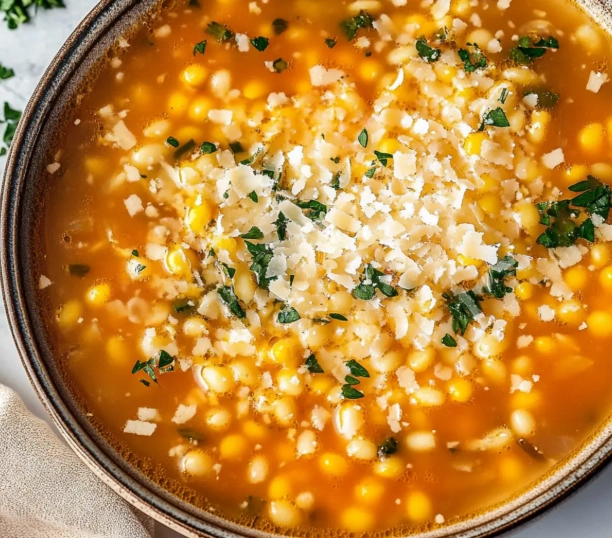
Step 1: Prepare the Broth Base
Pour your 6 cups of broth into a medium-sized pot. Bring it to a gentle simmer over medium heat. Not a rolling boil—a simmer with small bubbles breaking the surface. This temperature is critical for the next step. While it heats, move on to the egg mixture.
Step 2: Make the "Stracciatella" Mixture
In a medium bowl, whisk the 3 eggs vigorously until uniform. Add the grated Parmesan, semolina flour (or breadcrumbs), the grated nutmeg, and a pinch of salt and pepper. Whisk until it forms a thick, pasty batter. Let it sit for 5 minutes—this allows the semolina to absorb moisture and ensures your egg shreds stay distinct.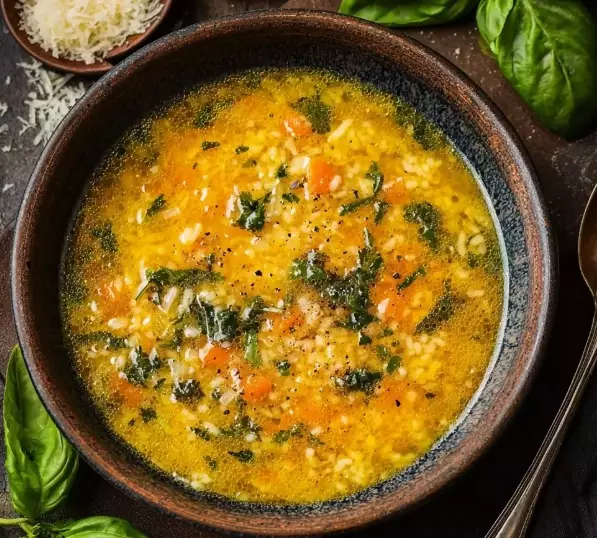
Step 3: The Magic Moment – Adding the Eggs
Ensure your broth is at that steady, gentle simmer. Take a fork or a small whisk and start stirring the broth in one direction to create a gentle whirlpool. This helps distribute the egg mixture evenly. While stirring, slowly drizzle the egg mixture into the moving broth. Don't dump it in one spot.
Here’s the crucial part: stop stirring as soon as all the egg mixture is in. Let the soup cook, undisturbed, for exactly 2-3 minutes. You'll see the eggs form those beautiful, delicate "little rags." If you keep stirring, you'll break them up into tiny, cloudy specks—still tasty, but not the classic texture.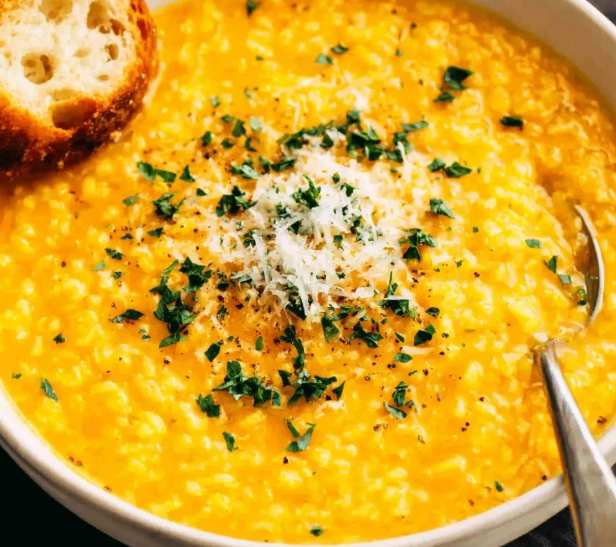
Step 4: Finish and Serve
After 2-3 minutes, gently stir once or twice. Turn off the heat. Stir in the chopped parsley or spinach—it will wilt perfectly in the residual heat. Taste and adjust seasoning with salt and pepper. Ladle immediately into warm bowls. A final dusting of extra Parmesan is never wrong.
The #1 Mistake to Avoid: Adding the egg mixture to boiling broth. The violent bubbles will tear the eggs apart and make them tough. A calm, steady simmer is your best friend for tender, silky stracciatella.
Pro Tips & How to Make It Your Own
Once you've mastered the basic easy Italian penicillin soup recipe, play around.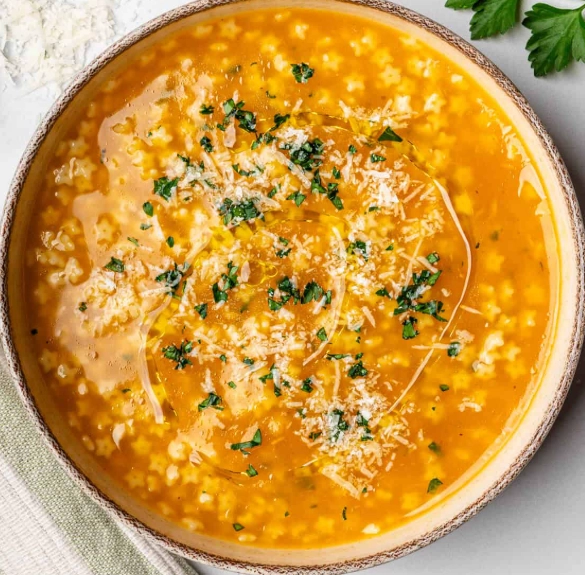
For a Heartier "Penicillin": Add a cup of cooked pastina, orzo, or shredded cooked chicken in the last minute of cooking. This transforms it into a more substantial meal.
The Lemon Zest Trick: A tiny bit of finely grated lemon zest mixed into the egg batter adds a stunning brightness that cuts through the richness. Try it.
Make it Greens-Forward: Stir in a handful of torn escarole or kale with the parsley for extra vitamins and a slight bitterness that balances the soup beautifully.
Storage: This soup is best eaten fresh. If you must store it, the eggs will absorb broth and swell. Reheat it very gently, adding a splash of water or broth to loosen it up.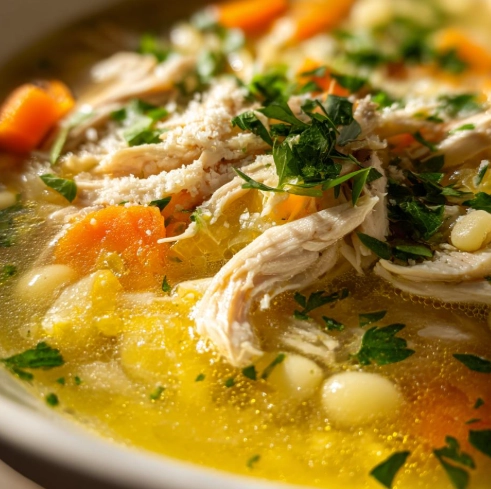
FAQ: Your Italian Penicillin Soup Questions Answered
There you have it. An easy Italian penicillin soup recipe that delivers maximum comfort with minimal effort. It’s forgiving, flexible, and genuinely therapeutic to make and eat. The next time you feel a chill, physically or mentally, remember this pot of golden broth waiting to be made. Give it a try—your own nonna would approve.
Related Articles

Easy Italian Chicken Recipes with 5 Ingredients or Less
Authentic Italian Pizza Dough Recipe: Ingredients & Technique Explained

Authentic Italian Cannoli Recipe: Crispy Shells & Sweet Ricotta Filling
Authentic Italian Carbonara Recipe: The Only Guide You'll Ever Need
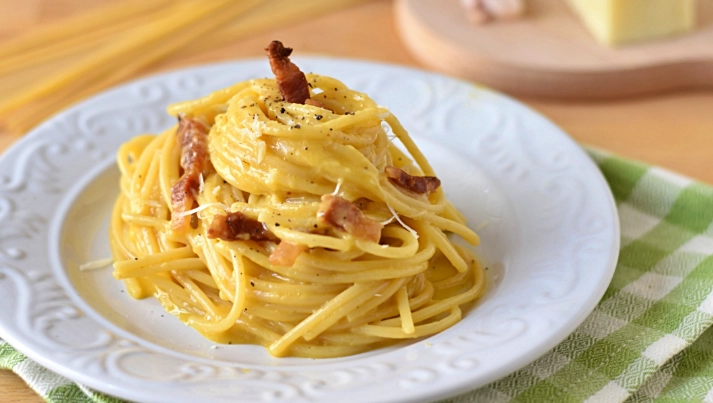
Authentic Carbonara Recipe: How is Carbonara Originally Made?