The Secret to a Good Meatball: 5 Pro Tips & Common Mistakes
Everyone asks for the secret to a good meatball. Is it the meat? The herbs? Some magical Italian grandmother's touch? After fifteen years in professional kitchens and countless batches—some great, some embarrassingly bad—I can tell you it's not one thing. It's a balance. The real secret lies in avoiding a few critical mistakes and mastering a handful of non-negotiable techniques. Forget dense, dry hockey pucks. Let's talk about achieving that perfect, tender, flavor-packed meatball that holds together without being tough.
What You'll Learn in This Guide
The One Mistake That Makes Meatballs Tough
Let's start with the biggest texture killer: overmixing. I see it all the time. People combine their meat, bread, eggs, and seasoning, then go at it with a mixer or their hands like they're kneading bread dough. This is a disaster.
What happens? You develop the proteins in the meat, specifically myosin. It's the same principle as making a sausage dense or a meatloaf rubbery. The more you work it, the tighter and tougher the protein network becomes. Your meatballs will be dense, springy, and unpleasant.
Here's the pro move: use your hands, but be gentle. Combine the bread mixture (panade), eggs, cheese, and herbs first in a large bowl. Then add your ground meat. Using a fork or your fingertips, gently fold and turn the mixture until the ingredients are just evenly distributed. Stop the second you see no more streaks of unmixed meat. I'm serious—it should take less than a minute. The mixture will look loose and a bit messy. That's perfect. It feels wrong, but it cooks up right.
Choosing Your Meat & The Fat Ratio Rule
"Use a mix of meats!" is common advice. It's not wrong, but it's incomplete. The critical factor isn't just variety—it's fat content. Lean meat makes dry meatballs. Period.
You need that fat to melt during cooking, basting the meatball from the inside, creating juiciness and carrying flavor. A good target is meat with a 20-30% fat content. Here’s a breakdown of common choices:
| Meat Type | Approx. Fat % | Best For | Flavor Notes |
|---|---|---|---|
| Ground Chuck (Beef) | 20-25% | Robust, classic flavor | Rich, beefy, holds up to strong sauces |
| Ground Pork | 25-30% | Juiciness & tenderness | Mild, slightly sweet, excellent fat content |
| Ground Veal | 10-15% (lean) | Delicate texture | Very mild, often used in blends for fine dining |
| Ground Turkey (dark meat) | 15-20% | Lighter option | Milder, can be dry if using breast meat |
My go-to blend? 50% ground chuck and 50% ground pork. The beef gives flavor, the pork gives fat and tenderness. Buying pre-ground "meatball mix" is fine, but check the fat. If you're using very lean meat like turkey breast, you must add moisture back in—more on that with the bread binder.
One non-consensus point: I'm not a fan of adding veal unless you're going for a specific, ultra-refined texture (and budget). For home cooking, the beef-pork combo is more forgiving and flavorful.
The Bread Binder: Not Just Filler
Breadcrumbs are not just there to stretch the meat. Their primary job is to absorb and retain moisture, preventing the protein fibers from squeezing out all their juices when they contract during cooking. Dry, store-bought breadcrumbs are the enemy here. They suck up moisture and give nothing back, leading to a gritty, dry texture.
You need a panade: a paste of bread and milk. This is non-negotiable.
- The Bread: Stale Italian or French bread, crusts removed, torn into small pieces. About 2 slices (or 1 cup of pieces) per pound of meat. Panko can work in a pinch if soaked, but fresh bread is superior.
- The Liquid: Whole milk is ideal. Buttermilk adds tang, and for a dairy-free version, unsweetened plant milk or even broth works. Use about 1/4 to 1/3 cup per cup of bread.
Let the bread soak in the milk for 10 minutes, then mash it with a fork into a smooth, porridge-like paste. This panade gets mixed with your other non-meat ingredients. It acts as a moisture reservoir, ensuring tenderness throughout.
What About Just Eggs?
Eggs are a binder, but a weak one. Their main role is coagulation, helping things hold together. They don't provide significant moisture retention. Relying on eggs alone for binding, especially with lean meat, is a direct path to dry, crumbly meatballs. You need the panade.
Seasoning & Herbs: Building Flavor Layers
Salt your meat. This is another area where home cooks hesitate. You need enough salt to season the entire mass, not just the surface. About 1 to 1.5 teaspoons of kosher salt per pound of meat mixture is a good starting point. Mix the salt into your panade/egg/herb mixture before adding the meat to ensure even distribution and avoid overmixing.
For herbs, fresh is fantastic, but dried has its place. Dried oregano and basil are more concentrated. If using dried, crush them in your palm to wake up the oils before adding. A classic trio is parsley, garlic, and grated Parmesan or Pecorino Romano cheese. That cheese isn't just for flavor—it adds umami and helps with browning.
Don't forget black pepper. Freshly cracked is best. And a tiny pinch of red pepper flakes can add a background warmth without making it spicy.
Cooking Methods: Sear, Bake, or Simmer?
You have options, each with a different outcome.
Pan-Searing (Then Simmering in Sauce): This is the classic Italian-American method. Heat a slick of oil in a heavy skillet. Brown the meatballs in batches, getting a nice caramelized crust. This creates incredible flavor through the Maillard reaction. Then, you transfer them to your simmering tomato sauce to finish cooking through. They absorb sauce flavor and stay supremely juicy. This is my preferred method for a Sunday gravy.
Baking: Great for cooking large batches evenly with less hands-on time. Arrange on a parchment-lined baking sheet. They won't get the same deep crust all over, but they'll brown nicely. The texture can be slightly firmer. To combat dryness, bake at a high heat (400°F/200°C) for a shorter time, or add a splash of broth to the tray.
Simmering Directly in Sauce: The most delicate method, common in some Italian regions. You form the raw meatballs and gently lower them into a barely simmering sauce. They poach, remaining incredibly tender and light. The downside? No browning, so you miss those complex roasted flavors. The sauce becomes richer from the rendered fat.
My advice? For maximum flavor, sear them. The fond (browned bits) left in the pan is gold—deglaze it with a splash of red wine or broth and add it to your sauce.
Putting It All Together: A Simple Framework
So, forget a rigid recipe. Think in ratios and principles for a good meatball:
- 1 lb meat (½ lb 80/20 beef + ½ lb pork).
- 1 cup fresh bread panade (soaked in ¼ cup milk).
- 1 large egg.
- ½ cup grated cheese.
- 2-3 tbsp fresh herbs, 2 cloves garlic, 1.5 tsp salt, pepper.
- Gently mix. Shape with wet hands.
- Sear in oil, finish in sauce.
Your Meatball Questions, Answered
The secret isn't a single ingredient. It's the respect you give to the process: gentle hands, enough fat, a proper panade, bold seasoning, and a method that suits your goal. Stop searching for a magic bullet. Start paying attention to these details. Your next batch of meatballs will be the best you've ever made.
Related Articles
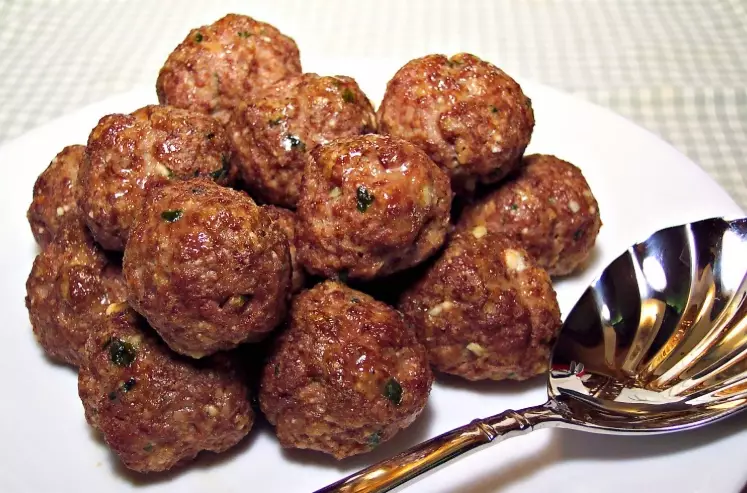
Italian Meatball Recipe: Step-by-Step Guide & Secrets for Tender Meatballs

The "half-year report" of the economy of 31 provinces is released: Inner Mongoli
Easy Italian Pizza Crust Dough Recipe: Foolproof Homemade Pizza

Restarting private investment|"Caijing" special report
Authentic Italian Holiday Dinner Recipes for a Festive Feast