The 4 Basic Italian Pastas: Shapes, Sauces & Secrets
Ask anyone to name an Italian pasta, and "spaghetti" usually pops out first. But after spending a summer cooking in a family-run trattoria just outside Bologna, I realized most of us are missing the bigger picture. Italian pasta isn't a free-for-all. It's a precise, centuries-old system where shape dictates sauce. Get it wrong, and your meal is just okay. Get it right, and it's magic.
So, what are the 4 basic Italian pastas? Think of them not as specific brands, but as four fundamental shape categories that form the backbone of Italy's pasta repertoire: long strands, short tubes, twists, and ribbons. Mastering these four unlocks the logic behind hundreds of pasta dishes. Let's break them down.
Your Pasta Roadmap
Why These 4? The Foundation of Italian Cooking
Italian nonnas didn't have food scientists, but they had genius. They developed pasta shapes to solve specific problems: how to hold a chunky ragù, how to trap creamy cheese, how to coat every inch with oil. The four basic types represent the core engineering solutions.
Most online lists just name four random shapes. That's not helpful. Understanding the category is what gives you freedom. Once you know why a tube works, you can confidently use penne, rigatoni, or ziti depending on what's in your pantry. That's the real secret I learned from my mentor, Chef Marco: "You cook the sauce, then you choose the pasta that wears it best."
The 4 Basic Italian Pastas, Decoded
Here they are. Forget memorizing a hundred shapes. Internalize these four principles.
1. The Long Strand: Spaghetti & Its Family
The Shape: Long, thin, solid cylinders. Think spaghetti, linguine, capellini (angel hair).
The Logic: These are minimalist canvases. Their smooth surface and length are designed for light, fluid sauces that can coat evenly. The sauce clings to the strand without needing nooks and crannies.
Perfect Pairing: Oil-based sauces (aglio e olio), simple tomato sauces (pomodoro), seafood sauces with clams or mussels, light cream sauces. The sauce should be slippery.
Avoid: Thick, chunky meat ragùs. They'll just slide off, leaving you with naked pasta and a pile of meat at the bottom of the bowl.
2. The Short Tube: Penne & The Holders
The Shape: Short, hollow cylinders, often cut at an angle. Penne is the classic, but include rigatoni (wider), ziti (smoother), and macaroni.
The Logic: This is functional design. The hole through the middle and the ridged exterior (like penne rigate) are engineered for capture. Sauces get inside the tube and cling to the outside ridges.
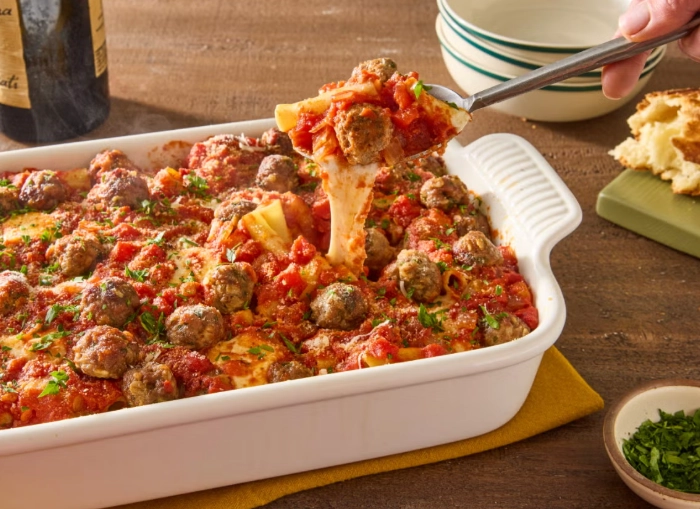
Perfect Pairing: This is your heavy hitter. Thick, chunky sauces like a beef ragù, vegetable sauces with peas and pancetta, baked pasta dishes (pasta al forno), and creamy sauces like vodka sauce. Every bite delivers sauce inside and out.
Avoid: Delicate butter sauces. They'll just drain through and leave the tube empty.
3. The Twist: Fusilli & The Catchers
The Shape: Spiral or helical shapes. Fusilli (tight corkscrews), rotini, and cavatappi.
The Logic: These are the ultimate traps. Their twists and curves grab and hold onto every bit of sauce, cheese, and small ingredient. They create a fantastic texture in every mouthful.
Perfect Pairing: Pesto (the basil gets stuck in the curves), chunky vegetable sauces, fresh tomato and mozzarella (caprese pasta), and cold pasta salads. They're also fantastic with meatballs crumbled into the sauce.
Avoid: They're pretty versatile, but a completely smooth, strained tomato sauce might not have enough texture to justify the twist.
I once watched a cook in Liguria make a pesto fusilli where he didn't just mix it—he pressed the pasta into the pesto, letting the spirals fill up. It was a revelation.
4. The Ribbon: Fettuccine & The Carriers
The Shape: Long, flat ribbons. Fettuccine, tagliatelle, pappardelle (wide), and linguine (flat but narrow).
The Logic: Flat surfaces provide lots of area for rich, creamy, or meaty sauces to coat. The width adds a substantial, chewy texture that stands up to robust flavors.
Perfect Pairing: The iconic partner is a rich, creamy sauce like Alfredo or a carbonara. They're also classic with hearty wild boar or beef ragùs in Tuscany (where pappardelle reigns supreme). The sauce lays on the ribbon like a blanket.
Avoid: Light brothy sauces. The ribbon is too substantial and will feel disconnected from the delicate liquid.
Beyond the Basics: Pro Tips from My Kitchen
Knowing the shapes is step one. Here’s how to make the system work every time.
The Golden Ratio (It's Not What You Think): It's not just pasta to sauce. It's pasta water to sauce. Before you drain your pasta, scoop out at least a cup of the starchy, salty cooking water. This liquid gold is your sauce's best friend. Adding it a splash at a time to your pan with the sauce and pasta helps emulsify fats, thicken tomatoes, and make the sauce cling. Your pasta won't be dry or separate.
Finish in the Pan: Never just dump sauce on top of drained pasta. Always undercook your pasta by about 2 minutes, then transfer it to the pan with your simmering sauce. Add pasta water and let it finish cooking together for the last minute or two. This is called "mantecare." The pasta absorbs the flavor, and the sauce bonds to it.
Cheese Rules: Grate your own Parmigiano-Reggiano or Pecorino Romano. The pre-grated stuff has anti-caking agents that make it clumpy and gritty in a sauce. For creamy sauces, add the cheese off the heat to prevent it from seizing up.
Your Pasta Questions, Answered
So there you have it. The four basic Italian pastas aren't just a list; they're a toolkit. Long strands for slick sauces, short tubes for chunky captures, twists for pesto and bits, and ribbons for rich coats. Start thinking in these categories, remember the pasta water, and finish in the pan. You'll move from just making pasta to understanding it. And that's when dinner becomes something special.
Now, go check your pantry. What shape do you have, and what sauce does it want tonight?
Related Articles
Best Italian Regional Recipes: Top 5 Dishes to Master at Home

The latest public offering "rat warehouse" exposed: fines of more than 30 millio
Italian Pasta e Fagioli Soup Recipe: Authentic & Easy
Easy Italian Soup Recipes: Quick & Authentic Comfort Food
Mastering Classic Italian Baked Dishes: Recipes & Secrets