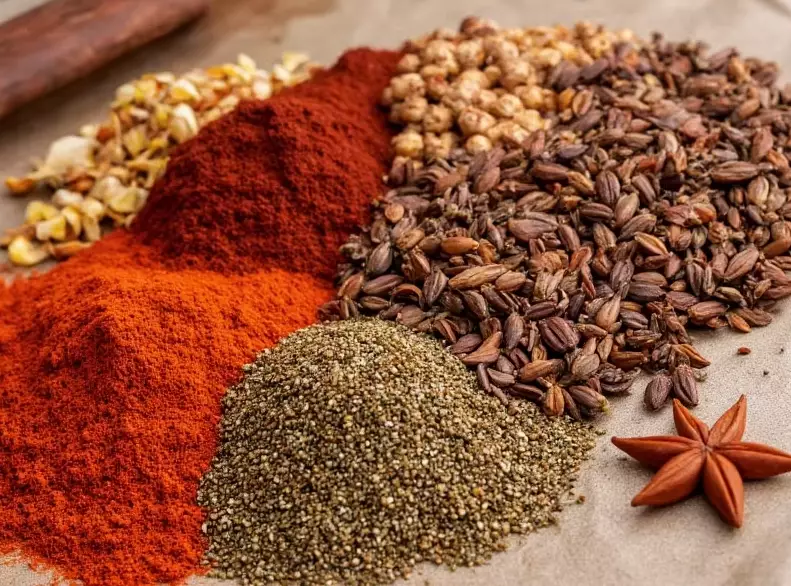
Italian Appetizer Recipes: From Bruschetta to Arancini
Let's talk about Italian appetizers, or as they're properly called, antipasti. I used to think they were just fancy snacks before the real food. Then I spent a summer in Tuscany, and my perspective flipped completely. Antipasti aren't an afterthought; they're the opening act that sets the stage for the entire meal. They're about conversation, sharing, and waking up your taste buds with bold, simple flavors.
This isn't a list of random recipes. It's a guide to understanding the spirit of the Italian start. We'll cover the classics you need to know, the mistakes everyone makes (I've made them too), and how to build an antipasto spread that feels authentic, not just assembled.
What's Inside: Your Italian Appetizer Roadmap
The Philosophy Behind Real Antipasti
In Italy, the appetizer course has a job. Its job is not to fill you up. Its job is to stimulate your appetite (that's what "antipasto" means), spark conversation, and offer a glimpse of the regional flavors to come.
Think small, vibrant, and varied. A plate might have something salty (like prosciutto), something tangy (like marinated artichokes), something fresh (like cherry tomatoes), and something savory (like a crostino). Texture is huge—creamy, crunchy, chewy. It's a sensory preview.
The Golden Rule of Italian Antipasti
Quality over quantity, always. It's better to have three exceptional ingredients—like a truly great extra virgin olive oil, a piece of aged Parmigiano-Reggiano, and some fresh, crusty bread—than ten mediocre ones. This is the single most important tip. Italians would rather eat less of the good stuff.
The Non-Negotiable Italian Appetizer Pantry
You can't build a house without a foundation. Here's what you should always have on hand. I'm not talking about exotic imports; these are accessible staples that make authentic cooking possible.
| Ingredient | Why It's Essential | What to Look For / A Specific Brand Hint |
|---|---|---|
| Extra Virgin Olive Oil | The backbone of flavor. For drizzling, dipping, finishing. | Look for a harvest date on the bottle, not just a "best by" date. It should be within 18 months. A good mid-range option is widely available. |
| High-Quality Canned Tomatoes | For bruschetta topping, quick sauces. San Marzano DOP are the gold standard. | "San Marzano" on the label isn't enough. Look for "DOP" and "Product of Italy." Cento and La Valle are reliable. |
| Dried Pasta & Arborio Rice | For fried appetizers like arancini or pasta fritta. | Arborio rice is key for creamy arancini. De Cecco or Rummo for pasta. |
| Anchovies & Capers | Umami bombs. For dressings, compound butters, crostini. | Anchovies packed in salt are superior to oil-packed. Rinse salt-capped capers well. |
| Dried Oregano & Basil | The herb workhorses. More potent than fresh for some cooked applications. | Buy small quantities and replace yearly. The fragrance should be strong when you rub it. |
See? Nothing crazy. With this shelf, you're already 80% there.
5 Classic Italian Appetizer Recipes, Demystified
Let's get into the recipes. I'm not just giving you a list; I'm telling you where most home cooks go wrong and how to nail it.
1. Bruschetta (It's Not Just Chopped Tomatoes)
The mistake? Soggy bread. The fix? Treat the components separately.
Core Steps:
- Dice ripe tomatoes, toss with a pinch of salt, and let them drain in a colander for 20 minutes. This removes excess water.
- Rub toasted slices of rustic bread (like ciabatta) with a cut garlic clove while still hot.
- Drizzle bread with oil, THEN top with the drained tomatoes, fresh basil, and a final drizzle. The bread stays crisp.
Variation: Try a white bean (cannellini) bruschetta with rosemary.
2. Arancini (Sicilian Rice Balls)
Intimidating? A little. Worth it? Absolutely. The secret is in the rice texture.
You make a basic risotto (onion, butter, Arborio rice, white wine, stock), let it cool completely, then stir in an egg yolk and some grated cheese. The filling is often a cube of mozzarella or a ragù. Form into balls, bread them (flour, egg, breadcrumbs), and fry until deep golden.
The pro tip? Let the shaped, breaded arancini rest in the fridge for an hour before frying. It helps the coating adhere.
3. Burrata with Heirloom Tomatoes & Basil Oil
This is the ultimate no-cook showstopper. Burrata is that glorious pouch of mozzarella filled with stracciatella (cream and shreds of cheese).
Slice heirloom tomatoes of different colors. Tear open the burrata and place it in the center. Drizzle with your best olive oil and a basil oil (blanch basil, shock in ice water, blend with oil, strain). Add flaky sea salt and cracked pepper. Serve with grilled bread. It's simple, but the quality of each ingredient sings.
4. Prosciutto-Wrapped Figs with Goat Cheese
Sweet, salty, creamy. Use fresh figs when in season, or dried figs plumped in warm water or Marsala wine. Spread a little soft goat cheese on the fig, wrap with a thin slice of prosciutto, secure with a toothpick, and bake at 400°F (200°C) for 8-10 minutes until the prosciutto crisps slightly.
5. Fried Zucchini Flowers (Fiori di Zucca)
A seasonal delicacy. You need male zucchini flowers (the ones on a long stem). Gently open them, remove the stamen, and rinse. The classic filling is a mix of ricotta, lemon zest, and parsley. Pipe or spoon filling inside. Dip in a light beer batter and fry until puffed and golden. Eat immediately.
The 3 Mistakes That Scream "I Used a Recipe"
I've eaten these mistakes in otherwise nice restaurants. Avoid them.
1. Using pre-shredded cheese for anything. The anti-caking agents (like cellulose) prevent proper melting and leave a weird texture. Always grate your own Parmigiano, Pecorino, or mozzarella. The flavor difference is night and day.
2. Serving cold tomatoes. Tomato flavor is muted when cold. Take your tomatoes out of the fridge at least an hour before using them. Room temperature is where their sweetness shines.
3. Overcomplicating the charcuterie board. An Italian antipasto board isn't a towering, Instagram-frenzy of jams and nuts. It's a curated, elegant selection. Too many sweet elements (like most fruit jams) clash with the savory meats and cheeses. Stick to quality cured meats (prosciutto, salami, coppa), 2-3 cheeses (one hard, one soft), some pickled vegetables, and good bread. That's it.
How to Build a Balanced Antipasti Spread for a Crowd
Planning a party? Here's a simple formula. Aim for 1-2 items from each category per 6 guests.
- Something from the Sea: Marinated anchovies, shrimp cocktail "Italian-style" (with lemon and olive oil), or tuna crostini.
- Something from the Land: A selection of cured meats (get them sliced thin at the deli counter), mini meatballs (polpettine), or liver crostini (a Tuscan classic).
- Something from the Garden: Roasted peppers in oil, marinated mushrooms, a simple salad of shaved fennel and orange, or the classic Caprese.
- Something Fried/Baked: Arancini, fried olives, or little savory tarts (crostata).
- The Vehicle: Lots of sliced baguette, grissini (breadsticks), and plain, neutral crackers.
Arrange them on platters or boards with space between items. It should look inviting, not chaotic.
Your Italian Appetizer Questions, Answered
What's the difference between antipasti and a regular appetizer?
Can I prepare Italian appetizers ahead of time for a party?
What's a good substitute for burrata if I can't find it?
What are some no-cook Italian appetizers?
The goal with Italian appetizers is to relax and enjoy the process. It's about sharing good food and good times. Start with one recipe that excites you, master it, and build from there. Remember the golden rule: a few fantastic ingredients will always beat a mountain of mediocre ones. Now go open a bottle of Prosecco, put some bread in the oven, and get started.
Related Articles
What Is the Most Popular Italian Dish? Top Contenders Revealed
Authentic Italian Stromboli Recipe: Easy Homemade Guide for Perfect Results
Ultimate Baked Italian Meatballs Recipe: Juicy, Tender & Flavorful

Still have to rely on Zhengzhou Foxconn? The truth about the swing between Apple
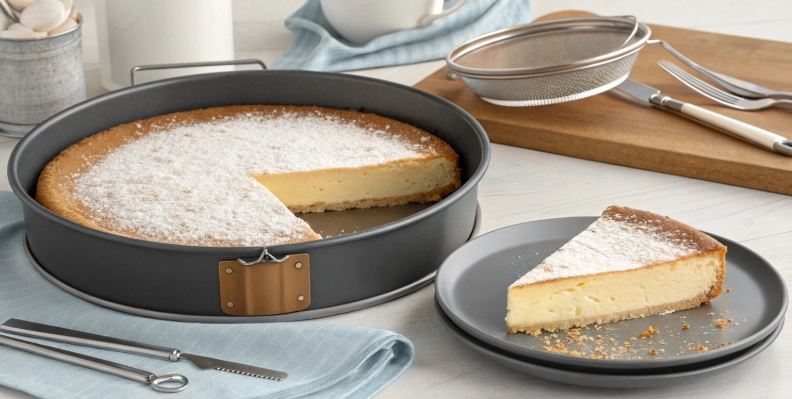
Authentic Traditional Italian Cheesecake Recipe (Ricotta & No Crust)