What is the Traditional Drink of Italy? The Definitive Guide
Your Quick Guide to Italian Drinking Culture
So you're wondering, what is the traditional drink of Italy? Let's be real, most people immediately think of wine or maybe a tiny cup of espresso. And they're not wrong, but honestly, that's like saying the only food in Italy is pizza and pasta. It misses the incredible depth and variety that makes Italian drinking culture so special. I remember my first trip to Rome, sitting at a café and realizing I had no idea what to order beyond a cappuccino after 11 AM (a big no-no, as I later learned).
The truth is, Italy's traditional drinks are a story told in stages, woven into the fabric of daily life from morning to midnight. They're not just beverages; they're rituals, signals, and expressions of regional pride. Asking "what is the traditional drink of Italy?" is really asking about the rhythm of Italian life itself. Is it the morning espresso slammed back at the bar? The bitter aperitivo that opens your appetite before lunch? The local wine that changes with every hillside? Or the sweet, herbal digestivo that settles a magnificent meal? The answer is: all of the above, and more.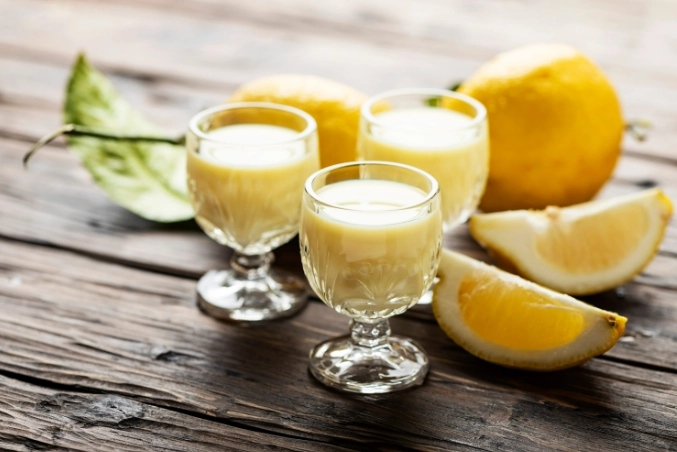
This isn't just a list. We're going to walk through the typical Italian day, drink by drink. We'll bust some myths (sorry, no cappuccino with steak), get into the regional quirks that make this so fascinating, and I'll even share a few stories of my own embarrassing cultural missteps. By the end, you'll not only know the names but the how, when, and why behind Italy's most iconic sips.
The Unbeatable Champion: Italian Coffee Culture
Let's start where most Italian days start: with coffee. This isn't just a caffeine hit; it's a precision-engineered social ritual. If you want to understand Italy, you need to speak the language of the bar (which means café, not a place with alcohol at 8 AM).
Espresso: The Heart of the Matter
This is the undisputed king. A single, potent ounce of dark, creamy coffee. It's the baseline, the default. You walk into a bar, say "un caffè," and this is what you get. It's consumed quickly, often standing at the counter. The skill of the barista in pulling the perfect shot—with the right pressure, timing, and golden crema on top—is seriously respected. A bad espresso is a genuine disappointment.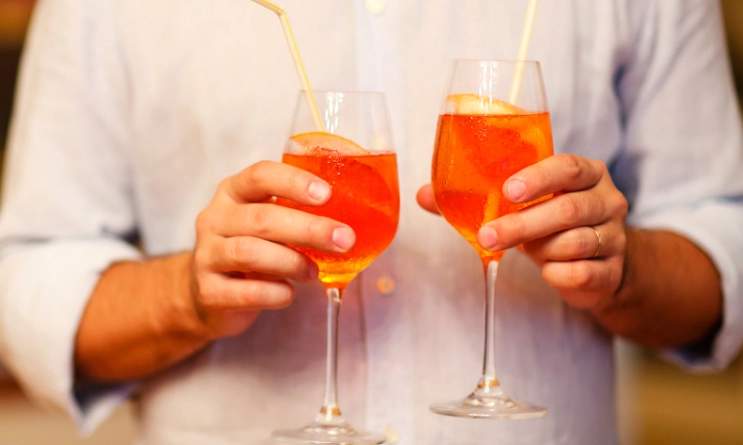
I made the mistake once of asking for a "to-go" espresso in a small town. The look I got was a mixture of pity and confusion. Why would anyone want to ruin the experience by walking? The ritual is in the pause, the quick exchange, the momentary focus on flavor.
Cappuccino, Caffè Latte & The Sacred Rules
This is where tourists get tripped up. A cappuccino is breakfast. Full stop. It's a morning drink, rarely consumed past 11 AM, and never during or after a meal. Italians believe the milk and foam are too heavy for digestion. A caffè latte is similar but milkier, also strictly a.m. fare.
Other key players? Caffè macchiato (espresso "stained" with a drop of milk) is an afternoon-friendly option. Caffè corretto (espresso "corrected" with a shot of grappa, sambuca, or other spirit) is for when you need a stronger kick, often after a meal or in the evening. And Caffè d'orzo is a caffeine-free barley coffee, a great alternative that's surprisingly popular.
Understanding these rules isn't about being pretentious; it's about participating in the local flow. When you order the right drink at the right time, you're not just a tourist, you're someone who gets it.
The Aperitivo Hour: More Than Just a Drink
Around 6 or 7 PM, something magical happens. The workday ends, and the aperitivo begins. This is the pre-dinner ritual designed to "open" the appetite (aperire in Latin). It's a social institution, a moment to unwind, meet friends, and transition from day to night.
The drinks here are typically low-alcohol, bitter, or citrusy, served with a small snack (stuzzichini). In many cities, paying for the drink gets you access to a buffet of snacks—a fantastic and economical tradition.
The Classics of Aperitivo
Aperol Spritz: The bright orange king of summer. Prosecco, Aperol (a bitter-orange liqueur), and a splash of soda water. It's refreshing, lightly bitter, and visually iconic. It exploded in global popularity, but in Italy, it's a warm-weather staple. Some purists grumble it's too sweet, but on a hot evening in a Venetian piazza, it's perfection.
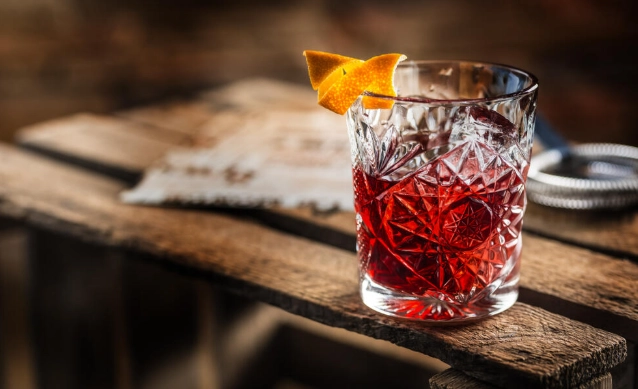
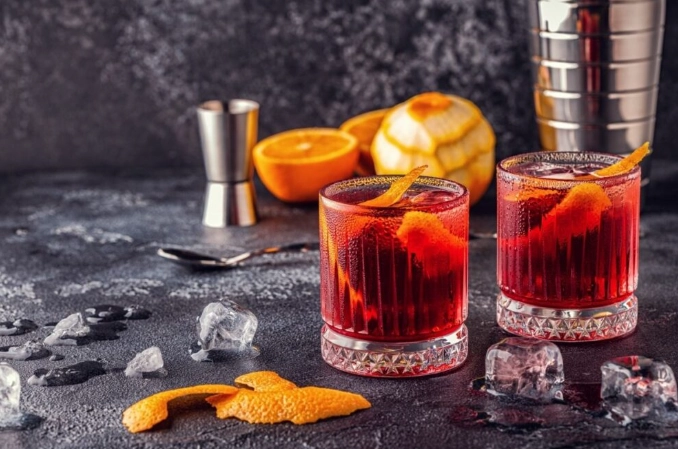
Negroni: For the bold. Equal parts gin, sweet vermouth, and Campari. It's bitter, complex, and strong. This is a serious drink. Its cousin, the Negroni Sbagliato ("wrong" Negroni), substitutes prosecco for gin and is a bit lighter.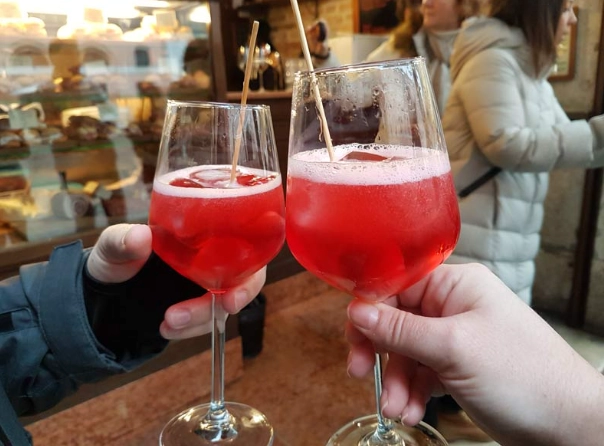
American: Don't let the name fool you; it's thoroughly Italian. Vermouth, Campari, and soda. Simpler and more refreshing than a Negroni.
Campari Soda: The minimalist's choice. Campari poured over ice with soda water from its own iconic bottle. It's bitter, bubbly, and uncomplicated.
Cynar Artichoke Spritz: A rising star. Cynar is an artichoke-based bitter liqueur (though it doesn't taste like steamed artichokes, I promise). Mixed with prosecco and soda, it's earthy, less sweet than Aperol, and feels more sophisticated to some.
The beauty of aperitivo is the atmosphere. The clinking glasses, the buzz of conversation, the golden light. The drink is just the centerpiece of a much larger social ritual.
At the Table: Wine, Water, and Beyond
Dinner. This is where the regional diversity of Italy explodes. While wine is the star, it's not the only player.
Vino: The Regional Story in a Glass
Italians drink wine with food. It's a companion, not the main event. The choice is almost always local and regional, matching the cuisine. Asking for a Chilean Cabernet with your Roman cacio e pepe might get you served, but you'll miss the point. The wine is part of the terroir, just like the pasta.
To truly answer "what is the traditional drink of Italy?" at the dinner table, you have to look at the map:
- Northwest (Piedmont, Lombardy): Powerful reds like Barolo and Barbaresco (Nebbiolo grape), or crisp whites like Gavi.
- Northeast (Veneto, Friuli): The home of Prosecco, but also great Pinot Grigio and Valpolicella reds.
- Central (Tuscany, Umbria): The land of Chianti and Brunello di Montalcino (Sangiovese grape). Hearty, food-friendly reds.
- South & Islands (Campania, Sicily, Puglia): Sun-drenched, robust reds like Nero d'Avola and Aglianico, and aromatic whites like Greco di Tufo.
House wine (vino della casa) is often a fantastic and affordable choice, usually a liter carafe of something perfectly drinkable. Don't overlook it.
The Unsung Hero: Water
This might seem obvious, but it's a deliberate choice. Still or sparkling (naturale o frizzante)? It's a personal preference, but sparkling is very common, believed to aid digestion. A bottle of water is always on the table alongside the wine.
Beer (Birra)
Yes, Italians drink beer! Especially with pizza, fried foods, or casual lunches. Peroni and Moretti are the national classics, but the craft beer (birra artigianale) scene has exploded in the last decade. You can find excellent Italian IPAs, stouts, and lagers if you look beyond the big names.
The Grand Finale: Digestivo
The meal is over, you're wonderfully full. Now comes the digestivo—the after-dinner drink meant to settle the stomach and prolong the conversation. This category is vast and wonderfully varied.
Liquors & Herbal Elixirs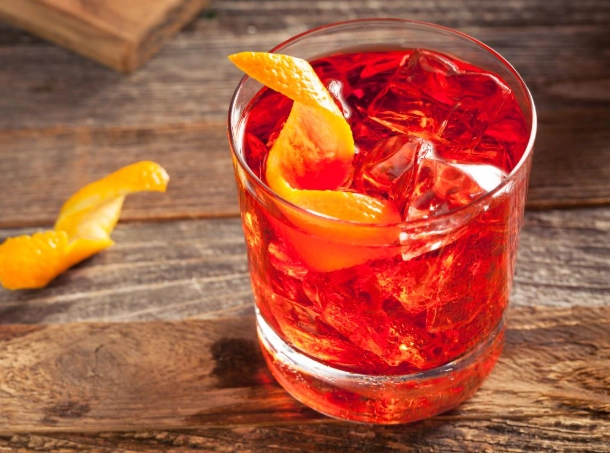
Limoncello: Perhaps the most famous. A vibrant, sweet, and intensely lemon liqueur from the Amalfi Coast and Capri, served ice-cold in small glasses. It's sunshine in a glass. The best ones use local Sorrento lemons. I've had amazing homemade versions that ruined the commercial stuff for me.
Grappa: This is the fiery spirit made from distilling the leftover grape skins, seeds, and stems from winemaking (pomace). It can be rough and medicinal if cheap, but artisanal, aged grappas can be smooth and complex. It's an acquired taste, for sure.
Amaro: This is a universe in itself. Amaro means "bitter," and these are herbal liqueurs made by infusing herbs, roots, flowers, and citrus peels in alcohol. Every region, and often every family, has a recipe. They range from moderately sweet and drinkable to intensely bitter and medicinal.
| Amaro Name | Region/Profile | What It's Like |
|---|---|---|
| Averna | Sicily | Widely popular. Sweet, cola-like, with herbal bitterness. |
| Fernet-Branca | Milan | Extremely bitter, minty, medicinal. A cult favorite (and a notorious hangover "cure"). |
| Montenegro | Bologna | More aromatic and floral, with a balanced orange note. |
| Braulio | Alps (Bormio) | Alpine herbs give it a piney, balsamic, almost menthol quality. |
| Cynar | (Yes, again!) | Often served as a digestivo too. Earthy, vegetal, less sweet. |
Sampling different amari is a journey through Italian folk medicine and local botany. Some taste like a forest, others like a spice cabinet. Not all are love at first sip, but they're fascinating.
Sambuca: An anise-flavored liqueur, often served "con la mosca"—with three coffee beans floating in it (representing health, happiness, and prosperity). It can be set on fire for a dramatic effect, but that's more for tourists.
That moment after dinner, sipping a cold limoncello or a warming amaro, is pure Italian bliss. It's the period at the end of the meal's sentence.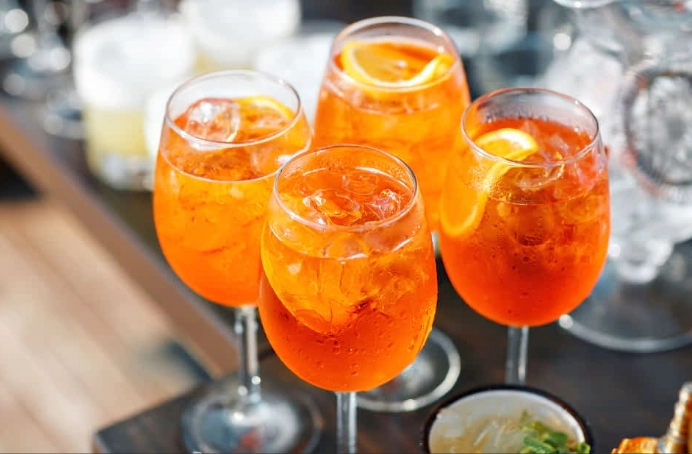
Regional Specialties You Must Try
To limit ourselves to national drinks is to miss the best parts. Here are some incredible regional stars:
- Spritz al Select (Venice): The Venetian original Spritz, made with Select bitters (more bitter and complex than Aperol). It's darker in color and has a more serious herbal bite.
- Mirto (Sardinia): A beautiful, deep purple liqueur made from myrtle berries. Sweet, berry-flavored, and uniquely Sardinian.
- Strega (Campania): "The Witch" liqueur from Benevento. Yellow, sweet, and flavored with over 70 herbs. It's said to have magical powers (the love kind, not the flying broomstick kind).
- Frangelico (Piedmont): A hazelnut liqueur, often enjoyed on its own or in coffee. It tastes like liquid Nutella, in the best way possible.
- Bicerin (Turin): Not a liquor, but a legendary layered coffee drink: espresso, drinking chocolate, and cream in a small glass. It's decadent, historical, and a must in Turin's old cafes.
Seeking out these local specialties is the ultimate way to connect with a place. It tells you about its landscape, its history, and its tastes.
Common Questions & Misconceptions (FAQ)
Let's clear up some confusion I see all the time.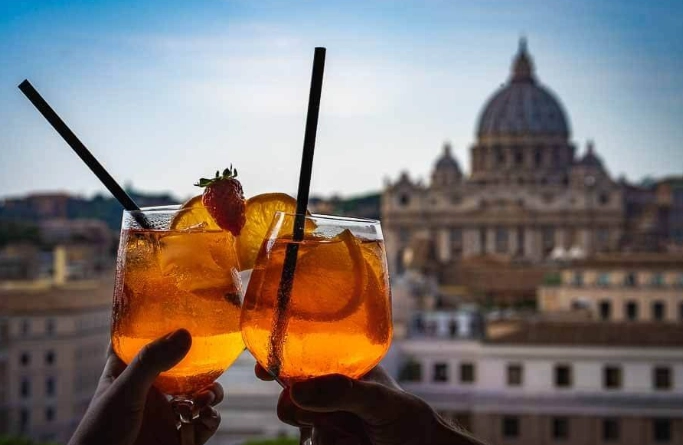
Bringing Italy Home: How to Enjoy Traditionally
You don't need a plane ticket to enjoy a taste of this.
For Coffee: Invest in a good moka pot (the stovetop espresso maker). It won't make true espresso, but it makes strong, authentic Italian-style coffee. Use it, and never put milk in it after noon.
For Aperitivo: Stock Aperol, a decent prosecco, and soda water. At 6 PM, mix equal parts Aperol and prosecco over ice, top with a splash of soda, and add an orange slice. Put out some olives, chips, or nuts. Instant Italian vibe.
For Digestivo: Buy a bottle of good limoncello (look for ones from the Sorrento/Amalfi coast) and keep it in the freezer. Serve it in small glasses after a dinner party. It's a guaranteed crowd-pleaser.
The key is intentionality. Make the drink, then pause and enjoy it. Don't gulp it while checking your phone. That's the real Italian tradition.
It's the espresso that kickstarts the morning. It's the bright Spritz that marks the end of work. It's the local red wine that tells the story of a hillside vineyard alongside your ragù. It's the icy, shocking lemon of a digestivo that says the meal is complete.
It's a language of rituals, each drink a word placed at a specific time in the day's sentence. To learn them is to understand a fundamental part of how Italians live and socialize. It's not about rules to restrict you, but rhythms to enrich your experience. So next time you're in Italy (or making an Aperol Spritz at home), don't just drink. Participate in the ritual. Salute!
Related Articles

Thailand car market survey: sales and prices plunged, and Sino-Japanese competit
Ultimate Guide to Classic Italian Baked Pasta Dishes
Ultimate Guide to the Best Italian Meatball Recipe
Simple Pasta Recipes for Busy Weeknights: 3 Classics Made Easy
Authentic Italian Appetiser Recipes for Your Next Gathering
Discover the Best Non-Alcoholic Italian Drinks: From Aperitivo to Digestivo

Ten-fold stocks appeared! A-shares set off a "price increase", foreign capital b
When going on a long vacation, are electric cars really more "cowardly" than fue
The Best Pasta Carbonara Recipe: Authentic Roman Secrets Revealed

Sea freight rates soared! One after another raised sea freight rates, the "king
Italian Submarine Sandwich Recipe: The Ultimate Guide to a Classic Hoagie

Why is Dongguan's economy no longer at the bottom?
Italian Soup Recipe: Classic Minestrone & Hearty Ribollita Made Easy
Authentic Italian Carbonara Recipe: The Only Guide You'll Ever Need
What to Cook for an Italian Christmas: The Ultimate Feast Guide
5 Traditional Italian Dishes: Authentic Recipes & Where to Try Them
Top 10 Italian Cocktails: From Negroni to Spritz & Beyond
Best Italian Cocktails: From Classic Negroni to Modern Aperitivo
Easy Italian Wedding Soup Recipe (Authentic Flavor, Simple Steps)
Master Authentic Italian Recipes: The Ultimate Guide to Real Italian Cooking
The Ultimate Guide to Making Authentic Italian Lasagna at Home

Microsoft hollowed out AI unicorn Inflection AI and paid 650 million US dollars
Authentic Italian Regional Recipes: A Guide to Italy's Best Local Dishes
The Ultimate Authentic Italian Hoagie Recipe: Make the Classic Philly Sandwich at Home

Why did China Resources take over Tasly?
Top 10 Italian Dinner Dishes: A Curated Guide for Authentic Meals
Italy's Most Traditional Dish: The Definitive Guide to Authentic Cuisine
Authentic Italian Antipasti Recipes: A Guide to Traditional Appetizers
Master the Classics: The Best Italian Recipes You Need to Know
Leave a Comment