What Are The Three Italian Cocktails? Negroni, Aperol Spritz, Americano
In This Guide
So you're asking, what are the three Italian cocktails that everyone talks about? You've probably heard the names thrown around at fancy bars or seen them glowing on Instagram feeds—Negroni, Aperol Spritz, Americano. But there's a lot more to them than just being pretty drinks in nice glasses. They're not just recipes; they're tickets to a specific time of day, a particular feeling, a whole slice of Italian life called aperitivo. It's that magical hour before dinner, not about getting drunk, but about waking up the appetite and slowing down.
I remember my first real aperitivo in Milan. I just asked for "something local." The barman, without a word, started pouring this gorgeous ruby-red drink. That was my first Negroni. Bitter, complex, and utterly fascinating. It felt like an initiation. That's what these drinks do. They connect you to a place.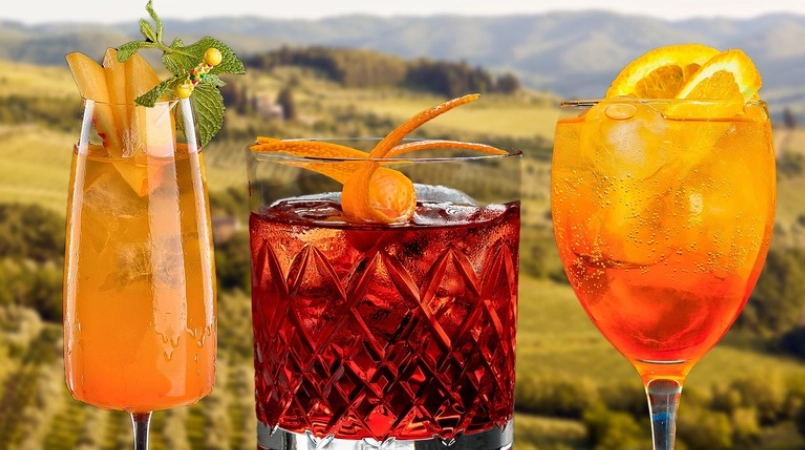
This isn't just a list. We're going to dig into the soul of each one. The stories, the fights over the "right" way to make them (Italians can be very passionate about this), and how you can bring a bit of that dolce vita home, even if your home bar is just a corner of the kitchen counter. Let's get into it.
Quick Answer: The three iconic Italian cocktails that form the cornerstone of aperitivo culture are the Negroni, the Aperol Spritz, and the Americano. Each represents a perfect balance of bitter and sweet, embodying the Italian philosophy of simplicity and quality in drinking.
The Undisputed King: The Negroni
If Italian cocktails had a king, the Negroni would be sitting firmly on the throne. It's the one with the most attitude. It doesn't try to please everyone. It's bold, bitter, and unapologetically complex. The story goes back to Florence in 1919, to a Count named Camillo Negroni. He was a regular at Caffè Casoni and found his usual Americano (more on that later) a bit too tame for his tastes. He asked the bartender, Fosco Scarselli, to strengthen it by replacing the soda water with gin. A legend was born.
Or so the story goes. Like many cocktail origins, there's some debate. But the International Bartenders Association (IBA) officially recognizes this tale, and it's the one that stuck. You can still feel that history in every sip.
The beauty of the Negroni is its brutal simplicity. Equal parts. That's the rule. It's a mantra for bartenders.
But here's where the fun starts. That equal-parts rule is the launchpad, not a prison. The choice of gin (a London dry like Beefeater vs. a more floral one), the style of sweet vermouth (more herbal or more raisin-like), even the type of orange peel—they all change the final product. It's a drink that rewards attention to detail.
How to Drink a Negroni (and Not Be Wrong)
First, it's almost always served before dinner. It's an appetite stimulant, or aperitivo, par excellence. The bitterness from the Campari gets your digestive juices flowing. You sip it slowly, maybe with a few salty snacks like olives or potato chips. Rushing a Negroni is a crime.
Second, the stir vs. shake debate. Always stir. You want to chill and dilute the drink smoothly without aerating it or making it cloudy. A clear, silky texture is key.
Personal note: I made the mistake of using a cheap, overly sweet vermouth once. It turned the drink into a syrupy mess. The balance was completely off. Lesson learned: never skimp on the vermouth. It's not just filler; it's a core ingredient. A good resource for understanding vermouth's role is the official Campari history page, which delves into the creation of their key ingredient.
Negroni Variations You Might Encounter
The Negroni family is huge. Once you know the original, spotting its cousins is easy.
- Negroni Sbagliato: This means "mistaken Negroni." The story says a bartender accidentally used sparkling wine (like Prosecco) instead of gin. The result is lighter, bubbly, and incredibly popular. It's a fantastic gateway if you find the classic too strong.
- Boulevardier: Replaces gin with bourbon or rye whiskey. It's richer, deeper, and perfect for whiskey lovers.
- White Negroni: Swaps Campari for Suze (a French gentian liqueur) and the sweet vermouth for a blanc or dry vermouth. It's a more floral, slightly less bitter take.
So, when someone asks "what are the three Italian cocktails," the Negroni is always the first answer. It's the benchmark.
The Sunshine in a Glass: The Aperol Spritz
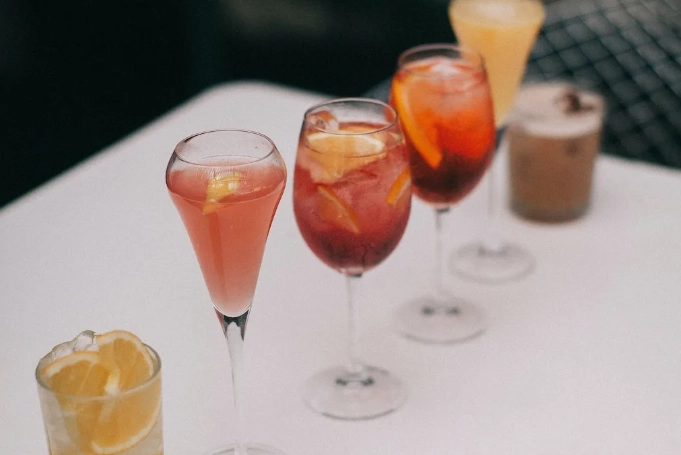
If the Negroni is the sophisticated king, the Aperol Spritz is the life of the party. It's the drink of Venetian canals, of sunny piazzas, of effortless style. Its vibrant orange color is instantly recognizable. It’s probably the most visually shared of the three Italian cocktails on social media, and for good reason—it just looks like happiness.
Aperol itself was created in Padua in 1919 by the Barbieri brothers. It's a lower-alcohol (11% ABV) sibling to Campari, with a more pronounced orange flavor and less intense bitterness. It was designed to be approachable. The Spritz, however, has older roots in the Veneto region, dating back to the time of the Austro-Hungarian Empire, where soldiers would "spritz" or splash water into the local wine to make it more to their taste.
The modern Aperol Spritz as we know it was solidified by a massive marketing campaign in the 2000s, but its recipe is timelessly simple.
The Official Aperol Spritz Recipe (The 3-2-1 Rule): This is the formula promoted by Aperol itself and is widely considered the standard. Fill a large wine glass with ice. Add 3 parts Prosecco, 2 parts Aperol, and 1 part soda water. Garnish with a generous slice of orange.
Why does this work so well? The Prosecco provides the festive fizz and a touch of fruitiness, the Aperol brings the signature bittersweet orange flavor and that iconic hue, and the soda water lengthens the drink, making it refreshing and sessionable. You can have a couple over a long, lazy afternoon.
Common Aperol Spritz Mistakes to Avoid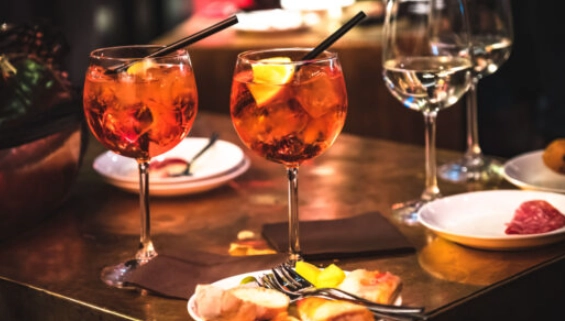
I've seen (and made) a few of these.
- Using a small glass: This is a long, refreshing drink. It needs space. A large wine glass or a specific spritz glass is non-negotiable.
- Poor quality Prosecco: You don't need vintage Champagne, but a horribly sweet or flat Prosecco will ruin it. A decent, dry (Brut) Prosecco is perfect. The official Prosecco DOC website is a great place to understand the different types.
- The build order: Always add the Prosecco first onto the ice. This helps preserve the bubbles. Then add the Aperol, and top with soda. A gentle stir is all it needs.
- Skimping on the garnish: That big orange slice isn't just for looks. Its oils add to the aroma. Press it a little over the rim before dropping it in.
Is it a simple drink? Yes. Is it sometimes dismissed by cocktail snobs as being too mainstream or sweet? Maybe. But you know what? On a hot day, when you want something that's just pure, uncomplicated refreshment, nothing beats it. Its popularity is deserved. It perfectly answers the part of "what are the three Italian cocktails" that craves lightness and fun.
I'll admit, when I first tried one, I thought it was a bit too light. Where was the punch? But then I had one on a terrace overlooking the Grand Canal as the sun was setting. Context is everything. It was absolutely the perfect drink for that moment.
The Elegant Original: The Americano
This is the grandfather. The precursor. The Americano came first, giving birth to the Negroni. It's often the forgotten one of the trio, which is a real shame because it's a masterpiece of subtlety. Its name comes from the American tourists in Italy in the late 1800s who enjoyed it, finding it less potent than the whiskey cocktails back home.
It was originally called the "Milano-Torino" because it combined Campari from Milan and sweet vermouth from Turin. When Americans took a liking to it, the name changed. You can still find it on menus under its old name in some classic Italian bars.
The recipe is the definition of elegance in simplicity.
Take a tall Collins glass. Fill it with ice. Pour in 1 ½ ounces of Campari and 1 ½ ounces of sweet vermouth. Top with about 3-4 ounces of chilled club soda. Give it a gentle stir. Garnish with a half-moon slice of orange and, if you're feeling fancy, a lemon peel. That's it.
What you get is a drink that's bitter, aromatic, effervescent, and incredibly refreshing. It's less boozy than a Negroni (because no gin) and more bitter and complex than a Spritz. It sits perfectly in the middle. It's the thinking person's sparkling aperitivo.
Why the Americano Deserves More Love
In the rush to the bold Negroni and the photogenic Spritz, the Americano gets overlooked. But it has unique strengths.
- Sessionability: Its lower alcohol content means you can enjoy two or three over a long conversation without feeling it too much.
- Complexity: Without the strong flavor of gin, you can really taste the conversation between the herbal vermouth and the bitter-orange-herb complexity of Campari. The soda lifts it all up.
- Versatility: It's a brilliant drink year-round. Refreshing in summer, and its bitter qualities make it a great palate-cleanser in winter.
If you're exploring what are the three Italian cocktails and want to taste the root of the tradition, start with the Americano. It's the blueprint.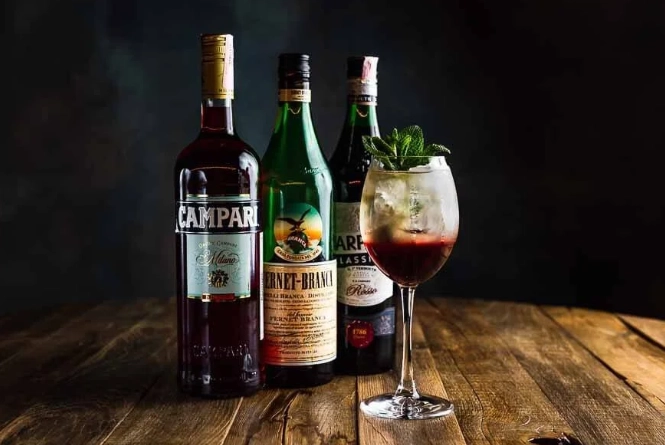
Side-by-Side: The Three Italian Cocktails Compared
It helps to see them together. This table breaks down the core identity of each.
| Cocktail | Core Spirit/Base | Key Flavor Profile | Best For... | IBA Official Category |
|---|---|---|---|---|
| Negroni | Gin | Bold, Bitter, Complex, Boozy | The pre-dinner sipper; cocktail enthusiasts. | Unforgettables |
| Aperol Spritz | Prosecco & Aperol | Light, Bittersweet, Fruity, Refreshing | Sunny afternoons, social gatherings, a refreshing long drink. | Contemporary Classics |
| Americano | Campari & Vermouth | Aromatic, Bitter, Effervescent, Elegant | A lighter, more sessionable aperitivo; history lovers. | Unforgettables |
Looking at this, you can see how they cover different moods and moments. They're not interchangeable; they're complementary.
Bringing Italy Home: Your FAQ on the Three Italian Cocktails
You've got questions. I had them too. Let's tackle some of the most common ones that come up once you start digging past the basic "what are the three Italian cocktails" query.
What is the "correct" order to drink them in?
There's no strict law, but a logical progression exists. If you're having a multi-drink aperitivo session, start with the lightest and least alcoholic and move towards the stronger. So: Americano first (light, effervescent, appetite-waking), then perhaps an Aperol Spritz (still refreshing but a touch sweeter), and finish with a Negroni (the strong, contemplative finale). But honestly, you do you. Most people just pick one for the evening.
Can I make these if I don't have a full bar?
Absolutely. The barrier to entry is low. For the Spritz, you just need Aperol, a bottle of Prosecco, and some soda. That's it. For the Americano, it's Campari, sweet vermouth, and soda. The Negroni requires the third bottle (gin). My advice? Start with making Americanos. If you love the bitter profile, invest in a bottle of gin and you've unlocked Negronis too. It's a very efficient way to build a home bar.
I don't like bitter flavors. Should I just skip these?
Don't write them off! The Aperol Spritz is specifically designed to be a gentler introduction to bitterness. It's more orangey and sweet. Start there. You can also try a Negroni Sbagliato (with Prosecco) which is much softer. The Americano, with its soda, is also more approachable than a straight Negroni. Bitterness is an acquired taste, but it's one that grows on you. It makes drinks more interesting and less cloying.
What are the best brands to use?
For the core branded ingredients, you can't go wrong with the originals:
- Campari: There's only one. Essential for Negroni and Americano.
- Aperol: Again, the brand is the product. For a Spritz, use Aperol.
- Vermouth: This is where quality matters. Carpano Antica Formula is rich and vanilla-forward. Cocchi Vermouth di Torino is more floral and balanced. Dolin Rouge is a good, lighter option. Store vermouth in the fridge after opening! It's a fortified wine and will oxidize.
- Gin: A classic London Dry like Beefeater, Tanqueray, or Ford's works perfectly. It provides a clean, juniper backbone.
Are these only summer drinks?
Not at all! The Spritz is quintessentially warm-weather, yes. But a Negroni is fantastic year-round. In winter, I sometimes like it with a whiskey base (Boulevardier) or even just the classic version feels like a warm hug. The Americano's bitterness is also great in cooler months. The idea of aperitivo is timeless.
Beyond the Big Three: The Italian Cocktail Universe
Once you've lived with these three, your journey doesn't have to end. Italy's cocktail scene is deep. The Garibaldi (Campari and fresh orange juice, frothy and delicious), the Bellini (Prosecco and white peach purée, from Harry's Bar in Venice), the Hugo (Prosecco, elderflower syrup, soda, and mint)—they're all waiting. But understanding the Negroni, Spritz, and Americano gives you the foundational grammar. You'll start to recognize patterns, balances, and the philosophy.
So, the next time you're wondering what are the three Italian cocktails to order or make, you'll know it's more than just names. It's about choosing a mood. Do you want the bold statement (Negroni), the easy-going refreshment (Spritz), or the elegant classic (Americano)? Each one is a key to a different part of the Italian aperitivo experience.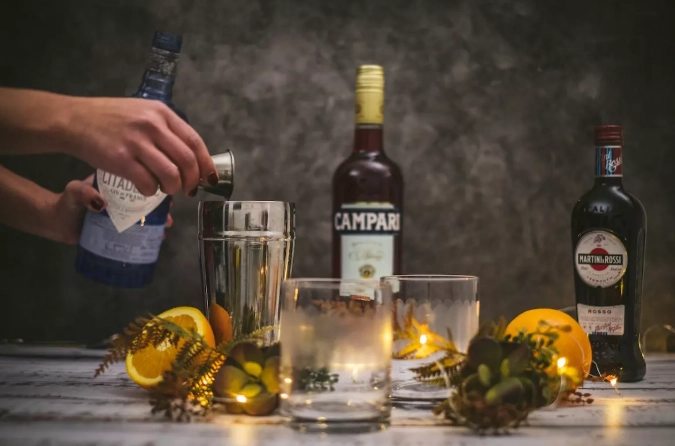
The best way to learn is to taste. Get the bottles, follow the simple recipes, and have your own little aperitivo hour at home. Put out some olives, some nuts, some good bread. Put on some music. Sip slowly. That's the real secret. It's not just in the glass; it's in the pace.
Cheers—or as the Italians say, Salute!
Related Articles

Sea freight rates soared! One after another raised sea freight rates, the "king

The "half-year report" of the economy of 31 provinces is released: Inner Mongoli
Authentic Italian Lasagna Recipe: The Ultimate Guide to Homemade Perfection
Authentic Italian Regional Recipes: A Guide to Italy's Best Local Dishes

The State Administration of Financial Supervision: Commercial banks have release
Authentic Italian Salad Dressing Recipe: Easy, Zesty & Homemade
Italian Sausage Recipes: Easy Family Dinners in 30 Minutes
Authentic Italian Chicken Breast Recipes: Fast, Healthy & Flavorful Dinners
Authentic Italian Pasta Recipes: From Carbonara to Pesto

Is Xiaomi Auto dumped?

The scale of securities lending and securities lending has dropped by more than
Top 10 Italian Foods: The Ultimate List of Must-Try Dishes
A Complete Guide to the Traditional Southern Italian Christmas Dinner Feast
Authentic Italian Cookies Recipe: A Guide to Classic Biscotti & More

Thailand car market survey: sales and prices plunged, and Sino-Japanese competit
Authentic Italian Pasta e Fagioli Recipe: A Hearty Classic

Industry Observation|Running at a new speed of trade finance, Bohai Bank's "Boyi

When going on a long vacation, are electric cars really more "cowardly" than fue
Make-Ahead Italian Appetizers: Stress-Free Recipes & Tips for Any Gathering
Italian Seasoning in Minestrone Soup: The Authentic Herb Blend Explained

Tesla VS BYD: A new wave of insurance for electric car giants
Italian Soup Recipe: Classic Minestrone & Hearty Ribollita Made Easy
The Ultimate Italian Sandwich Recipe: A Step-by-Step Guide
Best Vegetarian Italian Dishes: Recipes & Cooking Tips
Authentic Italian Peasant Food: Simple Recipes & Where to Eat
Simple Pasta Recipes for Busy Weeknights: 3 Classics Made Easy
Authentic Italian Pasta Sauce Recipes: From Classic Tomato to Rich Ragù
Zesty Italian Dressing Recipe: Easy Homemade Guide
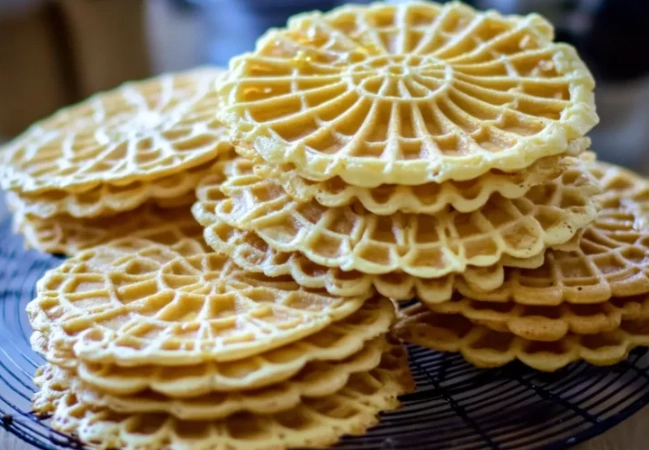
Easy Original Pizzelle Recipe: Classic Italian Waffle Cookies
Leave a Comment