Best Italian Cocktails: From Classic Negroni to Modern Aperitivo
Quick Guide
- The Undisputed Classics: Pillars of Italian Drinking
- The Modern Scene: Innovation on a Classic Foundation
- Building Your Italian Home Bar: What You Really Need
- Your Step-by-Step Guide to Making a Perfect Negroni at Home
- Spritz Simplified: The Universal Formula
- Common Questions About Italian Cocktails (Stuff People Actually Search For)
- Bringing the Aperitivo Experience Home
So you're wondering what are some good Italian cocktails? Let's clear something up right away. It's not just about the Negroni, even though that's the one everyone shouts about first. Don't get me wrong, it's a masterpiece. But Italian drinking culture is this vast, sun-drenched landscape of bitter liqueurs, sparkling wines, and citrus that's been perfected over centuries. It's about the aperitivo hour, that magical time before dinner where a drink isn't just a drink—it's a social ritual meant to awaken the appetite and slow down the day.
I remember my first real Italian cocktail. It wasn't in some fancy bar in Milan. It was at a worn wooden table in a piazza in Bologna, watching the world go by. The drink was a simple Aperol Spritz. It was bright orange, fizzy, and deceptively easy to drink. More importantly, it came with a small bowl of olives and some chips. That's the thing they don't always tell you. The drink is part of a package. The experience is what you're really after.
This guide is for anyone who wants to move beyond the basics. We'll dig into the classics that have defined Italian bars for generations, explore some modern twists that are shaking things up, and I'll even show you how to bring a bit of that aperitivo magic into your own home. Because honestly, what are some good Italian cocktails if not ones you can actually make and enjoy yourself?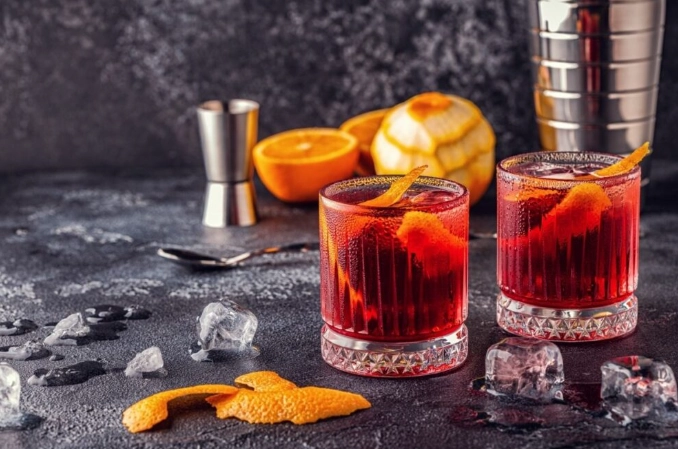
The Undisputed Classics: Pillars of Italian Drinking
These are the legends. The ones with history, sometimes a bit of mystery, and formulas that have barely changed in decades. You can't talk about good Italian cocktails without starting here. They're the foundation everything else is built on.
Negroni: The Bitter King
Equal parts gin, sweet vermouth, and Campari. Stirred over ice, garnished with an orange peel. It seems simple, right? That's the trap. The magic is in the balance. The botanicals from the gin, the herbal sweetness of the vermouth, and the aggressive, bitter-orange punch of Campari all have to fight to a perfect draw. When they do, it's sublime. When they don't, it can taste like medicine.
A quick story about its origin.
The most common tale says it was invented in Florence in 1919 for Count Camillo Negroni, who wanted his Americano cocktail strengthened. He asked the bartender to swap the soda water for gin. Whether it's entirely true is debated by cocktail historians, but it's a good story. The point is, its simplicity is its strength. It's a drink that demands good ingredients. Don't skimp on the Campari or use a dusty old bottle of vermouth. For a deep dive into its components, the Campari official site has fascinating background on the iconic bitter, and the Italian Bartenders Federation (FIPE) often highlights its cultural significance.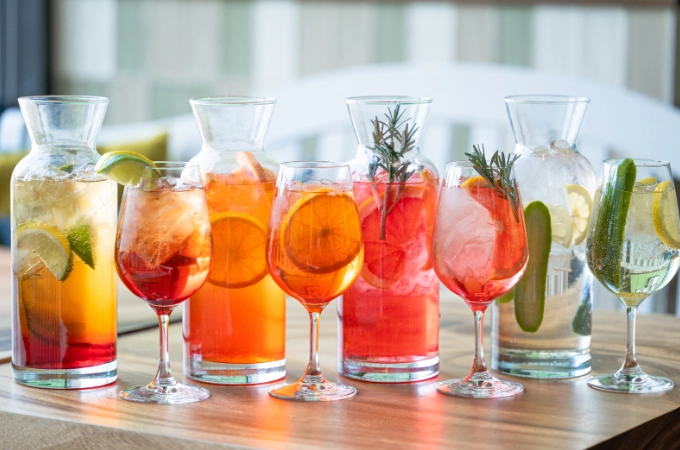
Aperol Spritz: The Sunshine in a Glass
If the Negroni is for a contemplative evening, the Aperol Spritz is for a lazy afternoon in the sun. Prosecco, Aperol, and a splash of soda. Served in a big wine glass with ice and an orange slice. Its vibrant color is instantly recognizable. It's lower in alcohol than a Negroni (Aperol is less potent than Campari), which makes it dangerously sessionable.
What makes it one of the good Italian cocktails is its accessibility. It's not challenging. It's sweet, slightly bitter, fizzy, and refreshing. It's the ultimate social drink. It says "relax, the day is done." The controversy? The proportions. Purists insist on the 3-2-1 rule (3 parts Prosecco, 2 parts Aperol, 1 splash of soda). Many bars just free-pour. I stick with the classic ratio—it's balanced.
Americano: The Negroni's Gentler Predecessor
Before the Negroni, there was the Americano. Campari, sweet vermouth, and club soda. It's essentially a Negroni with the gin replaced by fizzy water. The result is a lighter, more refreshing long drink. It's the perfect gateway into the world of bitter Italian liqueurs. If you find a Negroni too strong, try an Americano first. The soda lifts the flavors and makes it incredibly thirst-quenching. It's named not for America, but for the American tourists in Italy who popularized it in the early 20th century.
Bellini & Rossini: The Fruity Sparklers
Born in the legendary Harry's Bar in Venice, the Bellini is pure elegance. White peach puree and Prosecco. That's it. The key is the quality of the peach. A perfect, ripe, white peach makes a world of difference compared to syrupy purees. The Rossini is its strawberry-scented sibling. These aren't complex cocktails, but they are perfect celebrations of Italian produce. They're brunch icons for a reason.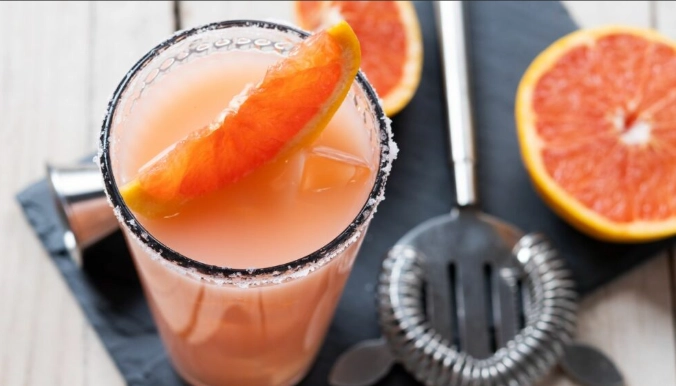
"The true Italian cocktail is rarely about overwhelming strength. It's about flavor, balance, and the moment it creates. The drink is an actor in the larger play of social life."
The Modern Scene: Innovation on a Classic Foundation
Italian mixology hasn't been stuck in the past. A new generation of bartenders is playing with the classic templates, using local amari (bitter liqueurs), artisanal spirits, and modern techniques. So, what are some good Italian cocktails that represent this new wave?
Negroni Sbagliato
"Sbagliato" means "mistaken" or "wrong." Legend has it a bartender in Milan's Bar Basso accidentally grabbed a bottle of sparkling wine instead of gin while making a Negroni in the 1970s. The customer loved it. And so, the Negroni Sbagliato was born: equal parts Campari, sweet vermouth, and spumante (usually a dry sparkling wine like Prosecco). It's lighter, fizzy, and incredibly approachable. It's had a huge resurgence lately, and for good reason. It's a brilliant twist.
Hugo Spritz
While arguably from the German-speaking Alps region of Italy (South Tyrol), the Hugo has been fully adopted into the Italian aperitivo canon. It's a direct challenge to the Aperol Spritz's dominance for the title of most refreshing spritz. Prosecco, elderflower syrup (or St-Germain liqueur), club soda, fresh mint, and a slice of lime. It's less bitter, more floral, and herbaceous. If Aperol Spritz is a summer party, Hugo Spritz is a spring garden.
Cynar-based Creations
Cynar is an artichoke-based amaro. Yes, artichoke. It sounds weird, but it works. It's earthy, vegetal, and complex. Bartenders love it for adding depth. A simple Cynar & Soda (Cynar topped with soda water and an orange twist) is a fantastic low-ABV option. More complex modern cocktails use it as a modifier to add an intriguing bitter-herbal layer. It's a sign you're moving into more adventurous territory.
Let's compare these classics and modern twists side-by-side.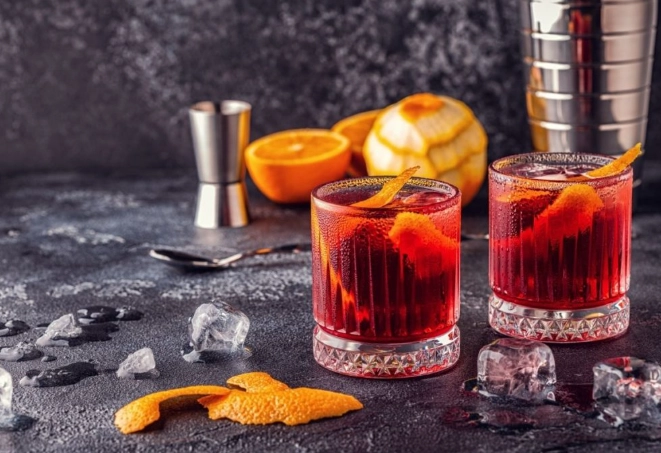
| Cocktail | Category | Key Spirit/Liqueur | Flavor Profile |
|---|---|---|---|
| Negroni | Classic / Strong | Gin, Campari, Vermouth | Bold, Bitter, Herbal, Complex |
| Aperol Spritz | Classic / Sparkling | Aperol, Prosecco | Sweet, Lightly Bitter, Fruity, Refreshing |
| Negroni Sbagliato | Modern / Sparkling | Campari, Vermouth, Prosecco | Bitter, Fruity, Lighter, Effervescent |
| Hugo Spritz | Modern / Sparkling | Elderflower, Prosecco, Mint | Floral, Fresh, Sweet, Herbal |
| Cynar & Soda | Modern / Low-ABV | Cynar (Artichoke Amaro) | Earthy, Vegetal, Bitter, Refreshing |
Building Your Italian Home Bar: What You Really Need
You don't need a professional bar to make good Italian cocktails. A focused selection is better than a crowded shelf of unused bottles. Here’s my practical, non-preachy list.
The Essential Bottles (The Holy Trinity of Aperitivo)
- Campari: The king of red bitters. Non-negotiable. It's the soul of a Negroni and Americano.
- Aperol: The brighter, sweeter, lower-alcohol cousin to Campari. Essential for Spritzes.
- A Good Sweet Vermouth: Don't buy the giant cheap bottle. Get a 750ml of a quality Italian brand like Carpano Antica Formula or Cocchi Vermouth di Torino. Store it in the fridge after opening and use it within a month or two. This is the most common mistake people make—using stale, oxidized vermouth ruins a cocktail.
The Supporting Cast
- A Bottle of Dry Prosecco or Other Dry Sparkling Wine: For Spritzes and Sbagliatos. It doesn't need to be expensive, but it should be dry ("Brut") and fresh.
- A London Dry Gin: For Negronis. Something classic like Beefeater or Tanqueray works perfectly. You don't need an overly floral or citrus-forward gin here; the classic juniper backbone stands up to the Campari.
- Club Soda: For lengthening drinks and adding fizz.
Garnishes & Tools
Fresh citrus is key. Oranges and lemons. A vegetable peeler or paring knife for creating peels. A jigger for measuring (the "free pour" can wait). A long bar spoon for stirring. A mixing glass or even a pint glass works. And good ice—the clearer and harder, the better. It melts slower and doesn't cloud your drink as much.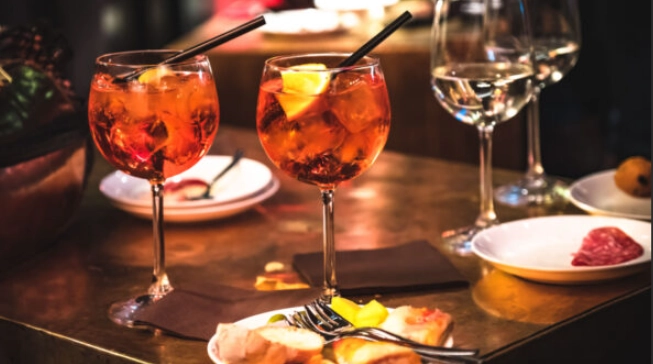
Your Step-by-Step Guide to Making a Perfect Negroni at Home
Let's put theory into practice. Making a classic Negroni is the best test of your setup. Here's how I do it, step by step.
- Chill Your Glass. I like a rocks glass (also called an Old Fashioned glass). Fill it with ice water while you prepare the drink. This gets it frosty cold.
- Measure Precisely. Into your mixing glass, add 1 ounce (30ml) of London Dry Gin, 1 ounce of Sweet Vermouth, and 1 ounce of Campari. The equal parts ratio is sacred for a reason. Don't eyeball it yet.
- Stir, Don't Shake. Add a generous amount of ice to your mixing glass. Stir with your bar spoon for about 25-30 seconds. You want it to be properly chilled and slightly diluted. Stirring keeps it clear and silky; shaking would make it cloudy and aerated (wrong for this drink).
- Prepare Your Garnish. Take a fresh orange. Using a peeler, cut a wide strip of peel, trying to get as little of the white pith as possible.
- Present. Dump the ice water out of your serving glass. Fill it with fresh, large ice cubes. Strain the chilled mixture from the mixing glass over the fresh ice.
- The Final Touch. Hold the orange peel over the drink, skin side down. Give it a firm twist to express the citrus oils over the surface of the drink. You should see a fine mist and smell it instantly. Rub the peel around the rim of the glass, then drop it in or discard it. I usually drop it in.
Sip. Don't gulp. Let it evolve as the ice melts. That's it. You've just made one of the world's great cocktails. Now you can confidently answer the question, "What are some good Italian cocktails?" by actually making one.
Spritz Simplified: The Universal Formula
Once you get the Spritz formula, a world opens up. The basic template is: Sparkling Wine + Bitter Liqueur + Soda + Citrus + Ice. You can swap the components endlessly.
- Classic Aperol Spritz: Prosecco + Aperol + Soda + Orange Slice.
- Campari Spritz: Prosecco + Campari + Soda + Orange Slice (for a stronger, more bitter kick).
- Select Spritz: Prosecco + Select Aperitivo + Soda + Green Olive (a Venetian favorite).
- Cynar Spritz: Prosecco + Cynar + Soda + Grapefruit Twist.
The ratios can be playful. Start with 3 parts Prosecco to 2 parts bitter liqueur, and a splash of soda. Adjust to your taste. More bitter liqueur = stronger flavor. More soda = lighter and fizzier.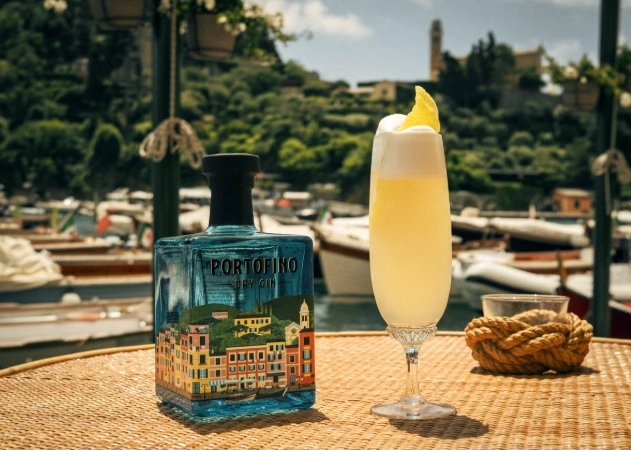
Common Questions About Italian Cocktails (Stuff People Actually Search For)
What's the difference between Aperol and Campari?
This is the big one. They're both bright red Italian bitter liqueurs (amari), but they're not interchangeable. Aperol is sweeter, less bitter, lower in alcohol (11% ABV), and has prominent orange and rhubarb notes. It's more approachable. Campari is more complex, significantly more bitter, higher in alcohol (20.5-28% ABV depending on market), with a deeper herbal, spicy, and bitter-orange character. Think of Aperol as the friendly introduction, Campari as the full, challenging experience.
Are Italian cocktails only for before dinner (aperitivo)?
Traditionally, yes—the bitter and sparkling profiles are designed to stimulate the appetite. But rules are meant to be bent. A lighter Spritz can be a great afternoon drink in the sun. A bitter amaro like Averna or Montenegro is often served neat as a digestivo after a meal to aid digestion. The classic cocktails like the Negroni are firmly in the aperitivo camp, but you can drink them whenever you like. I won't tell.
What's a good Italian cocktail for someone who doesn't like bitter flavors?
Start with the Bellini or Rossini. They're purely fruity and sparkling. The Hugo Spritz is another fantastic option—the elderflower syrup is sweet and floral, masking most of the bitterness you might get from the Prosecco. You could also try a Limoncello Spritz (Prosecco, limoncello, soda, lemon slice), which is sweet and tart. Ease into bitterness with an Aperol Spritz before tackling a Campari drink.
Can I make these without alcohol?
The "mocktail" versions are tricky because the bitter liqueurs are so defining. For a Non-Alcoholic Spritz, try mixing a bitter-style non-alcoholic aperitif (like Everleaf Forest or Ceder's Crisp) with dealcoholized sparkling wine and soda. It won't be identical, but it can capture the refreshing, complex spirit. A Virgin Bellini is easy—just white peach puree and sparkling grape juice.
Bringing the Aperitivo Experience Home
The drink is only half the story. The real magic of answering "what are some good Italian cocktails" is recreating the aperitivo vibe. It's about setting a scene.
It doesn't need to be elaborate. Put out some simple snacks—a bowl of good olives, some marinated almonds, slices of salami and cheese, some grissini (breadsticks), or a few pieces of focaccia. The food is meant to be simple, salty, and nibbly. It complements the drink, not competes with it.
Put on some music. Open the windows if it's nice out. Invite a friend or two, or just enjoy it solo as a ritual to end your workday. The goal is to create a little buffer zone between the busyness of the day and the rest of your evening. That's the Italian secret. The cocktail is just the catalyst.
So, what are some good Italian cocktails? Hopefully, you now see it's not a single answer. It's a spectrum. From the bold, contemplative bitterness of a perfectly stirred Negroni to the effortless, sunny refreshment of an Aperol Spritz, to the modern, floral lift of a Hugo. It's about history, place, and ritual.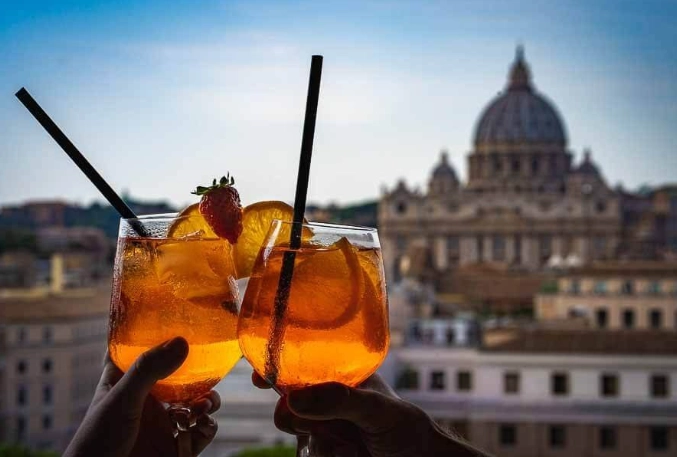
The best way to find your favorite?
Start simple. Get a bottle of Aperol and some Prosecco this weekend. Make a Spritz. Sit down with a snack. Slow down. That's the heart of it. Then, maybe next time, get a bottle of Campari and venture into Negroni territory. There's a whole delicious world waiting in those red-hued glasses. Salute!
Related Articles
Ultimate Guide to Homemade Italian Sausage Recipe (Sweet & Spicy)
Authentic Italian Salad Dressing Recipe: Easy, Zesty & Homemade
5 Traditional Italian Dishes: Authentic Recipes & Where to Try Them
The Best Pasta Carbonara Recipe: Authentic Roman Secrets Revealed
Authentic Carbonara Recipe: The Real Italian Way (No Cream!)
Easy Italian Recipes: 5 Classics Anyone Can Master at Home
Authentic Italian Pasta Recipes: From Carbonara to Pesto
Authentic Italian Pizzelle Recipe: Crispy, Classic & Easy

The only Olympic TOP partner in China's consumer goods industry: Mengniu's pursu
Ultimate Guide to the Top 10 Pasta Dishes You Must Try
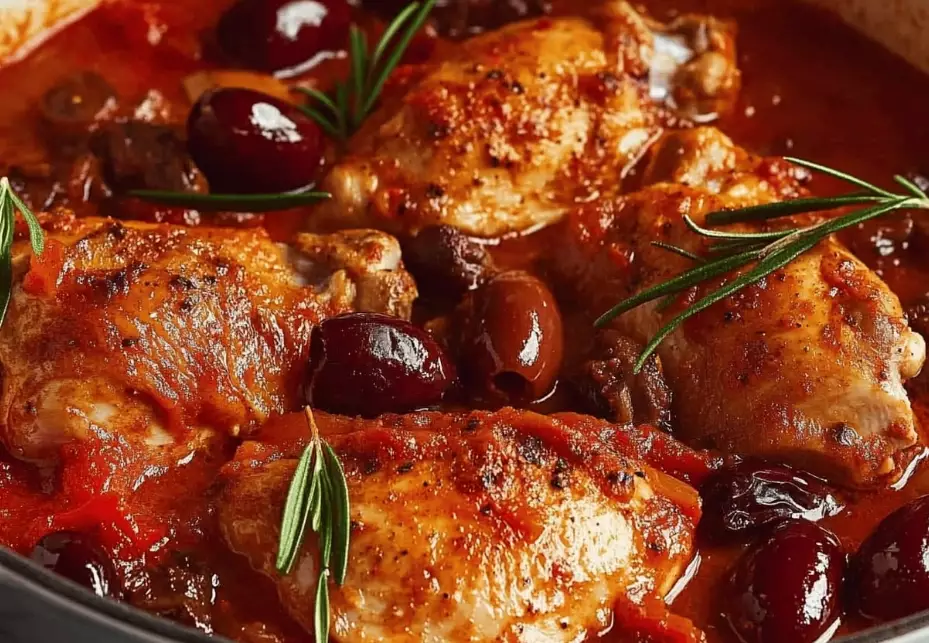
Authentic Italian Chicken Cacciatore Recipe: A Hunter's Stew
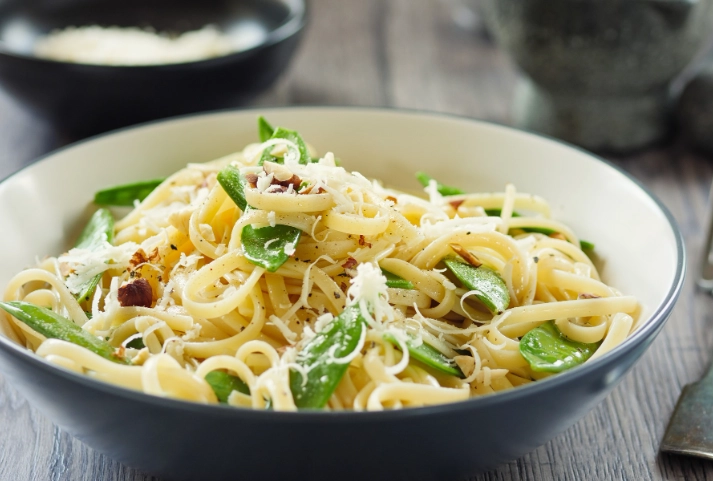
Classic Italian Pasta Recipes: Authentic Dishes You Can Master
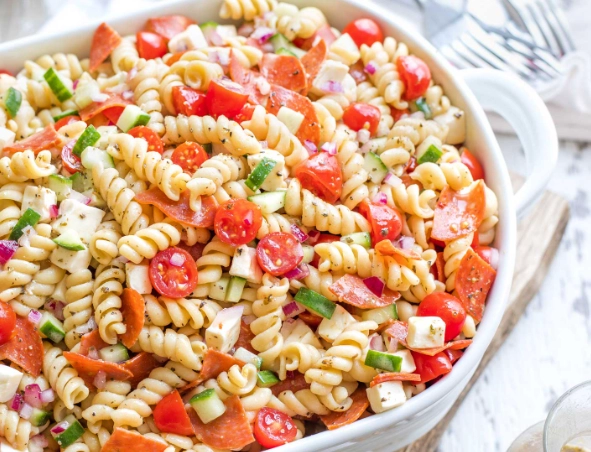
Authentic Italian Pasta Salad Recipe: Easy & Flavorful
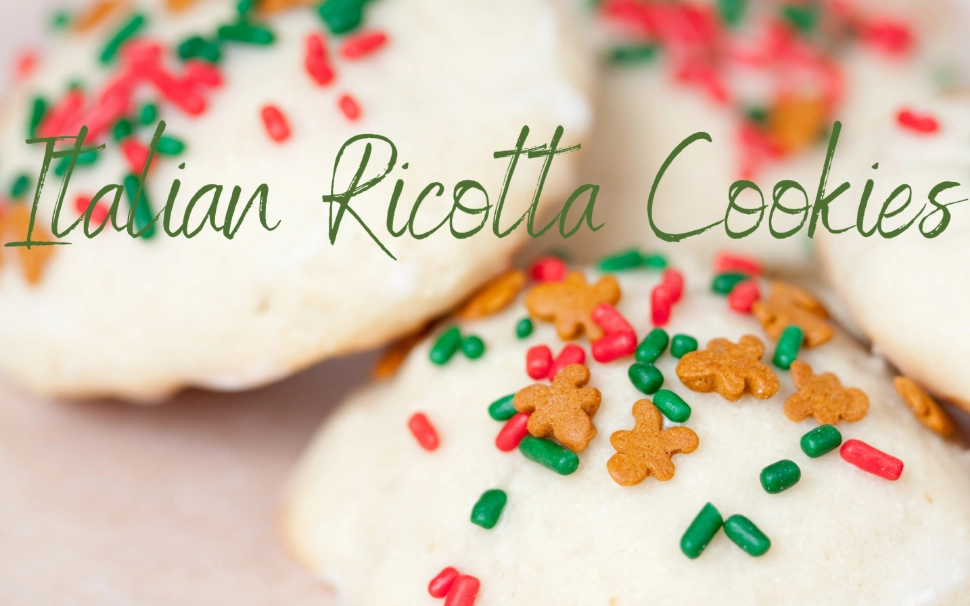
Authentic Italian Cookie Recipes: From Biscotti to Amaretti
Easy Italian Regional Recipes: Authentic Dishes You Can Actually Make
Italian Soup Recipe: Classic Minestrone & Hearty Ribollita Made Easy
Easy Italian Sausage Recipes for a Delicious Dinner | Quick & Flavorful
Cold Italian Appetizers: The Ultimate Guide to Antipasti & Finger Foods
Easy Braciole Recipe: Authentic Italian Beef Rolls Made Simple
Master Classic Italian Dishes: Recipes & Secrets from Pasta to Tiramisu

Sea freight rates soared! One after another raised sea freight rates, the "king
Traditional Italian Holiday Dinner Recipes: A Complete Guide to a Festive Feast
Perfect Pairings: What to Serve with Italian Sausage for Dinner
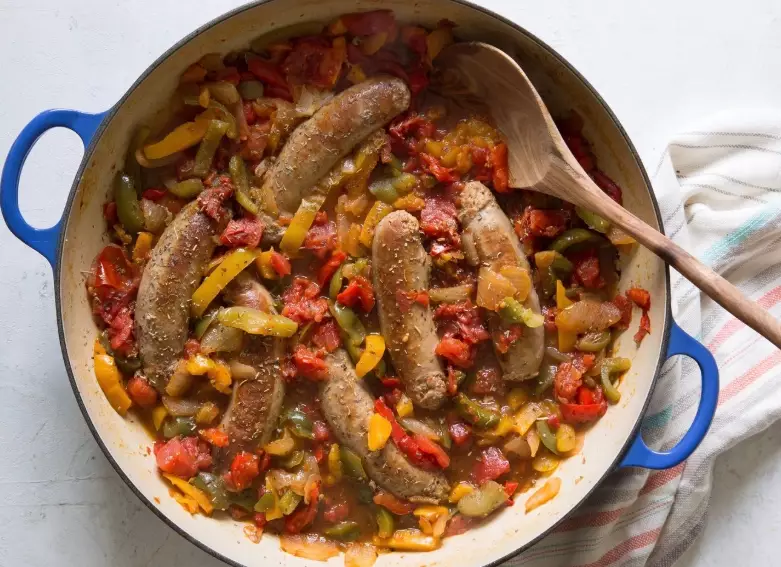
Sweet Italian Sausage Recipes: From Classic Pasta to Creative Feasts
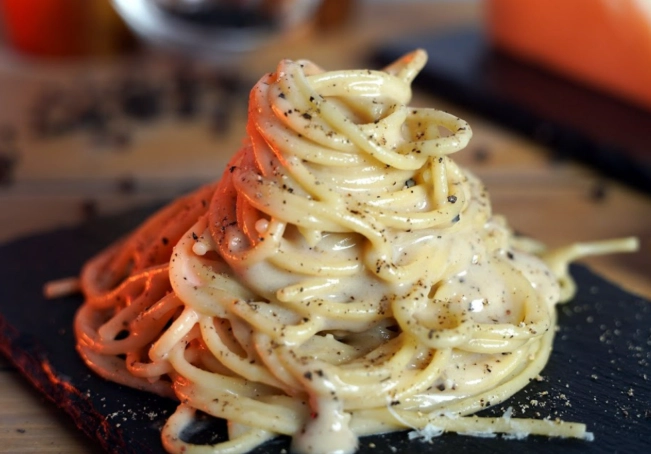
Master Italian Pasta Recipes: Classics, Regional Gems & Pro Tips
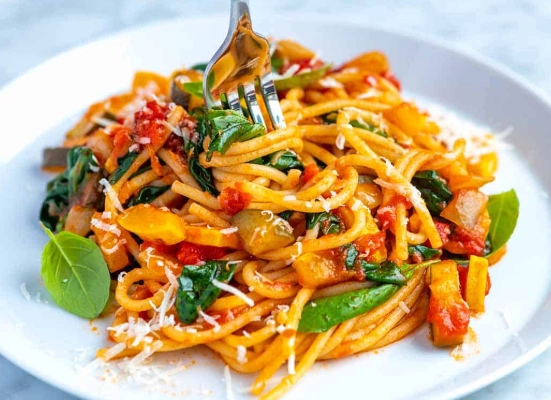
Vegetarian Italian Recipes: A Complete Guide to Plant-Based Pasta & More
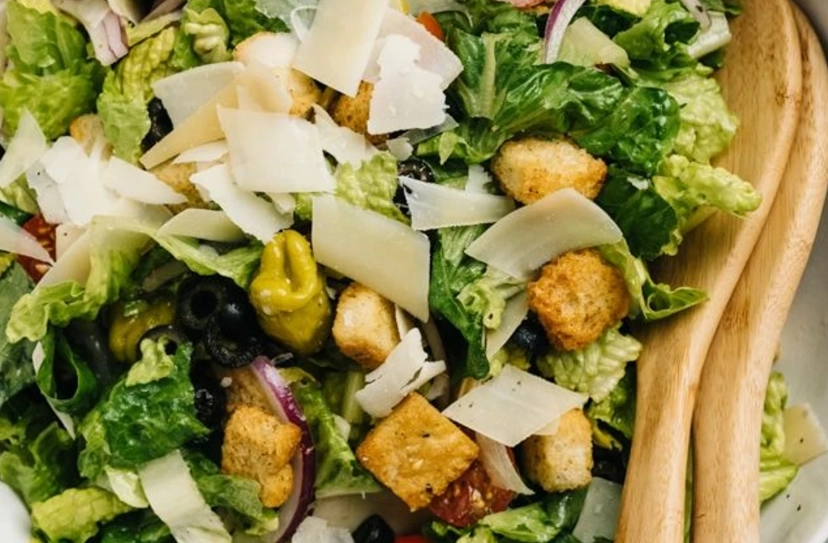
Real Italian Salad Recipes: Authentic Classics & Modern Twists
Authentic Italian Vegetarian Recipes: Classics Made Simple & Delicious

Two 1 billion US dollars of large model financing, Internet giants are starting
Leave a Comment