The Most Popular Cocktail in Italy: A Deep Dive into the Aperol Spritz
Key Highlights
- The Undisputed Champion: Why the Aperol Spritz Reigns Supreme
- A Tale of Two Bitters: Aperol vs. Campari & The Spritz Family Tree
- How to Make the Perfect Aperol Spritz (The Italian Way, Not the Tourist Way)
- Beyond the Spritz: Other Contenders for the Italian Crown
- The Cultural Engine: *Aperitivo* and the Italian Lifestyle
- Frequently Asked Questions (FAQs)
- Final Thoughts: More Than Just a Drink
If you've ever wandered through a piazza in Rome as the sun starts to dip, or watched the world go by on a Venetian canal-side bar, you've seen them. Those vibrant, orange-hued glasses, clinking with ice, often with a lazy slice of orange perched on the rim. It's not just a drink; it's a scene, a ritual, a splash of color against the ancient stones. The answer to "What is the most popular cocktail in Italy?" isn't a whispered secret or a regional oddity. It's a bright, bold, and unapologetically simple declaration of Italian leisure: the Aperol Spritz.
I remember my first one. It was in Verona, and I was exhausted from walking. I sat down, pointed at what everyone else was drinking, and was handed this luminous orange drink. It was bitter, it was sweet, it was fizzy, and it was shockingly refreshing. More than that, it felt like I was finally participating in something real, not just being a tourist. That's the magic of it. It's the democratic drink of Italy, ordered by nonnas in sunhats and fashion students on Vespas alike. But how did this happen? Is it just clever marketing, or is there something more to the story of Italy's favorite cocktail?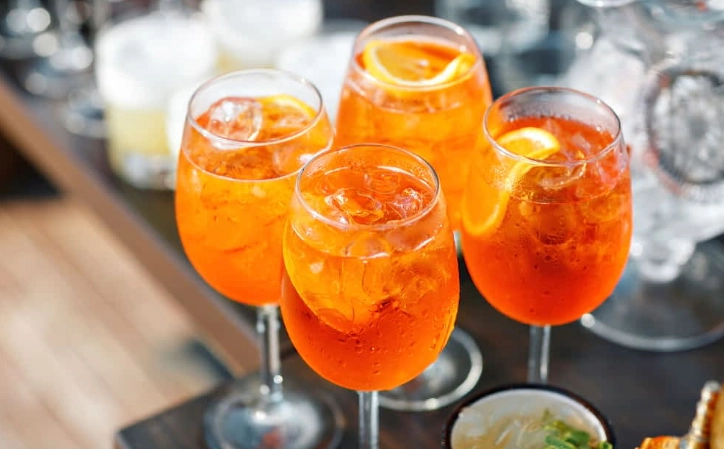
The Undisputed Champion: Why the Aperol Spritz Reigns Supreme
Let's cut to the chase. When people search for the most popular cocktail in Italy, they're often looking for a simple fact. The numbers and the sheer omnipresence back it up. Walk into any bar (*bar* in Italy means a café that serves drinks all day) from the Alps to Sicily between the hours of about 6 PM and 9 PM, and you will witness the Spritz in its natural habitat. Market research firms and industry reports consistently place the Aperol Spritz at the top of sales charts for mixed drinks in the country. Its popularity isn't a fluke; it's a perfect storm of history, flavor, and culture.
The genius of the Aperol Spritz lies in its balance. It's not a strong, boozy drink that knocks you out. At around 11% ABV for the finished cocktail, it's a sipper. It's designed for the *aperitivo*—the pre-dinner ritual meant to "open" the stomach and ease you into the evening. The bitterness from the Aperol (a gentler, lower-alcohol cousin of Campari) stimulates the appetite. The sweetness balances it out, and the prosecco and soda water make it endlessly refreshing. You can have two, maybe three, and still enjoy your pasta afterwards. That's the point.
It's social fuel.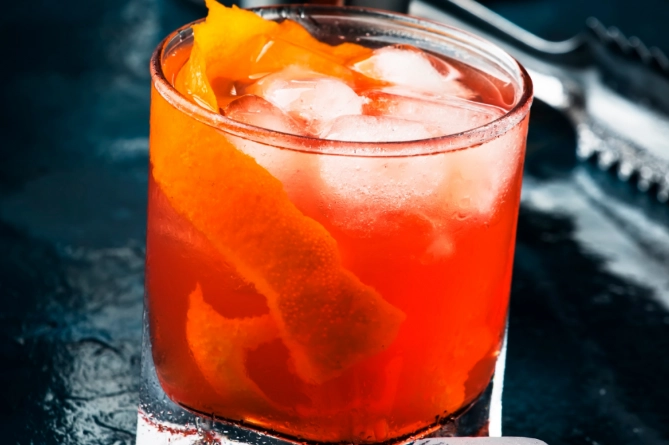
You don't nurse a Spritz alone in a corner. It's the centerpiece of gathering. It's relatively inexpensive, quick for a bartender to make, and visually Instagrammable (though Italians were enjoying them long before social media). Its low alcohol content also means it's accessible. It's the cocktail for people who don't really like "hard" cocktails. My friend's mother, who would never touch a gin and tonic, will happily enjoy a Spritz. That's its broad appeal.
A Tale of Two Bitters: Aperol vs. Campari & The Spritz Family Tree
Now, here's where some confusion pops up. Ask a seasoned Italian drinker, especially in the north, and they might argue for the Campari Spritz. So, what's the deal? Is the most popular cocktail in Italy an Aperol Spritz or a Campari Spritz? Well, it's a family feud.
Both are types of "Spritz," which is really a category of drink with a simple formula: sparkling wine + a bitter liqueur (*amaro* or *aperitivo*) + a splash of soda water. The choice of bitter defines the drink.
| Spritz Type | Key Ingredient | Flavor Profile | Alcohol Content | Popularity & Notes |
|---|---|---|---|---|
| Aperol Spritz | Aperol | Orange, rhubarb, gentian. Sweeter, lighter, more approachable bitterness. Vibrant orange color. | ~11% ABV | The undisputed mass-market king. The gateway Spritz. Its lower alcohol (Aperol is 11% ABV on its own) and sweeter profile won the national heart. |
| Campari Spritz | Campari | Herbal, bitter, complex with notes of orange peel and chinotto. Deep red color. | ~15-18% ABV | The purist's choice, especially in Milan. More assertive and bitter. Campari is 20.5-28% ABV, making the drink stronger. An acquired taste for many. |
| Select Spritz | Select Aperitivo | A Venetian classic. More herbal and aromatic than Aperol, less bitter than Campari. Red color. | ~12-14% ABV | The original Venetian favorite, though overshadowed by Aperol's marketing in recent decades. A fantastic middle-ground option. |
| Cynar Spritz | Cynar (artichoke-based) | Earthy, vegetal, uniquely bitter. Brownish hue. | ~12-14% ABV | A growing trend among bitter enthusiasts. Not for the faint of heart, but a fascinating variation. |
Looking at this table, the answer to "What is the most popular cocktail in Italy?" becomes clear. The Aperol Spritz wins on mass appeal. Campari has a fierce, loyal following (and I personally prefer its bolder punch sometimes), but Aperol is what you see on every other table. Its 21st-century global marketing campaign, with its catchy "Aperol Spritz o'clock" messaging, certainly turbocharged its fame, but it simply amplified a trend that was already deeply embedded in Italian *aperitivo* culture. You can read more about the fascinating history of the Spritz category from Aperol's official heritage page, which details its post-war rise.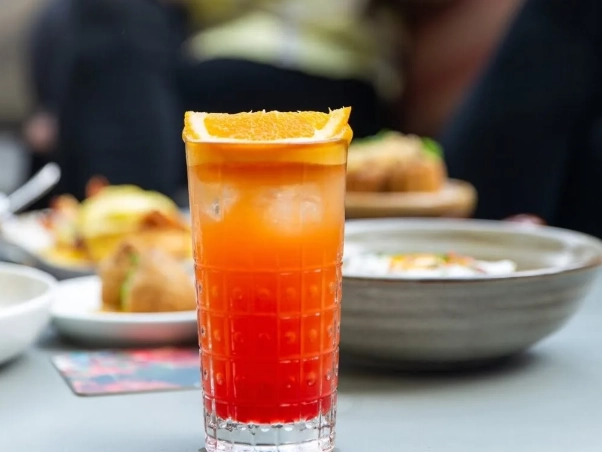
How to Make the Perfect Aperol Spritz (The Italian Way, Not the Tourist Way)
This is crucial. A badly made Spritz is a sad thing—flat, unbalanced, and often served in the wrong glass. To truly understand why this is the most popular cocktail in Italy, you need to know how to build it correctly. Italians are ritualistic about this.
The Sacred Ratio: The 3-2-1 Rule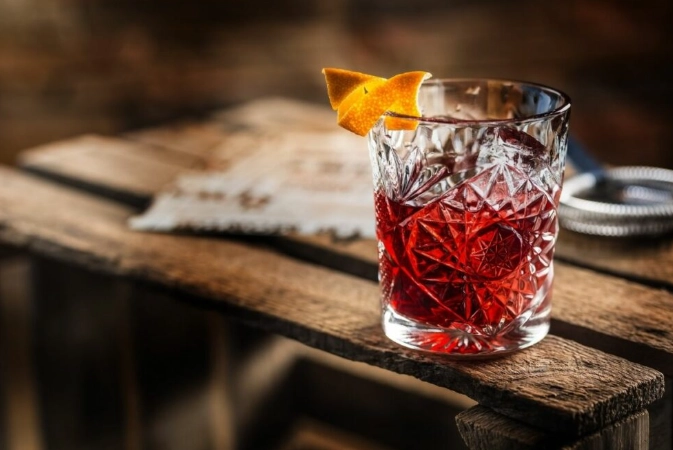
Forget vague pours. The classic, approved ratio is:
- 3 parts Prosecco: Use a dry (*brut*) or extra dry Prosecco. It shouldn't be sweet. The wine provides the alcoholic backbone and fruitiness. Don't use cheap, sweet sparkling wine—it ruins the balance.
- 2 parts Aperol: This is the soul of the drink, providing the signature color and bittersweet flavor.
- 1 splash of Soda Water: A *splash*. Its job is to lengthen the drink slightly and add a bit more effervescence and dilution. It's not a main component.
Ice is non-negotiable.
Always, always use a large wine glass or a specific balloon-shaped Spritz glass. It allows for the aromas to open up and gives you room for plenty of ice. Fill the glass with ice first. Then add the Prosecco, then the Aperol. Give it a very gentle stir. *Then* top with that splash of soda. Garnish with a half-slice of orange. The order matters—it helps with integration.
Common Mistakes to Avoid
- Using a tiny glass: This is a long drink. It needs space.
- Skipping the ice or using too little: A Spritz must be served bitingly cold. The ice also provides essential dilution as you drink.
- Reversing the ratio (too much Aperol): This makes a cloying, overly sweet, and imbalanced drink. The Prosecco is the star, not just a mixer.
- Using a sweet Prosecco or Champagne: Champagne is too yeasty and powerful. A dry Prosecco's lighter, fruitier profile is ideal. Sweetness fights the Aperol.
Beyond the Spritz: Other Contenders for the Italian Crown
While the Aperol Spritz is the everyday champion, Italy's cocktail scene has depth. If you're asking "What is the most popular cocktail in Italy?" you might also be wondering what else is in the running. Here are a few other heavy hitters you'll see across the country.
- Negroni: The king of Italian *after-dinner* or serious cocktail bar drinks. Equal parts gin, sweet vermouth, and Campari. It's bitter, strong, complex, and adored globally. But it's a sipper, not a session drink like the Spritz. Its popularity is immense, but it's a different category—more of a connoisseur's choice than the people's choice for an everyday *aperitivo*.
- Negroni Sbagliato: A wonderful "mistake" from Milan. Substitute the gin in a Negroni with Prosecco. It's lighter, fizzier, and a fantastic bridge between the Spritz and Negroni worlds. Its popularity has skyrocketed recently.
- Americano: Campari, sweet vermouth, and soda. The Negroni's gentler, spritzier predecessor. You'll see it ordered, but not with the frequency of a Spritz.
- Hugo Spritz: A modern northern Italian invention, especially popular in the Alto Adige/Südtirol region. Prosecco, elderflower syrup (St-Germain), soda water, mint, and a lime slice. It's a sweet, floral, and incredibly refreshing alternative that has gained a massive following. It's arguably the Aperol Spritz's biggest rival among younger crowds and in the north.
- Limoncello (as a shot/digestivo): Not a cocktail per se, but it's arguably consumed more than any other mixed drink. It's the post-meal ritual, usually homemade, and served ice-cold. Its popularity is universal.
So, while these drinks are beloved, they don't dethrone the Aperol Spritz for the title of most ordered, most recognizable, and most culturally embedded *aperitivo* cocktail. The Hugo comes close in specific regions, but nationally, the orange glow is unmatched.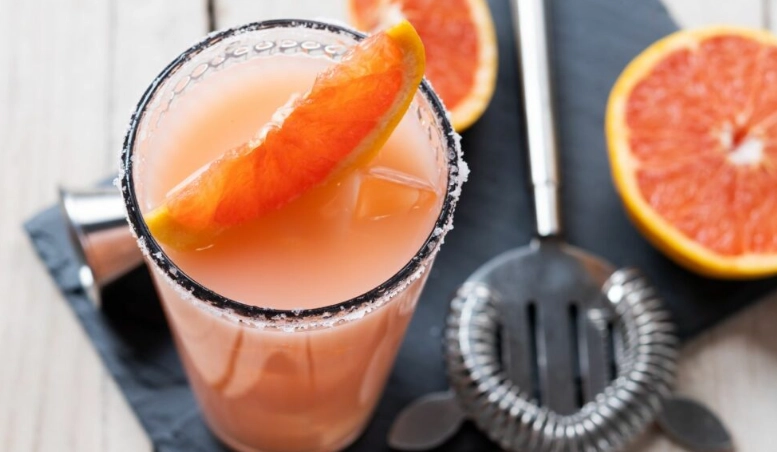
The Cultural Engine: *Aperitivo* and the Italian Lifestyle
You can't separate the drink from the ritual. The Aperol Spritz is the liquid emblem of *aperitivo*. This isn't happy hour in the American sense—a rushed discount on drinks after work. *Aperitivo* is a slower, more civilized transition from work to dinner. It's about socializing, decompressing, and having a light bite (the complimentary snacks, or *stuzzichini*, that often come with the drink).
The Spritz is perfect for this. It's not meant to be analyzed like a fine wine. It's a backdrop to conversation, to people-watching, to the gentle buzz of a piazza coming to life in the evening. The Italian Ministry of Agricultural, Food and Forestry Policies even recognizes and promotes the cultural significance of the *aperitivo* ritual, as part of the broader Italian food culture. You can explore how Italy frames its food and drink traditions on the official Italia.it tourism website, which often features *aperitivo* culture.
This cultural weight is a huge part of the answer to "What is the most popular cocktail in Italy?" It's popular because it's woven into the fabric of daily life. It's affordable, it's social, and it marks a cherished time of day.
Frequently Asked Questions (FAQs)
Let's tackle some of the other questions that swirl around this topic. These are the things people really want to know after they find out the name of the most popular cocktail.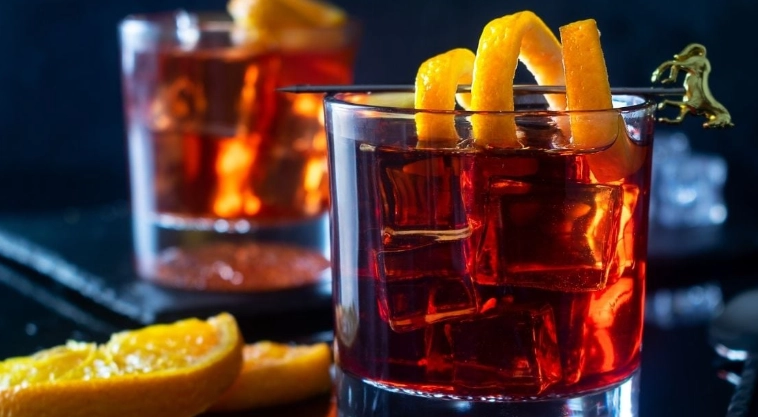
Final Thoughts: More Than Just a Drink
So, when someone asks, "What is the most popular cocktail in Italy?" you now know the definitive answer is the Aperol Spritz. But you also know it's so much more than a mix of three ingredients. It's a century of history, a specific time of day, a cultural passport, and a symbol of an attitude towards life that values connection and relaxation.
Is it the most complex or technically impressive cocktail in the world? No. And that's the point. Its simplicity is its strength. Its accessibility is its power. You can find it everywhere, from a fancy hotel bar in Milan to a plastic-cup stand on a beach in Puglia. It's consistent, reliable, and always hits the spot.
Try making one properly tonight.
Get the big glass, pile in the ice, follow the 3-2-1 rule, and add that orange slice. Take a sip. Maybe you're not in a Venetian campo, but for a moment, you can tap into the rhythm of the Italian evening. That's why it's popular. It's a little vacation in a glass. And really, who wouldn't want that?
Related Articles
Classic Italian Bolognese Recipe: Master the Authentic Ragu
Ultimate Guide to Spaghetti Pasta Recipes: Easy, Authentic & Creative

Performance exploded! Sungrow Power Supply made a huge profit of tens of billion
What Side Dishes to Serve with Sausage? 15 Perfect Pairings & Recipes

Why did China Resources take over Tasly?

Industry Observation|Running at a new speed of trade finance, Bohai Bank's "Boyi
Top 10 Pasta Dishes: Must-Try Italian Classics & Expert Tips
Authentic Italian Cuisine Recipes: From Classics to Regional Secrets

Why is Dongguan's economy no longer at the bottom?
Authentic Italian Cookie Recipes: From Biscotti to Amaretti
Ultimate Italian Margarita Recipe: How to Make the Perfect Amaretto Sour Twist
What Are the Top 10 Italian Appetizers? A Taste of Italy's Antipasto Secrets

The reason for the surge in A-shares has been found! The Shanghai Composite Inde

The fourth wave of internationalization of global auto companies, how can China
Authentic Italian Dinner Recipes: Classics for Your Table
Unique Italian Appetizers: Beyond Bruschetta & Meatballs
Mastering Italian Fish Recipes: From Classic to Coastal

Microsoft hollowed out AI unicorn Inflection AI and paid 650 million US dollars
Ultimate Italian Pizzelle Recipe: Crispy, Authentic & Easy

Two 1 billion US dollars of large model financing, Internet giants are starting

With an increase of nearly 300%, the leader of "flying cars" took off, fearless

Is Xiaomi Auto dumped?
Authentic Italian Recipes: Secrets from a Roman Kitchen
Italian Lasagna Recipe: Authentic Homemade Lasagna Guide
Italian Shrimp Recipes: From Classic Scampi to Modern Dishes
Authentic Italian Hot Chocolate Recipe: Rich, Thick & Easy
Italian Pasta Salad Recipe: The Ultimate Guide for Perfect Results
Authentic Italian Beef Recipe: The Ultimate Chicago-Style Sandwich Guide
Italian Sauce Recipe: Secrets from a Nonna's Kitchen
Leave a Comment