Unique Italian Cocktails: Beyond the Aperol Spritz
A Quick Sip: What’s Inside
Let's be honest. When someone says "Italian cocktail," what pops into your head? For most people, it's that bright orange drink in a giant wine glass – the Aperol Spritz. Maybe a Negroni if you're feeling a bit more adventurous. And don't get me wrong, I love a good Spritz on a sunny afternoon. But reducing Italian drinking culture to just one or two iconic drinks is like saying Italian food is only pizza and pasta. There's a whole universe out there, a treasure trove of unique Italian cocktails that tell stories of specific regions, forgotten traditions, and modern creativity.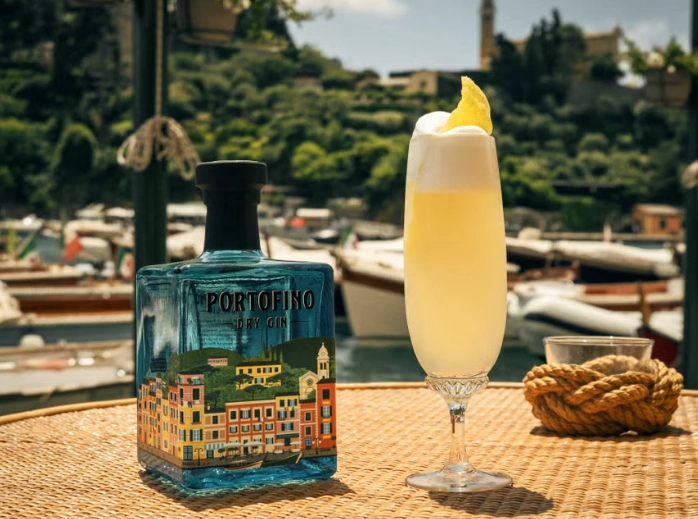
I remember sitting in a tiny, standing-room-only bar in Turin, miles away from the tourist crowds in Venice or Rome. The bartender, a man with forearms like a winemaker and a look of intense concentration, slid a small, frosty glass towards me. It was a deep ruby red, smelled of herbs and wine, and tasted like nothing I'd ever had before. It was a unique Italian cocktail called a Bicerin, but not the hot, layered coffee version. This was a chilled, spirituous revelation. That moment stuck with me. It was a reminder that Italy's cocktail scene is deeply regional, often hyper-local, and full of surprises waiting to be discovered by anyone willing to look past the menu of the nearest trattoria.
The Hidden Gems: Regional Italian Cocktails You Need to Know
Italy was unified as a country fairly recently in the grand scheme of things. For centuries, it was a collection of city-states, kingdoms, and regions with fiercely independent identities. That history is bottled, literally, in its drinks. The concept of a "national" cocktail is almost foreign here. Instead, you have drinks born from local ingredients, climate, and history. These are some of the most authentically unique Italian cocktails you can find.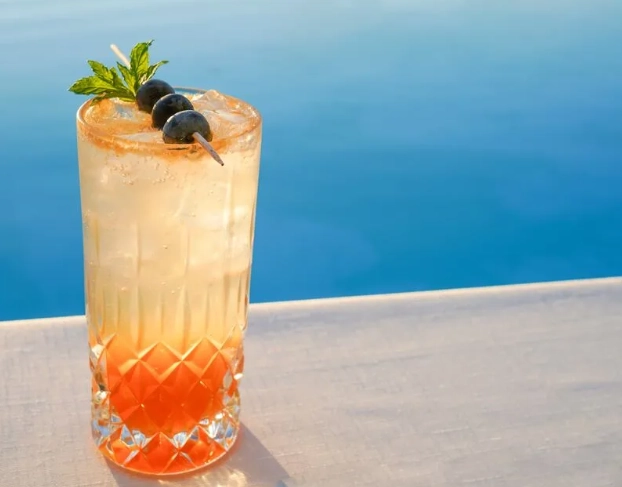
From the Alps to the Islands: A Geographic Tour in a Glass
Up in the northern mountains, especially in regions like Trentino-Alto Adige and Valle d'Aosta, the drinks are built to fortify. You'll find spirits infused with local pine, gentian root, and berries. Head south, and the citrus groves of the Amalfi Coast and Sicily take center stage. The base spirits change too – from grappa in the north to limoncello and other citrus liqueurs in the south.
Pro Tip: When in Italy, always ask the bartender, "Cosa avete di tipico della zona?" (What do you have that's typical of this area?). It's the golden ticket to discovering drinks you won't find in any international cocktail book.
Let's break down a few standout regional stars. This isn't an exhaustive list – that would be a book – but a curated selection to get you started.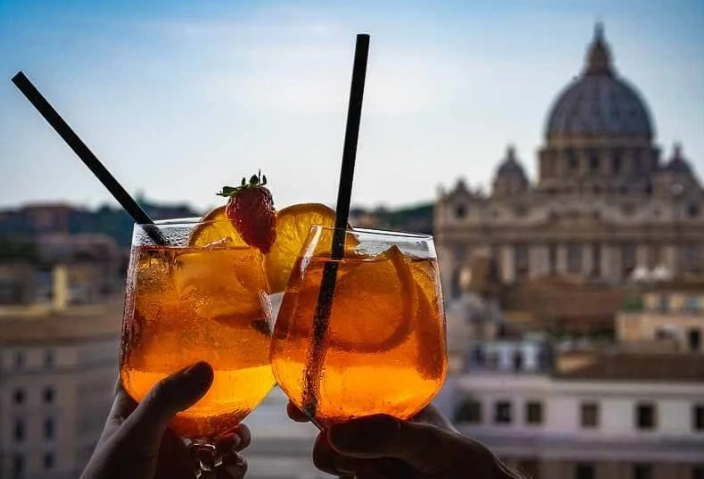
| Cocktail Name | Region of Origin | Key Ingredients | The Vibe & When to Drink |
|---|---|---|---|
| Bicerin (Torinese Cocktail Version) | Piedmont (Turin) | Espresso, dark chocolate, cream, sometimes grappa or rum. | Rich, decadent, dessert-in-a-glass. An afternoon pick-me-up or after-dinner treat. The hot version is famous, but a chilled, boozy version is a true Turin secret. |
| Hugo Spritz | Trentino-Alto Adige | Prosecco, Elderflower Syrup (or St. Germain), Soda Water, Fresh Mint, Lime. | Light, floral, and incredibly refreshing. The elegant, less-bitter cousin of the Aperol Spritz. Perfect for a warm summer evening. |
| Negroni Sbagliato | Lombardy (Milan) | Campari, Sweet Vermouth, Prosecco (instead of Gin). | Softer, bubbly, and more approachable than a classic Negroni. "Sbagliato" means "mistake" – legend says a bartender grabbed Prosecco instead of gin by accident. A happy hour masterpiece. |
| Amari-based Highballs (e.g., Cynar & Soda) | Countrywide (various Amari) | Your choice of Amaro (Cynar, Montenegro, Averna, etc.), Soda Water, Citrus Peel. | The ultimate Italian digestif ritual. Low-ABV, bitter, complex, and aids digestion. The choice of Amaro is highly personal and regional. An after-dinner essential. |
| Sgroppino | Veneto | Prosecco, Lemon Sorbet, Vodka (optional). | A frothy, slushy, palate-cleansing wonder. Served between courses or as a dessert. Feels fancy but is dead simple. Irresistibly fun. |
My Take: I have a soft spot for the Hugo Spritz. It feels like a more sophisticated choice than an Aperol, and people are always impressed when you introduce it to them. The Cynar & Soda, on the other hand, is an acquired taste. I hated it the first time – too bitter! – but now I crave its complexity after a heavy meal. It's a grown-up drink that grows on you.
Modern Twists: Contemporary Italian Mixology
It's not all about history and tradition. Italy has a vibrant, cutting-edge cocktail scene, particularly in cities like Milan, Rome, and Florence. Talented bartenders, or mixologists, are reinterpreting classic flavors with modern techniques. They're treating Italian ingredients – from balsamic vinegar to olive oil to rare mountain herbs – with the same reverence a chef would.
This is where the definition of unique Italian cocktails gets really exciting. It's not just about rediscovering old recipes, but about creating new ones that couldn't come from anywhere else. These bartenders are the curators of Italy's vast pantry of wines, spirits, and liqueurs.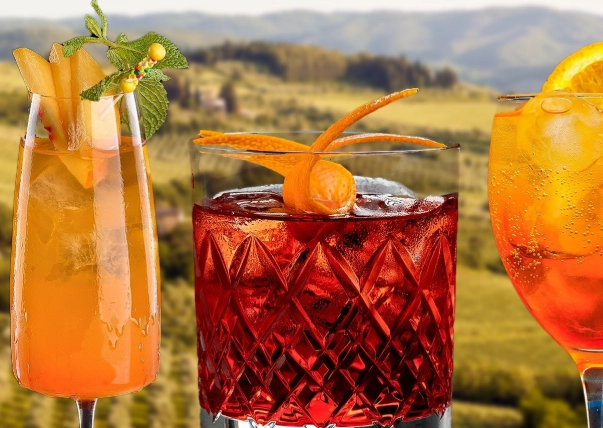
You'll see drinks that feature:
- House-Infused Spirits: Grappa infused with Sicilian blood orange, gin rested on juniper and alpine flowers.
- Savory Elements: A pinch of sea salt, a drop of extra virgin olive oil, a spray of rosemary smoke.
- Reinvented Classics: A Negroni where the gin is replaced by a local artisanal spirit, or a Spritz that uses a small-batch, bitter liqueur from a family-owned producer in the countryside.
To understand this movement, it's worth looking at the work of bars like The Jerry Thomas Project in Rome (a speakeasy that helped pioneer the craft cocktail revival in Italy) or reading interviews with award-winning Italian bartenders on platforms like Difford's Guide. They provide context for how Italy fits into the global cocktail conversation.
How to Make Unique Italian Cocktails at Home (Without Fancy Gear)
Okay, reading about these drinks is one thing. But how do you actually make them? The good news is, you don't need a laboratory. The spirit of Italian home cooking applies to drinks too: quality ingredients, simple steps.
The Essential Italian Home Bar
You don't need everything. Start with one or two base bottles and build from there.
- The Vermouths: A good sweet (rosso) vermouth (like Carpano Antica Formula or Cocchi Vermouth di Torino) and a dry vermouth. Refrigerate them after opening! They're fortified wines and will spoil.
- One or Two Amari: This is your gateway to bitterness. A versatile, medium-bodied one like Averna or Montenegro is perfect for starters. Cynar (artichoke-based) is a fantastic, less-sweet option for highballs.
- A Bottle of Prosecco or Other Dry Sparkling Wine: For Spritzes and Sbagliatos. Don't use your most expensive bottle, but don't use something you wouldn't drink on its own.
- A Citrus Liqueur: Limoncello is the classic, but consider a blood orange liqueur or even a high-quality triple sec.
- The Workhorses: A decent London Dry Gin (for Negronis), a bottle of Campari (non-negotiable), and a bottle of soda water.
Common Pitfall: Using stale, room-temperature vermouth is the number one way to ruin a good cocktail. Treat it like an open bottle of wine – in the fridge, and try to use it within a month for peak flavor.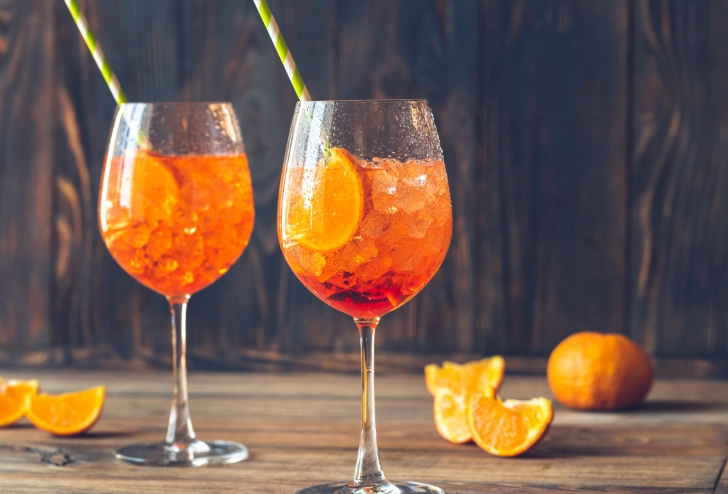
Two Recipes to Try Tonight
1. The "Hugo Spritz" (The Elegant Refresher)
You'll need: A wine glass, ice, a spoon.
Ingredients:
- 1 oz (30ml) Elderflower Liqueur (St. Germain is perfect)
- 3-4 oz (90-120ml) Chilled Prosecco
- Splash of Soda Water
- 2-3 fresh mint leaves
- 1 slice of lime
Do this: Put the mint leaves and lime slice in the glass. Add the elderflower liqueur. Fill the glass with ice. Pour in the Prosecco. Give it a very gentle stir. Top with a splash of soda. Garnish with another sprig of mint. That's it. It's foolproof and tastes like a meadow in a glass.
2. The "Cynar & Soda" (The Digestif Hero)
You'll need: A highball or rocks glass, ice.
Ingredients:
- 1.5 oz (45ml) Cynar
- 4-5 oz (120-150ml) Chilled Soda Water
- A large, wide strip of orange or grapefruit peel
Do this: Fill the glass with ice. Pour the Cynar over the ice. Top with soda water. Express the citrus peel over the drink (that means twist it hard to spray the oils onto the surface) and drop it in. Stir once. Sip slowly after dinner. It's bitter, refreshing, and weirdly satisfying.
See? No shaker required for these. The beauty of many unique Italian cocktails is their simplicity and focus on the ingredients themselves.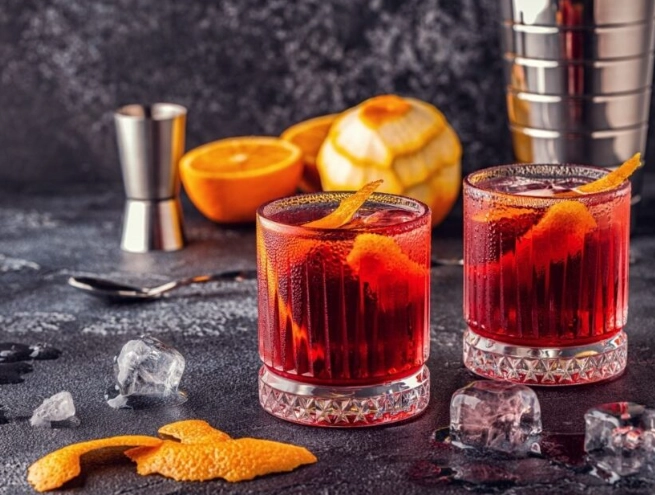
Your Questions, Answered (The Italian Cocktail FAQ)
Bringing It All Home: Your Next Step
The world of unique Italian cocktails is deep and endlessly fascinating. It's a delicious way to connect with Italy's regional diversity, its history, and its modern creative energy. You don't have to be an expert to enjoy it. You just have to be curious.
My advice? Pick one cocktail from this article that sounds interesting. Maybe it's the Hugo Spritz because you love floral notes. Or the Cynar & Soda because you're intrigued by bitter flavors. Buy the one or two bottles you need. Make it this weekend. Taste it. Think about the flavors. Does it remind you of anything? Would you tweak it?
Forget the idea that you need to know everything. The best Italian drinking experiences are about discovery and pleasure. So, salute! And here's to finding your new favorite unique Italian cocktail.
Related Articles
Easy Italian Dressing Noodle Salad Recipe: Perfect for Summer
Authentic Italian Pasta Recipes: From Carbonara to Pesto

Three years and five visits to the Hong Kong Stock Exchange, can Wumart realize

Microsoft hollowed out AI unicorn Inflection AI and paid 650 million US dollars
Ultimate Guide to Classic Italian Dessert Recipes from Tiramisu to Cannoli
Authentic Italian Chicken Recipes: From Classic Pollo alla Cacciatora to Modern Favorites

Two 1 billion US dollars of large model financing, Internet giants are starting

Breaking through 1.2 billion kilowatts, China has achieved its commitment to win
Easy Italian Dinner Recipes You Can Make Tonight
Authentic Italian Carbonara Recipe: The Only Guide You'll Ever Need
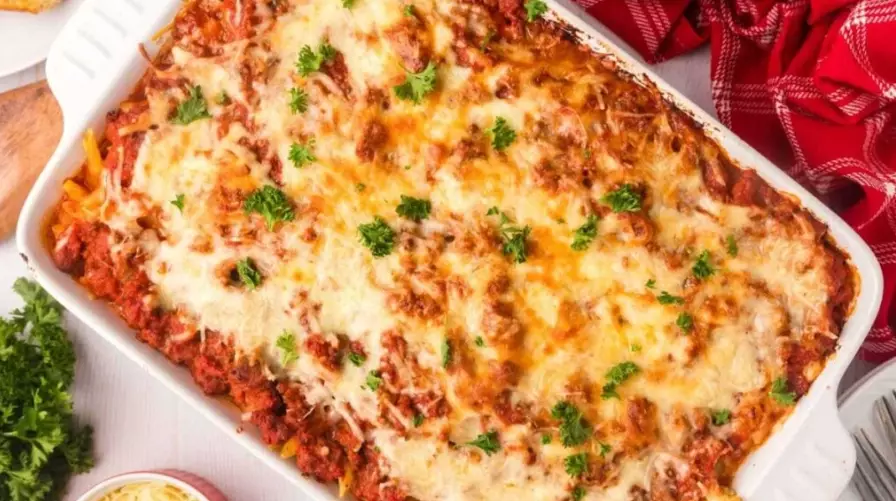
Italian Casserole Recipes: Easy Family Dinners & Expert Tips

Sudden bad news! A-shares plunged, Hong Kong stocks fell more than 2%, and there
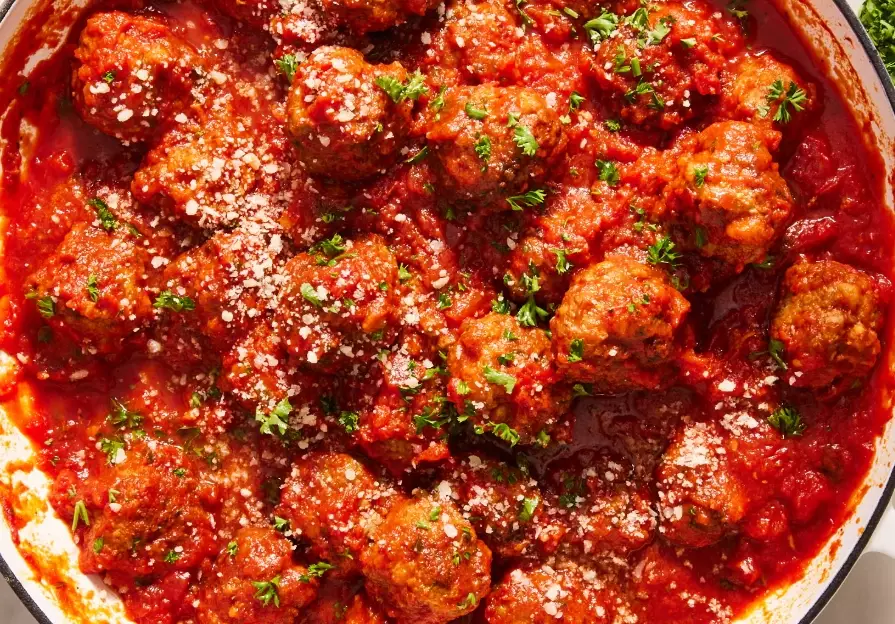
Authentic Italian Meatballs Recipe: Nonna's Secret for Tender & Flavorful Polpette

The medium-sized trap of Internet companies
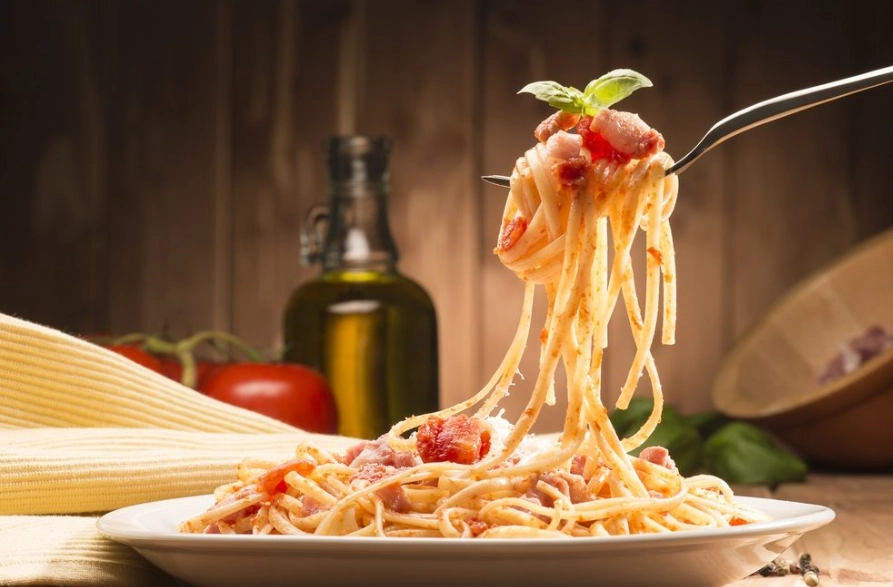
Top 10 Pasta Dishes: Must-Try Italian Classics & Expert Tips
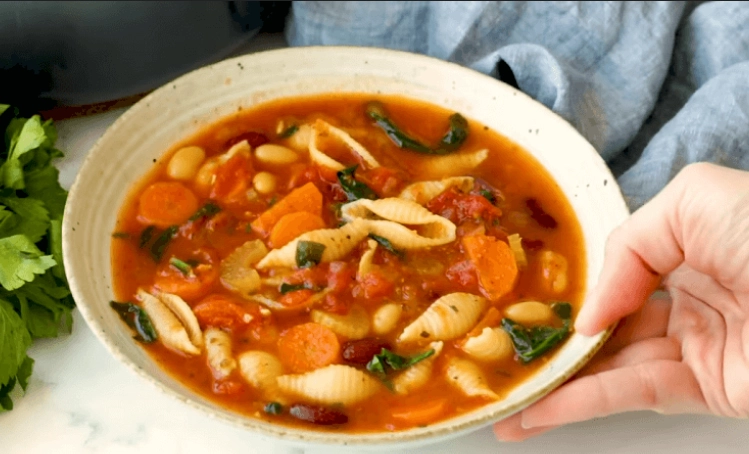
Authentic Italian Minestrone Soup Recipe: A Hearty Classic
Italian Sausage Pasta Recipes: A Complete Guide to Classic Comfort Food
Quick Italian Starters: 10 Easy Recipes Ready in 30 Minutes
The Ultimate Homemade Italian Dressing Recipe (Easy & Authentic)

The RMB exchange rate against the US dollar rose to a high point this year
Authentic Italian Cream Cake Recipe: Moist, Nutty & Irresistible
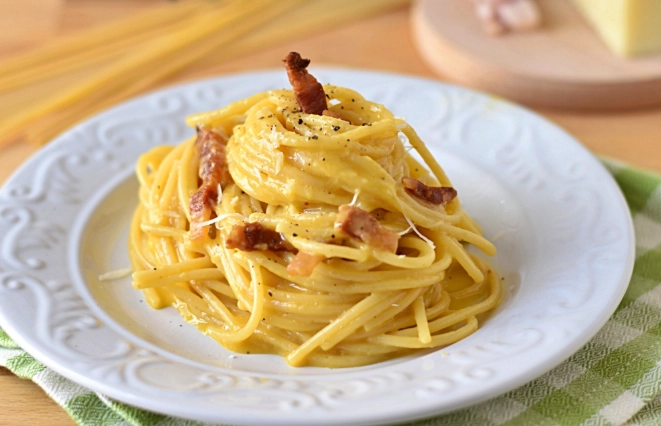
The Best Pasta Carbonara Recipe: Authentic Roman Secrets Revealed
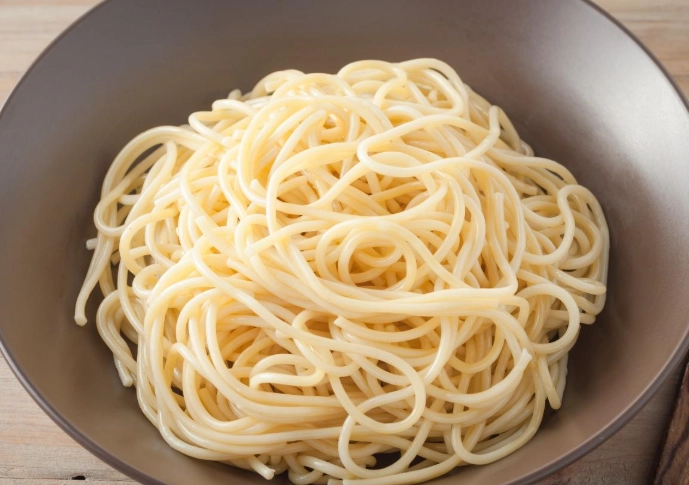
Simple Pasta Recipes for Busy Weeknights: 3 Classics Made Easy
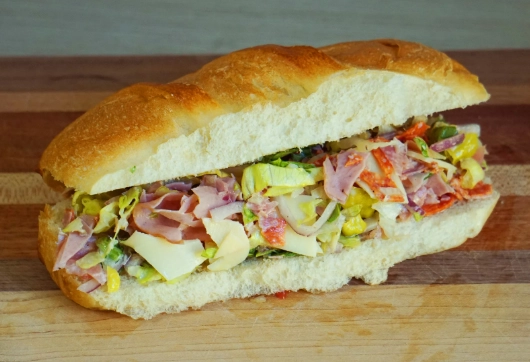
Chopped Italian Sandwich Recipe: Step-by-Step Homemade Guide
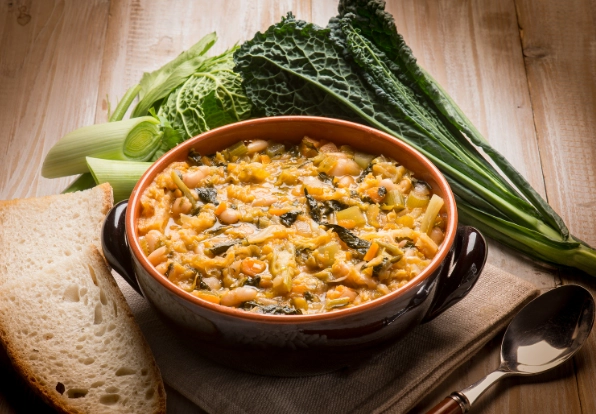
Authentic Italian Peasant Food: Simple Recipes & Where to Eat
Vegetarian Italian Recipes: A Complete Guide to Plant-Based Pasta & More
What is the Traditional Drink of Italy? The Definitive Guide
Italian Buttercream Recipe: How to Make Perfectly Smooth Frosting
Authentic Italian Pasta Salad Recipe: Easy & Flavorful
Leave a Comment