Simple Italian Cocktail Recipes: Easy Classics & Modern Twists
Your Cocktail Journey Map
- The Heart of the Matter: What Makes a Cocktail "Italian"?
- The Unbeatable Classics: 5 Simple Italian Cocktail Recipes to Start With
- Leveling Up: Simple Twists on the Classics
- Your Toolkit for Simple Italian Cocktails
- Answering Your Questions: The Italian Cocktail FAQ
- The Italian Pantry: A Starter Shopping List
- Putting It All Together: Your First Italian Aperitivo Hour at Home
- Final Thoughts: Keep It Simple, Keep It Italian
Let's be honest. Sometimes you see a cocktail menu and think, "That looks amazing, but I could never make it." All those fancy bottles, precise measurements, and techniques that seem to require a bartending degree. I used to feel the same way. Then I spent some time in Italy, and let me tell you, the magic of Italian drinking culture isn't about complexity—it's about simplicity, quality ingredients, and joy.
It changed my whole perspective. The best simple Italian cocktail recipes aren't guarded secrets; they're straightforward formulas designed for life. For sharing stories on a piazza, for winding down after work, for celebrating nothing in particular on a Tuesday. They're built on a foundation of a few excellent components, balanced in a way that feels instinctive once you try it.
This guide is my attempt to pass that on. We're going to strip away the intimidation. Forget the 20-ingredient monstrosities. We're talking about drinks you can make with three to five things, most of which you can find at a decent liquor store or even a large supermarket. Drinks that come together in a minute but taste like you've unlocked a little piece of la dolce vita.
The Heart of the Matter: What Makes a Cocktail "Italian"?
Before we dive into the simple Italian cocktail recipes themselves, it helps to know what you're looking for. It's not just about using Italian brands (though that helps). It's an ethos.
First, there's the aperitivo and digestivo culture. Drinks are often designed to either open up the appetite before a meal (aperitivo) or aid digestion after (digestivo). This means many are bittersweet, herbal, and not overly sweet or strong. They're for sipping and socializing, not for quick intoxication.
Second, there's a respect for the ingredients. If a recipe calls for prosecco, a decent one makes a difference. If it calls for a specific amaro, there's a reason. That said, for our purposes of simple Italian cocktail recipes at home, we'll also talk about acceptable substitutions when you're in a pinch. No one should miss out because their local shop doesn't stock a particular bottle of vermouth.
Lastly, presentation is part of the experience, but it's simple too. A large wine glass filled with ice and a bright orange drink. A heavy, short rocks glass with a single large cube. The right glassware matters, but you don't need a museum's collection. One or two types will cover most of these drinks.
The Unbeatable Classics: 5 Simple Italian Cocktail Recipes to Start With
These are the pillars. Master these, and you've got the core of Italian cocktail culture down. Each one is a lesson in balance.
1. The Aperol Spritz: Your Gateway Drink
This might be the most famous of all easy Italian cocktails, and for good reason. It's sunshine in a glass. Refreshing, slightly bitter, bubbly, and low in alcohol. It's the definition of a social sipper.
The Simple Recipe:
- Fill a large wine glass (like a balloon or white wine glass) with ice.
- Pour in 3 parts (about 3 oz) of chilled Prosecco.
- Add 2 parts (about 2 oz) of Aperol.
- Top with a splash (about 1 oz) of soda water.
- Garnish with a half-orange slice. Stir gently.
See? No shaking, no straining. Build it in the glass. That's the essence of a simple Italian cocktail recipe.
2. The Negroni: A Bitter Love Affair
This is the one. The king. It's not for everyone at first sip—its bold, bitter, and complex flavor is an acquired taste for many. But once it clicks, there's no going back. It's my personal favorite. The beauty is in its brutal simplicity and equal parts formula.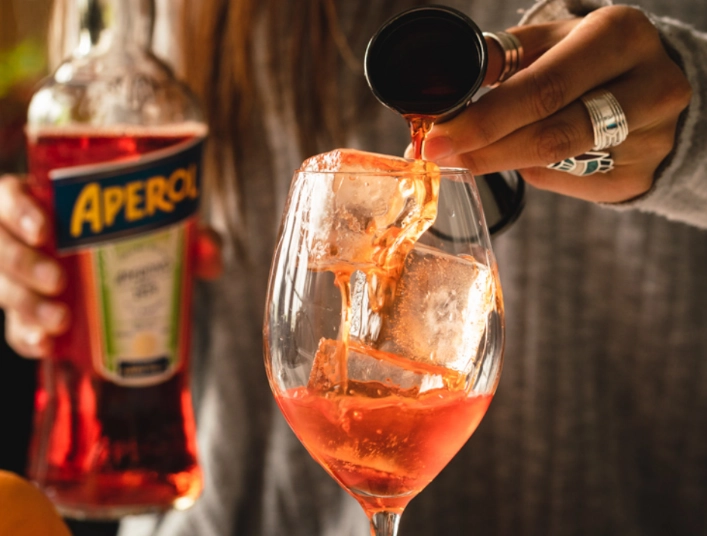
The Simple Recipe (The Equal Parts Classic):
- In a mixing glass filled with ice, combine 1 oz (30ml) of London Dry Gin.
- Add 1 oz (30ml) of Campari.
- Add 1 oz (30ml) of Sweet Red Vermouth (like Carpano Antica Formula or Martini & Rossi).
- Stir well for about 30 seconds until very cold.
- Strain into a rocks glass over one large ice cube.
- Express an orange peel over the drink (twist it to spray the oils on the surface) and drop it in as garnish.
The Negroni has spawned countless variations, but the original is a perfect piece of architecture. If the Campari is too bitter at first, try starting with a Negroni Sbagliato ("mistaken Negroni"), where you substitute the gin with prosecco. It's lighter and more approachable.
3. The Americano: The Negroni's Gentler Predecessor
Before the Negroni, there was the Americano. It's essentially a Negroni without the gin, lengthened with soda. It's lighter, more refreshing, and a fantastic low-alcohol option. If you're looking for simple Italian cocktail recipes that are perfect for a long afternoon, this is a top contender.
The Simple Recipe:
- Fill a highball glass with ice.
- Pour over 1.5 oz (45ml) of Campari.
- Add 1.5 oz (45ml) of Sweet Red Vermouth.
- Top with 3-4 oz of chilled soda water.
- Stir gently. Garnish with an orange slice or half-orange wheel.
It's that easy. The soda water lightens the bitter punch of the Campari, making it incredibly sessionable.
4. The Bellini: Brunch in Venice
Invented at Harry's Bar in Venice, this is the epitome of elegant simplicity. It's just white peach puree and prosecco. The trick is finding good white peach puree. In a pinch, a high-quality, all-natural peach nectar will work, but the flavor won't be as delicate and aromatic.
The Simple Recipe:
- Pour 1.5 - 2 oz of well-chilled white peach puree into a champagne flute.
- Slowly top with 4-5 oz of very cold, dry Prosecco. Pour it down the side of the glass to preserve bubbles.
- Stir very gently, just once or twice, to combine.
- No garnish needed. The pale pink color is the garnish.
5. The Garibaldi: The "Orange Juice" for Adults
This is perhaps the simplest of all. It's a highball of Campari and fresh orange juice. But it's a specific style. The goal is to create a fluffy, almost creamy head by using a specific technique with the orange juice. It sounds fussy, but the home version is still dead simple and delicious.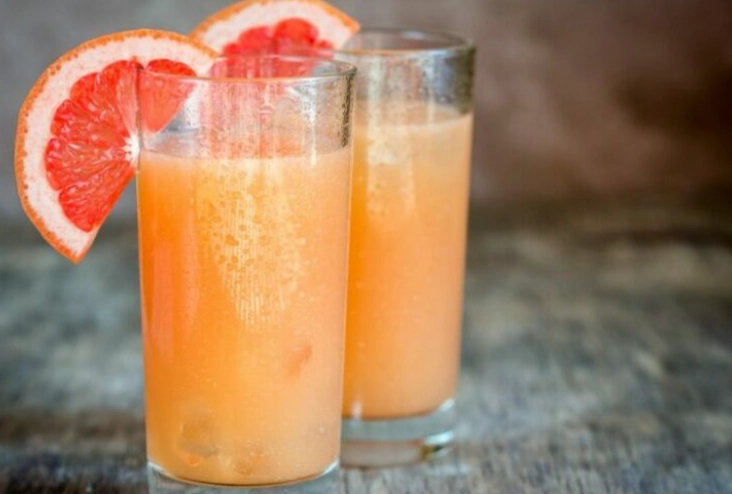
The Simple Recipe (Home Bartender Style):
- Fill a highball glass with ice.
- Pour in 1.5 oz (45ml) of Campari.
- Top with about 4-5 oz of freshly squeezed, pulp-free orange juice. (Strain it if you squeeze it yourself).
- Using a bar spoon or a long spoon, stir vigorously in an up-and-down "pumping" motion for about 10-15 seconds. This aerates the OJ and creates a light, frothy top layer.
- That's it. No garnish. The vibrant sunrise hue is stunning.
Leveling Up: Simple Twists on the Classics
Once you're comfortable with the classics, you can start playing. Here are a few modern, yet still simple, twists that feel Italian in spirit.
Quick & Flavorful Variations:
- Hugo Spritz: Popular in Northern Italy. In a glass with ice, muddle a mint sprig and a lime slice. Add 2 oz of chilled Prosecco, 1 oz of Elderflower liqueur (like St-Germain), and top with soda water. Garnish with more mint. It's floral and fresh.
- Cardinale: A "dry" Negroni. Substitute the sweet vermouth with dry vermouth. It's less sweet, more bracing, and highlights the botanicals of the gin and the bitterness of Campari differently.
- Cynar Spritz: Swap Aperol for Cynar (an artichoke-based amaro). It's darker, more vegetal and complex, and less sweet. Use the same 3:2:1 Prosecco:Cynar:Soda ratio.
These are great examples of how you can use the same simple template to create entirely new experiences. The spritz template (sparkling wine + bitter liqueur + soda) is endlessly adaptable.
Your Toolkit for Simple Italian Cocktails
You don't need a full bar cart. Here’s the bare minimum and the "nice-to-haves" for executing these simple Italian cocktail recipes.
| Tool | Essential For | Notes & Budget Options |
|---|---|---|
| Jigger or Small Measuring Cup | Every drink. Consistency is key. | A basic double-sided jigger (1oz/2oz) is $5. A 30ml/60ml measuring cup from a kitchen store works too. |
| Bar Spoon (Long Handle) | Stirring Negronis, layering drinks. | Very useful, but a long teaspoon can manage stirring in a pinch. |
| Mixing Glass or Pint Glass | Drinks that need stirring (Negroni). | A large, sturdy glass measuring cup or any large glass jar works perfectly. |
| Fine Mesh Strainer | Straining stirred drinks into a glass. | A small kitchen sieve is a fine substitute. |
| Vegetable Peeler/Y-Peeler | Getting wide citrus peels for garnish. | A standard kitchen peeler is ideal. Avoid the serrated ones. |
| Juicer | Fresh juice for Garibaldis, etc. | A simple handheld citrus press is a game-changer and costs under $20. Worth every penny. |
Glassware? Start with these three: A set of large wine glasses (for spritzes), some rocks glasses (for Negronis, Americanos), and a couple of champagne flutes (for Bellinis). That covers 95% of your needs.
Answering Your Questions: The Italian Cocktail FAQ
The Italian Pantry: A Starter Shopping List
You don't need to buy everything at once. Build your Italian bar gradually. Here’s a suggested priority list.
- Tier 1 (The Spritz Duo): Aperol, a bottle of decent Prosecco. With these and soda water, you're in business.
- Tier 2 (The Negroni Kit): Add a bottle of London Dry Gin (like Beefeater, Tanqueray) and a bottle of Sweet Red Vermouth. Now you can make Negronis, Americanos, and still make Spritzes.
- Tier 3 (Expand the Bitter Palette): Add Campari (for Garibaldis, proper Americanos, and a different style of Negroni). Consider Cynar for a more complex, vegetal spritz.
- Tier 4 (The Digestivo): A bottle of a digestivo like Fernet-Branca, Montenegro, or Averna to sip neat after a meal. This is the final piece of the cultural experience.
Remember, vermouth goes in the fridge after opening!
Putting It All Together: Your First Italian Aperitivo Hour at Home
This is the whole point. It's not about making one perfect cocktail in a vacuum. It's about creating a moment. The Italians call it aperitivo.
Pick one or two of the simple Italian cocktail recipes from above—maybe an Aperol Spritz and a platter of Negronis pre-batched in a pitcher. Put out some simple snacks: olives, good potato chips, some sliced salami and cheese, maybe some marinated artichokes or roasted almonds. Put on some music. Invite a friend or two, or just enjoy it with your partner.
Don't stress about perfection. Did you pour a bit more Aperol than the recipe said? It's fine. Is your orange peel garnish a weird shape? Nobody cares. The spirit is what counts.
I remember trying to host a "fancy" cocktail night early on, with complicated recipes and stressed-out measuring. It was a flop. The first time I just made a big jug of Americano, put out a bowl of olives, and told everyone to help themselves, the evening instantly felt more Italian, more relaxed, and infinitely more enjoyable.
Final Thoughts: Keep It Simple, Keep It Italian
The journey into Italian cocktails is a rewarding one because it rewards simplicity over complexity. It's about understanding a few core ingredients and how they play together. It's about embracing bitter as a flavor, not a flaw. It's about the ritual and the shared experience.
Start with one recipe that calls to you. Maybe it's the sunny Aperol Spritz or the bold Negroni. Master it. Understand why the ratios work. Taste each ingredient on its own first—sip a little Campari, taste the vermouth. Then make the drink. See how they transform.
Before long, you won't be following simple Italian cocktail recipes—you'll be instinctively knowing how to build them. You'll know that a spritz needs balance between bitter, sweet, and bubble. You'll know a Negroni needs a good stir and a big cube. That's when the real magic happens, and you can bring a little piece of that Italian piazza to your own home, any day of the week.
Cheers—or as they say in Italy, Salute!
Related Articles
Simple Pasta Recipes for Busy Weeknights: 3 Classics Made Easy
Authentic Italian Salad Dressing Recipe: Easy, Zesty & Homemade
Authentic Italian Dressing Recipe: Easy, Homemade & Better Than Store-Bought
Discover the Best Non-Alcoholic Italian Drinks: From Aperitivo to Digestivo

Best Italian Sausage Pasta Recipes: Easy, Creamy & Spicy Ideas
Zesty Italian Dressing Recipe: Easy Homemade Guide
4 Famous Italian Pastas: Types, History & Cooking Guide

Authentic Italian Cocktail Recipes: From Classics to Modern Twists
Authentic Italian Cuisine Recipes: From Classics to Regional Secrets
Authentic Pasta Carbonara Recipe: The Real Italian Way
Easy Pasta Salad Recipes with Italian Dressing for Crowd-Pleasing Meals
Authentic Carbonara Recipe: The ONLY Way to Make It Right

Authentic Italian Cookie Recipes: From Biscotti to Amaretti
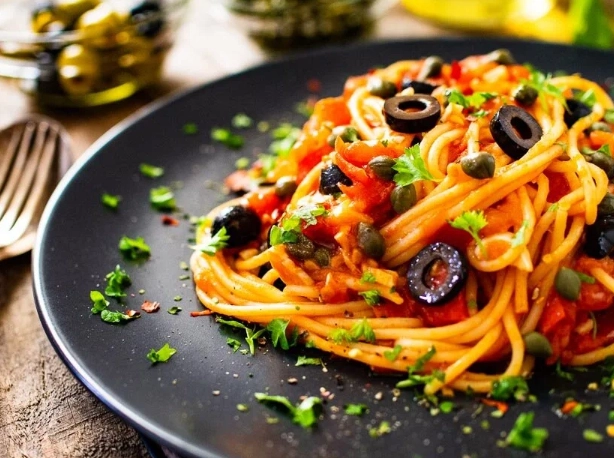
Top 10 Italian Dinner Dishes: A Curated Guide for Authentic Meals
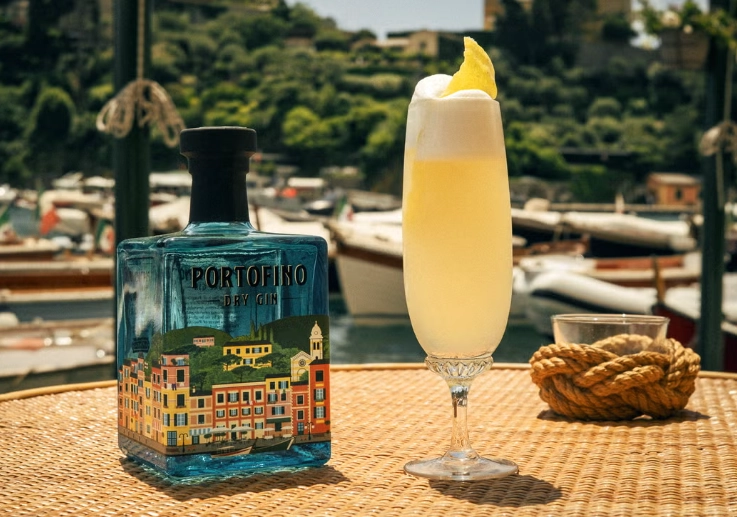
Modern Italian Cocktails: A Guide to Artisanal Mixology
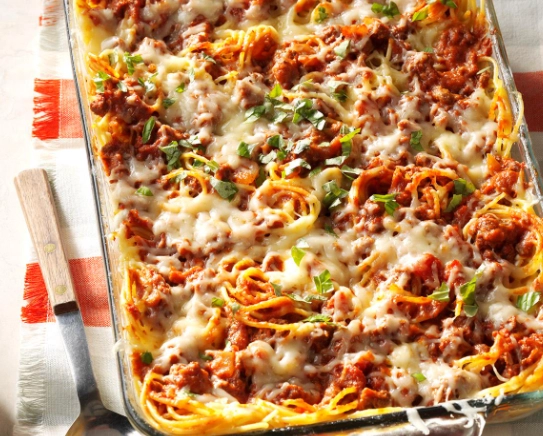
Italian Baked Dishes Recipes: From Classic Lasagna to Rustic Focaccia

Authentic Italian Cookies Recipe: A Guide to Classic Biscotti & More
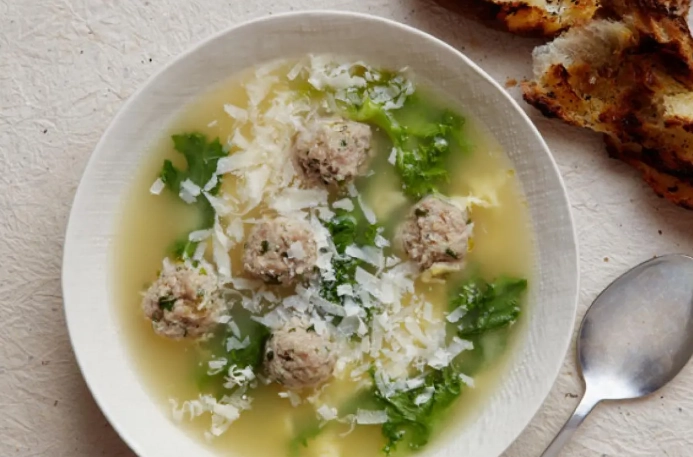
Easy Traditional Italian Wedding Soup Recipe - Authentic & Simple
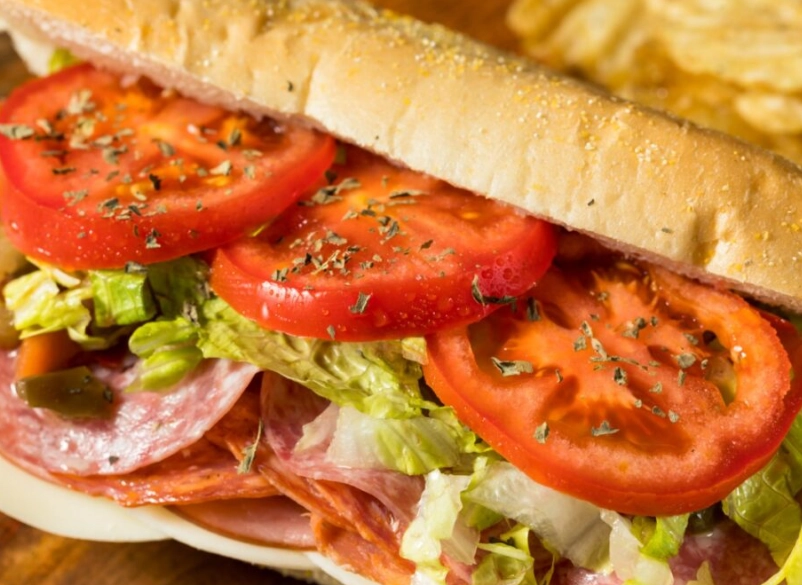
The Ultimate Authentic Italian Hoagie Recipe: Make the Classic Philly Sandwich at Home

Performance exploded! Sungrow Power Supply made a huge profit of tens of billion
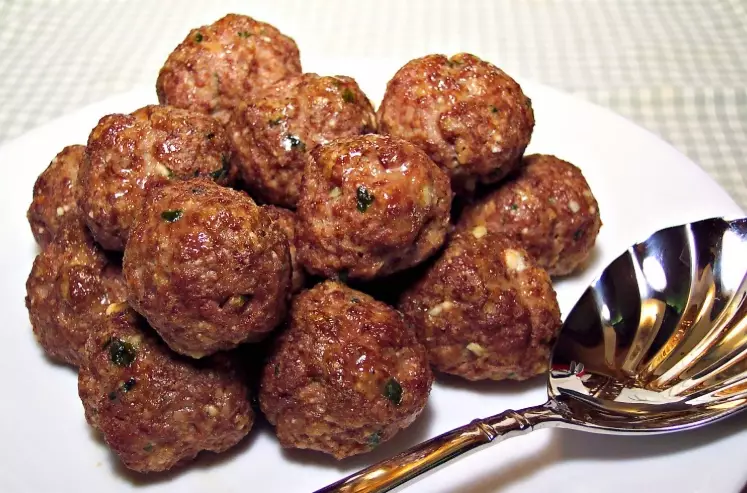
Italian Meatball Recipe: Step-by-Step Guide & Secrets for Tender Meatballs
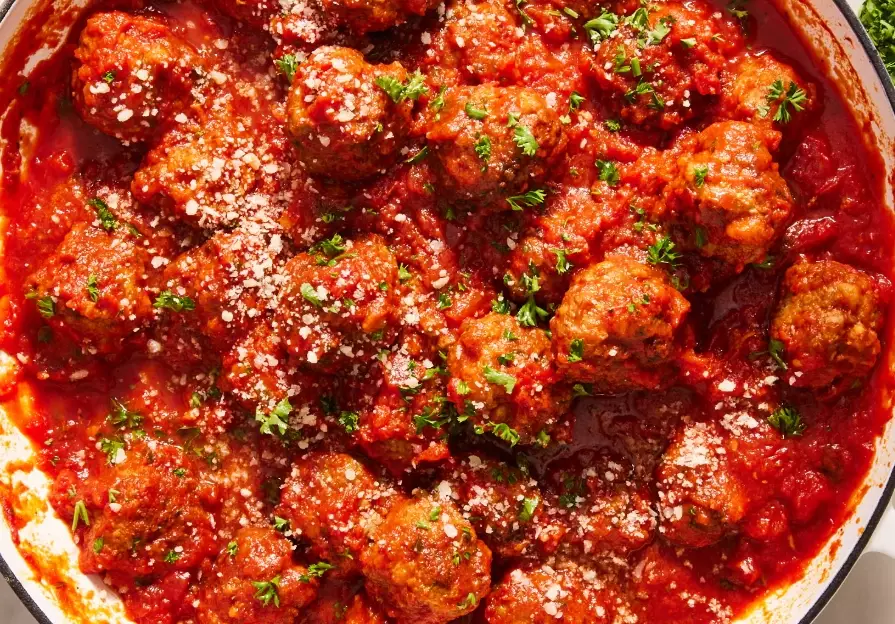
Authentic Italian Meatballs Recipe: Nonna's Secret for Tender & Flavorful Polpette
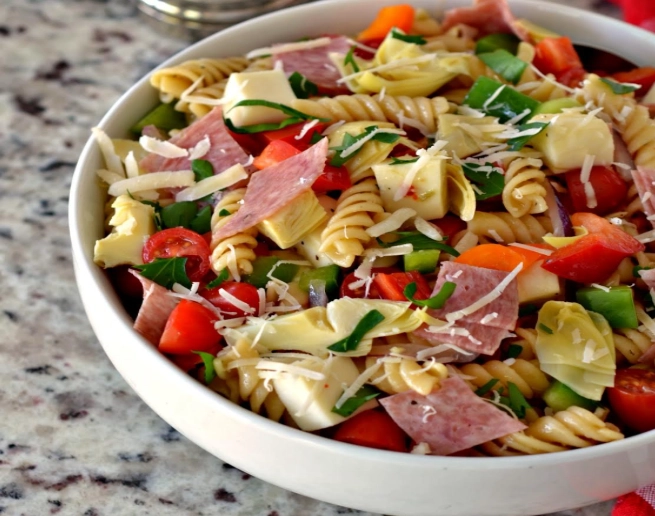
Easy Italian Regional Recipes: Authentic Dishes You Can Actually Make
Italian Shrimp Recipes: From Classic Scampi to Modern Dishes
Simple Italian Sausage Dinners: Quick Recipes for Busy Nights

Tesla VS BYD: A new wave of insurance for electric car giants
Italian Sauce Recipe: Secrets from a Nonna's Kitchen
Simple Italian Cocktail Recipes: Easy Classics & Modern Twists

Still have to rely on Zhengzhou Foxconn? The truth about the swing between Apple
Leave a Comment