Top 10 Italian Cocktails: From Negroni to Spritz & Beyond
Quick Navigation
- The Undisputed Classics: Pillars of Italian Drinking Culture
- The Aperitivo Hour Stars: Light, Bitter, and Refreshing
- The After-Dinner Digestivi: Bold, Boozy, and Complex
- The Modern & Regional Gems
- Honorable Mentions & What Didn't Make the Cut
- Your Questions, Answered (FAQs on Italian Cocktails)
- Building Your Home Bar for Italian Cocktails
Let's talk about Italian cocktails. Most people think of wine when they think of Italy, and sure, the wine is incredible. But honestly? The cocktail scene over there is a whole other world of flavor that doesn't get enough credit. It's not just about Aperol Spritz on a sunny terrace (though that's pretty great). Italian mixology is built on a foundation of bitter liqueurs, vibrant citrus, and a philosophy that a drink should stimulate the appetite and the senses.
I remember my first real Italian cocktail experience wasn't in some fancy bar in Milan. It was in a cramped, noisy enoteca in Turin, where the bartender slid a short, amber-colored drink across the wooden counter without a word. One sip of that Negroni, and I was hooked. It was bitter, complex, and strangely refreshing. It made me want to eat, talk, and just enjoy the moment. That's the magic they capture so well.
So, I've put together this list of the top 10 Italian cocktails. This isn't just a ranking from some textbook. It's a mix of the undisputed classics, the modern staples you'll see everywhere, and a few personal favorites that deserve more love. We'll dive into what makes each one special, how they're traditionally made, and yes, how you can try making them yourself without needing a professional setup.
Italian cocktails are less about showmanship and more about balance. They're meant to be a part of the social fabric, a prelude to a meal, or a digestif to cap off the night. The goal is conversation, not intoxication.
The Undisputed Classics: Pillars of Italian Drinking Culture
These are the heavy hitters. The drinks that have been around for decades, even a century. They've traveled the world and defined what people think of when they hear "Italian cocktail." You can't talk about the top 10 Italian cocktails without starting here.
Negroni: The King of Bitters
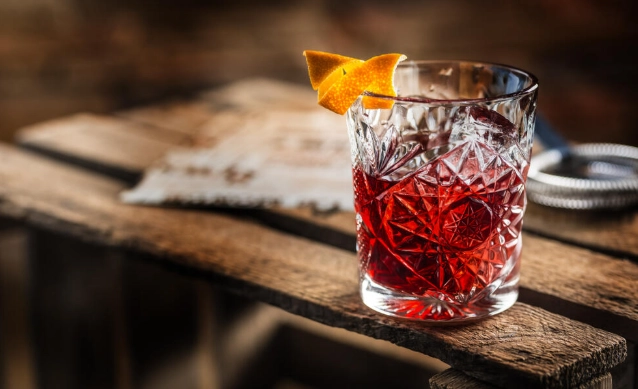
Okay, let's get the big one out of the way first. The Negroni. It's arguably the most famous Italian cocktail export. The story goes it was invented in Florence around 1919 when Count Camillo Negroni asked a bartender to strengthen his Americano by swapping the soda water for gin. Whether that's entirely true is debated by historians, but the result is legendary.
It's a simple equal-parts recipe: one part gin, one part sweet vermouth, one part Campari. Stir with ice, strain into a rocks glass over a large ice cube, and garnish with an orange peel. The magic is in the clash and harmony. The gin's botanicals, the vermouth's herbal sweetness, and Campari's bold, bitter citrus create something much greater than the sum of its parts. It's an acquired taste for some—that bitterness can be a shock—but once you get it, there's no going back.
 Americano: The Negroni's Elegant Predecessor
Before the Negroni, there was the Americano. This is the quieter, more refreshing older sibling. It's what Count Negroni was supposedly drinking before he asked for the gin upgrade. It's just Campari, sweet vermouth, and a big splash of club soda.
You build it in a tall glass filled with ice: equal parts Campari and vermouth, top with soda, and gently stir. Garnish with a lemon or orange slice. It's lower in alcohol, fizzy, and incredibly sessionable. Perfect for a long, lazy afternoon. It's less intense than a Negroni, making it a fantastic gateway into the world of Italian bitter liqueurs. It's a staple on any list of the top 10 Italian cocktails for its historical importance and sheer drinkability.
Bellini: Venice's Sparkling Peach Dream
Now for something completely different. Leave the bitter spirits behind and head to Venice. The Bellini was created at Harry's Bar in Venice (a legendary spot you can still visit) by founder Giuseppe Cipriani sometime in the 1930s or 40s. He named it after the Renaissance painter Giovanni Bellini because the drink's pinkish color reminded him of a tint in one of the painter's works.
The original, and best, recipe is dead simple: white peach purée and Prosecco. That's it. The trick is using perfectly ripe, white peaches when they're in season. The purée should be fresh and smooth. You pour a couple of ounces of purée into a champagne flute and top it gently with well-chilled Prosecco. No stirring aggressively—you want to preserve the bubbles and create a lovely gradient of color.
Most places outside Italy use yellow peach juice or, worse, pre-made mixes, which are cloyingly sweet and lack the delicate fragrance. A real Bellini is elegant, fruity but not sugary, and utterly refreshing. It's a top 10 Italian cocktail that proves simplicity, with perfect ingredients, is king.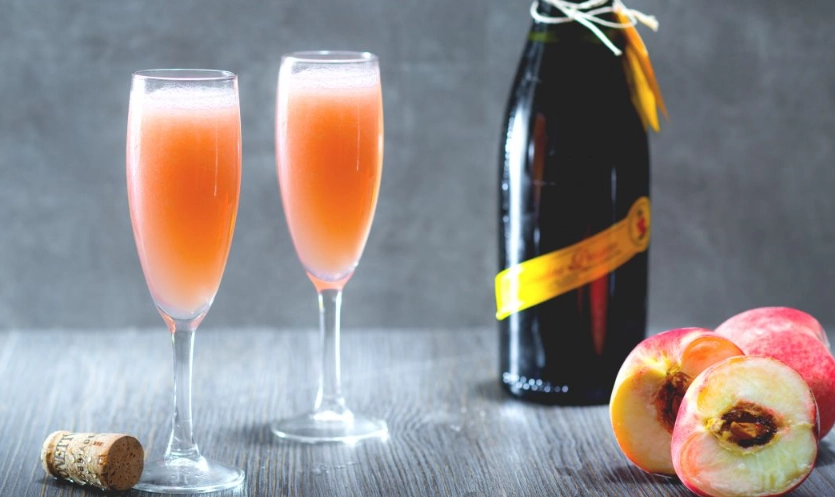
Negroni Sbagliato: The "Mistake" That Went Viral
This one has a fun story. "Sbagliato" means "mistaken" or "wrong" in Italian. Legend has it that in a bar in Milan in the 1970s, a bartender making a Negroni accidentally reached for a bottle of sparkling wine instead of gin. They served it anyway, and the Negroni Sbagliato was born.
It follows the same equal-parts structure as a classic Negroni, but you replace the gin with a dry, bubbly wine like Prosecco. So: equal parts Campari, sweet vermouth, and Prosecco, built in a wine glass or rocks glass over ice. The result is lighter, fruitier, and effervescent. The bubbles lift the aromas of the Campari and vermouth beautifully. It's become wildly popular again recently (thanks, TikTok), and for good reason. It's a fantastic low-ABV option that still delivers complex flavor.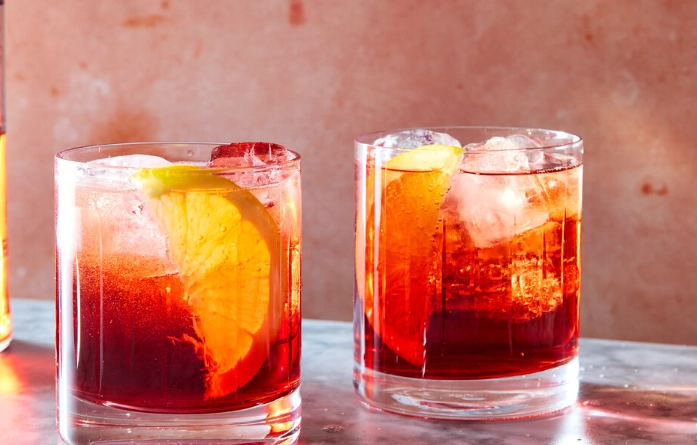
The Aperitivo Hour Stars: Light, Bitter, and Refreshing
This category is the heart of Italian social drinking. Aperitivo is that magical time before dinner, roughly from 6 to 9 pm, where you have a light, bitter drink to stimulate the appetite. The drinks are usually lower in alcohol, often sparkling, and served with a few small snacks. These are the workhorses of the Italian bar.
Aperol Spritz: The Sunshine in a Glass
Love it or find it a bit overplayed, the Aperol Spritz is undeniable. It's the poster child for the *aperitivo* culture worldwide. It's sweet, bitter, bubbly, and visually striking with its bright orange hue. The official recipe, as defined by the Aperol brand, is the "3-2-1" method: 3 parts Prosecco, 2 parts Aperol, 1 splash of soda water. Serve in a large wine glass with ice and an orange wedge.
It's incredibly easy to make and even easier to drink. The flavor is less aggressively bitter than Campari, with notes of orange, rhubarb, and herbs. It's the ultimate crowd-pleaser and a perfect start to a summer evening. Is it the most complex drink on this list of top 10 Italian cocktails? No. But is it one of the most effective and enjoyable? Absolutely.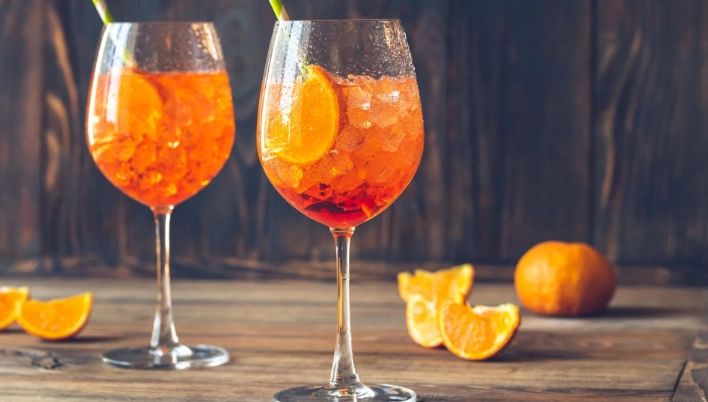
Campari Soda: The Ultimate Simplicity
This is the purest expression of the *aperitivo*. It's just Campari and soda water, typically served in its own branded bottle over ice with a slice of orange or lemon. You'll see Italians sipping this everywhere. It's bracing, bitter, and incredibly refreshing. The highball format dilutes the Campari just enough to make its complex blend of herbs, spices, and bitter orange more approachable for a long drink.
There's no fuss, no measuring. It's the drink you have when you don't want to think, you just want to unwind. It's a masterclass in how a single core ingredient, treated properly, can be a complete and satisfying drink.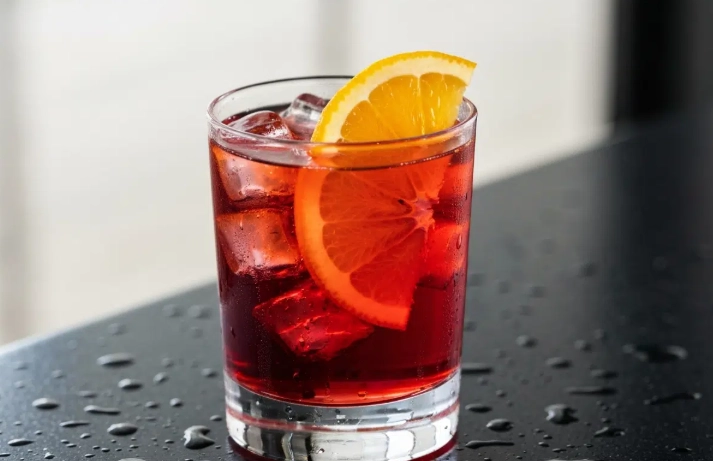
Cynar Spritz: The Artichoke's Dark Horse
If you want to move beyond Aperol and show a bit of connoisseurship, the Cynar Spritz is your move. Cynar (pronounced "chee-nar") is an artichoke-based amaro. Before you make a face—it doesn't taste like steamed artichokes. It's earthy, vegetal, slightly sweet, and herbaceous, with a gentler bitterness than Campari.
The spritz formula works wonderfully with it: a good ratio is 4 parts Prosecco, 2 parts Cynar, and 1 part soda. Build it in a glass with ice and garnish with a generous orange wedge or even a grapefruit peel. It's darker, more sophisticated, and has a fascinating depth of flavor. In my opinion, it's one of the most underrated options among the top 10 Italian cocktails for an *aperitivo*.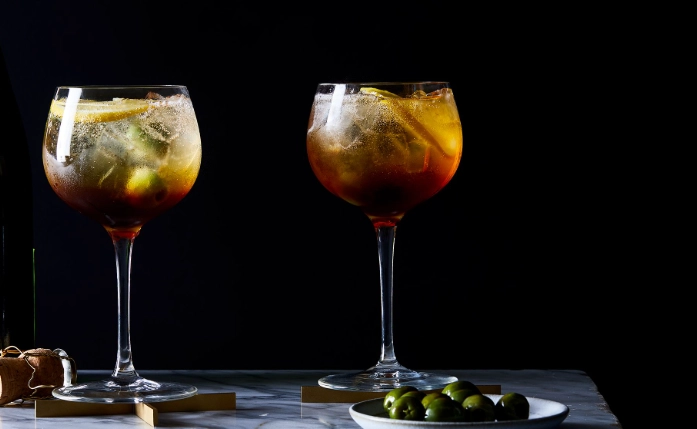
The After-Dinner Digestivi: Bold, Boozy, and Complex
After the meal comes the *digestivo*—a stronger, usually bitter drink meant to aid digestion and cap off the evening. These drinks are sipped slowly, often neat or with just a touch of ice.
Americano (Hot): Not the Coffee, the Cocktail
This one causes confusion. No, it's not an espresso drink. A *Caffè Americano* is coffee. A *Hot Americano* cocktail is a classic winter warmer. It's essentially a hot version of the Americano cocktail, and it's magical on a cold night.
You warm a mixture of equal parts Campari and sweet vermouth (some add a touch of simple syrup) in a small pot or with a steam wand. Pour it into a heatproof glass or mug. Top with hot water (not boiling, just off the boil) and garnish with an orange twist. The heat opens up all the botanical aromas in the Campari and vermouth, creating a soothing, complex, and deeply comforting drink. It's a hidden gem that deserves a spot in any top 10 Italian cocktails list for its uniqueness.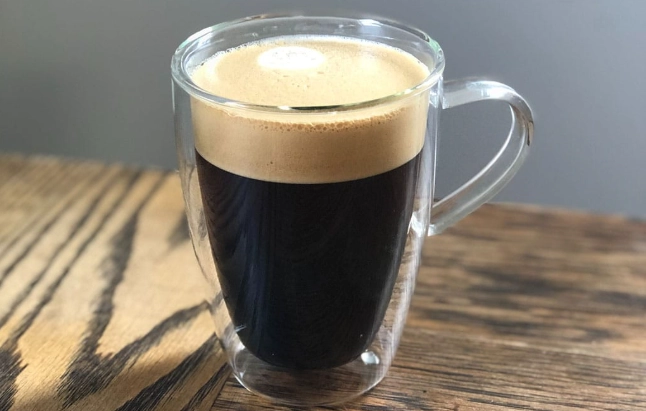
Garibaldi: The Two-Ingredient Wonder
Named after the Italian unification hero, the Garibaldi is shockingly simple and shockingly good. It's just Campari and fresh orange juice. But there's a trick. It's not your standard OJ from a carton. To do it right, you need freshly squeezed, high-quality orange juice, and you need to shake it hard with ice. This creates a fluffy, almost creamy foam on top.
Pour about 1.5 oz of Campari into a tall glass filled with ice. Then, slowly pour the shaken, frothy orange juice (about 4-5 oz) over the back of a spoon to layer it gently on top. The result is a beautiful gradient from red to orange, with a velvety texture. It's sweet, bitter, and tastes like the most sophisticated breakfast juice you've ever had. It's a brilliant showcase of how technique can elevate two basic ingredients.
The Modern & Regional Gems
Italy's cocktail culture isn't stuck in the past. Bartenders across the country are innovating, and some regional specialties have earned a national following.
Hugo Spritz: The Northern Rival
Hailing from the Alto Adige/South Tyrol region in the far north (an area with strong Austrian-German influence), the Hugo is a relatively new phenomenon that has taken Italy by storm over the last 15 years. It's a direct challenge to the Aperol Spritz's throne, offering a more floral and minty profile.
The recipe: Prosecco, elderflower syrup (like St-Germain), a splash of soda water, fresh mint leaves, and a slice of lime. It's less bitter, more aromatic, and feels incredibly fresh. It's a fantastic alternative if you find Aperol too bitter or just want something different. It rounds out our list of top 10 Italian cocktails by showing the dynamic, evolving side of the scene.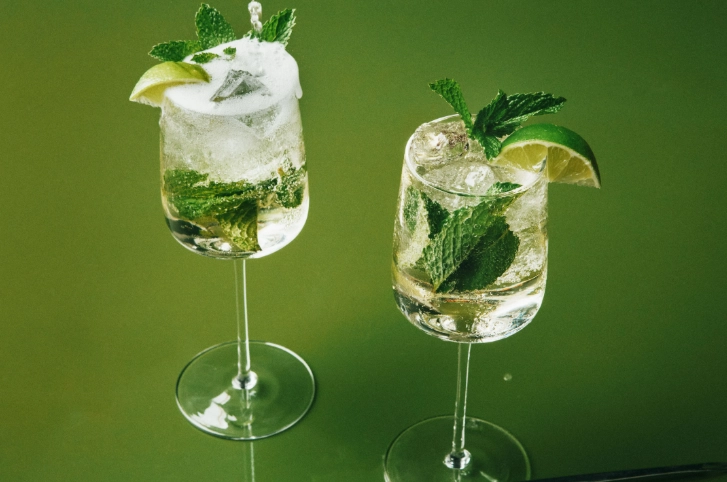
Sbagliato con Bitter Bianco: A Modern Twist
This is a newer variation I'm seeing in trendy bars from Rome to New York. It takes the Negroni Sbagliato framework but swaps the classic red Campari for Bitter Bianco (or another white bitter liqueur like Luxardo Bitter Bianco). White bitters are less aggressively bitter and have a more floral, citrus-forward profile.
The drink is: equal parts Bitter Bianco, dry vermouth (instead of sweet), and Prosecco. Served on the rocks with a lemon twist. It's incredibly elegant, pale in color, and has a delicate, almost ethereal bitterness. It's a perfect example of how modern mixologists are playing with the classic Italian template to create something new and exciting.
| Cocktail | Key Ingredients | Flavor Profile | Best For | Difficulty |
|---|---|---|---|---|
| Negroni | Gin, Sweet Vermouth, Campari | Bold, Bitter, Herbal, Complex | Pre-dinner, Sipping | Easy |
| Aperol Spritz | Aperol, Prosecco, Soda Water | Bitter-Sweet, Citrusy, Bubbly | Aperitivo, Sunny Day | Very Easy |
| Bellini | White Peach Purée, Prosecco | Sweet, Fruity, Fragrant, Refreshing | Brunch, Celebration | Easy (with fresh peaches) |
| Negroni Sbagliato | Campari, Sweet Vermouth, Prosecco | Bitter, Fruity, Effervescent, Lighter | Low-ABV Aperitivo | Very Easy |
| Garibaldi | Campari, Fresh Orange Juice | Bitter-Sweet, Citrusy, Creamy Texture | Daytime, Brunch | Medium (needs technique) |
| Cynar Spritz | Cynar, Prosecco, Soda Water | Earthy, Herbaceous, Bitter, Complex | Aperitivo (for adventurous palates) | Easy |
| Hugo Spritz | Prosecco, Elderflower Syrup, Mint, Lime | Floral, Refreshing, Minty, Slightly Sweet | Summer, Aperitivo | Easy |
Honorable Mentions & What Didn't Make the Cut
It's tough to stop at ten. There are so many other incredible drinks. The Milano-Torino (just Campari and sweet vermouth, the very precursor to the Americano) is a purist's dream. The Bicicletta (white wine, Campari, soda) is a super-light *aperitivo* staple. And you can't forget straight Limoncello or Grappa after a meal, though those are more straight spirits than cocktails.
Some lists might include the Espresso Martini, but its origins are debated (likely London or New York) and it doesn't feel authentically Italian in spirit, despite using Italian ingredients. I wanted to keep this list focused on drinks born from and deeply embedded in Italian culture.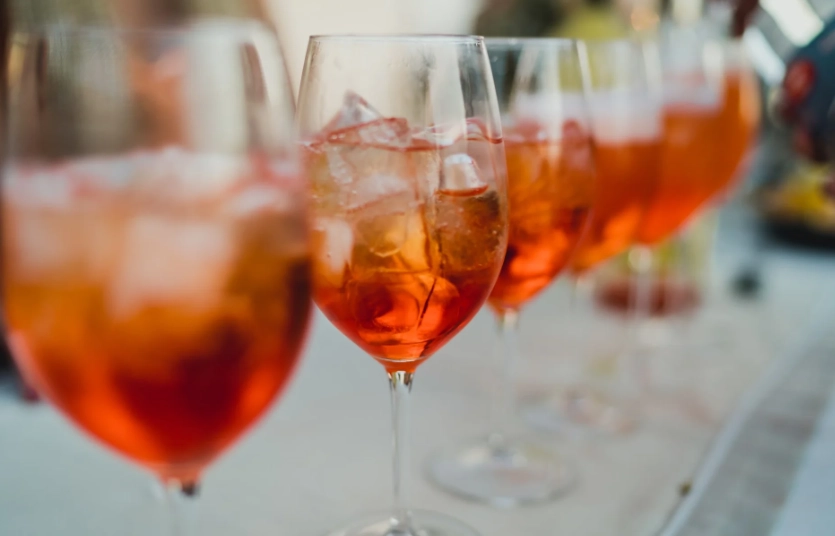
Your Questions, Answered (FAQs on Italian Cocktails)
What is the most popular Italian cocktail in Italy?
For the *aperitivo* hour, it's a tight race between the Aperol Spritz and the Negroni (and its variations like the Sbagliato). The Spritz probably wins on sheer volume served, especially in the warmer months and in tourist areas. But the Negroni holds a special place as the connoisseur's choice. In a local bar, you'll also see a ton of people drinking simple, no-fuss drinks like Campari Soda or a glass of Prosecco.
What makes a cocktail "Italian"?
It's usually defined by the use of iconic Italian ingredients: bitter liqueurs (Campari, Aperol, Cynar, Fernet-Branca), Italian vermouths (Carpano Antica, Martini & Rossi), Italian sparkling wines (Prosecco), and spirits like grappa. More importantly, it often follows the Italian drinking ritual—either as a low-ABV, appetite-stimulating *aperitivo* or a strong, sipping *digestivo*.
I find Campari too bitter. Where should I start?
Start with the drinks that dilute or balance it more. An Americano (with soda) or a Negroni Sbagliato (with Prosecco) are great introductions. The Garibaldi, with its big hit of orange juice, is another friendly gateway. You can also try Aperol first—it's significantly less bitter and sweeter than Campari—before working your way up.
What's the best Prosecco to use for spritzes and Bellinis?
Don't use your most expensive, complex bottle. You want a dry (*brut*), relatively neutral, and affordable Prosecco. The cocktail ingredients are the stars; the Prosecco provides effervescence and a bit of dry backbone. A reliable, widely available label like Mionetto Prosecco Brut or La Marca works perfectly. Save the fancy stuff for drinking on its own.
Building Your Home Bar for Italian Cocktails
You don't need a huge setup. Here’s a minimalist starter kit to make most of the top 10 Italian cocktails:
- Bottles: Campari, Aperol, Sweet Vermouth (like Cocchi di Torino or Carpano Antica), a dry Gin, a bottle of Prosecco.
- Tools: A jigger for measuring, a mixing glass and bar spoon for stirring (a pint glass works), a hawthorne strainer, a citrus juicer.
- Glassware: Rocks glasses (for Negronis), wine glasses or large goblets (for Spritzes), champagne flutes (for Bellinis).
- Perishables: Fresh oranges and lemons for peels and juice, good quality soda water.
With just these few items, you can explore a massive world of flavor. Start with the classics—a Negroni or an Americano—then start playing with ratios. Maybe you prefer a 2:1:1 Negroni (2 parts gin, 1 part each vermouth and Campari) for a stronger kick. That's the fun part.
The best Italian cocktail is ultimately the one that makes you slow down, savor the moment, and maybe feel just a little bit more Italian, no matter where you are in the world.
So there you have it. From the bitter bite of a classic Negroni to the fluffy joy of a Garibaldi, these top 10 Italian cocktails offer a journey through Italy's drinking culture. It's a culture of balance, sociability, and a deep appreciation for flavor—whether bitter, sweet, or sparkling. Try making one tonight. Start simple. Taste the history in the glass. Salute!
Related Articles
Authentic Italian Drunken Noodles Recipe (Pasta alla Ubriaca)
Italian Buttercream Recipe: How to Make Perfectly Smooth Frosting
Authentic Italian Cannoli Recipe: Crispy Shells & Sweet Ricotta Filling
Easy Traditional Italian Recipes for Home Cooks
Pasta Recipes: A Complete Guide from Beginner to Pro
Authentic Italian Porchetta Recipe: Crispy, Juicy Roast Pork

Geely and Zeekr have the best semi-annual reports, half of which rely on sales g
Ultimate Guide to Classic Italian Baked Pasta Dishes
Italy's Most Traditional Dish: The Definitive Guide to Authentic Cuisine
Master Classic Italian Dishes: Recipes & Secrets from Pasta to Tiramisu
Authentic Italian Pasta Salad Recipe: Easy & Flavorful
Authentic Italian Chicken Recipes: From Classic Pollo alla Cacciatora to Modern Favorites
Authentic Italian Dessert Recipes: Easy Tiramisu, Cannoli & More
Authentic Italian Chicken Breast Recipes: Fast, Healthy & Flavorful Dinners
Italian Sausage Soup: Authentic Recipes & Pro Tips
Easy Pasta Salad Recipes with Italian Dressing for Crowd-Pleasing Meals
Italian Vinaigrette Recipe: The Only Guide You'll Ever Need
Top 10 Italian Dishes You Must Try: Authentic Flavors Explained
Authentic Italian Carbonara Recipe: The Only Guide You'll Ever Need
Authentic Italian Regional Recipes: A Guide to Italy's Best Local Dishes
Easy Braciole Recipe: Authentic Italian Beef Rolls Made Simple
The Ultimate Guide to Making Authentic Italian Lasagna at Home
Mastering Italian Fish Recipes: From Classic to Coastal
What are the 4 Classic Italian Dishes? A Food Lover's Guide
Easy Italian Dinner Recipes You Can Make Tonight
Traditional Southern Italian Recipes: Authentic Dishes & Secrets
Authentic Italian Beef Recipe: Slow-Cooked Chicago-Style Sandwiches
Authentic Italian Cookies Recipe: A Guide to Classic Biscotti & More
Discover the Best Non-Alcoholic Italian Drinks: From Aperitivo to Digestivo

Leave a Comment