Discover the Best Non-Alcoholic Italian Drinks: From Aperitivo to Digestivo
Your Guide to Italian Non-Alcoholic Delights
Let's be honest, when you think of Italian drinks, your mind probably goes straight to a bold red wine or a tiny, powerful espresso. And sure, those are huge parts of the culture. But there's a whole other world that often gets overlooked by visitors and even some food lovers. I'm talking about the vibrant, diverse, and absolutely delicious universe of Italian drinks non alcoholic.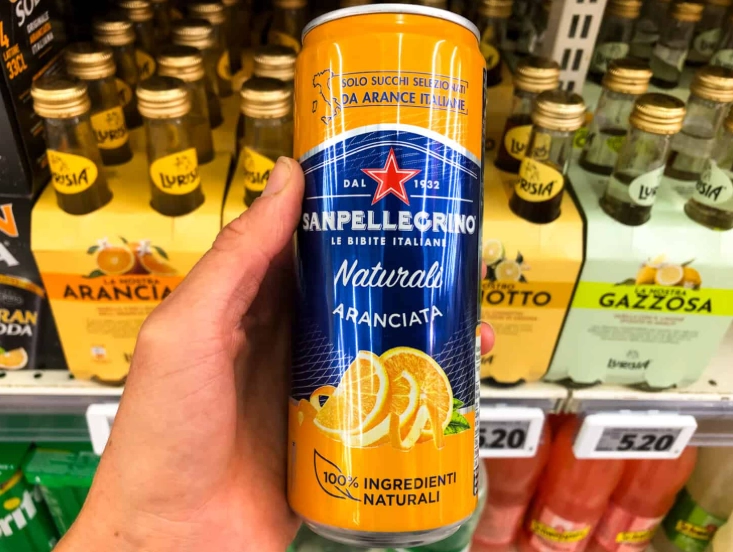
It's not just about kids' sodas or plain water. Italy has a deep-rooted tradition of creating complex, refreshing, and thoughtful beverages meant for every part of the day and every occasion, completely without alcohol. From the bitter-orange sparkle of an aperitivo that wakes up your appetite, to the rich, herb-infused sips that help you digest a feast, to the simple, sun-drenched flavors of regional sodas—this is a side of Italy that's just as authentic and worth exploring.
I remember my first real Italian lunch outside of a tourist trap. After we declined wine, the waiter didn't just bring out fizzy water. He asked, "Limonata? Aranciata? Or perhaps a non-alcoholic Italian drink like a Crodino?" That moment opened a door for me.
The Ritual of the Aperitivo, Without the Booze
The aperitivo hour is sacred in Italy. It's that magical time between work and dinner where friends gather, snacks appear, and drinks are sipped slowly. The goal is to "aprire"—to open—the stomach. Most iconic drinks here, like the Aperol Spritz or Negroni, are alcoholic. But guess what? The ritual isn't about the alcohol; it's about the bitter flavor profile and the social act.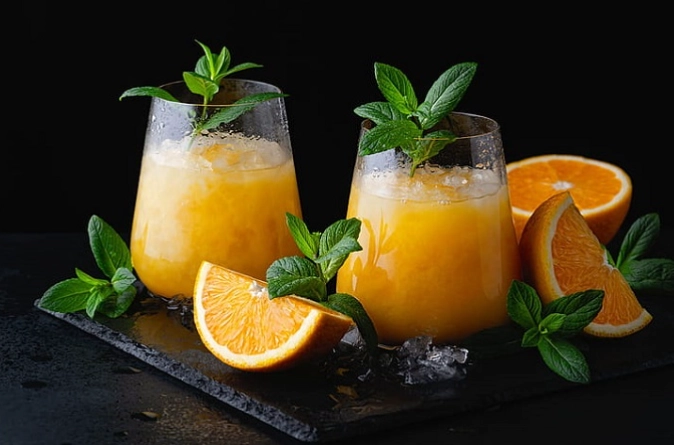
This is where Italy's non alcoholic aperitivo options truly shine. They are designed to deliver that same complex, appetite-stimulating bitterness in a sophisticated, alcohol-free package.
Crodino: The Undisputed King
If you walk into any Italian bar and ask for an analcolico, nine times out of ten they'll hand you a Crodino. Served in its distinct small glass bottle, it's a staple. It's a deep amber color, with a flavor that's intensely herbal, bitter, and slightly sweet all at once—think gentian, rhubarb, and orange. You drink it over ice, often with a slice of orange. It feels grown-up. It feels like you're part of the ritual, even without the buzz. Some find it too bitter on the first sip, I'll admit. But it grows on you. It's an Italian non alcoholic drink with a real personality.
Sanbittèr: The Sparkling Alternative
Sanbittèr is Crodino's main rival, and the choice often comes down to personal preference or regional loyalty. It's redder, slightly fruitier, and always served cold and sparkling. It feels lighter and more refreshing to some. It comes in a can, and you pour it into a wine glass. The experience is just as valid. Trying both to see which camp you fall into is part of the fun.
Beyond these big names, you'll find artisanal brands popping up, often using local herbs. The key takeaway? You never have to feel left out of the pre-dinner tradition for lack of an Italian drink without alcohol.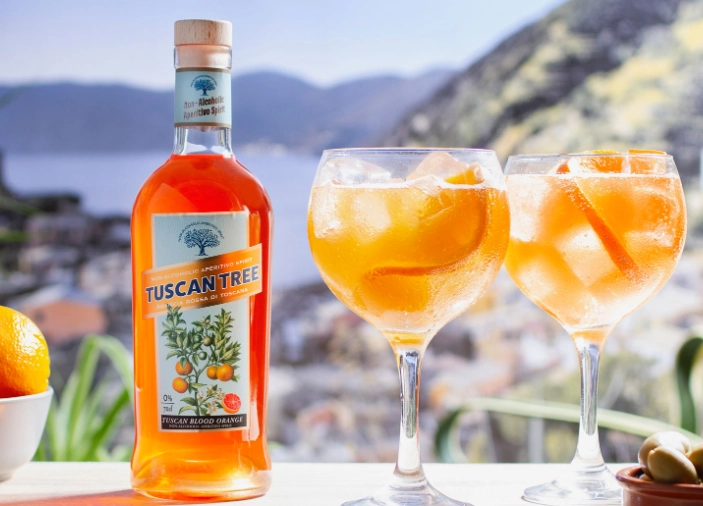
The Everyday Sips: Sodas with Soul
Now, this is where my heart really lies. Forget the global, uniform colas. Italian sodas, or gassose, are a different breed. They tend to be less sickly sweet, with flavors that actually taste like the fruit they're named after. They're not just beverages; they're little bottles of regional identity.
| Drink Name | Primary Flavor | Region/Notes | What It Tastes Like |
|---|---|---|---|
| Chinotto | Chinotto Orange (Bitter Citrus) | Liguria, but loved nationwide | Uniquely bitter, aromatic, and complex. An acquired taste that becomes an obsession. |
| Aranciata | Orange | National | Not just orange soda. Made with real orange juice, often blood orange (rossa), giving a tangy, deep flavor. |
| Limonata | Lemon | National (Sorrento/Amalfi famous) | Bracing, tart, and clean. The best ones use Sorrento lemons and are a world away from sugary lemonade. |
| Spuma | Vanilla/Citrus/Herbal | Emilia-Romagna & Marche | A creamy, less fizzy soda. Original flavor is a mysterious, almost cola-like blend. A nostalgic childhood drink. |
| Bitter (e.g., Cedrata, Pompelmo) | Cedar, Grapefruit | Various | Like a softer, soda-version of the aperitivo bitters. Refreshing and slightly sophisticated. |
Chinotto is my personal favorite. The first time I tried it, I wasn't sure. It's so different. It's made from the juice of the myrtle-leaved orange tree fruit, which is small, dark, and incredibly bitter. The soda balances that bitterness with sugar and carbonation. It's an adult soda. You can find brands like Chinò and Bottlegreen's Italian Chinotto. It pairs incredibly well with rich, salty food like pizza or focaccia.
Aranciata, especially the rossa (blood orange) version, is a revelation. The color is a deep ruby red, and the taste is tangy and rich, not cloying. You can verify the quality of ingredients often used in these traditional drinks through resources like the Italian Ministry of Agricultural, Food and Forestry Policies, which promotes and protects authentic Italian agri-food products.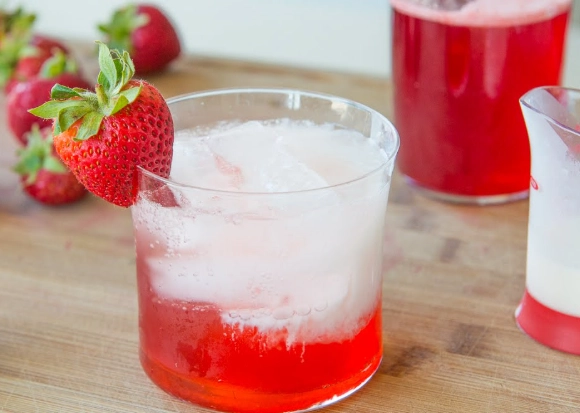
What to Drink With Your Meal
Okay, you've navigated the aperitivo. Now you're sitting down to a plate of pasta or a secondo. What fills your glass? Water is always perfect, of course. But sometimes you want flavor.
This is where those sodas come back into play. A cold Limonata with a seafood pasta is a classic coastal combo. The acidity cuts through the oil and complements the fish. A Chinotto or a Cedrata can stand up to the bold flavors of a meat ragu or a grilled sausage.
But there's another category: the acqua aromatizzata or acqua minerale aromatizzata. These are lightly flavored mineral waters. You'll find lemon, orange, sometimes peach or berry. They have just a whisper of flavor and no sugar, making them a superb palate cleanser between bites. They're ubiquitous in restaurants and are a totally normal, non-alcoholic choice for any meal.
The Digestivo: Ending on a Sweet or Bitter Note
Just as you start with a bitter to open, you often end with something to close—the digestivo. While grappa and limoncello rule here, there are non-alcoholic counterparts that serve the same purpose: to soothe the stomach and signal the end of the meal.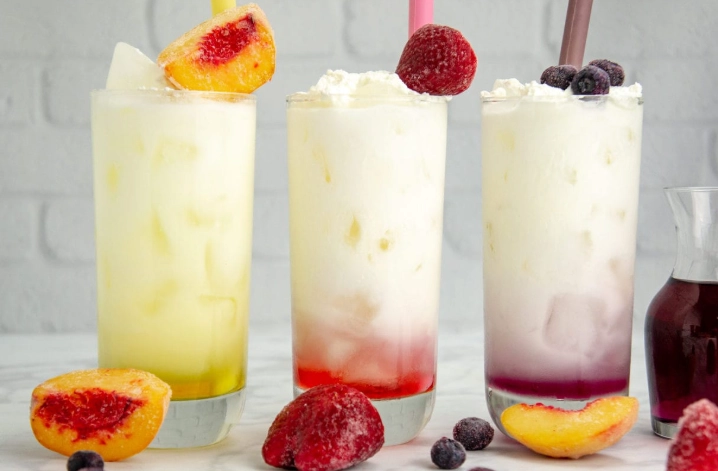
Amari (Non-Alcoholic Herbal Infusions)
Some herbal tea blends are specifically marketed as digestivi. You'll find boxes of tea in supermarkets with names like "Digestivo" or "Finissimo," containing a mix of herbs like mint, fennel, chamomile, and caraway. Brewing a pot of this after a big family lunch is a common sight. It's functional, comforting, and part of the rhythm of the day.
Crema di Limone (Non-Alcoholic)
This is a fun one. It's a thick, creamy, sweet lemon custard-like drink. Think of it as the non-alcoholic cousin of limoncello. It's served ice-cold in a small glass after dinner. It's indulgent, sweet, and feels like a dessert in liquid form. You can find it in some restaurants, but it's more common as a product to buy and keep in your freezer at home. It's definitely for those with a sweet tooth.
Make It At Home: Your Own Italian Soda & Chinotto Syrup
Want to bring a taste of Italy to your kitchen? The secret to many of these drinks is the syrup (sciroppo). Making your own is simple and lets you control the sweetness.
Basic Citrus Syrup: Combine 1 cup water and 1 cup sugar in a saucepan. Heat until sugar dissolves. Remove from heat and add the zest of 2-3 organic lemons or oranges (avoid the white pith). Let steep for at least 2 hours, then strain. To serve, put 1-2 tablespoons of syrup in a glass, add ice, and top with sparkling water or still water. Stir. Instant Italian non-alcoholic drink magic.
For a Chinotto-inspired syrup: Follow the basic recipe, but add 3-4 crushed cardamom pods, a small piece of gentian root (if you can find it), and a strip of orange zest to the syrup while it's hot. The gentian provides that characteristic bitter backbone. Steep, strain, and use the same way. It won't be exact, but it's a fascinating homemade project.
Where to Find These Italian Non-Alcoholic Drinks
In Italy, it's easy. Any bar, caffè, supermarket (supermercato), or even many newsstands will have a selection. Look in the refrigerated drink section.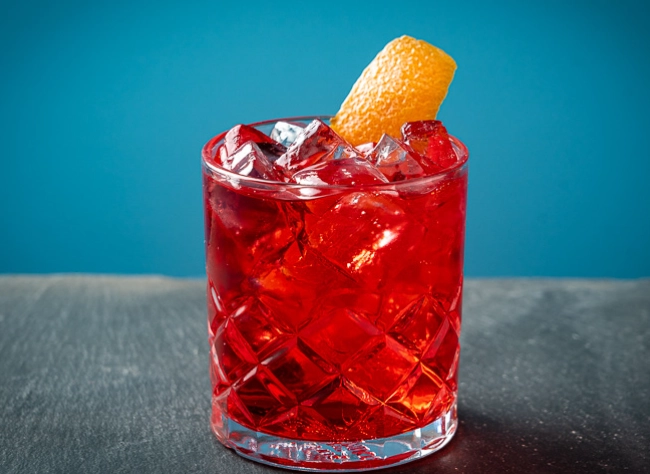
Outside of Italy, your best bets are:
- Italian Specialty Grocers: This is your goldmine. They import the real stuff.
- High-End Supermarkets: Stores like Eataly, Whole Foods, or specialty European sections often carry brands like San Pellegrino beverages (their Aranciata and Limonata are excellent), Chinotto, or even Crodino.
- Online Retailers: Amazon and specialty online food shops are increasingly stocking a wide range. You can often buy Crodino and Sanbittèr in multi-packs.
For authentic recipes and the cultural context behind these food and drink traditions, the Slow Food International website is an invaluable resource, celebrating local biodiversity and traditional production methods.
Answers to Your Burning Questions (FAQs)
What is the most popular non-alcoholic drink in Italy?
For everyday drinking, it's probably acqua frizzante (sparkling water) or the classic Coca-Cola (yes, really). But in terms of uniquely Italian, iconic options, Crodino and Chinotto are strong contenders for the crown. Coffee, of course, is in a category of its own and is consumed all day long.
What do Italians drink if they don't drink alcohol?
Everything listed here! They drink aperitivi analcolici like Crodino at bars. They order Limonata or Aranciata with lunch. They sip acqua aromatizzata at dinner. They make herbal tea after meals. The culture has a rich, seamless set of alternatives, so no one feels like they're missing out. It's completely normalized.
Are Italian sodas less sweet than American ones?
Generally, yes. There's a noticeable difference. Many Italian sodas use a higher percentage of real fruit juice or natural flavorings and less high-fructose corn syrup. The sweetness is often balanced with a more pronounced acidic or bitter component, making them feel more refreshing and less heavy. Try a San Pellegrino Aranciata next to a standard orange soda—the contrast is clear.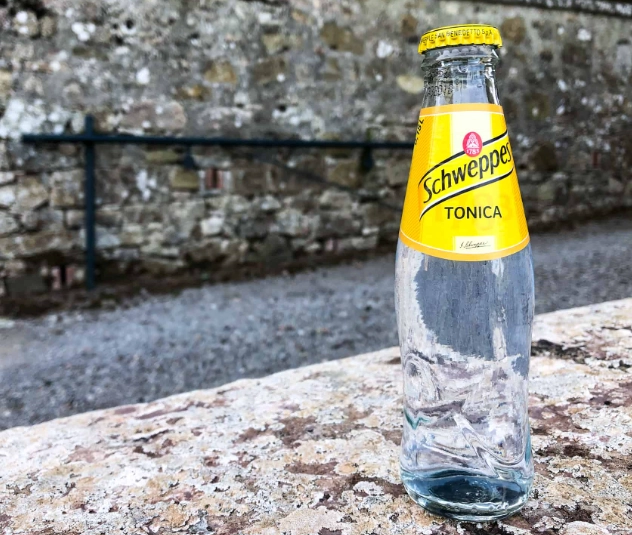
Can I get a non-alcoholic Aperol Spritz?
Sort of, but not exactly. There's no direct, mass-produced replica of Aperol that's alcohol-free. However, you can create a superb non-alcoholic Italian spritz at home. Use a non-alcoholic bitter aperitivo syrup (several brands now make them, like Everleaf or St. Agrestis's Phony Negroni). Put ice in a wine glass, add 1 part syrup, 2 parts non-alcoholic sparkling wine or extra-dry sparkling water, and top with a splash of soda. Garnish with an orange slice. It scratches the same itch beautifully.
So, What's the Takeaway?
Exploring non-alcoholic Italian drinks is more than just finding something to quench your thirst. It's a way to engage with Italian culture on a deeper level. It's about understanding the rituals of the table, the regional pride in local flavors, and the Italian genius for creating pleasure and connection through food and drink—no matter what's in your glass.
Next time you're planning an Italian meal at home, or dreaming of a trip, skip the usual suspects for a moment. Seek out a bottle of bitter Chinotto, chill a tiny Crodino, or whip up a simple homemade lemon syrup soda. You'll be tasting a piece of Italy that's authentic, refreshing, and full of carattere.
Trust me, your palate will thank you.
Related Articles
Top 10 Pasta Dishes: Must-Try Italian Classics & Expert Tips
Italian Seasoning in Minestrone Soup: The Authentic Herb Blend Explained

The scale of securities lending and securities lending has dropped by more than

The RMB exchange rate against the US dollar rose to a high point this year
Authentic Italian Cheesecake Recipe: Creamy Ricotta Dessert Guide
Italian Lasagna Recipe: Authentic Homemade Lasagna Guide
Authentic Italian Pizza Recipe: A Step-by-Step Guide

The reason for the surge in A-shares has been found! The Shanghai Composite Inde
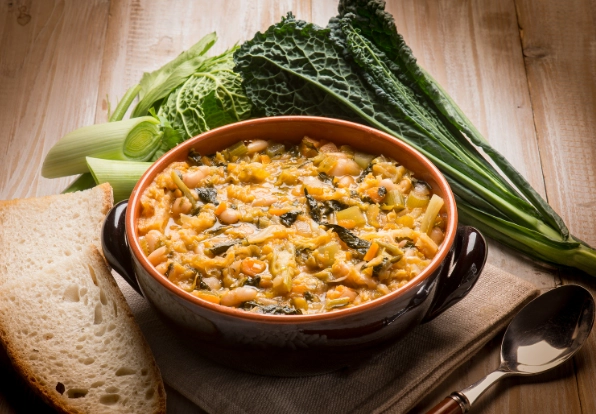
Authentic Italian Peasant Food: Simple Recipes & Where to Eat
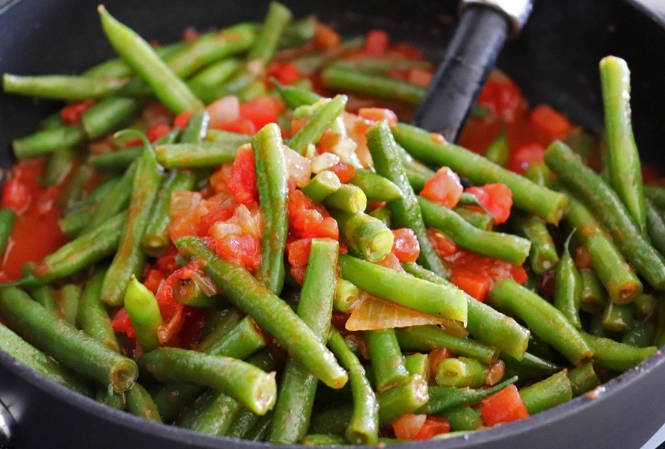
Authentic Italian Green Beans Recipe: A Classic Nonna's Method

Two 1 billion US dollars of large model financing, Internet giants are starting
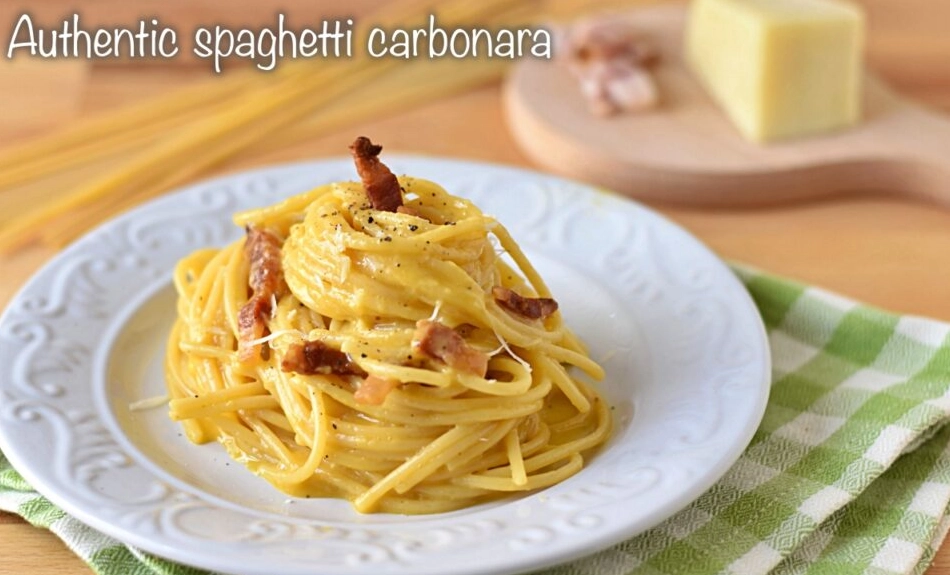
Authentic Carbonara Recipe: The Real Italian Way (No Cream!)
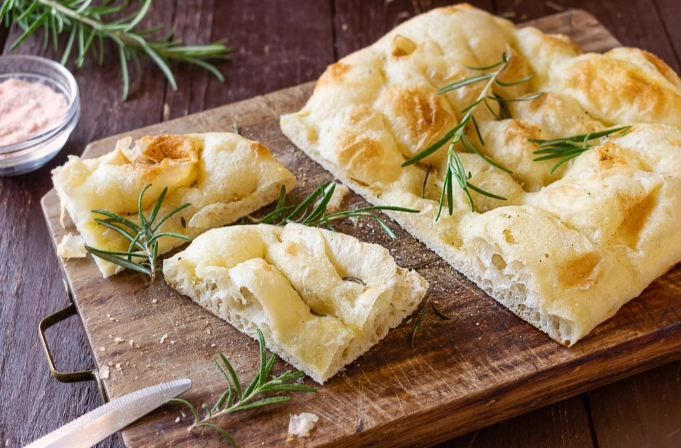
What Are the Most Popular Italian Appetizers? A Complete Guide to Antipasti
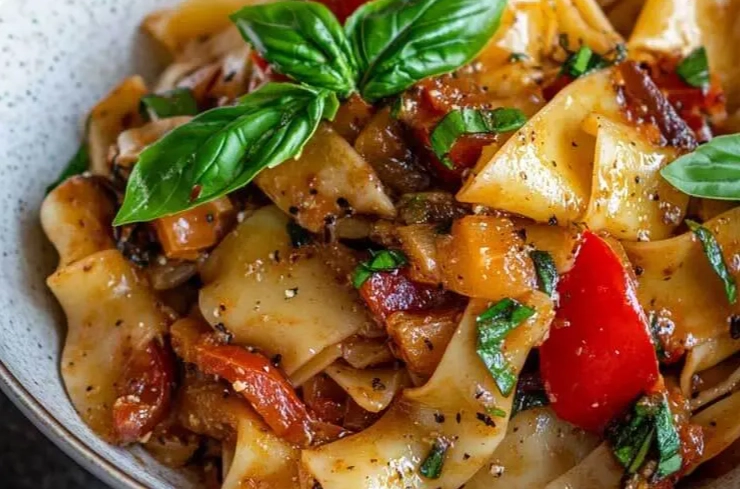
Authentic Italian Drunken Noodles Recipe (Pasta alla Ubriaca)
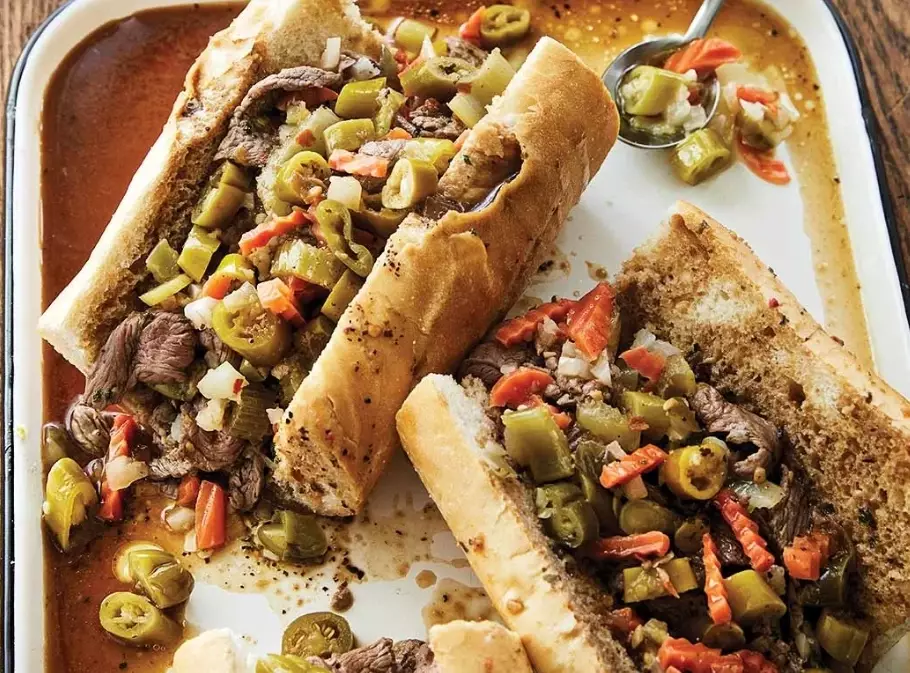
Authentic Italian Beef Recipe: Slow-Cooked Chicago-Style Sandwiches
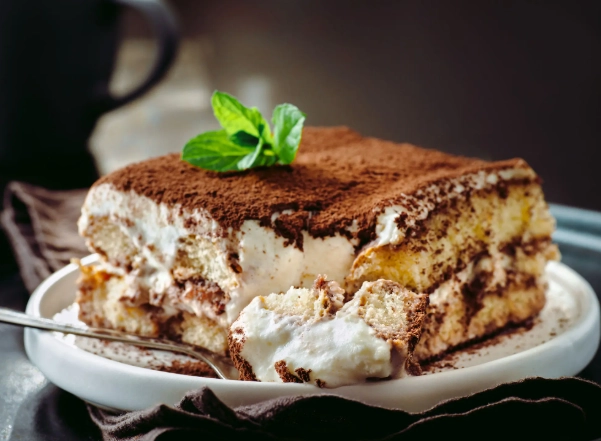
Ultimate Guide to Classic Italian Dessert Recipes from Tiramisu to Cannoli

The "half-year report" of the economy of 31 provinces is released: Inner Mongoli
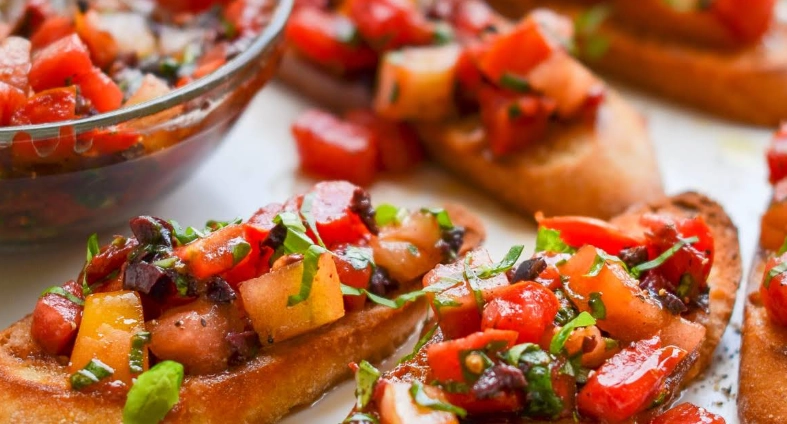
Ultimate Guide to Best Italian Appetizer Recipes for Any Occasion
Chopped Italian Sandwich Recipe: Step-by-Step Homemade Guide
Easy to Make Italian Food Recipes: Delicious & Quick Meals
Italian Baked Dishes Recipes: From Classic Lasagna to Rustic Focaccia
Authentic Italian Chicken Breast Recipes: Fast, Healthy & Flavorful Dinners
Traditional Italian Recipes from Scratch: The Heart of Home Cooking
Mastering Classic Italian Baked Dishes: Recipes & Secrets
Italian Meatball Recipe: Step-by-Step Guide & Secrets for Tender Meatballs
Top 10 Italian Pasta Dishes: A Guide to Classics
Top 10 Italian Dishes You Must Try: Authentic Flavors Explained
A Typical Italian Dinner at Home: The Real Menu & Traditions

The latest public offering "rat warehouse" exposed: fines of more than 30 millio
Leave a Comment