Best Flour for Italian Pasta: A Definitive Guide to Types 00, 0, & Semola
Quick Navigation
- The Two Main Flour Families: Soft Wheat vs. Hard Wheat
- Decoding the Italian Flour Numbers: 00, 0, 1, 2
- The Top Contenders: Breaking Down the "Best" Flours by Pasta Type
- The Protein Percentage Puzzle: Why It Matters More Than the Number
- Blending Flours: The Secret of Many Home Cooks and Chefs
- FAQs: Your Pasta Flour Questions, Answered
- Putting It Into Practice: A Simple Roadmap
Let's get this out of the way first. If you're hoping for a single, magic bag of flour that will make every type of Italian pasta perfect, I'm going to disappoint you. But if you want to know how to choose the right flour for the specific pasta you're dreaming of—whether it's silky tagliatelle from Emilia-Romagna, sturdy orecchiette from Puglia, or delicate filled ravioli—then you're in the right place. The question "What is the best flour for Italian pasta?" is a bit like asking "What's the best tool?" It completely depends on the job.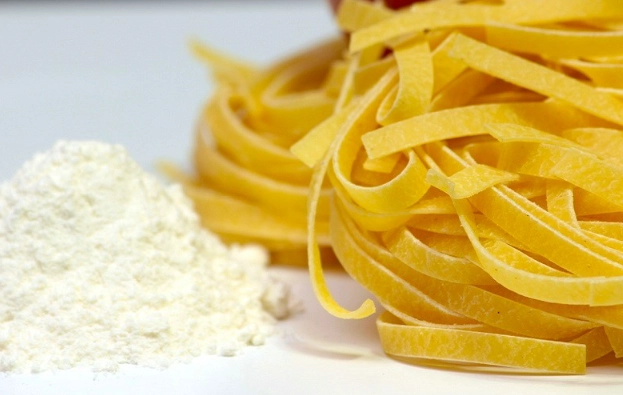
I learned this the hard way. Years ago, I grabbed a bag of all-purpose flour to make pasta, convinced it was all the same. The result was a sticky, frustrating mess that tore when I tried to roll it thin. It tasted... fine. But it wasn't right. It lacked that distinct bite, that gentle yellow hue, that satisfying texture you get in a good trattoria. That failure sent me down a rabbit hole of Italian milling classifications, protein percentages, and regional traditions. What I found changed my cooking.
The Two Main Flour Families: Soft Wheat vs. Hard Wheat
This is the most important split to understand. Everything else branches from here.
Soft Wheat Flour ("Farina di Grano Tenero"): This is what most people picture for bread and cakes. It's lower in protein (and thus gluten), finer, and creates a more tender, delicate dough. When Italians make fresh, egg-based pasta—think tagliatelle, pappardelle, tortellini—this is usually their starting point. The eggs provide structure and richness, so you don't need an ultra-strong flour.
Hard Wheat Flour ("Farina di Grano Duro" or Semola): This is the king of dried pasta. Milled from amber durum wheat, it's high in protein, has a coarse, granular texture (like fine sand), and a beautiful pale yellow color. It creates a very strong, elastic dough that holds its shape perfectly when dried. It's also traditionally used for many water-based pasta shapes from Southern Italy, like orecchiette and cavatelli.
So, right away, your choice starts here. Egg pasta for a rich ragu? Lean towards soft wheat. Making pasta to dry and store, or a rustic shape from the south? Hard wheat is your friend.
Decoding the Italian Flour Numbers: 00, 0, 1, 2
Walk into an Italian market or browse an online specialty store, and you'll see flours labeled Tipo 00, Tipo 0, etc. This isn't a quality grade. It refers to the refinement level—how much of the original wheat kernel (the bran and germ) has been sifted out.
| Type | Refinement (Ash Content) | Texture | Best Uses in Pasta | My Personal Take |
|---|---|---|---|---|
| Tipo 00 (Doppio Zero) | Most refined ( | Powdery fine, almost like talc | Ultra-delicate egg pasta, silk-sheet pasta for filling, some gnocchi. | Creates an incredibly smooth, silky dough. A dream to roll thin. Can be too delicate for hearty shapes. |
| Tipo 0 | Less refined (0.55-0.65% ash) | Still fine, but with a bit more substance | The workhorse for most fresh egg pasta. Perfect balance of silkiness and strength. | My go-to for 90% of my fresh pasta. Forgiving, versatile, and gives that classic texture. |
| Tipo 1 & Tipo 2 | Less refined, more whole grain particles | Noticeably speckled, coarser | Rustic, whole-wheat style pasta. Adds nutty flavor and more fiber. | I use these for a health-conscious twist. They absorb more water, so dough hydration needs adjustment. |
| Semola/Semola Rimacinata | Milled from hard durum wheat | Granular, yellow, feels sandy | The only choice for traditional dried pasta. Essential for orecchiette, cavatelli, etc. | Semola Rimacinata ("re-milled") is finer than regular semola. For pasta, always get "rimacinata"—it's smoother and easier to work with. |
See how the answer to "What is the best flour for Italian pasta?" already has layers? A chef in Bologna making tortellini will reach for Tipo 00. A nonna in Puglia making orecchiette will use only Semola Rimacinata. Both are 100% correct.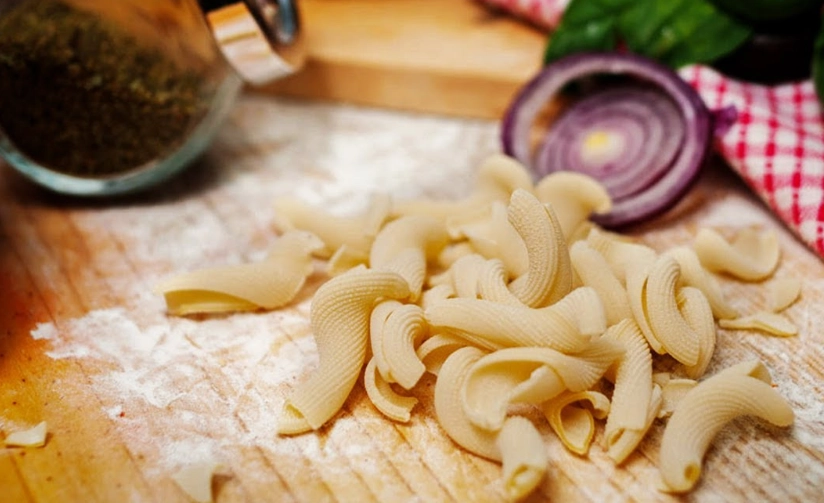
The Top Contenders: Breaking Down the "Best" Flours by Pasta Type
Let's get practical. Here’s a breakdown of which flour to use for your project.
For Classic Fresh Egg Pasta (Tagliatelle, Fettuccine, Pappardelle)
This is the heart of Northern Italian pasta making. The goal is a dough that is smooth, elastic, and rolls out thinly without tearing, yet has enough body to hold a sauce.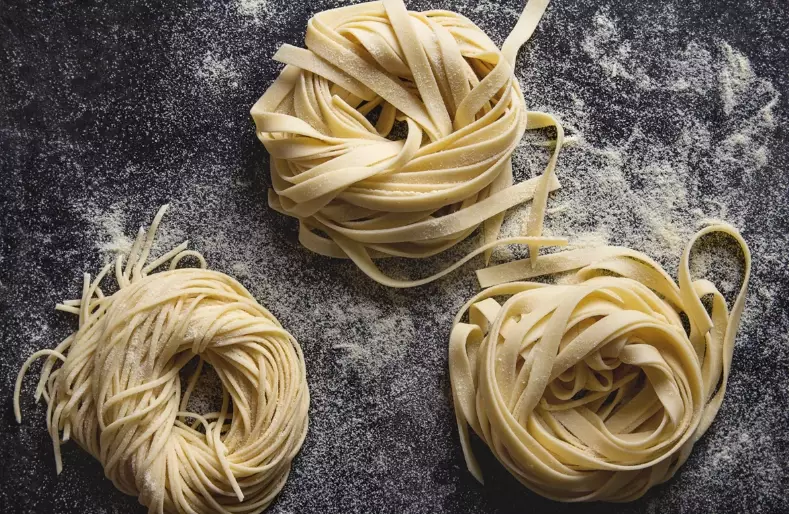
Many home cooks (and pros) swear by a blend. A common ratio is 50% Tipo 00 and 50% Tipo 0. The 00 gives unparalleled smoothness and a delicate bite, while the 0 adds a bit more backbone and wheat flavor. If I had to pick one bag for all my fresh egg pasta, it would be a high-protein Tipo 0 (around 11-12% protein). It's the most forgiving and versatile. Caputo's "Nuvola" Superfine 00 or Antimo Caputo's "Chef's Flour" (Tipo 00) are excellent, widely available choices you can often find online or in specialty stores.
What about all-purpose flour? You can use it. Really. But it's a compromise. American all-purpose is a blend of hard and soft wheats and is often bleached. It will make pasta, but it tends to be thirstier (needs less water/egg), can be less elastic, and the flavor is blander. It's your "plan B" flour.
For Stuffed Pasta (Ravioli, Tortellini, Agnolotti)
Here, thinness and durability are key. The sheet needs to be rolled paper-thin without breaking, yet strong enough to hold filling and survive boiling.
This is where the finest 00 flour shines. Its powdery texture allows it to hydrate evenly and form a very tight, smooth gluten network that can be stretched incredibly thin. Look for a 00 flour marketed for pasta/pizza with a protein content on the higher end (around 12-13%). This gives you the silkiness of 00 with the strength you need. I find that using just Semola here makes the dough too tough and difficult to seal properly.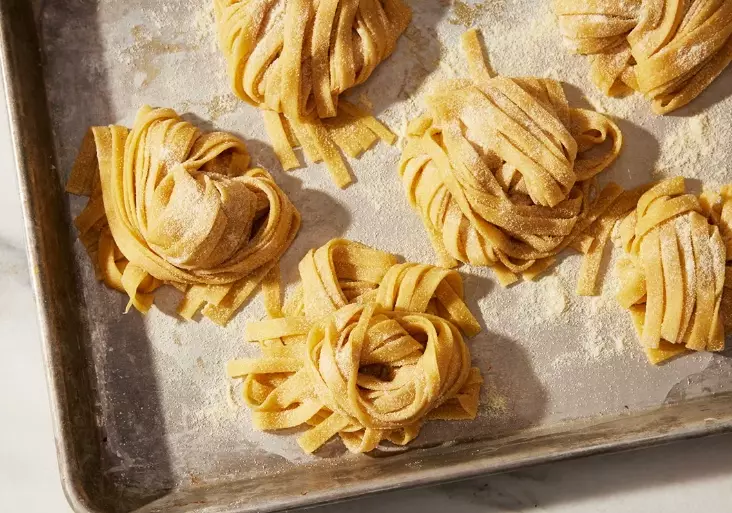
For Traditional Dried Pasta (Penne, Rigatoni, Spaghetti)
Commercially, this is made from 100% durum wheat semolina and water, extruded through bronze dies, and dried slowly. For home cooks making pasta to dry, you want to replicate this as closely as possible.
This is not an area for substitution if you want authentic results. The high gluten quality and yellow pigments of durum wheat give dried pasta its glorious al dente texture, firm bite, and ability to hold sauce. The granular texture of semolina absorbs water differently, creating a non-sticky, perfectly porous surface. Brands like Agostini or Granoro are iconic in Italy. The Italian government even regulates this—true "pasta" sold in Italy must, by law, be made from durum wheat semolina or durum wheat flour (Legge n. 580 of 1967). That tells you everything.
For Southern Italian Water-Based Pasta (Orecchiette, Cavatelli, Trofie)
These shapes are rustic, hearty, and designed to cling to chunky vegetable or seafood sauces. They are made with just semolina and water (sometimes a pinch of salt).
Semola Rimacinata, full stop. The coarse texture helps form the shapes, and the dough's strength allows for the hand-forming techniques. It has a wonderfully nutty, wheaty flavor that stands up to bold sauces. Using a soft wheat flour here results in a mushy, shapeless disappointment.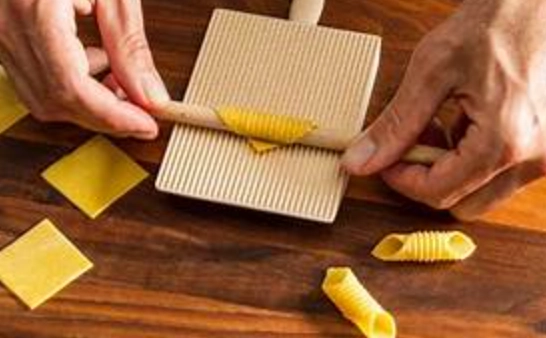
The Protein Percentage Puzzle: Why It Matters More Than the Number
Everyone talks about protein percentage (usually listed on the nutritional label). More protein generally means more potential gluten, which means a stronger, chewier dough. But here's the catch: the quality of the gluten matters just as much, and that's not on the label.
Durum wheat gluten is strong but less elastic than the gluten in common bread wheat. That's why semolina dough is great for extrusion and holding shape but can be a bit brittle to roll out into thin sheets. Soft wheat gluten is more extensible—it stretches more easily, which is ideal for rolling.
My advice? Don't obsess over a single percentage point. Use the protein as a general guide within the flour type:
- Tipo 00 for pasta: Look for 11-13% protein.
- Tipo 0 for pasta: Look for 11-12.5% protein.
- Semola Rimacinata: Usually 12-14% protein.
If you're buying from a reputable Italian mill, they've already optimized the wheat blend for its purpose. Trust the type first, the brand second, and the protein number third.
Blending Flours: The Secret of Many Home Cooks and Chefs
This is where you can really start to customize and answer "What is the best flour for Italian pasta?" for your taste. Blending is common, even traditional in some areas.
My Favorite All-Purpose Fresh Pasta Blend: 70% Tipo 0 flour + 30% Semola Rimacinata. This is a game-changer. The semolina adds a beautiful golden color, a slightly firmer bite, and a more complex, nutty flavor to your egg pasta. It makes the dough less sticky and easier to handle. It's perfect for shapes like pappardelle or maltagliati that need to hold up to robust meat sauces.
The "Super-Strong" Stuffed Pasta Blend: 50% High-Protein Tipo 00 + 50% Fine Semola Rimacinata. Ultimate strength for super-thin sheets.
The "Rustic" Blend: 80% Semola Rimacinata + 20% Tipo 2 or whole wheat flour. Incredible flavor and texture for hand-shaped pasta.
Experiment. Start with a 200-gram batch. Write down what you used and what you thought. This is how you develop your own "best" flour mix.
FAQs: Your Pasta Flour Questions, Answered
I get these questions all the time from friends and readers. Let's tackle them head-on.
Can I use all-purpose flour for Italian pasta?
Yes, but it's a compromise. It will make pasta. It might even taste good. But it will lack the specific texture, color, and authentic bite of pasta made with the correct Italian flour. Think of it as training wheels. Once you try the real stuff, it's hard to go back.
What's the difference between 00 flour and bread flour?
They can have similar protein levels, but they're different beasts. Bread flour (American) is milled from hard red spring wheat, designed for a strong, elastic gluten network that traps gas bubbles. Tipo 00 is milled from soft wheat, is much finer, and produces a more tender, extensible gluten network. Using bread flour for pasta can make it too tough and chewy.
Is "Italian-style" flour sold in supermarkets the same?
Often, no. It's frequently just a marketing term for a moderately fine all-purpose flour. Check the label. If it doesn't say "Tipo 00" or "Semola di Grano Duro," and isn't imported from Italy, it's likely not the real deal. For reliable results, seek out authentic Italian brands.
Can I make gluten-free Italian pasta?
You can make gluten-free pasta, but it will not be traditional Italian pasta. The texture and behavior are entirely different. Good blends use rice flour, potato starch, and binders like xanthan gum. It's a separate culinary art altogether.
How do I store pasta flour?
In a cool, dark place in an airtight container. The finer the flour (like 00), the faster it can go stale. Whole grain flours (Tipo 1, 2) contain more oils and can go rancid. For long-term storage, keep them in the freezer. Let them come to room temperature before using.
What about "Manitoba" flour?
This is a specific type of very high-protein (14-15%) soft wheat flour from Canada, famous in Italy for strength. It's used in some enriched doughs (like panettone) or sometimes blended into pasta flour for extra strength. It's overkill for most fresh pasta unless you're making something very specific.
Putting It Into Practice: A Simple Roadmap
Feeling overwhelmed? Don't be. Here's a dead-simple guide for your next trip to the store or click online.
- You want to make silky, fresh egg noodles (tagliatelle, fettuccine): Buy a bag of Tipo 0 flour from a reputable Italian mill. This is your safest, most versatile bet.
- You want to make authentic dried pasta shapes or Southern Italian water pasta: Buy a bag of Semola di Grano Duro Rimacinata. Do not accept substitutes.
- You want to make ultra-delicate stuffed pasta (ravioli): Buy a bag of fine, high-protein Tipo 00 flour.
- You want to experiment and have the best of both worlds: Buy one bag of Tipo 0 and one bag of Semola Rimacinata. Blend them 70/30 for fantastic all-around fresh pasta.
So, what is the best flour for Italian pasta? It's the one that's chosen with purpose. It's knowing that the humble bag of semolina holds the secret to perfect al dente texture, and that the snowy-white 00 flour is the key to sheets of pasta thin enough to read a newspaper through. It's understanding that this choice is the first, and most important, step in a centuries-old craft.
Start with the right flour. The rest—the kneading, the rolling, the shaping, the saucing—becomes not just easier, but infinitely more rewarding. You're not just making dinner; you're connecting with a tradition. And honestly, that connection tastes incredible.
Related Articles
Easy Crusty Italian Bread Recipe: Homemade Ciabatta & Focaccia
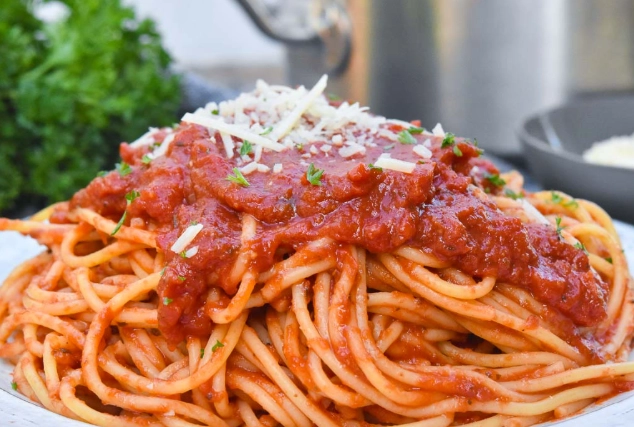
Authentic Italian Spaghetti Sauce Recipe (Ragù alla Bolognese)
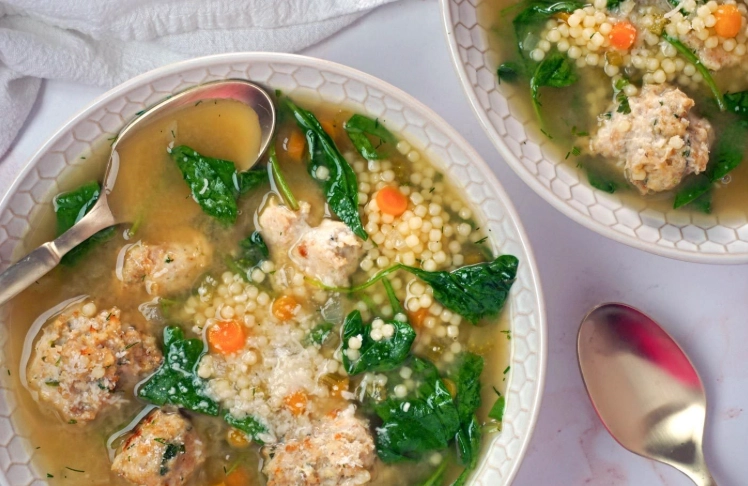
What Pasta is Best for Italian Wedding Soup? The Ultimate Guide
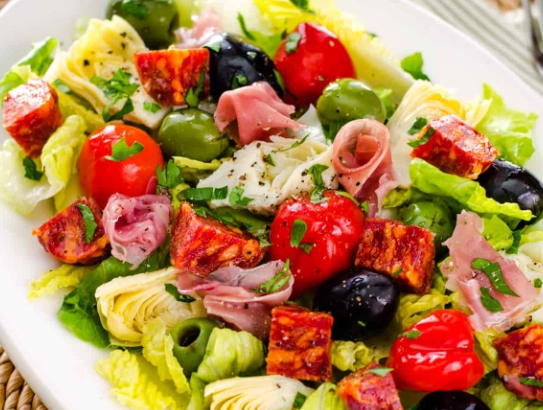
Traditional Italian Salad Names: A Guide to Authentic Recipes & History
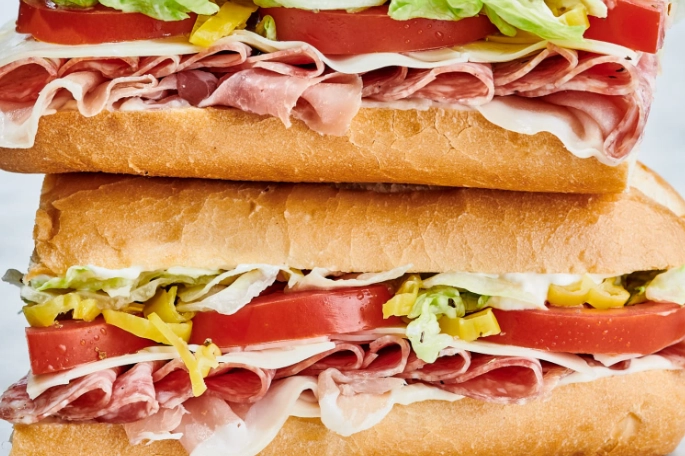
Ultimate Guide to Italian Sandwich Recipes: From Classics to Modern Twists