Easy Authentic Italian Minestrone Soup Recipe & Secrets
What's Inside
- What Makes Minestrone *Actually* Authentic? (Spoiler: It's Not Just the Pasta)
- The Essential, No-Fuss Authentic Italian Minestrone Soup Recipe (Easy Version)
- To Pasta or Not to Pasta? (And Other Big Questions)
- The Minestrone Flexibility Matrix: Your Customization Guide
- Answering Your Minestrone Questions (Before You Even Ask)
- Taking It Further: Pro Tips I've Picked Up Along the Way
- Final Thoughts: Why This Soup Deserves a Spot in Your Rotation
Let's be honest. You've probably had minestrone before. Maybe from a can, maybe at a chain restaurant where it tasted mostly like salty tomato water with a few sad pasta shells floating around. I know I have. It was enough to make me think, "Is this really the famous Italian soup everyone raves about?"
Turns out, I was dead wrong. A real, authentic Italian minestrone soup recipe easy to make at home is a universe away from that. It's not a thin, one-note broth. It's a hearty, deeply flavorful, and somehow both rustic and elegant celebration of vegetables. It's the kind of food that simmers on the stove for an hour and makes your whole house smell like an Italian grandmother's kitchen (in the best way possible). And the best part? Making it from scratch is far simpler than you think. You don't need fancy skills, just a good pot, some time, and the right approach.
This isn't about rigid rules. In Italy, minestrone varies from region to region, town to town, even family to family. It's a "clean out the fridge" soup in the most glorious sense. But there are a few non-negotiable foundations that separate a good minestrone from a truly great, authentic one. That's what we're here to crack. We're going to strip away the complexity and focus on the core elements that deliver maximum flavor with minimal fuss. Think of this as your blueprint, not a prison. By the end, you'll be able to whip up a classic minestrone soup that's deeply satisfying, packed with nutrition, and tastes like it came straight from a trattoria in Tuscany.
The Minestrone Mindset: Forget the idea of a single, fixed recipe. Authentic minestrone is a concept. It's a thick vegetable soup, often with beans and sometimes with pasta or rice, built on a savory base. The goal is balance, depth, and celebrating seasonal produce. That's the freedom it offers.
What Makes Minestrone *Actually* Authentic? (Spoiler: It's Not Just the Pasta)
Before we dive into the pot, let's clear up some common confusion. Many recipes online slap the "authentic" label on anything with tomatoes, beans, and pasta. That's missing the point. The soul of a classic minestrone soup lies in its layers of flavor, built from the bottom up.
The first and most critical layer is the soffritto. This is the Italian holy trinity of diced onion, carrot, and celery, slowly cooked in good olive oil until soft, sweet, and fragrant. It's not a quick sauté. You want to sweat these vegetables, not brown them aggressively. This base, known as a *battuto* once it's chopped and a *soffritto* once it's cooked, is the flavor foundation for countless Italian dishes. Skipping this step or rushing it is the number one reason homemade soup tastes flat. I learned this the hard way after a few lackluster pots where I just threw everything in at once. Big mistake.
The second pillar is broth choice. While water is traditional (and perfectly authentic, as it lets the vegetable flavors shine), using a light vegetable or chicken broth can add a nice layer of savoriness, especially if your vegetables aren't at their peak. The key is to avoid overpowering, salty canned broths. If you use one, opt for low-sodium and dilute it with water.
Finally, there's the vegetable hierarchy. Not all veggies go in at the same time. Hard vegetables like potatoes, carrots, and celery need time to become tender. Leafy greens like spinach or kale go in at the very end. Understanding this sequence is what makes an easy authentic Italian minestrone soup recipe work without turning everything to mush.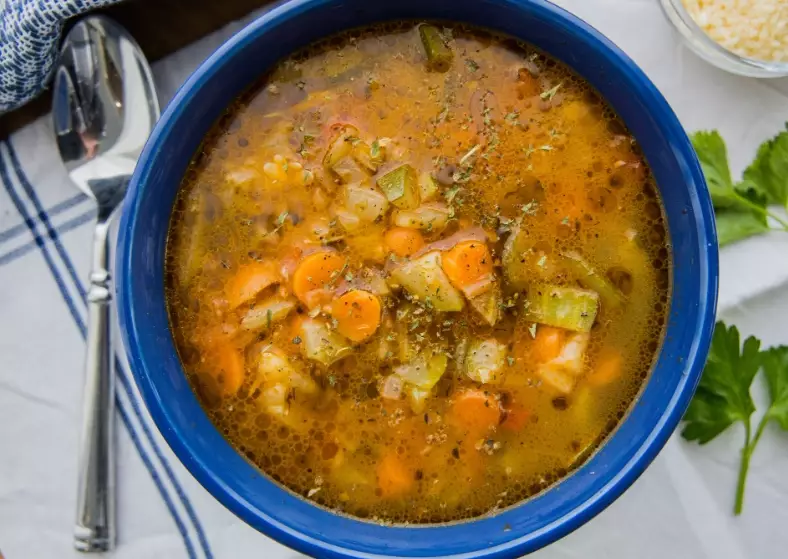
The Essential, No-Fuss Authentic Italian Minestrone Soup Recipe (Easy Version)
Alright, let's get cooking. This recipe is designed for a standard large soup pot or Dutch oven. It makes a generous amount—perfect for leftovers that taste even better the next day.
Gathering Your Ingredients
Here's where the flexibility shines. This is the core list. The "must-haves" for our authentic Italian minestrone soup recipe easy are in bold. The rest are fantastic additions or swaps.
The Flavor Foundation:
- Extra Virgin Olive Oil (1/4 cup): Use the good stuff for the soffritto.
- 1 large yellow onion, finely diced
- 2 medium carrots, diced
- 2 celery stalks, diced
- 3-4 cloves garlic, minced
The Hearty Vegetables (Choose 3-4):
- 2 medium potatoes (Yukon Gold or Russet), peeled and cubed
- 1 medium zucchini, diced
- 1 cup of diced green beans (fresh or frozen)
- 1 small fennel bulb, diced (adds a wonderful anise note)
- 1 cup of cubed butternut squash
The Tomatoes & Liquids:
- 1 (28-oz) can of whole peeled tomatoes, crushed by hand or with a blender (San Marzano are great but not mandatory)
- 6-8 cups of water, vegetable broth, or low-sodium chicken broth
- 1 Parmesan rind (optional, but highly recommended)
The Beans & Greens:
- 1 (14-oz) can of cannellini beans or borlotti beans, drained and rinsed (or 1.5 cups cooked dried beans)
- 2 cups of chopped leafy greens (spinach, Swiss chard, kale, or escarole)
The Finishers:
- Salt and freshly ground black pepper
- 1-2 tablespoons of tomato paste (for depth, stir in with the soffritto if you have it)
- Fresh herbs: a few sprigs of rosemary or thyme (tied together) or 1 tsp dried oregano
- For serving: Extra virgin olive oil, grated Parmesan cheese, fresh basil or parsley.
The Step-by-Step Process (It's Mostly Waiting)
- Build the Soffritto: Heat the olive oil in your large pot over medium-low heat. Add the diced onion, carrot, and celery with a pinch of salt. Cook, stirring occasionally, for 10-15 minutes until they are very soft and translucent. Don't let them brown. If you're using tomato paste, add it now and stir for a minute until it darkens slightly.
- Add the Garlic & Hard Veg: Stir in the minced garlic and cook for just 30 seconds until fragrant. Then, add your chosen hearty vegetables (potatoes, zucchini, green beans, etc.). Stir to coat them in the flavorful oil.
- Tomatoes and Broth: Pour in the crushed tomatoes and your chosen liquid (start with 6 cups). Add the Parmesan rind and herb bundle if using. Bring to a gentle boil, then reduce the heat to low, cover partially, and let it simmer for 30 minutes.
- Beans and Final Simmer: After 30 minutes, add the drained beans. Taste the broth. Does it need salt? Probably. Season gradually. Let it simmer for another 15-20 minutes until all the vegetables are perfectly tender but not disintegrating.
- Greens and Finish: Stir in your chopped greens and cook for just 3-5 more minutes until wilted. Remove the Parmesan rind (any soft cheese on it can be stirred back in) and herb bundle.
And that's it. The active work is maybe 20 minutes. The rest is the magic of simmering.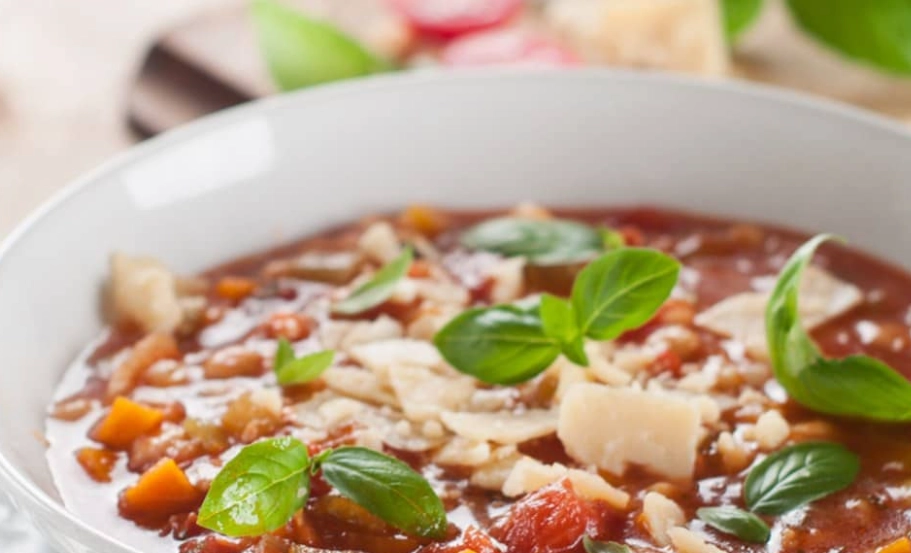
To Pasta or Not to Pasta? (And Other Big Questions)
This is a hot topic. In many parts of Italy, minestrone is served without pasta. It's a vegetable and bean soup. In other regions, small pasta like ditalini, small shells, or broken spaghetti is added. Here's my practical take for an easy authentic Italian minestrone soup recipe.
If you want pasta: Cook it separately and add it to individual bowls when serving. If you cook it directly in the soup, it will soak up all the broth and become mushy in the leftovers. Nobody wants a bloated, soggy pasta sinkhole. Cook al dente, drain, toss with a tiny bit of oil to prevent sticking, and add as needed.
A common mistake: Using too many starchy elements together. If you have potatoes, beans, AND pasta, the soup can become overly thick and heavy. Choose two at most for better texture.
Rice is another traditional addition, especially in the North. Arborio rice can be added about 15-20 minutes before the end of cooking. It will release starch and thicken the soup beautifully.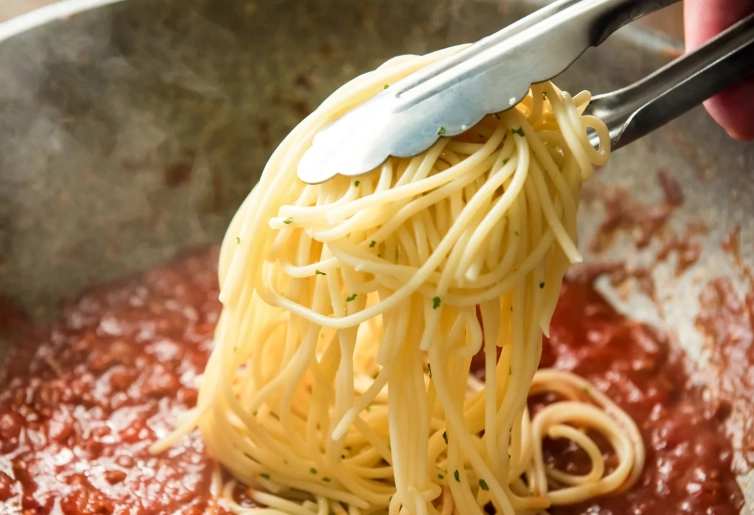
The Minestrone Flexibility Matrix: Your Customization Guide
This table is your cheat sheet for adapting the classic minestrone soup to what you have, what's in season, or what you're craving. It turns the recipe from a static list into a dynamic toolkit.
| Component | Classic Choice | Excellent Swaps & Variations | When to Add |
|---|---|---|---|
| Base (Soffritto) | Onion, Carrot, Celery | Leeks, shallots, fennel stalks | START - Cook low & slow |
| Hard Vegetables | Potato, Green Beans | Sweet potato, parsnip, turnip, cauliflower florets | After soffritto, before liquid |
| Soft Vegetables | Zucchini, Yellow Squash | Eggplant (salt first), bell peppers | Last 15-20 mins of simmer |
| Beans | Cannellini, Borlotti | Chickpeas, kidney beans, cranberry beans | Last 15-20 mins of simmer |
| Greens | Spinach, Chard | Kale, escarole, Savoy cabbage (add earlier), beet greens | LAST - 3-5 mins before serving |
| Herbs | Bay Leaf, Rosemary | Thyme, oregano, sage, fresh basil (at the end) | Herb bundle: with broth. Fresh: at end. |
Answering Your Minestrone Questions (Before You Even Ask)
I've made a lot of minestrone, and I've fielded a lot of questions from friends. Here are the big ones that pop up when someone is looking for an authentic Italian minestrone soup recipe easy enough for a weeknight.
Can I use canned beans instead of dried?
Absolutely. In fact, for an easy minestrone recipe, canned beans are a lifesaver. Just make sure to drain and rinse them thoroughly to remove the starchy, salty canning liquid. It makes a cleaner taste. If you have the time, cooking dried beans from scratch (like borlotti) yields a creamier texture and a richer broth, but it's not a requirement for authenticity.
My soup tastes bland. What went wrong?
Nine times out of ten, it's one of three things: 1) Underseasoned: Salt is crucial. Add it in stages, tasting as you go. Vegetables need salt to release their flavors. 2) Rushed soffritto: If you didn't cook the onion, carrot, and celery long enough, you missed the first layer of flavor. 3) Weak tomatoes: Use good-quality canned tomatoes. A splash of red wine vinegar or a squeeze of lemon at the very end can also wake up all the flavors if it's still tasting flat.
Can I make minestrone ahead of time or freeze it?
It's actually better ahead of time! Minestrone is a champion leftover. The flavors meld and deepen overnight in the fridge. It keeps for 4-5 days. For freezing, omit any pasta you might add. Cool completely and freeze in airtight containers for up to 3 months. The texture of the vegetables might soften a bit more upon reheating, but the flavor will be fantastic.
Is minestrone soup healthy?
It's incredibly healthy, which is a nice bonus. You're looking at a soup packed with vitamins, minerals, and fiber from all those vegetables and beans. It's low in fat (especially if you go easy on the finishing oil), and the beans provide plant-based protein. For a more detailed look at the nutritional benefits of plant-based diets featuring dishes like minestrone, resources like the Harvard T.H. Chan School of Public Health's nutrition source offer great science-backed information. It's a meal in a bowl that makes you feel good.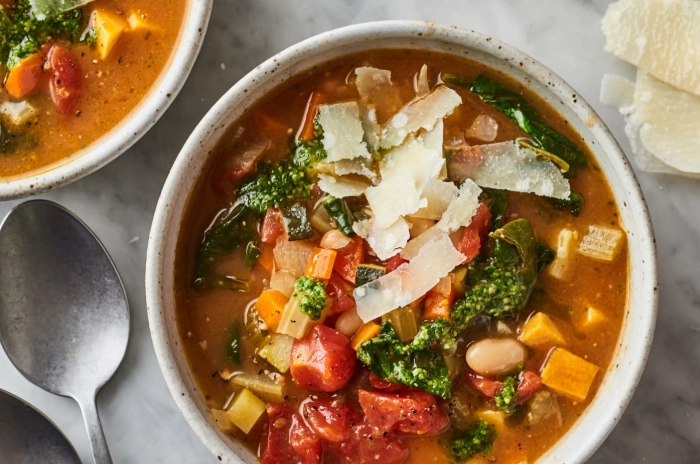
Taking It Further: Pro Tips I've Picked Up Along the Way
Once you've mastered the basic authentic Italian minestrone soup recipe easy method, here are a few little things that can elevate it from great to "wow."
- The Double Bean Smash: Before adding all your beans, take about a third of them and mash them with a fork or blend them briefly. Stir this paste back into the soup. It thickens the broth naturally and makes it feel incredibly luxurious and creamy without any dairy.
- Season in Waves: Don't dump all your salt in at the end. Season the soffritto lightly. Season again after adding the tomatoes and broth. Do a final adjustment after the beans have simmered and just before adding the greens. This builds seasoned layers.
- The Power of the Finish: Never underestimate the final drizzle. A generous swirl of your best, fruity extra virgin olive oil and a sprinkle of freshly grated Parmigiano-Reggiano or Pecorino Romano on each bowl is non-negotiable. It adds richness, aroma, and a salty punch. A few torn fresh basil leaves are the perfect fresh counterpoint.
- Embrace the Seasons: This is the true spirit of authentic minestrone. In summer, use fresh tomatoes, zucchini, and basil. In fall, lean into squash, pumpkin, and kale. In winter, use more cabbage, potatoes, and stored root vegetables. For inspiration on seasonal Italian cooking, the Accademia Italiana della Cucina (Italian Academy of Cuisine) is a fantastic cultural resource, though their site is primarily in Italian.
See? It's more of a conversation than a recipe.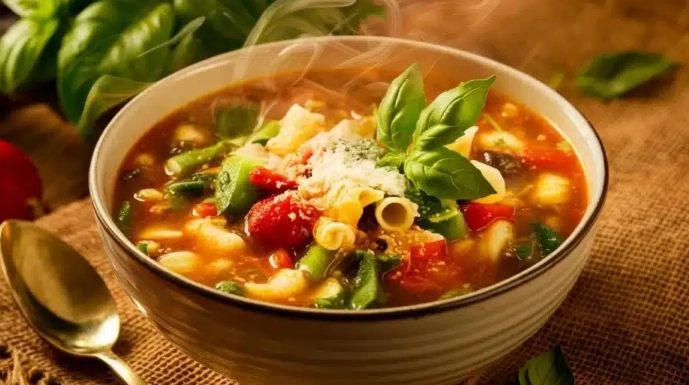
Final Thoughts: Why This Soup Deserves a Spot in Your Rotation
After years of cooking it, I keep coming back to this easy authentic Italian minestrone soup recipe because it's the ultimate reliable, satisfying food. It's forgiving. It's economical. It feeds a crowd or gives you lunches for days. It's healthy without feeling like a punishment. And most importantly, when made with care for those foundational steps, it delivers a complex, soul-warming flavor that feels both humble and special.
It proves that "authentic" doesn't have to mean "complicated." It just means understanding a few key principles—the sacred soffritto, the layering of ingredients, the respect for the vegetables themselves. Once you get that, you don't just have a recipe. You have a skill, a template for endless delicious variations. You can stop searching for that perfect authentic Italian minestrone soup recipe easy because you'll have already made it, and you'll know exactly how to make it again, your own way.
So grab your biggest pot. Chop some vegetables. Start that soffritto low and slow. Your kitchen is about to smell amazing.
Related Articles
Authentic Italian Pasta e Fagioli Recipe: A Hearty Classic

Easy Crusty Italian Bread Recipe: Homemade Ciabatta & Focaccia

Hearty Italian Sausage Soup Recipe: Easy & Flavorful Comfort Food
Authentic Italian Recipes: Secrets from a Roman Kitchen

Sudden bad news! A-shares plunged, Hong Kong stocks fell more than 2%, and there

What Side Dishes to Serve with Sausage? 15 Perfect Pairings & Recipes

Traditional Southern Italian Recipes: Authentic Dishes & Secrets

Authentic Italian Dessert Recipes: Easy Tiramisu, Cannoli & More

Authentic Italian Dessert Recipes: From Tiramisu to Cannoli
Italian Pasta Salad Recipe: The Ultimate Guide for Perfect Results

Authentic Italian Beef Recipe: Slow-Cooked Chicago-Style Sandwiches
Italian Vinaigrette vs Italian Dressing: The Real Difference Explained
Traditional Italian Recipes from Scratch: The Heart of Home Cooking

Best Italian Sausage Pasta Recipes: Easy, Creamy & Spicy Ideas
Ultimate Italian Recipes List: From Pasta to Desserts
Authentic Italian Pasta Recipes: From Carbonara to Pesto

Restarting private investment|"Caijing" special report

The only Olympic TOP partner in China's consumer goods industry: Mengniu's pursu
Italian Chopped Salad Recipe: The Ultimate Guide to a Perfect Antipasto
Perfect Pasta Salad Recipe with Homemade Italian Dressing
The Heart of Italy on Your Plate: Timeless Traditional Italian Recipes & Kitchen Wisdom
Authentic Italian Minestrone Soup Recipe: A Hearty Classic
Authentic Spaghetti Carbonara Recipe: The Real Italian Method (No Cream!)

Ultimate Guide to Italian Sausage Recipes: From Classic to Creative
Master Italian Meatloaf: Authentic Family Recipe

Italian Sausage Recipes: Easy Family Dinners in 30 Minutes

Authentic Italian Bruschetta Recipe: The Only Guide You'll Ever Need

Classic Italian Bread Recipe: Authentic & Easy Homemade Loaf
Authentic Italian Regional Recipes: A Guide to Italy's Best Local Dishes
Leave a Comment