Ultimate Guide to the Best Italian Desserts Recipes: Classics & Regional Gems
Quick Guide
Let's be honest. When you think of Italian food, your mind probably goes straight to pasta, pizza, and maybe a good glass of red wine. But if you stop there, you're missing out on half the joy—the sweet half. Italian desserts are a universe of their own, less about overwhelming sugar and more about balance, texture, and celebrating simple, fantastic ingredients. Think about the creamy embrace of a perfectly made tiramisu, the satisfying crunch of a cannoli shell giving way to sweet ricotta, or the bright, clean finish of a lemon sorbet. That's the magic.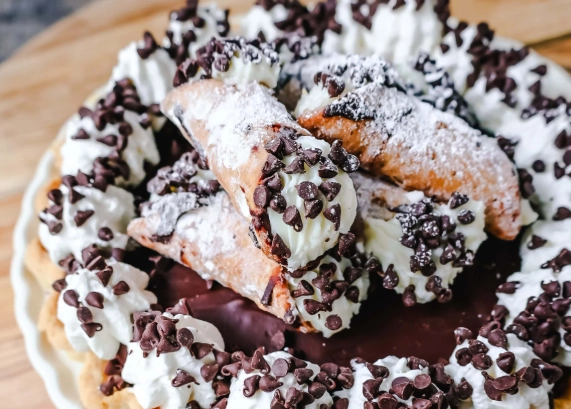
I remember the first time I tried to make panna cotta. The recipe seemed simple enough: cream, sugar, gelatin. How hard could it be? Well, I learned the hard way that blooming gelatin is not a suggestion. It was a wobbly, lumpy mess. But that failure sent me down a rabbit hole, talking to friends from Italy, scouring old cookbooks, and testing recipes until I got it right. That's what this guide is about—saving you from my early mistakes and giving you the real-deal, tested paths to the best Italian desserts recipes you can make at home.
We're not just talking about a list. We're going to dig into the classics everyone needs in their repertoire, uncover some regional stars that don't get enough love, and arm you with the tips and tricks that make the difference between "good" and "oh-my-gosh-did-you-make-this?".
The Undisputed Classics: Your Italian Dessert Foundation
These are the heavy hitters, the ones you'll see on menus from Milan to New York. Mastering these is like learning the grammar of Italian dessert language. Once you have these down, you can start to play.
Tiramisu: The “Pick-Me-Up” Legend
No list of the best Italian desserts recipes is complete without tiramisu. Its name literally means "pick me up," and the combination of coffee, mascarpone, and cocoa certainly does that. The beauty is in its simplicity, but that's also where many versions go wrong.
The authentic method involves separating eggs. The yolks are whipped with sugar until pale and thick—this is the base of your cream. The whites are whipped to stiff peaks separately and folded in at the end for lift. The coffee for dipping the ladyfingers (savoiardi) should be strong, cooled, and usually has a splash of Marsala wine or dark rum in it. No alcohol? Just skip it, the coffee is the star.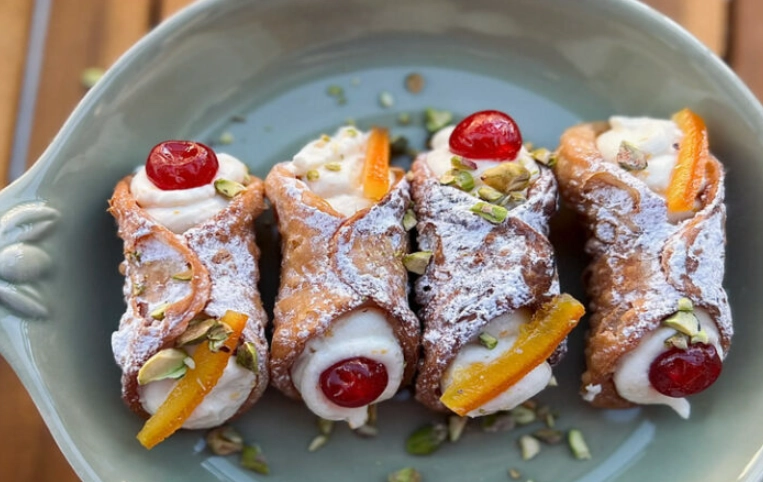
Cannoli: Sicily's Crispy Gift
If tiramisu is soft and comforting, cannoli are all about glorious contrast. The shell must be shatteringly crisp, the filling creamy and lightly sweet. Store-bought shells are a decent shortcut, but making them at home? That's a project, but the payoff is immense.
The dough is a simple mix of flour, wine (usually white or Marsala), sugar, and fat (lard is traditional for the flakiest texture, but butter works). It's rolled thin, cut into circles, and wrapped around metal tubes before deep frying. The filling is where you can personalize. Classic is ricotta (drained well!), powdered sugar, vanilla, and maybe some chocolate chips or candied fruit. Some add a bit of mascarpone for extra creaminess. The key is to fill the shells right before serving. If you fill them hours ahead, the moisture from the ricotta will turn that perfect shell into a sad, leathery tube.
Panna Cotta: The Elegant Set Cream
Panna cotta is the quiet sophisticate of the bunch. It's just sweetened cream, set with gelatin, and often flavored with vanilla. Its success hinges on texture. It should be silky, smooth, and tremble on the plate like a custard without eggs.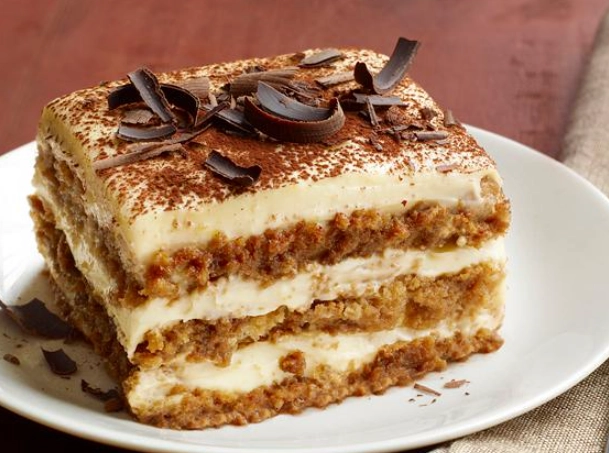
The process is straightforward but requires attention. You must bloom your gelatin in cold water first. This means sprinkling the powdered gelatin over cold water in a small bowl and letting it sit for 5-10 minutes until it becomes a spongy solid. Then, you gently heat a small portion of your cream mixture, dissolve the bloomed gelatin in it completely, and then mix it back into the main cream pot. Strain the mixture into your molds to catch any undissolved gelatin bits—this is the secret to that flawless surface. Chill for 4+ hours.
Serve it with a vibrant berry coulis, a drizzle of espresso, or even just a few fresh berries. It's a blank canvas.
| Dessert | Key Characteristic | Biggest Challenge | Perfect For... |
|---|---|---|---|
| Tiramisu | Layered, coffee-infused, creamy | Achieving light mascarpone cream & proper soaking of ladyfingers | Make-ahead dinner parties, impressive potlucks |
| Cannoli | Crispy shell, creamy ricotta filling | Making/frying shells; preventing sogginess | Special occasions, when you want a show-stopping handheld treat |
| Panna Cotta | Silky, jiggly, elegant set cream | Perfect gelatin texture (no lumps, not rubbery) | Light endings to rich meals, summer desserts |
| Gelato | Denser, more flavorful than ice cream | Managing churn time & avoiding ice crystals | Any day ending in 'y', mastering a classic technique |
Beyond the Classics: Regional Stars You Need to Try
Italy's regions are fiercely proud of their local specialties. Venturing beyond the global famous names reveals some of the best Italian desserts recipes you've probably never heard of.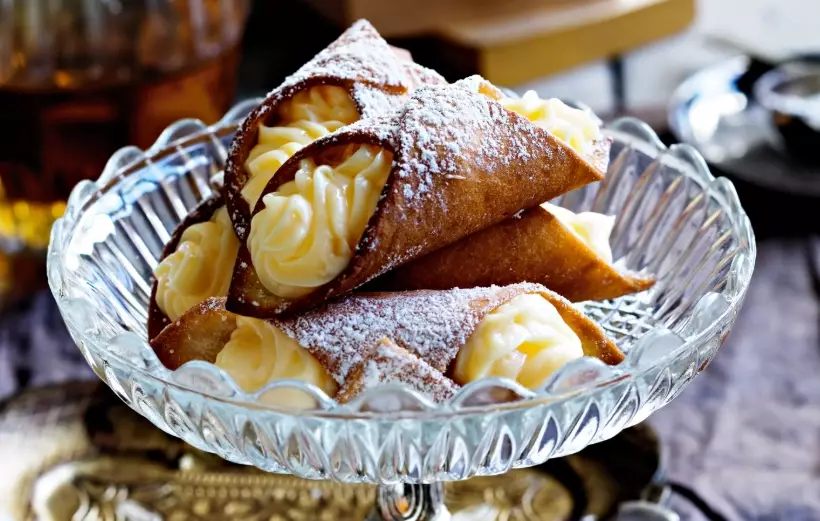
Torta della Nonna (Grandma's Cake)
From Tuscany, this is the ultimate comfort cake. A simple, buttery shortcrust pastry (pasta frolla) filled with a rich, lemon-zested pastry cream, topped with pine nuts and a dusting of powdered sugar. It's not overly sweet, and the combination of creamy filling, crumbly crust, and toasty pine nuts is heavenly. It truly tastes like something a nonna would make.
Sfogliatella (from Naples)
This is a pastry lover's dream and a baker's challenge. There are two main types: sfogliatella riccia (curly), with countless paper-thin, crispy layers that resemble a seashell or lobster tail, and sfogliatella frolla, which uses a smoother, shortcrust dough. The filling is typically a sweetened semolina ricotta mixture, often flavored with orange and cinnamon. Making the riccia version at home is a labor of love involving laminated dough, but finding a good bakery that makes them fresh is a must-do culinary experience. The Italian National Tourist Board often highlights pastries like this as key regional attractions.
Panettone & Pandoro: The Christmas Giants
The holiday rivalry. Panettone (from Milan) is a tall, domed sweet bread studded with raisins and candied citrus. Pandoro (from Verona) is a golden, star-shaped bread dusted with vanilla-scented powdered sugar, with no fruit inside. Both are yeasted wonders that take days to make properly, involving multiple proofs to achieve their incredibly light, airy texture. Most home bakers buy these from specialists, but attempting one is a proud baking badge of honor. The key is patience—lots of it.
The Art of Italian Gelato & Sorbetto
Calling it "ice cream" doesn't do it justice. Gelato has less butterfat than American ice cream and less air churned into it (a lower overrun), making it denser and more intensely flavored. A great pistachio gelato should taste overwhelmingly of pistachios, not just be a pale green cream.
Making it at home without a professional machine is tough, but a good home ice cream maker can get you close. The base is usually a custard (egg yolks, milk, sugar, cream) that's cooked gently and then chilled thoroughly before churning. For sorbetto (sorbet), it's simply fruit puree, sugar, and water. The trick here is getting the sugar syrup right—too much and it won't freeze properly, too little and it becomes an ice block.
Why does fruit sorbetto in Italy taste so bright and clean? They often use the bare minimum of sugar needed to balance the fruit's acidity, letting the natural flavor sing. A lemon sorbet (sorbetto al limone) after a rich meal is a revelation.
Essential Techniques & Ingredients for Success
You can have the best Italian desserts recipes on paper, but without the right approach, they'll fall flat. Here’s what really matters.
Quality is Non-Negotiable (But Not Always Expensive)
This is the core of Italian cooking. Use the best ingredients you can find and afford.
For ricotta: Seek out fresh, whole-milk ricotta if possible. The grainy, watery stuff in tubs won't make a smooth cannoli filling.
For nuts: Toast them. Always. Toasting pine nuts, almonds, or hazelnuts unlocks their oils and deepens their flavor exponentially.
For citrus: Use real zest. That little yellow part of the lemon or orange peel holds a powerhouse of aroma that extract can't match.
Mastering the Pasta Frolla (Italian Shortcrust)
This is the dough for crostata (jam tarts), Torta della Nonna, and many cookie bases. The classic ratio is 3:2:1 (flour:fat:sugar). The key is to work the dough just enough to bring it together, but not so much that the gluten develops and makes it tough. Many recipes use a combination of butter and an egg yolk for richness. Chill it well before rolling.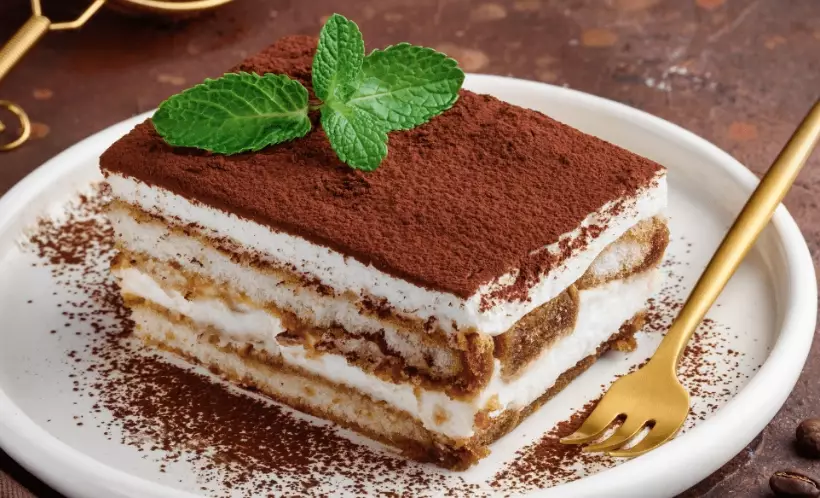
Understanding Gelatin
As my panna cotta disaster taught me, gelatin is a friend that demands respect. Bloom it. Dissolve it completely over low heat. Never let it boil violently. Strain your mixture. Follow these steps, and you'll have a perfect, silky set every time.
Answering Your Italian Dessert Questions (FAQ)
Bringing It All Home
So, where do you start with the best Italian desserts recipes? Don't try to make sfogliatella on day one. Begin with something like panna cotta or a simple crostata (a free-form jam tart with pasta frolla). Get a feel for the ingredients and the rhythms. Then maybe tackle tiramisu. Celebrate your successes, laugh at the flops (we all have them), and taste as you go.
The goal isn't perfection on the first try. It's about connecting with a way of eating that finds joy in quality, simplicity, and sharing. Whether it's a bowl of freshly churned strawberry gelato on a hot day or a slice of Torta della Nonna with an afternoon coffee, these desserts are meant to be part of life, not just the end of a meal.
What are you waiting for? Pick a recipe, grab some good ingredients, and start your own sweet adventure. You might just find your new favorite thing to make.
Related Articles
Irresistible Italian Christmas Desserts: Recipes & Traditions
Best Italian Salads You Can Actually Make at Home
Traditional Italian Bread Recipes: Authentic Methods & Expert Tips
Traditional Southern Italian Recipes: Authentic Dishes & Secrets

The reason for the surge in A-shares has been found! The Shanghai Composite Inde