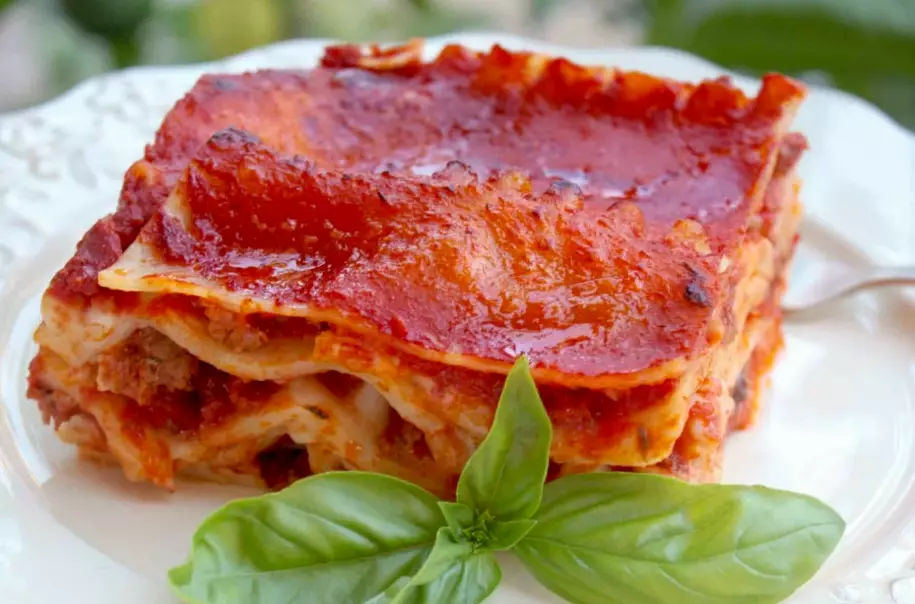
Traditional Italian Dishes Recipes: Cook the Classics Like Nonna
Quick Navigation
- The Foundation: Ingredients You Can't Compromise On
- Pasta: The National Treasure (And How to Cook It Right)
- Top 5 Classic Traditional Italian Dishes Recipes to Master First
- Regional Spotlight: Italy's Culinary Map on Your Plate
- Answering Your Italian Cooking Questions (The FAQ)
- Beyond the Recipe: The Italian Approach to a Meal
- Let's Get Cooking: A Simple, Fail-Safe Weeknight Recipe
Let's be honest, we've all had that moment. You're in a restaurant, you take a bite of a truly amazing pasta or a risotto that's just... perfect. Creamy but not heavy, flavorful but not overpowering. And you think, "I wish I could make this at home." Then you look up a recipe online and get hit with a wall of text, confusing instructions, and ingredients you've never heard of. It feels like you need a degree from a culinary school in Bologna just to get started.
I get it. I was there too. My first attempt at a proper traditional Italian dishes recipe was a carbonara disaster. Let's not talk about the scrambled eggs with pasta. But after spending time in Italy, talking to friends' nonnas (grandmothers), and a lot of trial and error, I realized something. Authentic Italian cooking isn't about fancy techniques or a hundred ingredients. It's about simplicity, quality, and a handful of rules you shouldn't break. It's about understanding the why behind the what.
So, consider this your friendly guide. We're not just listing recipes. We're going to dig into the real deal—the classics you find in homes from Sicily to Lombardy. We'll talk about the ingredients that matter (and where you can skimp a little), the common mistakes everyone makes (I've made them all), and how to adjust these traditional Italian dishes recipes to work in your kitchen, with your stove.
The Heart of the Matter: What makes a recipe "traditional"? In Italy, it's often tied to a specific town, region, or family. It's a dish that has been passed down, not invented for a restaurant menu. The goal here is to capture that home-cooked spirit, not a Michelin-starred reinterpretation.
The Foundation: Ingredients You Can't Compromise On
You can have the best technique in the world, but if you start with poor ingredients, your dish will taste... off. Italian cooking is brutally honest that way. The flavor of the ingredient is the star. Here are the non-negotiables.
Olive Oil, Cheese, and Tomatoes
Extra virgin olive oil. Don't buy the giant, cheap bottle for frying. Get a smaller, darker bottle of a decent extra virgin for finishing dishes, for dressings, for where you'll actually taste it. The flavor difference is night and day. For a reliable overview of olive oil grades and uses, the International Olive Council is a great resource, though remember they represent producers.
Cheese. Parmesan is Parmigiano-Reggiano. It comes from a specific area in Italy and has a hard, granular texture and a complex, nutty flavor. The pre-grated stuff in a shaker has anti-caking agents that ruin the texture and mute the taste. Buy a block and grate it yourself. It's worth every penny. For the real deal, you can check the official Consorzio del Formaggio Parmigiano-Reggiano website to understand its protected origin.
San Marzano tomatoes. For sauces, this is the gold standard. They're plum tomatoes grown in the volcanic soil near Mount Vesuvius. They're sweeter, less acidic, and have fewer seeds. A can of good San Marzanos will make your tomato sauce taste like it's from another planet compared to generic "Italian-style" tomatoes. Look for "DOP" on the label.
A Quick Tip: Can't find San Marzanos? A good alternative is any whole, peeled plum tomato from Italy. Taste a few brands to find one you like. Sometimes the cheaper store-brand Italian tomatoes are better than a fancy brand that adds basil or citric acid.
Pasta: The National Treasure (And How to Cook It Right)
This is where most people go wrong. Cooking pasta seems simple, but there are tiny details that separate okay pasta from great pasta. Let's clear up the myths first.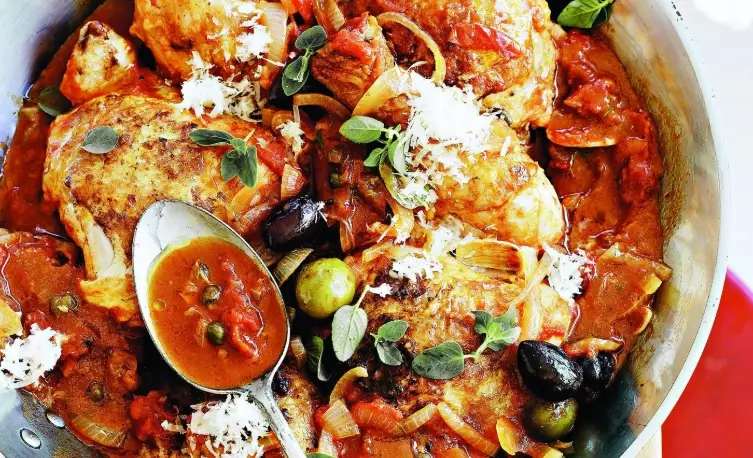
Myth 1: You need a huge pot of water. True, you need enough water for the pasta to move freely (about 4-5 quarts for a pound of pasta). Crowding it makes it gummy.
Myth 2: Add oil to the water to prevent sticking. Please, don't. It just makes the pasta slippery so the sauce won't stick to it later. The key to preventing stickiness is using enough water and stirring during the first minute of cooking.
Myth 3: Rinse the pasta after draining. Absolute blasphemy! You rinse away the starch that helps the sauce cling to every strand.
The real secret? Salt the water like the sea. I mean it. The water should taste salty, like mild seawater. This is the only chance you get to season the pasta itself from the inside out. Undersalted pasta water is one of the most common reasons homemade pasta tastes bland.
And here's the pro move: reserve a cup of the starchy pasta water before you drain. This liquid gold is the magic binder for your sauces, helping them emulsify and coat the pasta beautifully.
Top 5 Classic Traditional Italian Dishes Recipes to Master First
Let's get practical. These five dishes are pillars. Master them, and you'll have the confidence to tackle almost anything. They're also the most searched-for traditional Italian dishes recipes for a reason—they're beloved, versatile, and represent different corners of Italian cuisine.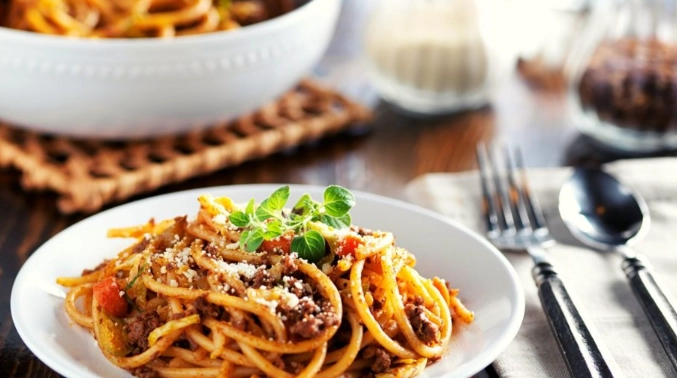
Spaghetti alla Carbonara (Rome)
The king of pasta dishes and my personal favorite. It's also the most butchered recipe outside of Italy. No cream. Ever. I repeat, no cream. The sauce is made from eggs, Pecorino Romano cheese, black pepper, and the rendered fat from guanciale (cured pork cheek). Pancetta is an acceptable substitute if you can't find guanciale, but the flavor is different—guanciale is richer and more funky.
The trick is all in the temperature. You toss the hot pasta with the raw egg and cheese mixture off the heat. The residual heat cooks the eggs into a silky, creamy sauce without scrambling them. If your pan is too hot, you get scrambled eggs. Too cold, and the sauce is raw and runny. It's a dance, but once you get it, it's pure magic. The official tourism site for Rome, Turismo Roma, often features cultural pieces on food like carbonara, emphasizing its roots as a hearty, working-class meal.
Watch Out: The biggest mistake is adding the eggs while the pasta is still on the burner. Always take the pot off the heat first. Let it cool for just 30 seconds if you're nervous.
Risotto alla Milanese (Milan)
Risotto scares people. It shouldn't. It's not hard, it just requires attention. You can't walk away from it. Arborio or Carnaroli rice, toasted in butter, then slowly cooked by adding warm broth one ladle at a time, stirring almost constantly. The slow addition of liquid coaxes the starch out of the rice, creating its own creamy sauce. The Milanese version is infused with saffron, giving it a glorious golden color and a unique, earthy aroma.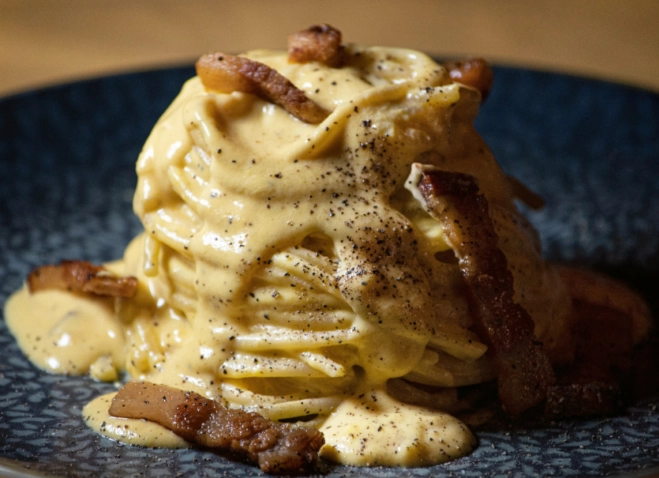
Is it tedious? A bit. But it's also meditative. And the payoff—a creamy, al dente rice where each grain is distinct yet bound in a velvety sauce—is unbelievable. Don't use cold broth; it shocks the rice and stops the cooking process. Keep a pot of simmering broth next to you.
Osso Buco alla Milanese (Milan)
A magnificent braised veal shank dish. "Osso buco" means "bone with a hole," referring to the marrow-filled shank bone. It's browned, then slowly simmered with vegetables, white wine, and broth until the meat is fall-apart tender. The traditional garnish is a gremolata—a bright mix of lemon zest, garlic, and parsley—sprinkled on top at the end to cut through the richness.
This is a Sunday dinner dish. It takes time, but most of it is hands-off braising time in the oven. The real prize? The marrow in the bone. Spread it on a piece of crusty bread. It's the cook's treat and one of the most decadent things you'll ever eat.
Pizza Margherita (Naples)
Forget everything you know about thick-crust, overloaded pizza. A true Neapolitan Margherita is an exercise in minimalism and perfect execution. A thin, chewy, slightly charred crust (from a very hot oven), topped with San Marzano tomato sauce, fresh mozzarella (fior di latte or buffalo), fresh basil, and a drizzle of olive oil. That's it. The colors represent the Italian flag: red, white, and green.
Home ovens can't reach the 900°F of a wood-fired pizza oven, but you can get close. Use a pizza stone or steel, preheat your oven as high as it goes (often 500-550°F) for at least an hour, and use the broiler for the last minute to get some char. The key is a wet, high-hydration dough that's been fermented slowly in the fridge for at least 24 hours for flavor development.
Tiramisu (Veneto)
"Pick me up." That's what tiramisu means. Layers of coffee-soaked ladyfingers (savoiardi) and a luxurious cream made from mascarpone cheese, eggs, and sugar. No cream, no gelatin. The original recipe uses raw eggs, which freaks some people out. You can use pasteurized eggs for safety, or gently heat the egg yolk and sugar mixture over a double boiler until safe (about 160°F), then whip it until cool and thick.
The quality of the coffee matters. Use strong, freshly brewed espresso or very strong coffee, cooled. And a dusting of unsweetened cocoa powder on top is mandatory. Let it chill in the fridge for at least 6 hours, preferably overnight. The waiting is the hardest part.
"In Italy, a recipe is more like a story with suggested measurements. Your nonna would say 'a handful of this, until it looks right.' The real skill is learning to see, smell, and taste when it 'looks right.'"
Regional Spotlight: Italy's Culinary Map on Your Plate
Italy was unified as a country fairly recently. For centuries, it was a collection of city-states and regions, each with its own dialect, culture, and food. This history is why Italian cuisine is so hyper-regional. Knowing the region helps you understand the dish.
| Region | Signature Style & Ingredients | A Classic Dish to Try |
|---|---|---|
| Emilia-Romagna | The "food valley" of Italy. Home of Parmigiano-Reggiano, Prosciutto di Parma, balsamic vinegar, and fresh egg pasta. | Tagliatelle al Ragù (the true "Bolognese") |
| Campania (Naples) | Sun-drenched flavors. San Marzano tomatoes, buffalo mozzarella, seafood, and of course, pizza. | Spaghetti alle Vongole (with clams) |
| Sicily | Arab, Greek, and Spanish influences. Eggplant, almonds, citrus, sardines, and spices like saffron. | Pasta alla Norma (with eggplant & ricotta salata) |
| Tuscany | Rustic, peasant cuisine. Beans, bread, grilled meats, and robust olive oil. They famously use little salt in their bread. | Ribollita (a hearty bread & vegetable soup) |
| Lombardy (Milan) | Rich, butter-based cooking (less olive oil), risotto, polenta, and hearty meats. | Osso Buco with Risotto alla Milanese (the classic pairing) |
See how different they are? A Tuscan would rarely put butter in a pasta sauce, while a Milanese cook might use it as the base. When you're looking for traditional Italian dishes recipes, noting the region helps you find the most authentic version.
Answering Your Italian Cooking Questions (The FAQ)
I get asked these questions all the time. Let's tackle them head-on.
Q: What's the difference between 'al dente' and just undercooked pasta?
Great question. Al dente means "to the tooth." When you bite it, there's a slight resistance in the center—a tiny, firm core. It's cooked through but not soft or mushy. Undercooked pasta is chalky and hard in the middle. Al dente pasta has texture and body, and it holds up to the sauce better. It's also lower on the glycemic index, for what that's worth.
Q: Can I substitute dried herbs for fresh in Italian recipes?
Sometimes, but not always. Dried herbs are more potent and are best added during cooking so their flavor infuses. Fresh herbs are usually added at the end for a burst of aroma. For something like basil in a pesto or sprinkled on a Margherita pizza, fresh is non-negotiable. For oregano in a long-simmered ragù, dried is actually more traditional. Rule of thumb: 1 teaspoon dried ≈ 1 tablespoon fresh.
Q: Why does my homemade tomato sauce taste acidic?
A few reasons. You might be using the wrong tomatoes (generic tomatoes can be very acidic). Try San Marzanos. You might not be cooking it long enough—a quick 20-minute sauce will be brighter and more acidic than one simmered for an hour or two, where the sugars caramelize and mellow out. Finally, a tiny pinch of sugar is not cheating. Italians sometimes add a small piece of carrot to the sauce while it simmers, which adds natural sweetness to balance acidity without making it sweet.
Q: Is it okay to mix seafood and cheese in pasta?
In most of Italy, this is a big no-no. The strong flavor of cheese (especially Parmesan) is thought to overpower the delicate taste of seafood. You won't find Parmigiano on a plate of spaghetti alle vongole in Rome. However, there are always exceptions in regional cooking. Some recipes from the south might use a sprinkle of Pecorino. But as a general rule for classic recipes, keep them separate.
My friend's nonna in Bologna once told me, "If you are afraid of the salt, you will be afraid of the flavor." It took me years to truly understand what she meant.
Beyond the Recipe: The Italian Approach to a Meal
It's not just about individual dishes. There's a structure, a rhythm to an Italian meal that makes the experience. You don't just eat a giant bowl of pasta and call it a day (though, some lazy Sundays, I totally do).
A traditional full meal might look like this:
- Antipasti: Appetizers. Simple things like olives, cured meats (salumi), marinated vegetables, bruschetta. It's to whet the appetite.
- Primo: First course. This is the starch—pasta, risotto, soup, or polenta. Portions are moderate, not the massive bowls we're used to.
- Secondo: Main course. Meat or fish, usually simply prepared—grilled, roasted, or braised. Often served with a contorno (side dish) like a salad or cooked vegetables.
- Dolce: Dessert. Fruit, cheese, or a sweet like tiramisu.
At home, you might just have a primo and a secondo with a contorno. Or just a hearty primo. The point is, you don't pile everything on one plate. You enjoy each component separately. It changes how you taste the food.
So, when you're planning a dinner using these traditional Italian dishes recipes, think about balance. A rich, creamy risotto might be followed by a simple grilled chicken and a green salad. A light seafood pasta could come after a more substantial meat appetizer.
Let's Get Cooking: A Simple, Fail-Safe Weeknight Recipe
All this talk is making me hungry. Let's end with a dead-easy, incredibly satisfying recipe that embodies the principles we've talked about. This is my go-to when I want something real, fast.
Spaghetti Aglio e Olio (Spaghetti with Garlic and Oil)
It has five ingredients. It takes 15 minutes. And if you do it right, it will blow your mind with how much flavor it has.
- Cook your spaghetti in well-salted water until al dente. Remember to save a cup of that pasta water.
- While the pasta cooks, gently heat a generous 1/3 cup of good extra virgin olive oil in a large pan over medium-low heat. Add 4-5 thinly sliced cloves of garlic and a big pinch of red pepper flakes. Cook slowly until the garlic is just starting to turn golden and fragrant. Do not let it burn or it will turn bitter. This is the only tricky part.
- When the pasta is done, drain it (don't rinse!) and add it directly to the pan with the oil and garlic.
- Toss everything together, adding a big splash of the reserved pasta water. The starch in the water will help the oil emulsify into a silky sauce that coats the pasta. Toss vigorously for a minute or two until it looks creamy.
- Off the heat, toss in a handful of chopped fresh parsley. Serve immediately, maybe with a little more oil on top.
That's it.
No cheese on this one—it's not traditional. The beauty is in the purity of the garlic and oil. It's the ultimate pantry pasta and a perfect example of how Italian cooking turns a few humble ingredients into something greater than the sum of its parts. It's also a fantastic base—you can add sautéed shrimp, broccoli, or breadcrumbs toasted in olive oil.
The journey into traditional Italian dishes recipes is endless. There are hundreds of pastas, regional specialties, and family variations. But it starts with respecting the ingredients, understanding a few core techniques, and most importantly, cooking with a bit of joy and without fear. Don't stress about perfection. Even in Italy, every nonna's ragù is a little different. Find your own version of "right." Now, go salt your water, and get cooking.
Related Articles

Breaking through 1.2 billion kilowatts, China has achieved its commitment to win
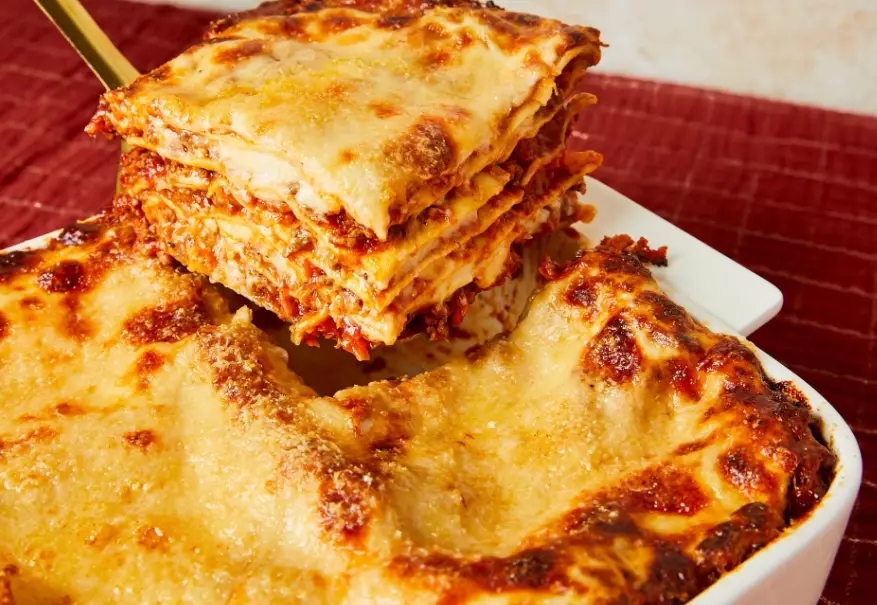
Authentic Italian Lasagna Recipe: The Ultimate Guide to Homemade Perfection
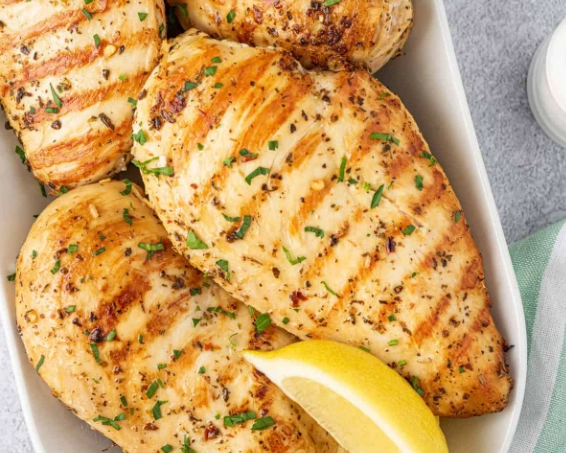
Authentic Italian Chicken Breast Recipes: Fast, Healthy & Flavorful Dinners
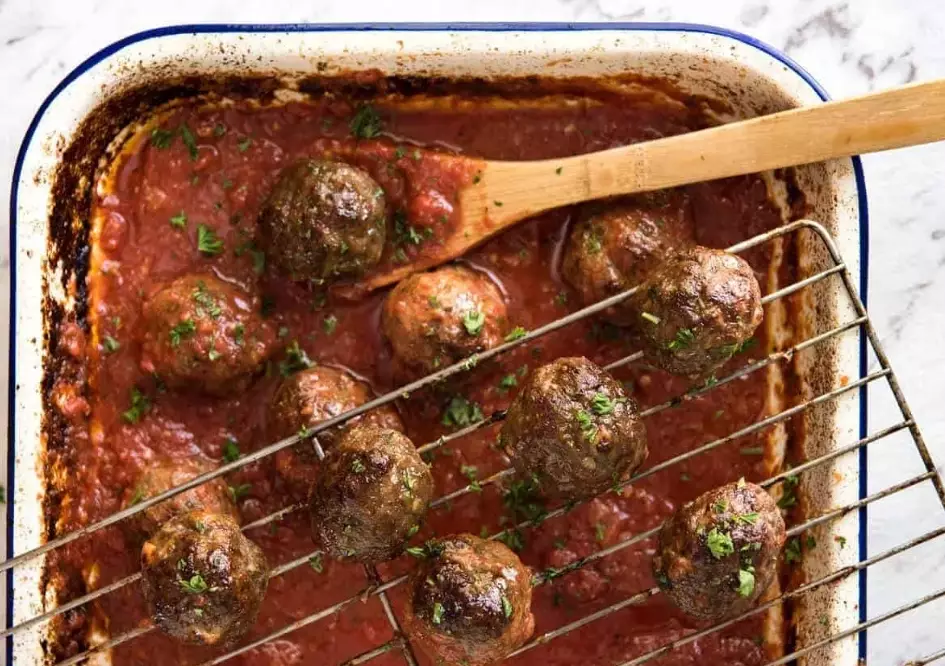
Ultimate Baked Italian Meatballs Recipe: Juicy, Tender & Flavorful
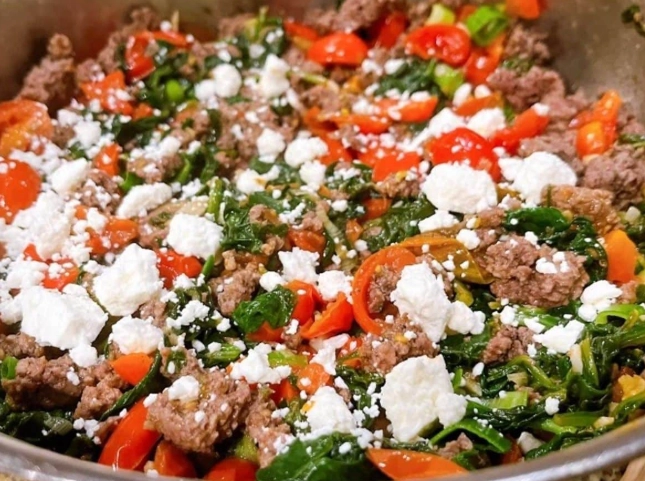
Ultimate Guide to Italian Baked Ground Beef Recipes