How to Make Italian Bruschetta Toppings: A Complete Guide from Classic to Creative
Quick Navigation
Let's be honest. The first time I had real Italian bruschetta, it wasn't in Italy. It was at a friend's backyard party, and it was a soggy, bland disappointment on a slice of baguette that tasted more like cardboard than bread. The tomatoes were pale, the basil was wilted, and the whole thing just sat there, forgotten on the platter. It made me wonder—how do you make Italian bruschetta toppings that people actually fight over?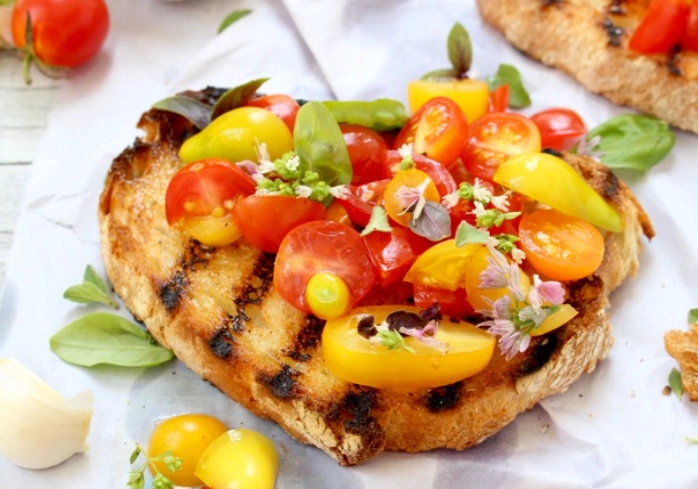
That question sent me down a rabbit hole. I talked to Italian friends, pestered chefs, and made more than a few terrible batches myself (lesson learned: never use watery winter tomatoes). What I found is that learning how to make Italian bruschetta toppings isn't just about following a recipe. It's about understanding a few simple principles that turn basic ingredients into something magical. It's the difference between a forgettable appetizer and the star of the table.
This guide is everything I wish I knew back then. We're going beyond the basic tomato and basil (though we'll master that too). We'll talk about the bread, the garlic rub, the oil, and then a whole world of toppings you probably haven't tried. Think creamy cannellini bean, roasted mushroom with thyme, even a spicy ‘nduja spread. By the end, you'll have the confidence to make Italian bruschetta toppings that are authentically delicious, every single time.
The Foundation: It All Starts with the Bread
Most people get this wrong. They grab any old sliced bread or a skinny baguette. Big mistake. The bread isn't just a vehicle; it's a crucial part of the experience. A proper bruschetta base should be sturdy enough to hold juicy toppings without collapsing, have a satisfying crunch, and a flavor that complements what's on top.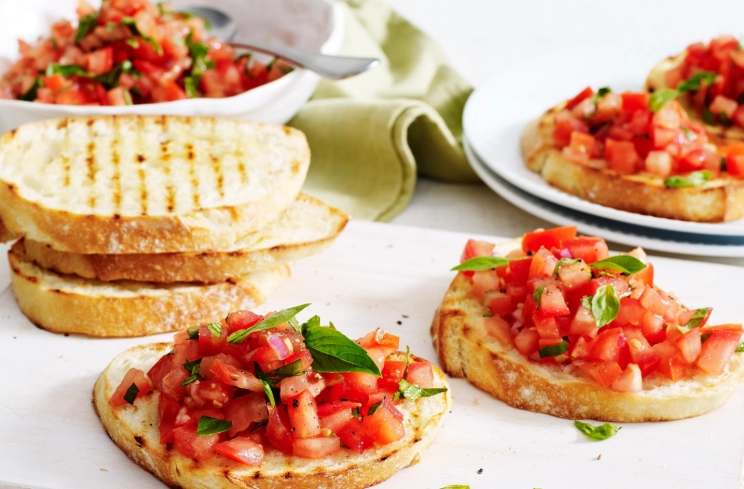
The golden rule: Use a rustic, country-style loaf.
A wide, round loaf of Pugliese or Ciabatta is perfect. You want an open crumb (those big air pockets inside) and a thick, sturdy crust. Avoid pre-sliced sandwich bread or anything too soft or sweet. The bread needs character.
Cutting and Toasting: The Make-or-Break Steps
Slice the bread about 3/4-inch to 1-inch thick. Thinner slices will burn or become too hard; thicker ones are awkward to eat. Cut on a slight angle to get a nice, wide surface area.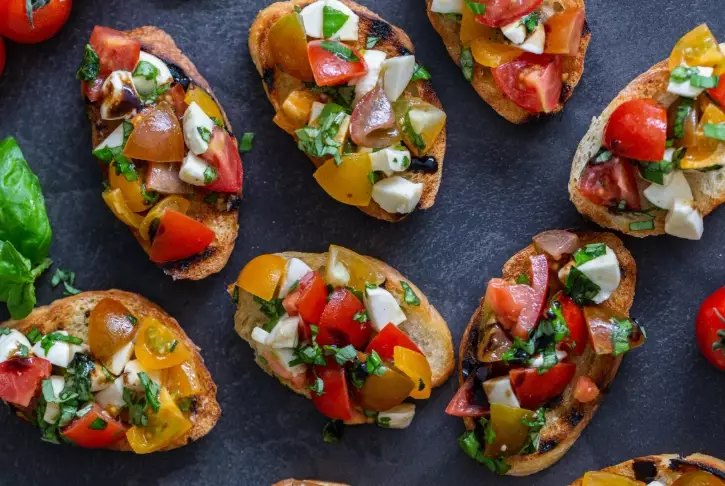
Now, for toasting. The goal is a deep golden brown with distinct grill marks or a toasty surface, not a pale, warm piece of bread. You have options:
- Grill/Broiler: This is the classic method and my personal favorite. A charcoal grill gives a smoky flavor that's incredible, but a gas grill or even your oven's broiler works great. Brush the slices lightly with olive oil first. Grill for 1-2 minutes per side until you see good char marks. Watch it like a hawk—it burns fast.
- Grill Pan: The best indoor option. Get the pan screaming hot, brush the bread with oil, and press it down. You get those beautiful char lines.
- Oven: Lay the oiled slices on a baking sheet in a 400°F (200°C) oven for 5-8 minutes per side. It's more even but lacks the smoky char.
I've tried the toaster in a pinch. Don't. It dries the bread out completely and often burns the edges. The texture is all wrong.
The Infamous Garlic Rub
This is a non-negotiable step for classic bruschetta. As soon as the hot bread comes off the grill, take a peeled, raw clove of garlic and rub it vigorously over the rough, toasted surface. The heat and abrasion release the garlic's oils, creating a subtle, fragrant layer of flavor. You don't get chunks of garlic, just its essence.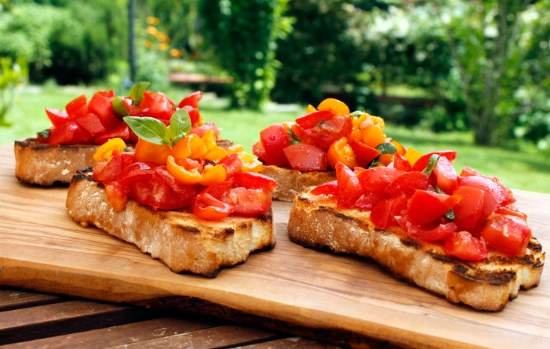
Now, drizzle that warm, garlic-rubbed bread with your best extra-virgin olive oil. Use a good one—this is where its flavor shines. A fruity, peppery oil makes all the difference. The bread should glisten but not swim. This prepared base, often called "fettunta," is your blank canvas. Now we get to the fun part: learning how to make Italian bruschetta toppings that will cover it.
The Classic: Tomato & Basil Bruschetta (Bruschetta al Pomodoro)
This is the one everyone thinks of. It seems simple, which is why it's so often done poorly. Done right, it's a celebration of summer. The key is treating each ingredient with respect.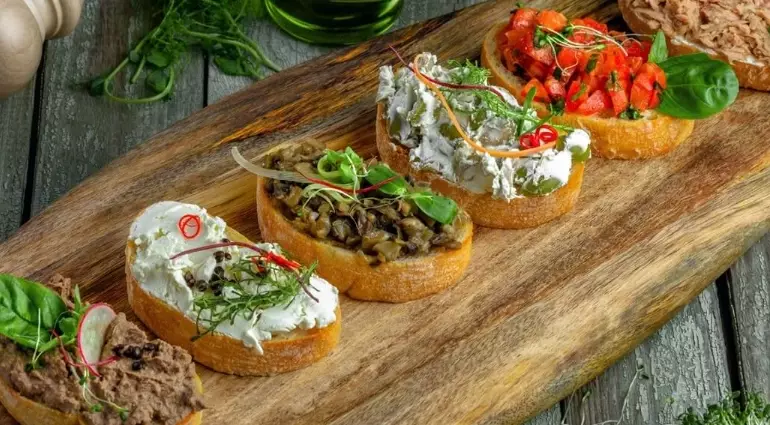
Choosing and Prepping Your Tomatoes
Forget the hard, refrigerated tomatoes you find year-round. You need ripe, in-season tomatoes with real flavor. Roma (plum) tomatoes are great because they're fleshy with fewer seeds, but any ripe, juicy tomato works—heirlooms, beefsteaks, cherry tomatoes halved.
Here's the contentious part: to seed or not to seed? Many chefs insist on seeding tomatoes to avoid a soggy topping. I do it for a dinner party where presentation matters. But honestly, on a lazy Sunday, I often don't. The seeds and gel have flavor. If your tomatoes are super juicy, give them a gentle squeeze over the sink after dicing. The goal is to avoid a puddle at the bottom of your bowl.
Dice them into small, bite-sized pieces. Not too fine, or they turn into mush.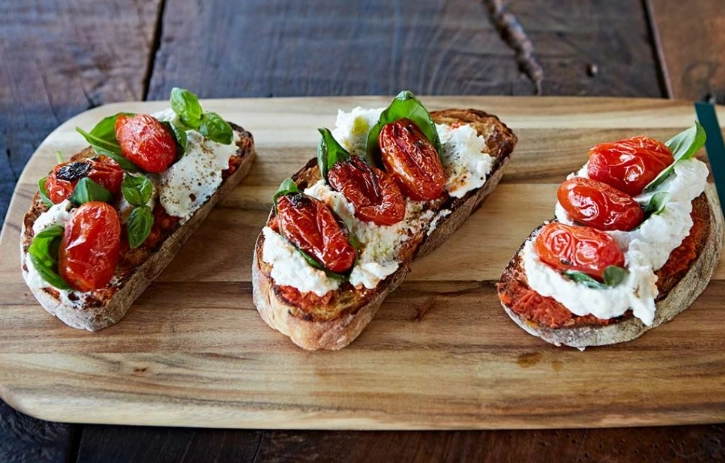
The Supporting Cast
- Basil: Tear it by hand. Never chop it with a knife until the last second, and even then, tear it. Chopping bruises the leaves and turns the edges black. You want those vibrant green pieces.
- Garlic: If you already rubbed the bread, you only need a tiny hint in the topping, if any. One small clove, minced super fine or even grated, is plenty for a bowl of tomatoes.
- Seasoning: Sea salt and freshly cracked black pepper. Salt draws out the tomatoes' juices, creating a delicious dressing in the bowl. Let the mixture sit for 10-15 minutes before serving to let the flavors marry.
- Olive Oil & Acid: A generous glug of extra-virgin olive oil is a must. A tiny drizzle of balsamic vinegar or glaze can be nice, but it's not traditional in the most classic version. I prefer a drop of good red wine vinegar sometimes for brightness.
So, how to make Italian bruschetta toppings for the classic version? Combine diced tomatoes, torn basil, a whisper of garlic, salt, pepper, and oil. Let it sit. Spoon it generously onto your prepared bread right before serving. That's it. The simplicity is the point.
The best tomato bruschetta I ever had was in a tiny trattoria in Rome. The bread was charred from the wood fire, the tomatoes were warm from the sun, and the oil was so green and peppery it made me cough. They didn't complicate it. They just used perfect ingredients.
Beyond Tomato: A World of Topping Ideas
Once you master the classic, a whole universe opens up. In Italy, "bruschetta" refers to the grilled, oiled bread. The topping can be almost anything. This is where you can get creative. Here are some fantastic categories and ideas.
Vegetable & Bean Based Toppings
These are hearty, often creamy, and packed with flavor.
- Cannellini Bean & Rosemary: Mash cooked cannellini beans with roasted garlic, a lot of good olive oil, fresh rosemary, salt, and pepper. It's creamy, savory, and satisfying. A sprinkle of chili flakes on top is amazing.
- Roasted Mushroom & Thyme: Sauté or roast mixed mushrooms (cremini, shiitake) with shallots, garlic, and fresh thyme until caramelized. Pile them high on the bread and finish with a shaving of Parmesan.
- Grilled Zucchini & Mint: Thinly slice zucchini lengthwise, grill until tender, then chop and mix with lemon zest, chopped mint, toasted pine nuts, and ricotta salata cheese.
Cheese & Cured Meat Toppings
For when you want something richer and more decadent.
- Fresh Ricotta & Honey: Spread a thick layer of high-quality, creamy ricotta on the warm bread. Drizzle with wildflower honey, a crack of black pepper, and maybe a few toasted walnuts. Sounds simple, tastes incredible.
- ‘Nduja & Burrata: ‘Nduja is a spicy, spreadable Calabrian pork salumi. Spread a thin layer on the warm bread—it will melt slightly. Top with a dollop of fresh, cool burrata cheese and a basil leaf. The contrast is unreal.
- Gorgonzola Dulce & Pear: Spread soft Gorgonzola Dolce (the sweet, mild kind) on the bread. Top with very thin slices of ripe pear and a drizzle of aged balsamic glaze. Sweet, salty, tangy perfection.
See? Learning how to make Italian bruschetta toppings is really about understanding combinations. It's a formula: Sturdy Bread + Flavorful Spread/Base + Fresh/Textural Element + Herb/Garnish.
Your Bruschetta Topping Idea Table
To make choosing easier, here's a quick-reference table with some of my favorite combinations. Think of this as your inspiration board.
| Topping Name | Main Ingredients | Flavor Profile | Prep Tip |
|---|---|---|---|
| Classic Pomodoro | Diced ripe tomatoes, basil, garlic, EVOO | Fresh, juicy, summery | Let tomato mix sit 15 mins before serving. |
| Tuscan White Bean | Cannellini beans, roasted garlic, rosemary, lemon zest | Creamy, savory, earthy | Mash beans roughly for texture. |
| Funghi Trifolati | Mixed mushrooms, garlic, parsley, white wine | Earthy, umami-rich, woodsy | Cook mushrooms until all liquid evaporates. |
| Spicy ‘Nduja Burrata | ‘Nduja (spicy salumi), fresh burrata, basil | Spicy, creamy, indulgent | Let burrata come to room temp. |
| Lemony Artichoke | Marinated artichoke hearts, parsley, Parmigiano, lemon | Tangy, briny, bright | Chop artichokes finely for easy eating. |
| Ricotta & Spring Pea | Fresh ricotta, blanched peas, mint, lemon, prosciutto | Fresh, creamy, slightly sweet | Lightly smash some peas for the spread. |
Answering Your Bruschetta Questions (FAQs)
Pro Tips & Common Pitfalls to Avoid
Let's wrap this up with some hard-earned wisdom. These are the little things that elevate your bruschetta from good to "can I have the recipe?"
- Season Aggressively: Underseasoned food is bland food. Taste your topping before it goes on the bread. Does it need more salt? A squeeze of lemon? Don't be shy.
- Temperature Contrast is Key: This is a pro move. If your topping is room temperature or cool (like tomato salad), make sure the bread is still warm from the grill. That contrast in temperature makes the flavors pop. If your topping is warm (like sautéed mushrooms), the bread can be at room temp.
- Texture, Texture, Texture: Add crunch. A sprinkle of toasted pine nuts, breadcrumbs, or even a few coarse grains of sea salt (like Maldon) on top after assembling adds a wonderful textural contrast.
- Don't Skimp on Quality: With so few ingredients, each one matters. Use the best tomatoes, basil, oil, and bread you can find and afford. It's the whole point.
- Keep it Simple: You don't need ten ingredients. Two or three fantastic ones, treated well, will always beat a complicated mess. The essence of how to make Italian bruschetta toppings is simplicity.
Remember, in Italy, this is casual, rustic food. It's meant to be shared, eaten with your hands, and enjoyed with good company. Don't stress over making every piece perfect. A little messiness is part of the charm.
Finally, a note on ingredients. For truly authentic flavors, seeking out Italian products can help. Resources like the official Qualivita Foundation site can help you learn about protected designation (PDO) ingredients like specific olive oils or balsamic vinegars. And if you're ever unsure about food safety with things like cured meats or cheeses, always refer to official sources like the USDA Food Safety guidelines.
So there you have it. You don't need to be a chef to learn how to make Italian bruschetta toppings that are unforgettable. You just need good ingredients, a hot grill, and the willingness to keep it simple. Start with the classic tomato. Master it. Then start playing with beans, cheeses, and whatever looks good at the market.
Now go forth and bruschetta. And please, for the love of all that is holy, give that bread a proper char.
Related Articles
Authentic Italian Dinner Recipes from Regional Cuisines
Ultimate Guide to Classic Italian Dessert Recipes from Tiramisu to Cannoli
Authentic Italian Drunken Noodles Recipe (Pasta alla Ubriaca)
Authentic Ricotta Lasagna Recipe: Creamy Layers & Pro Tips
Italian Baked Dishes Recipes: From Classic Lasagna to Rustic Focaccia