How to Cook Chicken Breasts So They Are Very Tender: A Foolproof Guide
Quick Guide
Let's be honest for a second. We've all been there. You follow a recipe to the letter, you're excited for a healthy, protein-packed dinner, and then you slice into it. Instead of juicy, succulent flakes, you get a piece of chalk. A dry, stringy, disappointing piece of chalk that makes you want to order pizza. It's the single biggest complaint about chicken breast, and it's why so many people search for the holy grail: how to cook chicken breasts so they are very tender.
I ruined more chicken breasts than I care to admit in my early cooking days. I'd blast them in a scorching pan, cut into them immediately, and watch all the juices run out onto the cutting board, leaving behind a sad, fibrous lump. It was frustrating. But here's the good news: achieving tender, juicy chicken breast isn't magic or luck. It's a series of very simple, almost foolproof steps that address the why behind the dryness. This isn't just one recipe; it's a fundamental guide to changing how you think about cooking this cut of meat forever.
Chicken breast is lean. Really lean. Unlike thighs or legs, it has very little intramuscular fat to self-baste as it cooks. That's its blessing (healthy!) and its curse (easy to overcook). The proteins in the meat tighten and squeeze out moisture when exposed to high heat. Go past the sweet spot, and you've crossed the Rubicon into Dryland. There's no coming back. So the entire mission is to either add moisture, protect the meat from intense heat, or cook it so precisely you stop right at the perfect moment. Often, you'll do all three.
The Four Pillars of Tender Chicken Breast
Think of these as non-negotiable principles. Skip one, and you're risking dryness. Master all four, and you'll have a 99% success rate.
Pillar One: The Pre-Game (Brining, Marinating, and Pounding)
This is where the battle for juiciness is often won before the heat even touches the pan. You're setting the stage.
Wet Brining: This is my personal favorite hack for guaranteed juiciness. Soaking chicken in a saltwater solution (about 1 tablespoon of kosher salt per cup of water) for 30 minutes to a few hours works wonders. The salt alters the protein structure, allowing the muscle fibers to retain more water during cooking. It's like giving the chicken little water balloons inside. The result? Seasoned meat that stays incredibly moist. Some people find it a bit of a fuss, but for a special dinner or meal prep, it's unbeatable.
Dry Brining (Salting in Advance): Less messy than wet brining. Simply salt your chicken breasts generously and let them sit on a rack in the fridge, uncovered, for at least 45 minutes or up to 24 hours. The salt draws out moisture, dissolves, and then is re-absorbed, carrying seasoning deep into the meat and improving moisture retention. It also dries the surface, which leads to a much better sear.
Marinating with Acids (Carefully!): Marinades with yogurt, buttermilk, or a little vinegar/lemon juice can tenderize the surface. The acid breaks down proteins. But here's the catch—don't overdo it. More than a couple of hours in a strong acid can turn the outer layer mushy and mealy. For a simple, effective tenderizing marinade, plain yogurt is a star. It's mildly acidic and clings well.
The Physical Approach: Pounding. This is the most underrated tool. Uneven thickness is the enemy of even cooking. The thin end dries out while the thick end is still raw. Placing a breast between two pieces of plastic wrap or in a zip-top bag and gently pounding it to an even ½-inch thickness is a game-changer. It ensures everything cooks at the same rate. It also physically breaks down some fibers, making the meat more tender. A wine bottle, rolling pin, or small skillet works if you don't have a meat mallet.
Pillar Two: The Right Heat and The Right Tool
You can do everything right in the prep, then ruin it in two minutes with brutal heat. High heat is for searing and creating flavor (the Maillard reaction—that gorgeous browning). Moderate, controlled heat is for cooking through gently.
Most methods for how to cook chicken breasts so they are very tender use a two-stage process: high heat to sear, then lower heat (or indirect heat) to finish cooking. Or, you use a low-and-slow method from the start.
Pillar Three: The Holy Grail – Temperature Control
This is the single most important thing you will ever learn about cooking chicken, steak, pork, anything. Stop guessing. Use a thermometer. Relying on time or "poking it to see if juices run clear" is a recipe for inconsistency and overcooking.
The USDA recommends cooking chicken to a safe internal temperature of 165°F (74°C) to kill pathogens. But here's a chef's secret: you can safely pull it off the heat at 155-160°F (68-71°C). Why? Because pasteurization is a function of both temperature and time. Holding chicken at 155°F for just under a minute achieves the same safety level as instantly hitting 165°F. By pulling it at 155-160°F, you allow for carryover cooking (the heat inside continues to rise), which will bring it to a safe 165°F without overshooting into the 170s or 180s, where it becomes dry and stringy.
I can't stress this enough. A good instant-read digital thermometer is a $15 investment that will improve your cooking more than any fancy pan. I use the ThermoPop from ThermoWorks, but any reliable brand will do. Just stick it in the thickest part of the breast, wait a few seconds, and know for sure. This is the ultimate answer to how to cook chicken breasts so they are very tender—it removes all doubt.
Pillar Four: The Forced Patience – Resting
You've cooked it perfectly. You're hungry. You want to slice it. DON'T. When meat cooks, the juices are driven toward the center. If you cut immediately, those precious juices flood out onto your board. If you let it rest on a warm plate or cutting board for 5-10 minutes (tent loosely with foil if you're worried about it getting cold), the fibers relax and re-absorb much of that moisture. When you slice it, the juice stays in the meat. This step is non-negotiable for a juicy result.
Battle of the Methods: Which One Gets You Tender Chicken Breast?
Let's apply the four pillars to different cooking techniques. Here’s a breakdown of the most common ways to cook chicken breast, weighing their pros and cons for achieving tenderness.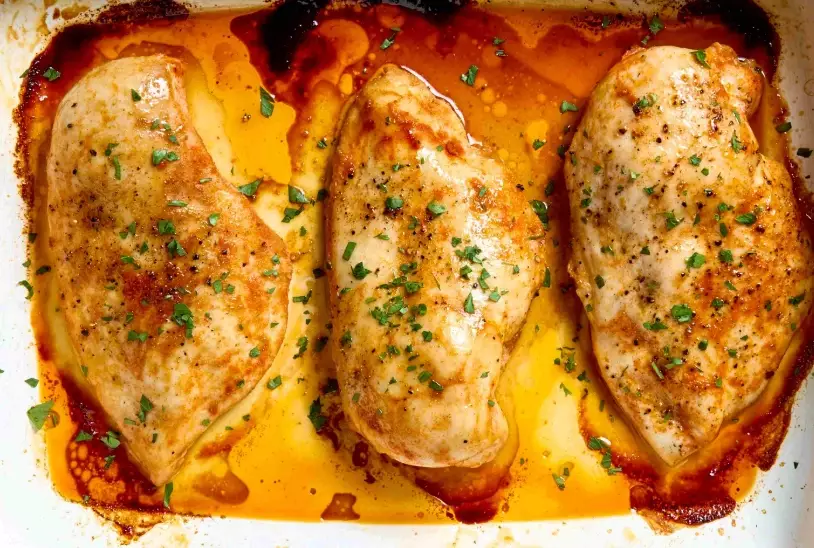
| Method | Best For | Tenderness Potential | Key to Success & Common Pitfall |
|---|---|---|---|
| Pan-Searing & Oven-Finishing | Weeknight dinners, golden crust. | Very High | Key: Sear in hot oven-safe pan, then transfer whole pan to a 400°F oven to finish. Use a thermometer. Pitfall: Keeping heat too high on the stovetop, leading to a burnt outside/raw inside. |
| Poaching | Salads, shredding, ultra-moist texture. | Extremely High | Key: Gently simmer (not boil) in flavorful liquid (broth, herbs) until just cooked through. Pitfall: Letting the liquid boil vigorously, which toughens the meat. |
| Baking/Roasting | Meal prep, cooking large batches. | High (if done right) | Key: Brine or dry-brine first. Bake at 425°F for even browning and a quicker cook, or at 350°F covered with foil/parchment. Pitfall: Baking plain, un-brined breasts at a middling temp (375°F) for too long—the dryness trifecta. |
| Grilling | Summer BBQ, smoky flavor. | Medium-High (riskier) | Key: Pound to even thickness. Use medium-high indirect heat after a quick sear. Keep a spray bottle to tame flare-ups. Pitfall: Direct high heat for the entire cook, causing charred dryness. |
| Sous-Vide | Perfect, consistent results every time. | The Highest (foolproof) | Key: Vacuum-seal with seasonings, cook in a precise water bath (145-150°F for 1-2 hours), then sear briefly. Pitfall: Over-searing after the bath, which can dry out the perfectly cooked exterior. |
| Slow Cooker | Shredded chicken, hands-off cooking. | High for shredding | Key: Use plenty of liquid (broth, sauce). Cook on LOW for 3-4 hours, not all day on HIGH. Pitfall: Cooking on HIGH for 6 hours—you'll return to sawdust. |
My Go-To, No-Fail Method: Pan-Seared & Oven-Finished
This is the method I use 80% of the time when I want a whole, beautiful, juicy chicken breast for dinner. It combines a flavorful crust with a gentle, even finish.
- Prep: Pat your chicken breasts completely dry with paper towels. This is crucial for a good sear. If they're uneven, pound them. Season liberally with salt and pepper. (If you had time for a dry brine, even better—just pat dry).
- Sear: Heat a tablespoon of oil (avocado, canola, or light olive oil) in an oven-safe skillet (stainless steel or cast iron) over medium-high heat until it shimmers. Carefully add the breasts. Don't move them! Let them sear undisturbed for 2-3 minutes until you have a deep golden-brown crust.
- Flip & Transfer: Flip the breasts. Immediately transfer the entire skillet to a preheated 400°F (200°C) oven.
- Cook to Temp: Roast for 7-12 minutes, depending on thickness. Start checking with your thermometer at 7 minutes. Pull the skillet out when the internal temperature reads 155-160°F (68-71°C).
- Rest & Serve: Transfer the chicken to a plate, add a pat of butter or a drizzle of good olive oil on top if you're feeling fancy, and let it rest for 10 minutes. Then slice and serve.
This method works because it uses intense heat for flavor on the stovetop, then the gentle, enveloping heat of the oven to cook it through evenly without shocking the exterior. It’s a classic restaurant technique for a reason. If you're looking for a straightforward path to learning how to cook chicken breasts so they are very tender, master this one first.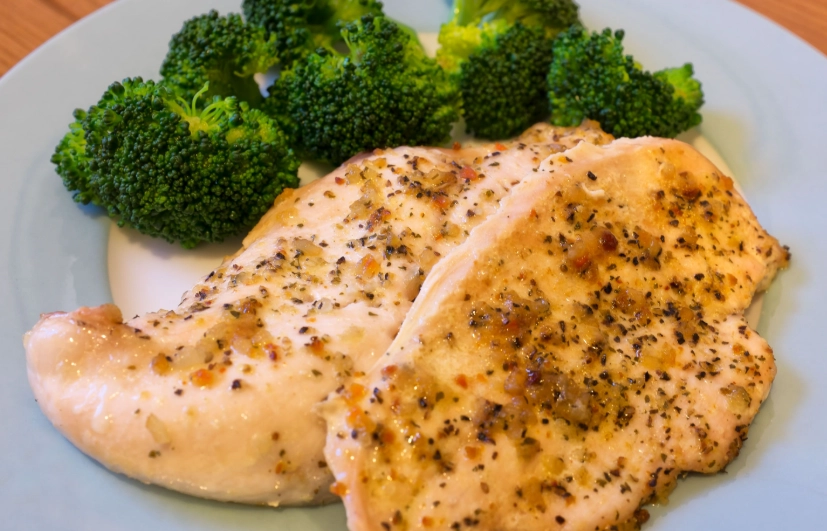
Answering Your Chicken Breast Questions
1. Brining: I always wet or dry brine breasts destined for the fridge.
2. Gentle Cooking: I prefer poaching or baking at a moderate temperature (375°F) covered with parchment paper for meal prep. It's less aggressive than high-heat searing.
3. Storage in Liquid: After cooking and slicing, I store the chicken in a bit of the cooking liquid, broth, or even a simple sauce. This creates a humid environment that prevents the chicken from drying out in the fridge. Reheat gently, covered, with a splash of water.
Putting It All Together: A Simple Checklist for Tender Chicken
Let's boil this all down. Next time you're staring at a package of chicken breasts, run through this mental list:
- [ ] Prep for Success: Brine (wet or dry) or marinate (mindfully). Pound to even thickness.
- [ ] Dry the Surface: Pat thoroughly with paper towels for a good sear.
- [ ] Choose Your Method: Match the method to your goal (poach for salads, pan/oven for dinner, etc.).
- [ ] Control the Heat: Use high heat for browning, moderate/indirect heat for cooking through.
- [ ] Trust the Thermometer: Pull at 155-160°F. This is non-negotiable.
- [ ] Walk Away (Rest): Let it sit for 5-10 minutes before cutting.
- [ ] Slice Against the Grain: Identify the fiber direction and cut across it.
So, there you have it. The complete, no-BS guide to solving the dry chicken breast problem once and for all. It's not about one magic trick. It's a process. Start by incorporating one new thing—maybe buying a thermometer, or trying a quick brine. You'll feel the difference immediately. The search for how to cook chicken breasts so they are very tender ends not with a secret, but with understanding. Understand the meat, understand the heat, and take control. Your dinners are about to get a whole lot juicier.
Honestly, I wish someone had laid it out like this for me years ago. It would have saved a lot of disappointing meals and built my confidence in the kitchen much faster. Cooking should be enjoyable, not a guessing game. Now go grab some chicken and put this to the test. You've got this.
Related Articles
Authentic Italian Minestrone Soup Recipe: A Hearty Classic
Authentic Italian Recipes: Your Ultimate Guide to Mastering Classics at Home
Authentic Italian Beef Recipe: The Ultimate Chicago-Style Sandwich Guide
What's in Zuppa Toscana Soup? The Full Ingredient Guide
Ultimate Guide to Vegetarian Italian Dinner Party Recipes