How to Marinate Chicken Breast Italian Style: Easy Recipes & Tips
Quick Guide
- The Heart of the Matter: What Makes a Marinade "Italian"?
- Your Go-To Italian Chicken Breast Marinade Recipe
- Level Up: Flavor Variations on the Italian Theme
- Common Pitfalls (And How to Dodge Them)
- Answering Your Burning Questions
- From Marinade to Meal: How to Cook Your Italian Chicken
- Wrapping It All Up
So you've got some chicken breasts. They're sitting there, pale and promising, but also kind of intimidating, right? We've all been there. The fear of turning them into dry, flavorless planks is real. But what if I told you the secret weapon isn't some fancy cooking gadget—it's a good marinade? And not just any marinade, but one that captures the sunny, herb-kissed essence of Italy. That's what we're here for.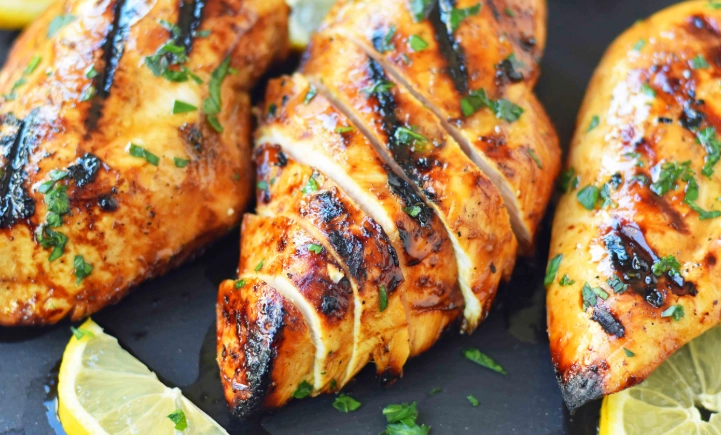
Figuring out how do you marinate chicken breast in Italian style is less about strict rules and more about understanding a flavor philosophy. It's olive oil, fresh herbs, garlic, and a hit of acidity coming together to tenderize and perfume the meat from the inside out. It transforms the mundane into something you'd be happy to serve guests. I remember the first time I tried a proper Italian-style marinade; it was a game-changer. The chicken stayed moist even after grilling, and the flavor was deep, not just a surface-level sauce. Let's break down how you can do that too, without any fuss.
The Heart of the Matter: What Makes a Marinade "Italian"?
Before we dive into recipes, let's talk ingredients. An Italian-style marinade isn't a single recipe—it's a template built on a few pillars. Think of it as your flavor foundation.
The Oil: Extra virgin olive oil is non-negotiable. It's the base that carries flavor and helps with browning. Don't use vegetable oil here; you'll miss the fruity, peppery notes. For the best quality insights, resources like the International Olive Council can be helpful, but a good bottle from your local market works perfectly.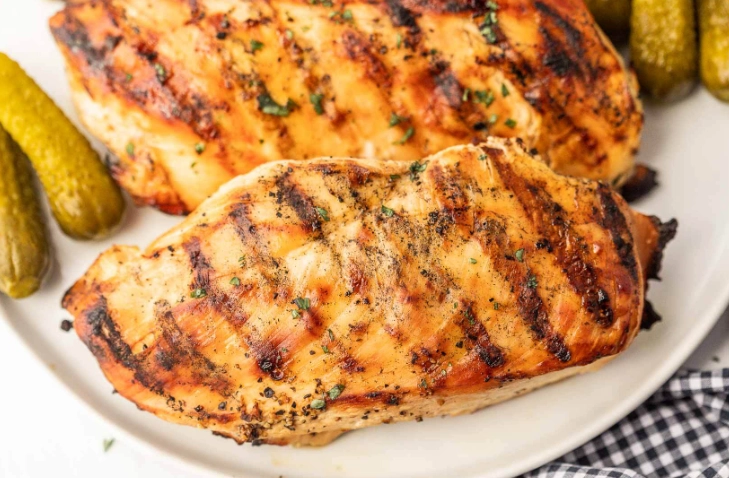
The Herbs: Fresh is fantastic, but dried work incredibly well too, often having more concentrated flavor for marinades. The holy trinity is oregano, basil, and rosemary. Thyme is a wonderful addition. Parsley adds a fresh finish if you add it after cooking.
The Aromatics: Garlic. Lots of it, minced or pressed. Shallots or a bit of red onion can be nice, but garlic is the star.
The Acid: This is your tenderizer and brightener. Lemon juice is classic. Red or white wine vinegar works. Balsamic vinegar adds sweetness and depth. A word of caution with acids—they can start to "cook" the exterior of the chicken if you marinate too long, giving it a weird, chalky texture. More on that later.
Your Go-To Italian Chicken Breast Marinade Recipe
Alright, let's get practical. Here is a classic, all-purpose Italian marinade that works for grilling, baking, or pan-searing. This is the one I use most often.
You'll need:
- 1/2 cup extra virgin olive oil
- 1/4 cup fresh lemon juice (about 1 large lemon)
- 4-5 cloves garlic, minced or pressed
- 1 tablespoon dried oregano
- 1 teaspoon dried basil
- 1/2 teaspoon dried rosemary, crushed between your fingers
- 1 teaspoon sea salt
- 1/2 teaspoon freshly cracked black pepper
- Optional: A pinch of red pepper flakes for heat
Whisk it all together in a bowl. That's it. See? Simple. Now, for the chicken. Use about 1 to 1.5 pounds of boneless, skinless chicken breasts. Here's a step a lot of people skip, but it's crucial for even flavor and cooking: pound them to an even thickness. Just put them between two sheets of plastic wrap and give them a few whacks with a rolling pin or pan. Aim for about 3/4-inch thick all over. It makes a world of difference.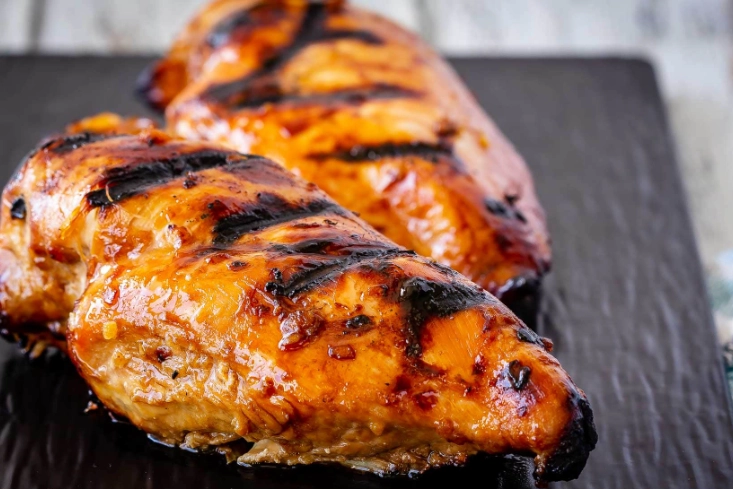
Place the chicken and marinade in a large zip-top bag or a shallow dish. Make sure every piece is coated. Now, the timing.
When you're ready to cook, take the chicken out of the fridge about 20 minutes before. This helps it cook more evenly. Pat the breasts dry with paper towels. This is key! A wet chicken won't sear; it'll steam. Get your pan or grill nice and hot, then cook. The residual marinade on the surface will create a beautiful, flavorful crust.
Level Up: Flavor Variations on the Italian Theme
The basic recipe is a workhorse, but part of learning how do you marinate chicken breast in Italian style is playing with regional flavors. Here are two of my favorite spins.
The Zesty Lemon & Herb (My Weeknight Favorite)
This is the basic recipe, but double the lemon zest and add a handful of chopped fresh parsley and thyme to the dried herbs. It's brighter, fresher. Perfect for summer grilling.
The Rich Sun-Dried Tomato & Balsamic
Swap the lemon juice for 2 tablespoons of balsamic vinegar. Add 1/4 cup of finely chopped oil-packed sun-dried tomatoes and 1 teaspoon of their oil to the marinade. The flavor is deep, rich, and slightly sweet. Amazing for baking or roasting with some potatoes tossed in the same marinade.
The "Herbes de Provence" Edge
Not strictly Italian, but bordering and delicious. Use a good herbes de Provence blend (which contains lavender, fennel, and marjoram alongside the usual suspects) instead of the individual dried herbs. It gives a wonderfully floral, complex aroma.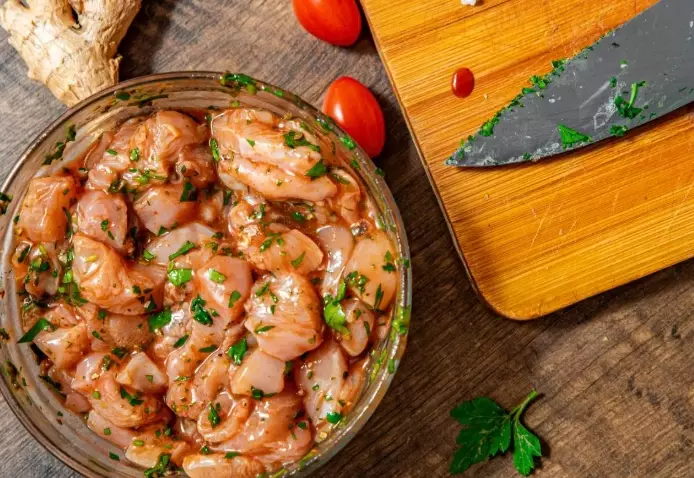
| Marinade Style | Best For | Key Flavor Twist | Max Marinate Time |
|---|---|---|---|
| Classic Herb & Lemon | Grilling, Pan-Searing | Balanced, bright, versatile | 4 hours |
| Zesty Lemon & Fresh Herb | Grilling, Serving Cold in Salads | Extra fresh, vibrant lemon and parsley | 2 hours |
| Sun-Dried Tomato & Balsamic | Baking, Roasting, Meal Prep | Umami-rich, sweet & tangy depth | 4-6 hours |
| Herbes de Provence | Pan-Searing with a Cream Sauce | Floral, complex, aromatic | 4 hours |
Common Pitfalls (And How to Dodge Them)
Let's be honest, I've messed up enough times to know where things go wrong. Here’s the shortlist of what to avoid when you marinate chicken breast Italian style.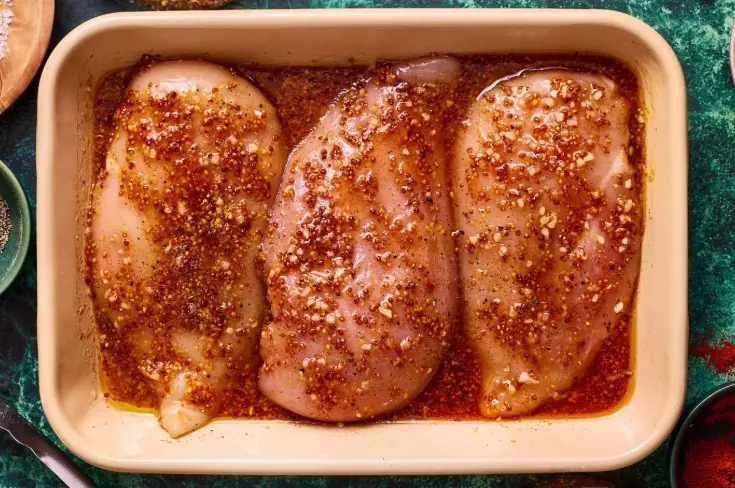
Over-marinating with Acid: We covered this, but it's the #1 error. Mushy chicken is sad chicken.
Not Drying the Chicken Before Cooking: A soggy surface prevents the Maillard reaction—that beautiful browning where flavor magic happens. Pat it dry, be ruthless.
Using a Weak Oil: Olive oil has flavor. Canola oil does not. It matters.
Salting Too Late: The salt in the marinade seasons the meat throughout. If you skip salt in the marinade and only add it at the end, the flavor will be superficial.
Not Letting the Chicken Rest: After cooking, let it sit on a cutting board for 5-10 minutes. This allows the juices to redistribute. If you cut it immediately, all those precious juices (and flavor) run out onto the board.
Answering Your Burning Questions
From Marinade to Meal: How to Cook Your Italian Chicken
So you've mastered how do you marinate chicken breast in Italian style. Now what? How you cook it finalizes the deal.
Grilling: High, direct heat. Get those gorgeous grill marks. Don't move it around too much. Let it sear.
Pan-Searing: My go-to method. Use a heavy skillet (cast iron is perfect) over medium-high heat with a tiny bit of oil. Sear 5-7 minutes per side, depending on thickness.
Baking/Roasting: Great for hands-off cooking or when doing a large batch. 400°F (200°C) for 18-22 minutes, again, thermometer is key.
Wrapping It All Up
Learning how do you marinate chicken breast in Italian style isn't about memorizing one recipe. It's about embracing a simple, flavorful approach to cooking. It's understanding that a few quality ingredients, a little time, and some basic technique can turn the most ordinary cut of meat into something special. It's about avoiding the common traps that lead to dry, bland results.
Start with the classic recipe. Get comfortable with it. Then, try a variation. Pay attention to the texture and flavor you get. Before long, you'll be riffing on your own, adding a spoonful of capers, some chopped olives, or a dash of fennel seeds. That's when you know you've got it. You're not just following a recipe anymore; you're cooking with an Italian soul. And that's a delicious place to be.
Now, go grab that olive oil and garlic. Your perfectly marinated, juicy, flavorful Italian-style chicken breast awaits.
Related Articles
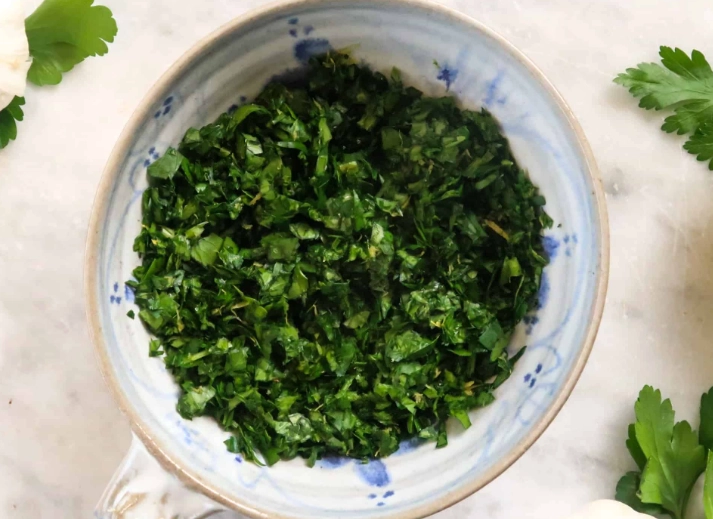
Authentic Gremolata Recipe: The Simple Italian Condiment That Elevates Any Dish
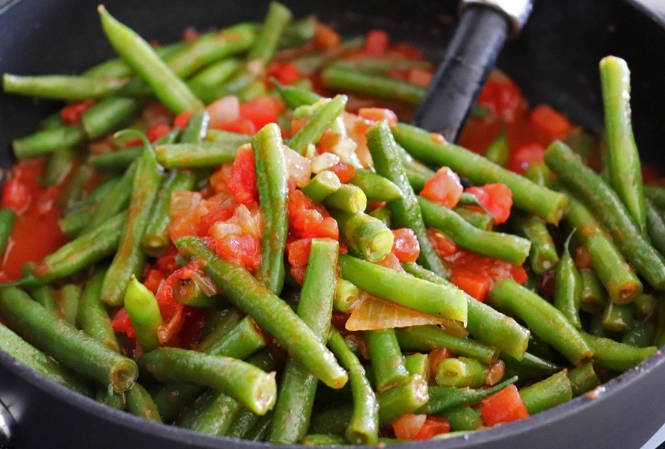
Authentic Italian Green Beans Recipe: A Classic Nonna's Method
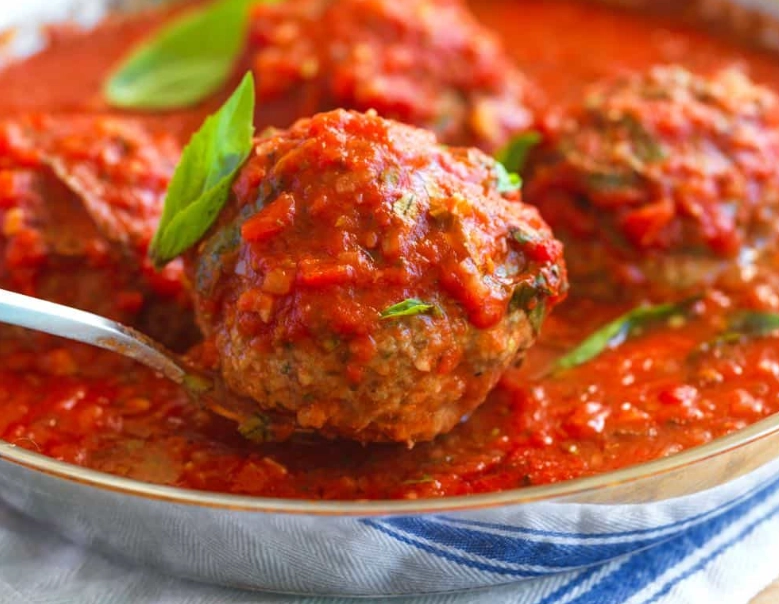
Authentic Italian Meatballs: Nonna's Secrets & Step-by-Step Recipe
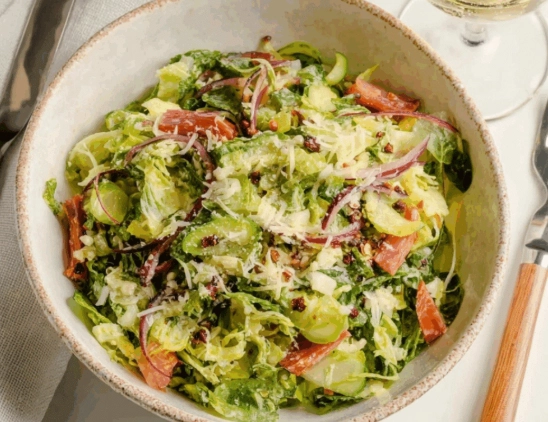
The Famous Chopped Salad Recipe: A Step-by-Step Guide to Perfection
The Ultimate Homemade Italian Dressing Recipe (Easy & Authentic)