Easy Italian Chicken Breast Recipes for the Oven: Tender & Flavorful Every Time
Quick Guide
- The Core Problem: Why Chicken Breast Dries Out (And the Italian Solution)
- Building Your Flavor Foundation: The Italian Pantry Staples
- Three Foolproof Italian Chicken Breast Recipes for Your Oven
- The Science of Doneness: Your Oven Temperature Cheat Sheet
- What to Serve With Your Italian Oven-Baked Chicken
- Answering Your Burning Questions (FAQs)
- Taking It Further: Advanced Tips & Common Pitfalls
Let's be honest for a second. Chicken breast has a bit of a reputation, doesn't it? The words "dry" and "bland" seem to follow it around like a bad smell. I can't tell you how many times I've pulled a sad, stringy piece of chicken out of the oven, wondering where I went wrong. It's frustrating. You follow a recipe, you put in the time, and what you get is something that tastes more like cardboard than a delicious, protein-packed meal.
But here's the thing I've learned after years of trial and error (and yes, plenty of errors): it doesn't have to be that way. Not at all. When you apply the right techniques, specifically those rooted in the flavorful, simple wisdom of Italian cooking, that same lean chicken breast transforms. It becomes juicy, incredibly flavorful, and the star of your dinner table. The oven is actually your best friend in this mission, offering gentle, even heat that, when managed correctly, cooks the meat through without squeezing all the moisture out.
That's what this is all about. We're going to move beyond the basic, forgettable baked chicken and dive into the world of Italian chicken breast recipes for the oven. We're talking about methods that infuse flavor deep into the meat, techniques that guarantee tenderness, and combinations of herbs, oils, and aromatics that will make you actually look forward to cooking chicken breast. Whether you're meal prepping for the week or need a reliable, impressive dinner for guests, mastering a few great oven-baked Italian chicken breast recipes is a game-changer.
Think about the last time you had really good chicken. What made it good? For me, it's always two things: moisture and flavor. The chicken was juicy when you bit into it, and it actually tasted like something beyond just "chicken." That's the baseline we're aiming for—and surpassing.
The Core Problem: Why Chicken Breast Dries Out (And the Italian Solution)
Most people's first attempt at an Italian chicken breast recipe in the oven fails because they skip the most critical step. They throw a naked, unseasoned breast on a pan, crank the heat to 400°F, and hope for the best. The result is predictable: the outside cooks too fast, the inside struggles to catch up, and by the time the center is safe to eat, the outer layers have turned into a dry, chewy fortress.
The Italian approach to cooking, especially with proteins, is fundamentally different. It's not about aggression; it's about coaxing out flavor and preserving texture. It starts with understanding the ingredient. Chicken breast is very lean, with little fat to self-baste. So, we have to help it. We have to protect it and infuse it.
This leads us to the two non-negotiable pillars for perfect oven-baked Italian chicken breast:
- Brining or Marinating: This is the single biggest secret. A simple brine (salt and water) or a flavorful Italian marinade (oil, acid, herbs) works on a scientific level. The salt in the brine changes the protein structure, allowing the muscle fibers to retain more moisture during cooking. A marinade, while adding less moisture directly, coats and flavors the surface, creating a barrier against intense direct heat. It's like giving your chicken a suit of armor made of olive oil and rosemary.
- Temperature Control: Baking chicken breast isn't a "set it and forget it" operation. It requires a thermometer. Trusting vague cooking times is a recipe for disaster because breast size and oven accuracy vary wildly. The target? Pull the chicken out of the oven when its thickest part reaches 155-160°F (68-71°C). The carryover cooking will bring it to the safe 165°F (74°C) as it rests. This prevents overcooking.
I learned the importance of temperature the hard way. I used to just poke the chicken and hope it was done. Sometimes it was okay, often it was overdone. Buying a simple, instant-read digital thermometer was a revelation. It took the guesswork out completely. Now, every piece of chicken I make, whether it's for a simple baked chicken breast Italian style or something fancier, comes out perfectly cooked. It's the best ten bucks I've ever spent in the kitchen.
Building Your Flavor Foundation: The Italian Pantry Staples
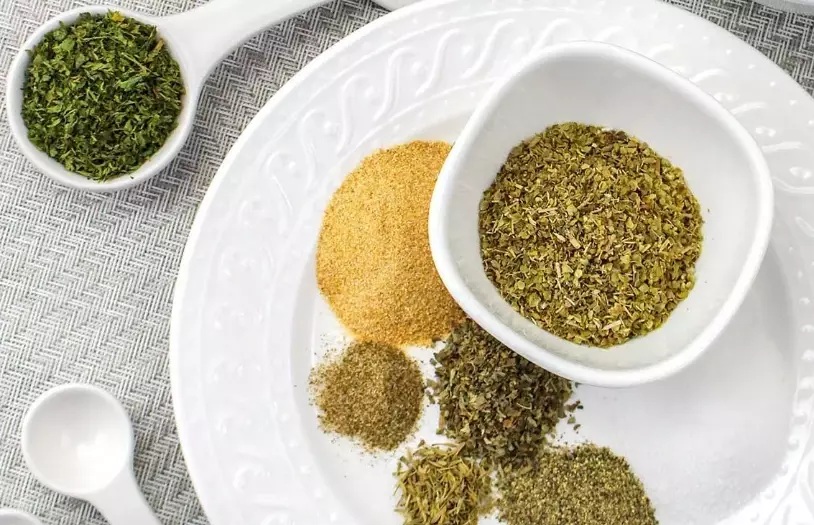
What makes an Italian chicken breast recipe taste Italian? It's not one magic ingredient. It's the combination of a few key, high-quality staples that work together in harmony. You don't need a pantry full of exotic spices. You just need these essentials, which probably already live in your kitchen.
The Holy Trinity of Italian Chicken Flavor:
- Extra Virgin Olive Oil: This is your cooking medium and a flavor base. Don't use the cheap, flavorless stuff. Get a decent bottle with a fruity, peppery note. It makes a difference you can actually taste.
- Fresh Garlic & Onion: Aromatics are non-negotiable. Thinly sliced garlic cloves and finely diced onion (yellow or red) form the savory foundation of almost every Italian savory dish. They sweeten and mellow in the oven's heat.
- Dried Oregano & Basil: While fresh herbs are fantastic, the dried versions are more concentrated and stand up better to longer cooking times in the oven. Their earthy, sweet flavors are the signature scent of Italian-American cooking.
Beyond that, you have a world of options: sun-dried tomatoes packed in oil, briny capers, salty anchovy fillets (they melt into the sauce, don't worry), creamy ricotta or mozzarella, tart lemons, and of course, fresh herbs like rosemary, thyme, and flat-leaf parsley added at the end. The beauty of these oven baked chicken breast recipes is their flexibility. You build from this core.
Three Foolproof Italian Chicken Breast Recipes for Your Oven
Okay, enough theory. Let's get to the recipes. These are my three go-to methods, each with a different character. They all start with the same prep: pat 4 boneless, skinless chicken breasts dry with paper towels. This helps the seasoning stick and promotes browning.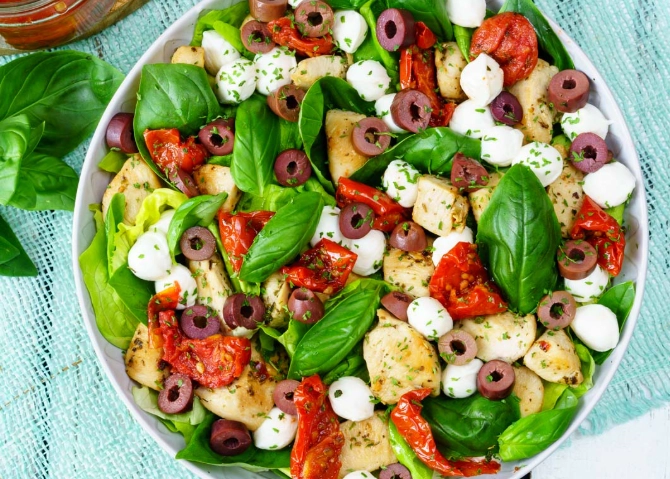
The Classic Herb-Roasted Chicken Breast
This is your weekday workhorse. It's simple, requires minimal active time, and fills your kitchen with an incredible aroma. It's the perfect basic Italian chicken breast recipe for the oven to master first.
In a small bowl, mix 3 tablespoons of extra virgin olive oil, 3 minced garlic cloves, 1 tablespoon of dried oregano, 1 teaspoon of dried basil, 1 teaspoon of kosher salt, and ½ teaspoon of black pepper. Rub this paste all over the chicken breasts. Let them sit for at least 15 minutes (or up to 4 hours in the fridge) to marinate.
Preheat your oven to 425°F (220°C). Place the breasts on a rimmed baking sheet or in a baking dish. For extra flavor and to prevent sticking, scatter a roughly chopped onion and a handful of cherry tomatoes around the chicken. Roast for 18-22 minutes, until the internal temperature reaches 160°F. Let rest for 5-10 minutes. The tomatoes will burst and create a little juicy sauce. Serve with the pan juices spooned over the top.
See? Simple. But the high heat gives a slight roast to the herbs, and the garlic becomes sweet and mellow.
The "One-Pan" Chicken Cacciatore-Style Bake
Cacciatore means "hunter-style" in Italian, and traditionally it's a braise. This is a simplified, baked version that captures all the deep, savory flavors with less fuss. It feels like a special occasion meal but is deceptively easy.
Season the chicken breasts with salt and pepper. In a large, oven-safe skillet or a deep baking dish, heat 2 tablespoons of olive oil over medium-high heat on the stovetop. Sear the breasts for 2-3 minutes per side, just to get a golden color. Remove them and set aside. To the same pan, add 1 sliced onion and 1 sliced bell pepper. Cook for 5 minutes until softening. Add 3 minced garlic cloves and cook for 30 seconds until fragrant.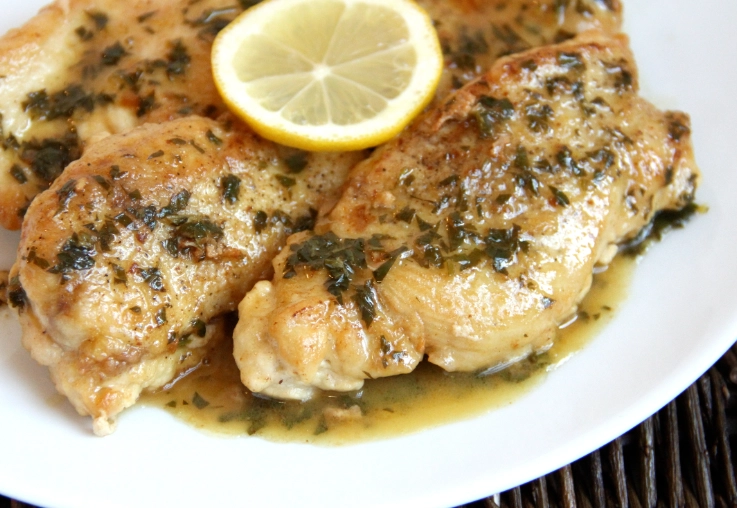
Pour in one 28-ounce can of crushed tomatoes (I prefer the San Marzano variety for their sweetness and low acidity—it's a small upgrade that makes a big difference). Add ½ cup of chicken broth, 1 teaspoon of dried oregano, and a pinch of red pepper flakes. Bring to a simmer. Nestle the seared chicken breasts back into the sauce. Transfer the whole pan to a preheated 375°F (190°C) oven. Bake uncovered for 25-30 minutes, until the chicken is cooked through. The sauce will thicken slightly. Finish with chopped fresh parsley.
Pro Tip: Don't skip the sear! That quick browning on the stovetop creates the "fond"—the tasty brown bits at the bottom of the pan—which dissolves into the sauce, giving it a much deeper, richer flavor than just baking everything together from the start.
The Creamy Pesto & Mozzarella Stuffed Chicken
This one is a showstopper. It involves a little more hands-on work, but the "wow" factor is worth it. It answers the question: "How do I make a baked chicken breast feel decadent and special?"
You'll need to create a pocket in each chicken breast. Using a sharp knife, slice horizontally through the thickest part of the breast, stopping about ½ inch from the opposite side so it opens like a book. Be careful not to cut all the way through.
For the filling, mix ½ cup of ricotta cheese, ¼ cup of prepared basil pesto (store-bought is fine, but check the ingredients for quality), and ¼ cup of shredded mozzarella. Season with a little salt and pepper. Divide this mixture among the four chicken breasts, spreading it inside the pocket. Use 2-3 toothpicks to secure the opening closed. Rub the outside of the breasts with olive oil and season with salt, pepper, and a little garlic powder.
Place them in a baking dish. Bake at 400°F (200°C) for 22-26 minutes, until the internal temperature of the stuffing reaches 165°F and the chicken is cooked. In the last 5 minutes, you can sprinkle a little extra mozzarella on top to melt. Let rest for 10 full minutes before removing the toothpicks and slicing. The resting is crucial here—it lets the cheesy filling set, so it doesn't all run out when you cut into it.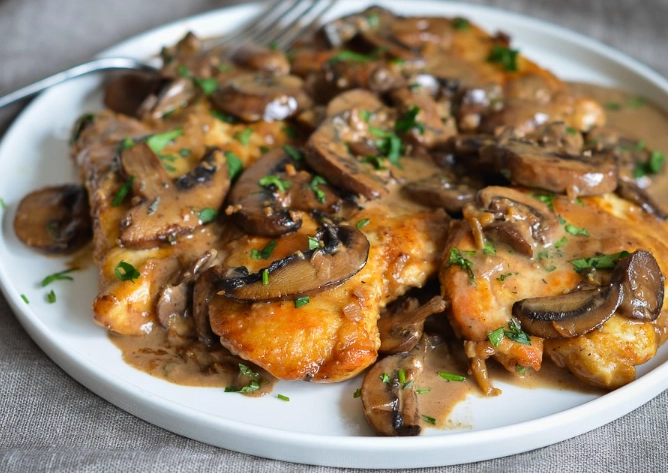
I served this to my in-laws once, and they thought I'd spent hours cooking. It's that kind of dish. The pesto keeps the ricotta from being bland, and the whole package stays incredibly moist.
The Science of Doneness: Your Oven Temperature Cheat Sheet
This is where people get tripped up. "Bake at 375°F for 30 minutes" is not a universal truth. The right temperature depends on what you're trying to achieve. Here’s a quick guide.
| Desired Outcome | Recommended Oven Temp | Why It Works | Best For Recipes Like... |
|---|---|---|---|
| Fast, Simple Roast with Browning | 425°F - 450°F (220°C - 230°C) | High heat cooks the exterior quickly, creating flavorful browning (the Maillard reaction) while keeping cook time short to preserve interior moisture. | The Classic Herb-Roasted breast, any recipe where the chicken is plain or lightly coated. |
| Even, Gentle Cooking with Sauce | 375°F (190°C) | A moderate heat allows the chicken and any accompanying vegetables (like peppers, onions) to cook through evenly without the sauce reducing too rapidly or splattering. | The Chicken Cacciatore bake, any dish where the chicken is nestled in a liquid or sauce. |
| Precise Cooking for Stuffed or Thick Breasts | 400°F (200°C) | A reliable middle ground. Hot enough to cook efficiently and promote browning, but not so hot that the outside is done before the stuffing or thick center is heated through. | The Pesto Stuffed chicken, chicken breasts that are particularly large or thick. |
No matter which temperature you choose, the final arbiter is the thermometer. I can't stress this enough. The USDA recommends cooking all poultry to a minimum safe temperature of 165°F (74°C). By pulling it at 160°F and letting it rest, you hit that target perfectly without going over.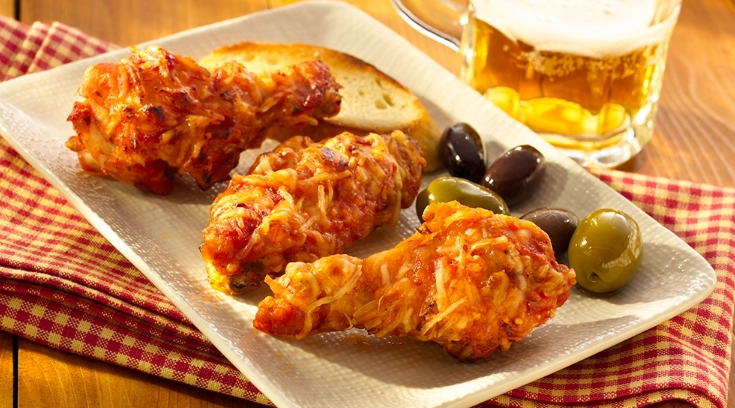
Watch Out: If your chicken breasts are very uneven in thickness—one end is much thicker than the other—they will cook unevenly. A great trick is to place the breast between two pieces of plastic wrap and gently pound the thicker end with a rolling pin or meat mallet until it's an even thickness throughout. This ensures everything cooks at the same rate.
What to Serve With Your Italian Oven-Baked Chicken
A great oven baked Italian chicken breast recipe deserves great sides. You don't want to spend all that effort on the main event only to pair it with a sad, steamed vegetable. Here are some pairings that feel natural and complete the meal.
- For the Classic Herb-Roasted: Keep it simple. Roast some baby potatoes or cubed potatoes on the same pan (they might need a 10-minute head start). Or, go for a bright, acidic side like a simple arugula salad with lemon vinaigrette to cut through the richness of the olive oil.
- For the Chicken Cacciatore: This is a saucy dish. You need something to soak up that incredible tomato sauce. A bed of creamy polenta is the traditional and perfect choice. Alternatively, a big scoop of al dente pasta like rigatoni or pappardelle works beautifully. A crusty piece of bread is mandatory for wiping the plate clean.
- For the Pesto Stuffed Chicken: Since this dish is rich and cheesy, lighter sides work best. I love serving it with roasted asparagus or broccoli rabe (just toss with olive oil, salt, and garlic, and roast at 400°F for 15 minutes). A simple tomato and cucumber salad also provides a refreshing contrast.
The goal is balance. Think about textures and flavors. If the chicken is rich, have a bright, acidic side. If it's simple, have a more substantial side.
Answering Your Burning Questions (FAQs)
Taking It Further: Advanced Tips & Common Pitfalls
Once you've mastered the basics, you can start playing. Here are a few extra thoughts from my own notebook of kitchen lessons (many learned the hard way).
Bone-in, Skin-on Breasts: Everything we've discussed works even better with bone-in, skin-on breasts. The bone acts as an insulator, slowing the heat transfer and leading to even juicier meat. The skin, when seasoned and roasted at high heat, becomes crackling-crisp and incredibly flavorful. Just add 5-10 minutes to the cooking time and ensure the thermometer probe isn't touching the bone.
The Resting Period is Not Optional: I know, I know. You're hungry, the food smells amazing, and you want to eat. But forcing yourself to wait 5-10 minutes after the chicken comes out of the oven is critical. When meat cooks, the juices are driven toward the center. Resting allows those juices to redistribute evenly throughout the breast. If you cut immediately, all that precious liquid—and flavor—will just run out onto your cutting board, leaving the meat dry. Cover it loosely with foil and let it be.
Avoid Overcrowding the Pan: If you're cooking more than two or three breasts, use a large baking sheet or two separate dishes. Crowding creates steam, which prevents the beautiful browning (that flavorful crust) from forming. You want hot, dry air circulating around each piece. Giving them space is a simple fix for a much better result.
Finally, remember that Italian cooking, at its heart, is about quality ingredients and simplicity. You don't need fifteen ingredients. You need three or four great ones, treated with respect. Start with a good chicken breast, some flavorful olive oil, fresh garlic, and a couple of herbs. Pay attention to temperature. That's it. That's the secret to turning the most misunderstood piece of poultry into a meal you'll be proud to serve—and excited to eat.
It might take a try or two to get it exactly to your liking. My first stuffed chicken was a leaky mess. But once you lock in the method, you'll have a reliable, delicious, and healthy oven baked chicken breast recipe in your back pocket forever. And honestly, that's a pretty great feeling.
For more inspiration on authentic Italian flavor combinations and techniques, resources like Academia Barilla offer a deep dive into regional Italian cuisine, though their focus is broader than just chicken. The principles, however, are the same.
Related Articles
Authentic Italian Vegetarian Appetizers: Recipes, Tips & Menus
Authentic Italian Pasta Sauce Recipes: From Classic Tomato to Rich Ragù
Authentic Italian Meatballs: Nonna's Secrets & Step-by-Step Recipe
The Real Carbonara: An Easy, Authentic Italian Recipe (No Cream!)
Ultimate Baked Italian Meatballs Recipe: Juicy, Tender & Flavorful