The Authentic Carbonara Recipe: What is Traditional Carbonara in Italy?
In This Deep Dive
- The Humble (and Disputed) Origins of Carbonara
- The Sacred Five: Non-Negotiable Ingredients
- The Technique: Where the Magic (or Disaster) Happens
- The Great Carbonara Debate: Authentic vs. Common Variations
- Top Mistakes That Scream "I Didn't Get It"
- Answering Your Carbonara Questions (The FAQ)
- Beyond the Plate: Carbonara as a Cultural Touchstone
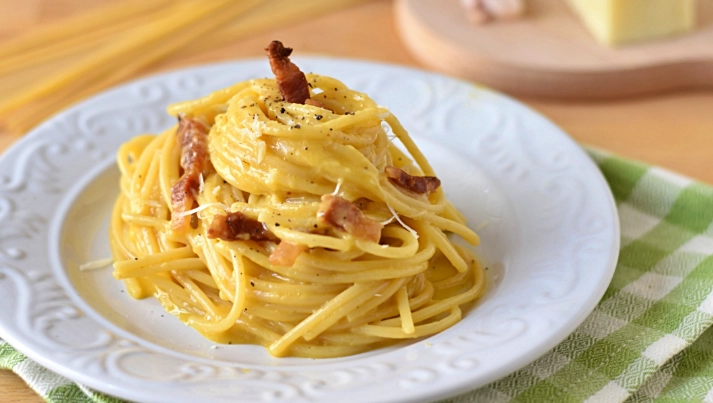
Let's cut right to the chase. You've probably had carbonara before. Maybe at a cozy Italian restaurant down the street, or from a jar at the supermarket. It was likely creamy, maybe had some peas or mushrooms in it, and could have even featured chicken. I'm here to tell you, with all the love in my heart for those attempts, that they have almost nothing to do with the real deal. So, what is traditional carbonara in Italy? It's a question that stirs up more passion and debate among Italians than almost any other pasta dish. It's not just a recipe; it's a culinary monument with strict, unbreakable rules. And those rules are what make it so magical when done right.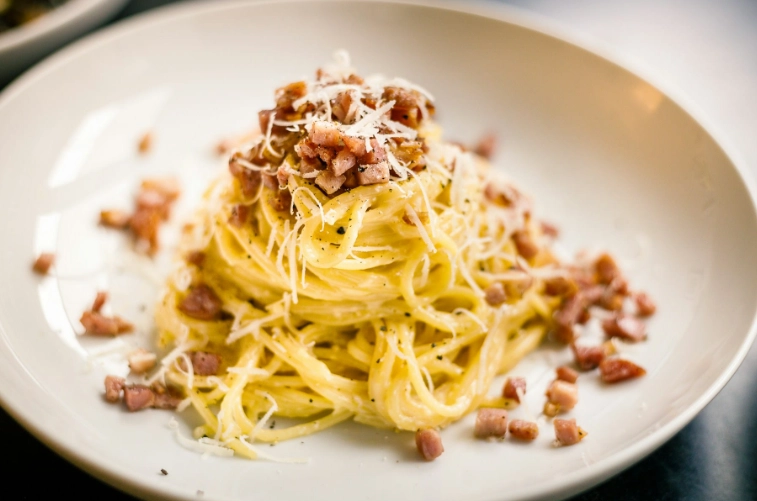
I remember my first "real" carbonara. It wasn't in Italy, ironically, but made by an old Roman chef who had moved to my city. He watched me eat, a skeptical look on his face. When I finished, he simply said, "Now you know." The simplicity was shocking. The richness was unbelievable. There was no pool of cream, just a silky, glossy sauce that clung to every strand of pasta. It tasted of good pork, aged cheese, and black pepper. Nothing more, nothing less. That experience sent me down a rabbit hole, and I want to save you some time and many failed attempts by sharing what I've learned.
The Humble (and Disputed) Origins of Carbonara
Unlike ancient dishes like cacio e pepe, carbonara's history is surprisingly murky. You won't find it in old Italian cookbooks. The most accepted theory is that it's a mid-20th century invention, born in Rome after World War II. The story goes that American GIs stationed in Italy had rations of powdered eggs and bacon. Resourceful Roman cooks combined these with the local pasta and cheese, creating a new, hearty dish. The name "carbonara" might come from "carbone" (coal), suggesting it was a favorite of charcoal workers, or from "carbonaro" (a secret society member). Honestly, nobody knows for sure, and Italians love to argue about it over dinner. The Italian Academy of Cuisine (Accademia Italiana della Cucina) documented one of the earliest verified recipes in 1954, which already laid down the law: no cream, no onions, no garlic.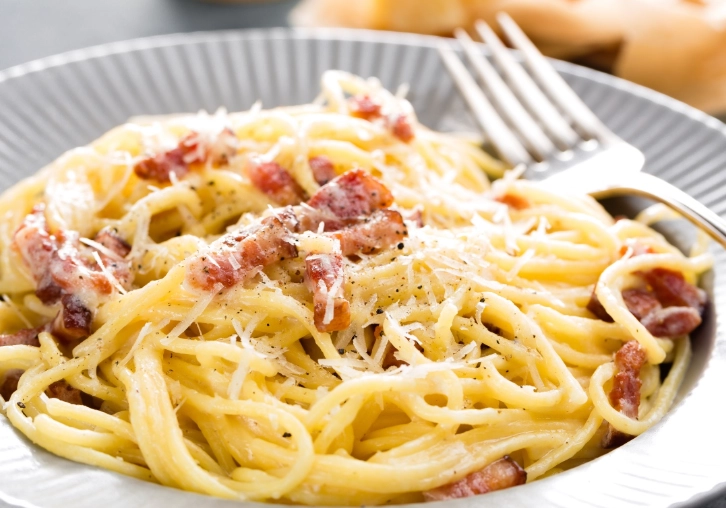
This lack of ancient pedigree is actually key. It means carbonara's tradition is defined not by centuries of evolution, but by a specific post-war moment and a set of techniques that crystallized quickly. To ask "what is traditional carbonara in Italy?" is to ask about that specific mid-century Roman formula. It hasn't changed much since.
The Sacred Five: Non-Negotiable Ingredients
This is where most carbonara debates begin and end. Stray from this list, and you're making a pasta dish *inspired by* carbonara. That's fine! But it's not the traditional one. Let's break down each pillar.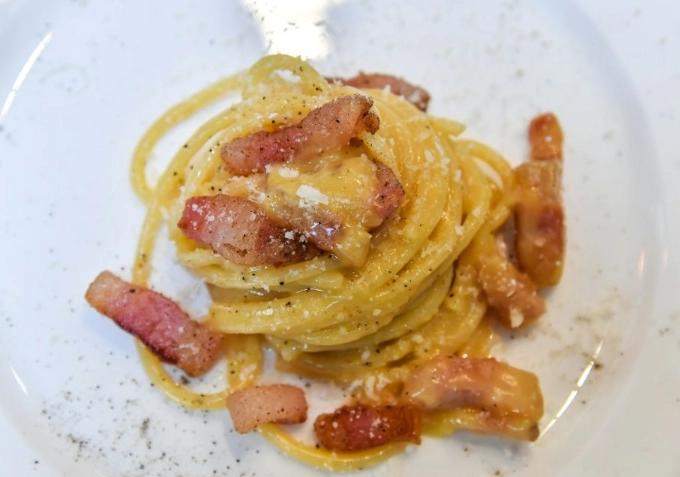
Guanciale, Not Bacon, Not Pancetta
This is the hill many Italians will die on. Guanciale is cured pork jowl (cheek). It's fattier, more flavorful, and has a more delicate, sweet taste compared to pancetta (pork belly) or the smokier bacon. The fat renders into a sublime, aromatic oil that forms the base of the entire sauce. Using bacon injects a smoky flavor that completely overpowers the delicate balance of egg and cheese. Pancetta is the accepted substitute if you absolutely cannot find guanciale, but the difference is noticeable. I've tried all three side-by-side, and guanciale wins every time. Its fat is just silkier.
Pecorino Romano, The Salty King
Parmigiano-Reggiano? Sometimes mixed in, but the true backbone is Pecorino Romano, a hard, salty sheep's milk cheese from Lazio (the region Rome is in). Its sharp, tangy punch cuts through the richness of the egg and fat. Using only Parmigiano makes the dish too sweet and one-dimensional. Many traditional recipes use a 50/50 mix, but purists, especially in Rome, often go 100% Pecorino. It has to be freshly grated, never pre-grated. The anti-caking agents in pre-grated cheese will ruin the sauce's texture.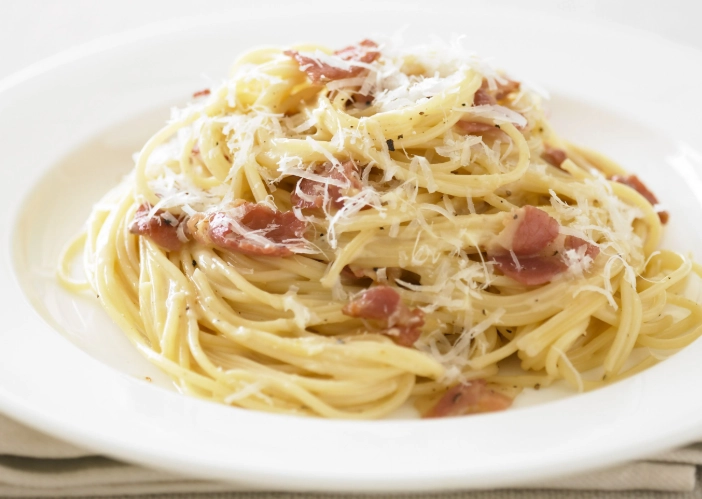
Eggs: Yolks are the Heart
Forget the whole egg. The traditional carbonara sauce is built on egg *yolks*. They provide the fat, the rich yellow color, and the velvety texture. Some recipes use one whole egg plus extra yolks per person. The whites can make the sauce watery and less luxurious. The eggs must be at room temperature to avoid shocking them when mixed with the hot pasta.
Pasta: The Long and Short of It
Spaghetti is the classic choice, and it's perfect for twirling and coating. But rigatoni, tonnarelli (a square-shaped Roman spaghetti), or bucatini are also utterly traditional and fantastic. The key is a shape with good texture to hold the sauce. Fresh pasta is a no-go; it's too soft and absorbs the sauce differently. You need the sturdy bite of high-quality dried durum wheat pasta. The cooking water is also a crucial ingredient—that starchy liquid is your secret weapon for emulsifying the sauce.
Black Pepper: More Than a Garnish
Freshly, and I mean *freshly*, cracked black pepper is a flavor component, not just a sprinkle on top. It provides a necessary spicy, aromatic kick that balances the fat and salt. You toast it slightly with the guanciale to wake up the oils. Pre-ground pepper tastes like dust in comparison.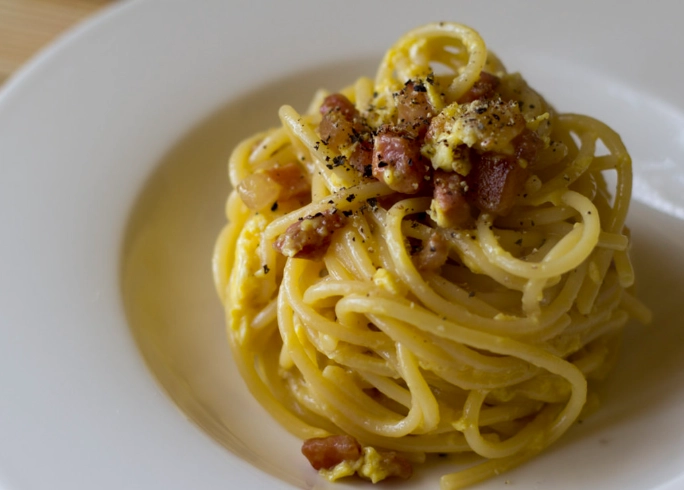
The Official Word?
While there's no single "ministry of carbonara," the most authoritative reference is often considered the recipe registered by the Italian Academy of Cuisine. This non-profit organization is dedicated to preserving Italy's culinary heritage. Their 1954 carbonara recipe codifies the simple, cream-free version as the standard.
The Technique: Where the Magic (or Disaster) Happens
Knowing the ingredients is only half the battle. The technique is what separates a glossy, creamy dream from a scrambled egg mess. I've made that mess. More than once. Let's walk through it.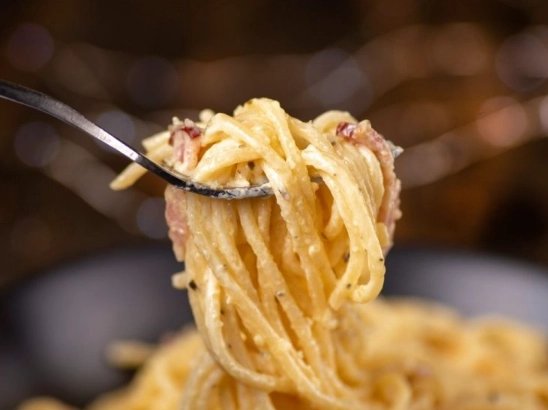
First, you cube your guanciale and slowly render it in a pan. No oil needed. You want the pieces golden and soft, and you want that beautiful fat in the pan. Take it off the heat and let it cool slightly. This is critical. If the pan is scorching hot when you add the eggs, they'll scramble instantly.
Timing is everything.
While the pasta cooks (in well-salted water, of course), you prepare your "cream." In a large, wide bowl—not the pan—you whisk together the egg yolks (and whole egg if using), all of your grated Pecorino, and a generous amount of black pepper. It will form a thick, grainy paste. This is normal.
When the pasta is al dente (a minute or so shy of the package time), you reserve a cup of the starchy pasta water. Then, you drain the pasta and immediately add it to the bowl with the guanciale and its fat. Toss it thoroughly so every piece is glistening. This further cools everything down.
Now, the leap of faith. Take the bowl with the egg and cheese mixture. While stirring the hot pasta and guanciale vigorously with one hand, slowly drizzle in the egg mixture with the other. The residual heat from the pasta will gently cook the eggs, forming an emulsion. If it looks too thick or starts to clump, add a splash of the reserved pasta water, one tablespoon at a time. The starch in the water will help create a silky, loose sauce that coats perfectly.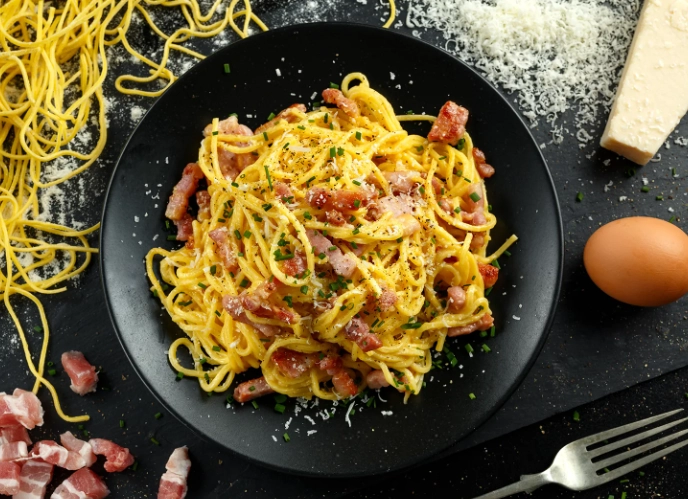
The Great Carbonara Debate: Authentic vs. Common Variations
To truly understand what is traditional carbonara in Italy, it helps to see what it is *not*. This table lays out the battlefield.
| Ingredient/Technique | Traditional Carbonara (Italy) | Common International Variations | Why the Difference? |
|---|---|---|---|
| Pork Product | Guanciale (cured pork jowl) | Bacon or Pancetta | Guanciale is specific to Lazio. Bacon is smoky, pancetta is more available but less fatty. |
| Cream | Never, ever used. | Heavy cream or milk often added. | A "safety net" to prevent scrambling and create a richer texture, but it mutes the other flavors. |
| Garlic | Not included. | Often sautéed with the pork. | Adds flavor, but purists argue it overpowers the guanciale and cheese. |
| Onions, Peas, Mushrooms | No. | Frequently added. | These are additions from other culinary traditions (like alla Gricia or Alfredo) to add bulk and veg. |
| Cheese | Pecorino Romano (or mix with Parmigiano) | Often just Parmigiano or a generic "parmesan" | Pecorino is local to Rome. Parmigiano is from the north and has a different flavor profile. |
| Eggs | Primarily yolks. | Whole eggs. | Yolks give a richer, yellower, more stable sauce. Whites can make it watery. |
| Sauce Texture | Silky, glossy emulsion from egg, cheese, fat, and pasta water. | Often thicker, creamier, or even clumpy. | The emulsion technique is tricky. Adding cream or overcooking the eggs changes the texture fundamentally. |
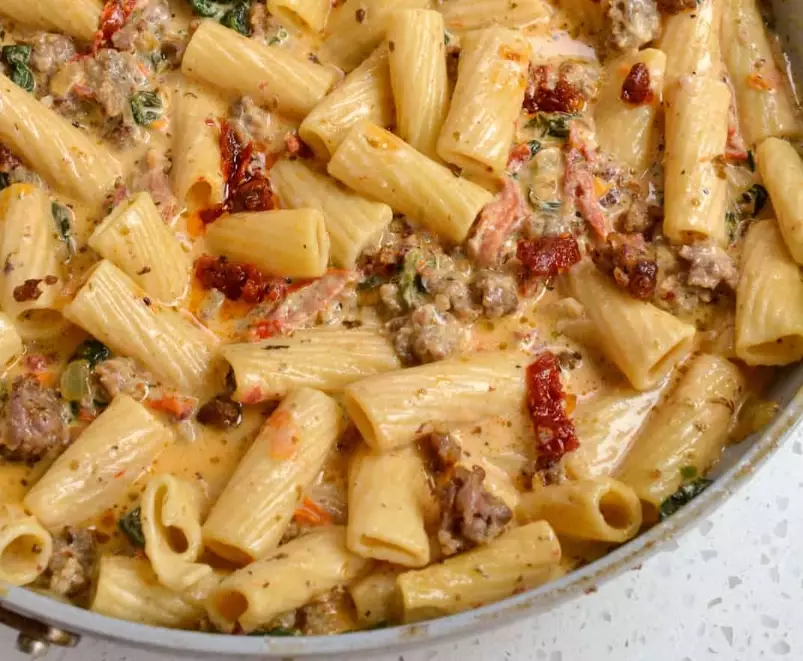
Look, I'm not a food snob. The variations can be tasty. A carbonara with peas and bacon can be a perfectly enjoyable weeknight meal. But if you want to answer the question "what is traditional carbonara in Italy?" with honesty, you have to acknowledge that these are different dishes. Calling the creamy, garlicky, pea-studded version "traditional" is just factually incorrect. It's like calling a Hawaiian pizza a traditional Neapolitan Margherita.
Top Mistakes That Scream "I Didn't Get It"
We've all been there. Here are the pitfalls, learned from my own kitchen disasters and watching others.
- Scrambled Egg Pasta: The #1 fear. Caused by adding the egg mixture to a pan that's too hot. The bowl method and letting the guanciale fat cool are your best defenses.
- A Dry, Clumpy Mass: Not using enough pasta water. That starchy liquid is the glue that brings the sauce together. Don't be shy with it.
- Greasy Soup: Too much guanciale fat left in the pan. You need some, but not a swimming pool. Pour off a little if it looks excessive before adding the pasta.
- Cold Carbonara: This dish must be served immediately, in warmed bowls. It congeals and loses its magic within minutes.
- Overcooking the Guanciale: It should be chewy and tender, not crispy. Crispy means the flavor has cooked out into the air, not your sauce.
It's a dance of heat and timing.
Answering Your Carbonara Questions (The FAQ)
Beyond the Plate: Carbonara as a Cultural Touchstone
What is traditional carbonara in Italy, if not a symbol? It represents "cucina povera" (poor cooking) at its finest—transforming a few humble, cheap ingredients into something extraordinary through skill. It's a point of fierce regional pride for Romans. It's a dish that every Italian nonna has a strong opinion on. Debating the "right" way to make it is a national pastime.
It also shows the importance of terroir. Guanciale from Norcia, Pecorino from Rome, pasta from Gragnano—these specific products from specific places create a flavor that is incredibly difficult to replicate exactly elsewhere. That's okay. The goal isn't to perfectly clone a Roman trattoria's dish in your home kitchen thousands of miles away. The goal is to understand the principles—the respect for the core ingredients, the delicate technique—and apply them with the best products you can access. When you do that, you're not just making pasta. You're connecting with a very specific, delicious slice of Italian history and soul.
So, the next time you see "carbonara" on a menu with cream, peas, and chicken, you'll know. And maybe, just maybe, you'll be inspired to try making the real thing at home. It's a bit fussy, it requires your full attention, but that first perfect, creamy-yet-not-creamy, salty, peppery bite? It's absolutely worth the effort. That's what traditional carbonara in Italy is all about.
Related Articles
The Ultimate Authentic Italian Hoagie Recipe: Make the Classic Philly Sandwich at Home
Easy Traditional Italian Wedding Soup Recipe - Authentic & Simple
Italian Casserole Recipes: Easy Family Dinners & Expert Tips
Authentic Italian Zeppole Recipe: Easy Homemade Fried Dough Guide
Authentic Carbonara Recipe: How is Carbonara Originally Made?