Authentic Italian Carbonara Recipe with Cream: A Controversial Twist
In This Article
Let's get this out of the way right at the start. If you walk into a trattoria in Rome and ask for a traditional Italian carbonara recipe with cream, you might get a look. A very specific look that mixes pity with mild horror. I know because I've been on the receiving end of it, years ago, when I was just a kid who thought all creamy pasta sauces were basically the same. The chef, a lovely older man named Marco, just shook his head slowly and said, "Figlio mio, no. That is not how we do it here."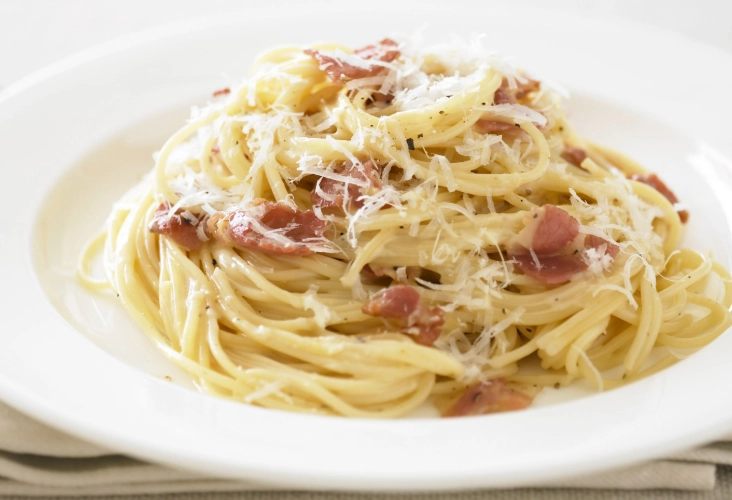
But here's the thing. Outside of Italy, especially in places like the UK, the US, and parts of Northern Europe, the version of carbonara that most people know and love is often the creamy one. The one with heavy cream or even a splash of milk. It's richer, it's saucier, and it feels more forgiving to cook. So which one is right? Well, that depends entirely on who you ask and what you're trying to achieve in your own kitchen.
This is the messy, delicious, and surprisingly emotional world of carbonara. We're going to dig into the whole story. We'll look at the strict, traditional recipe that purists swear by (egg yolks, guanciale, pecorino, pepper, and pasta water – that's it). Then, we're going to fully explore the much-debated, often-maligned, but wildly popular traditional Italian carbonara recipe with cream. I'll give you my tested method for making it, explain why the cream version even exists, and tackle all the questions you probably have. Is it authentic? Not by Roman standards. Is it delicious? Absolutely, in its own way.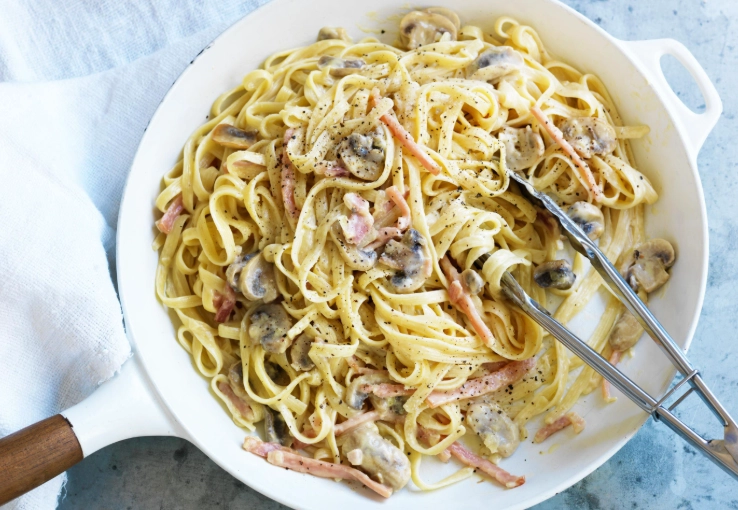
The Heart of the Matter: What *Is* Traditional Carbonara?
Before we talk about adding cream, we need to understand what we're adding it to. The origins of carbonara are surprisingly fuzzy. Some say it was invented by coal miners ("carbone" means coal in Italian). Others say it was a post-WWII creation using American GIs' bacon and eggs. The Academia Barilla, a major authority on Italian gastronomy, doesn't pin down a single origin story but is very clear on the ingredients. The official, canonical recipe, as recognized by institutions like the Italian Academy of Cuisine, is brutally simple.
Real Roman carbonara is an exercise in minimalism and technique. It's about emulsion, not addition.
The magic happens when the hot pasta, straight from its cooking water, is tossed with the rendered fat from crispy guanciale (cured pork cheek). This hot mixture then cooks the raw egg and cheese mixture just enough to create a silky, creamy sauce that clings to every strand of pasta. The starch from the pasta water is the crucial thickener and binder. No cream, no butter, no garlic, no onions. Just five ingredients working in perfect harmony.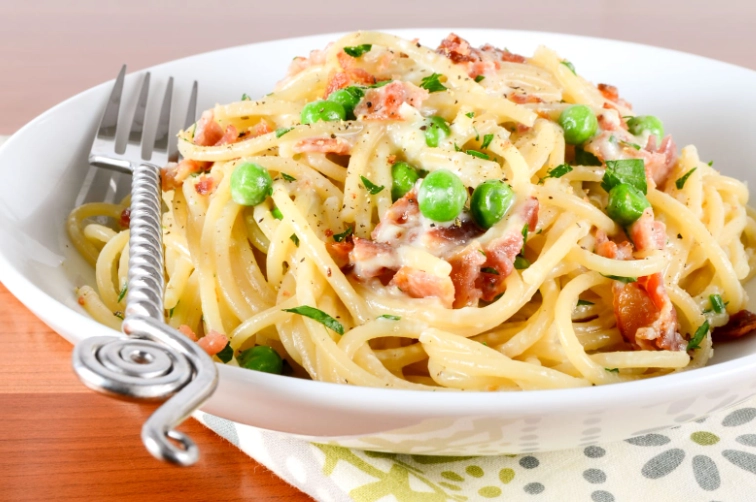
The Purist's Pantry: The Non-Negotiables
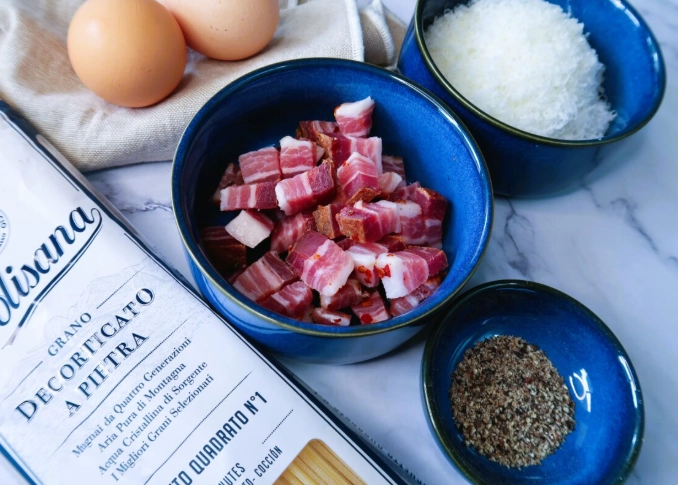
- Guanciale: This is the star. It's fattier and more flavorful than pancetta or bacon. If you can't find it, pancetta is the acceptable substitute. Bacon will work in a pinch but changes the flavor profile significantly.
- Pecorino Romano: A sharp, salty sheep's milk cheese. Parmigiano-Reggiano is sometimes used in a blend, but pecorino is the classic choice for its bite.
- Eggs: Typically whole eggs, or a mix of whole eggs and extra yolks for extra richness. They must be at room temperature.
- Black Pepper: Freshly ground, and lots of it. It's not just seasoning; it's a key flavor component.
- Pasta: Spaghetti or rigatoni are the traditional shapes. The long, thick shapes are perfect for holding the sauce.
So, if this is the perfect, time-honored method, why on earth would anyone mess with it by adding cream? The answer is simpler than you might think.
Why Cream? The Case for the Controversial Carbonara
I want to be honest here. My first few attempts at making traditional carbonara were... disasters. I ended up with scrambled eggs and pasta, or a sauce that was too thin and runny. The margin for error is slim. You need the right heat, the right timing, and a bit of confidence. Adding cream is, fundamentally, a safety net. It stabilizes the sauce, makes it almost impossible to curdle the eggs, and guarantees a luxuriously thick, creamy result every single time.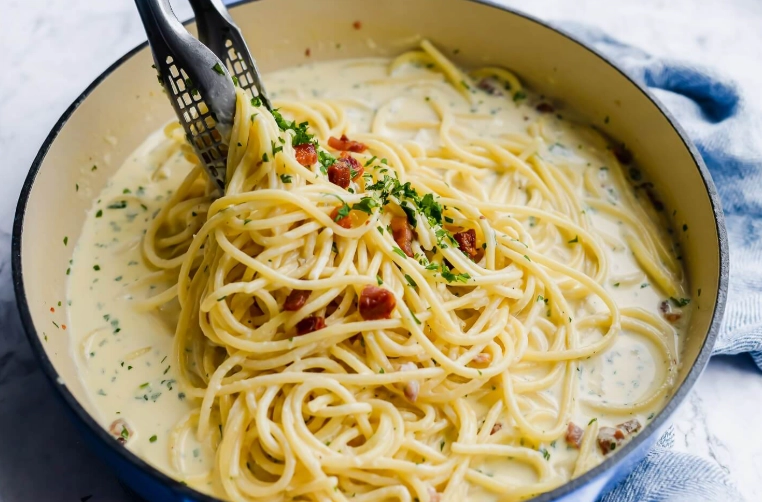
This isn't just a home cook's hack, either. Many restaurants outside Italy use cream in their carbonara. It allows them to prepare elements in advance, cook at a higher volume, and deliver a consistently rich product that customers have come to expect. When you search for a traditional Italian carbonara recipe with cream, you're often looking for that guaranteed creamy texture without the stress.
The cream version solves a practical problem: it delivers the "creamy" expectation in the name, reliably.
There's also a flavor and texture preference. The cream adds a mellowness, a sweetness that counteracts the saltiness of the pecorino and guanciale. It creates a heavier, more indulgent sauce. For some people, that's simply what they prefer. Calling it "inauthentic" doesn't make it taste worse on the plate.
My Go-To Creamy Carbonara Recipe
Alright, let's get cooking. This is the method I've refined over the years for when I want that ultra-creamy, no-fuss carbonara. It's a hybrid approach that respects the spirit of the original while embracing the cream cheat.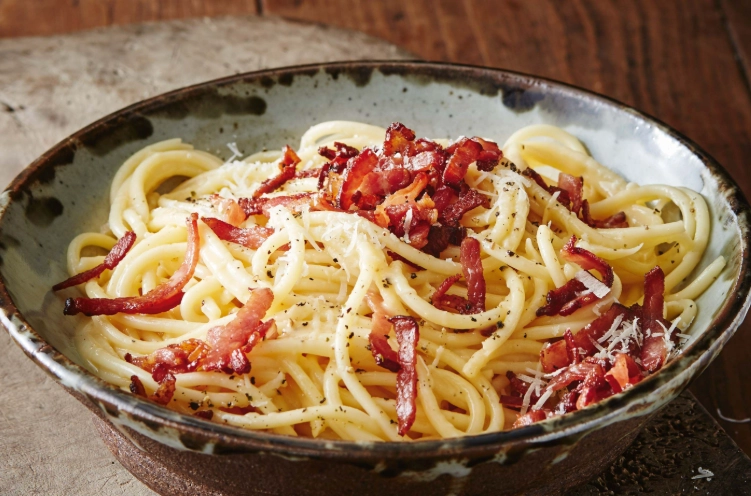
Ingredients (Serves 4)
| Ingredient | Quantity | Notes |
|---|---|---|
| Guanciale (or Pancetta) | 150g (5 oz) | Diced into small lardons |
| Spaghetti or Rigatoni | 400g (14 oz) | Use a good quality durum wheat pasta |
| Egg Yolks | 4 large | At room temperature |
| Whole Egg | 1 large | At room temperature |
| Pecorino Romano, grated | 100g (1 cup) | Freshly grated is essential |
| Heavy/Double Cream | 120ml (1/2 cup) | Don't use light cream |
| Freshly Cracked Black Pepper | Plenty | To taste |
| Pasta Cooking Water | As needed | Reserve at least a cup |
Step 1: The Pork. Start by cooking your diced guanciale in a large, cold pan. No oil needed. Turn the heat to medium and let it render slowly until it's golden and crispy. This takes patience – you want the fat to liquefy and the meat to crisp, not burn. Once done, turn off the heat. Leave the guanciale and all that glorious fat in the pan.
Step 2: The Pasta. While the pork cooks, get a large pot of well-salted water boiling. Cook your pasta until it's al dente – usually a minute or two less than the package says. This is critical. Before you drain it, scoop out at least a cup of the starchy pasta water. Then drain the pasta.
Step 3: The Creamy Sauce Base. In a medium bowl, whisk together the egg yolks, whole egg, and the heavy cream until just combined. Don't over-whisk. Then, whisk in about two-thirds of the grated pecorino cheese and a huge amount of black pepper. This is your sauce mixture.
Step 4: Bringing It All Together. This is the crucial moment. Add the hot, drained pasta directly to the pan with the guanciale and its fat. Toss it well so every strand is coated in the fat. Take the pan off the heat source entirely. Let it cool for just 30 seconds. Now, quickly pour in your egg and cream mixture, tossing and stirring constantly and vigorously. The residual heat from the pasta and pan will cook the eggs gently and thicken the cream.
Step 5: The Final Touch. If the sauce looks too thick, add a splash of the reserved pasta water, a tablespoon at a time, until it reaches a silky, flowing consistency. It should coat the pasta thickly, not pool at the bottom of the bowl. Serve immediately, topped with the remaining pecorino and another crack of black pepper.
This method for a traditional Italian carbonara recipe with cream gives you the best of both worlds: the iconic flavors of guanciale and pecorino, with the foolproof, luxurious texture that cream provides.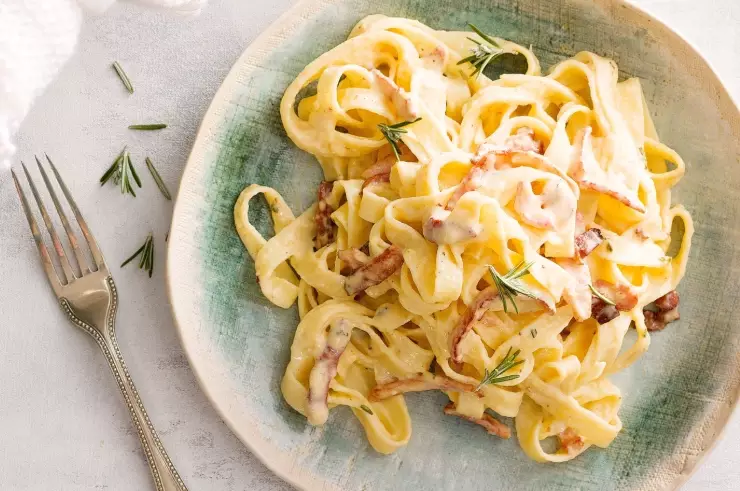
The Big Questions: Your Carbonara Dilemmas Solved
Is carbonara with cream really Italian?
This is the big one. The short answer is no, not in the context of Italy's culinary tradition. The official, protected recipes from Roman institutions and culinary academies explicitly forbid cream. However, food evolves. In many Italian homes, especially in the north, a splash of cream might be used. But if you're aiming for *Roman* carbonara, cream is not part of the tradition. What we're making is an international adaptation, a variation that has become a tradition in its own right elsewhere.
Can I use milk instead of cream?
You can, but I wouldn't recommend it for this specific traditional Italian carbonara recipe with cream. Milk is much thinner and has a higher water content. It won't provide the same stabilizing, rich thickening power that heavy cream does. You're more likely to end up with a thin, watery sauce. If you're out of cream, you're better off attempting the traditional method with extra egg yolks and being very careful with your technique.
Why did my creamy carbonara turn out greasy?
This usually points to one issue: too much guanciale fat in the pan. When you render the pork, you only need to cook it until it's crispy, then you should consider draining off some of the excess fat before adding the pasta. You want enough to coat the pasta, but not so much that it swims. The cream and eggs will emulsify with a moderate amount of fat, but an excessive amount will separate and make the dish feel oily.
Can I make carbonara ahead of time?
Honestly, no. Not really. Neither the traditional nor the cream version is a good make-ahead dish. The sauce will thicken and congeal as it sits, and reheating it almost always leads to curdling. Carbonara is a "last minute" pasta. Prep your ingredients (have your cheese grated, your guanciale diced, your sauce mixture ready in a bowl), but only combine everything in the final 2 minutes before serving. It's part of its charm – it demands your attention.
Side-by-Side: A Quick Comparison
Let's lay it out clearly. What are you actually choosing between?
| Aspect | Traditional (No Cream) | With Cream Variation |
|---|---|---|
| Texture | Silky, light, coating. An emulsion. | Thick, lush, uniformly creamy. |
| Flavor Profile | Sharp, salty, peppery, porky. The individual ingredients shine. | Mellower, richer, sweeter. The cream blends and softens the edges. |
| Difficulty & Risk | Higher. Risk of scrambled eggs if heat is wrong. | Lower. Cream acts as a stabilizer, very forgiving. |
| Authenticity (Roman) | 100%. The official recipe. | 0%. An international adaptation. |
| Best For | Purists, technique lovers, a lighter yet intense meal. | Weeknight cooks, cream lovers, guaranteed rich results. |
See? It's not about one being "better." It's about which result you're in the mood for, and what kind of cooking experience you want.
Final Thoughts: Breaking the Rules (Tastefully)
I love a perfectly executed traditional carbonara. When you get that silky, eggy sauce just right, it's a revelation. But I also have zero guilt about making a traditional Italian carbonara recipe with cream on a busy Wednesday when I want comfort without the stress. The food police aren't coming to your kitchen.
The most important lesson from Italian cooking isn't blind adherence to rules, but respect for quality ingredients. So whether you choose the purist path or the creamy detour, make it count. Use the best guanciale or pancetta you can find. Buy a wedge of real Pecorino Romano and grate it yourself. Use fresh eggs and fantastic pasta. Cook with care.
A great dish made with joy and good ingredients is always authentic to something.
So go ahead. Try the traditional method when you're feeling brave. Master the creamy version for reliable dinners. Understand why each exists. That knowledge, more than any single recipe, is what makes you a better cook. And maybe, just maybe, keep the cream a secret if you ever find yourself in that little trattoria in Rome.
Related Articles
How to Make Italian Beef on the Stove Top: A Chicago-Style Guide

The "half-year report" of the economy of 31 provinces is released: Inner Mongoli
The 4 Essential Carbonara Ingredients (No Cream Recipe)

Ten-fold stocks appeared! A-shares set off a "price increase", foreign capital b
Italian Vinaigrette vs Italian Dressing: The Real Difference Explained