Authentic Carbonara Recipe (No Cream): Traditional Italian Method
Your Carbonara Roadmap
Let's be honest. I messed up carbonara for years. I'd toss in a splash of cream, thinking it made the sauce richer, creamier, "better." It wasn't until I spent time in Rome, watching a nonna work her magic with just eggs, cheese, pork, and pepper, that I realized how far off I was. That thick, heavy sauce I used to make? It had nothing on the silky, elegant, and intensely flavorful emulsion of a true Carbonara traditional italian recipe no cream.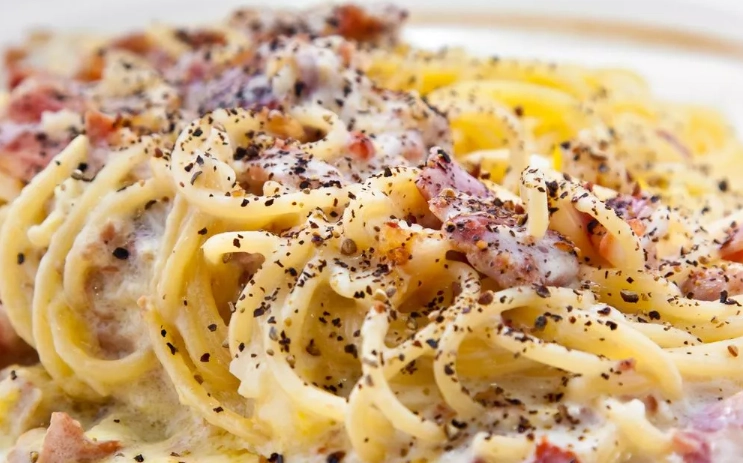
The difference is night and day. And the best part? The authentic version is arguably easier. It's about technique, not a laundry list of ingredients. If you've ever wondered why your carbonara sauce turns into scrambled eggs or feels gluggy, or if you're just tired of seeing "authentic" recipes that sneak in cream, you're in the right place. This is a deep dive into the real method, the why behind every step, and how to absolutely nail it every single time.
The Core Philosophy: Authentic Roman carbonara is an exercise in minimalist perfection. It relies on the emulsifying power of pasta water, high-quality fats, and the gentle heat of the pasta itself to create a sauce that coats, not drowns. Cream is a modern, non-Italian addition that masks the beautiful, sharp flavors of pecorino and the savory depth of guanciale.
Why "No Cream" is Non-Negotiable for a Traditional Carbonara
This is the hill many Italian chefs will die on. Adding cream to carbonara isn't just a variation; it's a fundamental misunderstanding of the dish. Think about it. The recipe was born in the mid-20th century, likely from the ingenuity of Romans using rations from Allied soldiers (eggs, bacon, powdered pepper) and local cheese. Cream wasn't a staple. It wasn't needed.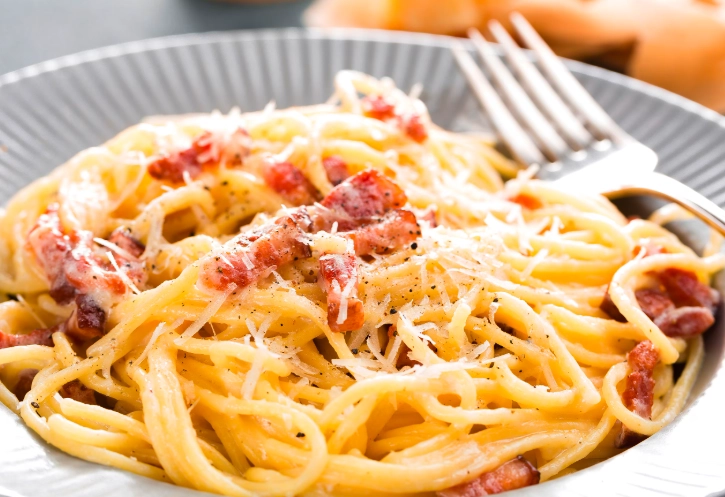
From a technical standpoint, cream completely changes the sauce's texture and flavor profile. A real carbonara sauce is a suspension of fat and protein—a delicate, creamy emulsion made by vigorously mixing starchy pasta water with rendered pork fat, egg yolks, and cheese. Cream introduces dairy fats and casein proteins that overpower this balance. It makes the sauce heavier, sweeter, and masks the sharp, salty punch of pecorino romano. It's a cheat that prevents you from learning the proper technique.
If your recipe calls for cream, it's not a traditional Italian carbonara. It might be tasty, but it's a different dish. Call it "creamy carbonara-style pasta" if you like, but don't confuse the two. The Italian Academy of Cuisine (Accademia Italiana della Cucina), which works to preserve Italy's culinary heritage, has even deposited an official recipe for Spaghetti alla Carbonara, and you can bet your last euro there's no cream in it.
So, what *does* make it creamy? Magic? Not quite. It's science. The starches from the pasta water, when whisked with the fat and eggs, create a stable, velvety emulsion. It's a sauce that clings to every strand of spaghetti. Achieving that is the true goal of the carbonara traditional italian recipe no cream.
The Four Pillars: Ingredients for Authentic Carbonara
You only need five things. Their quality directly dictates the outcome. There's nowhere to hide.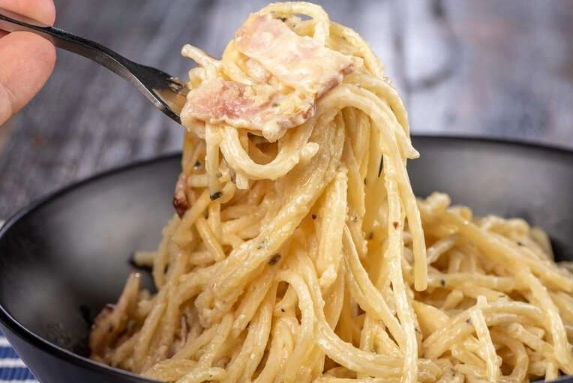
| Ingredient | The Authentic Choice (& Why) | Common Substitutes (The Compromises) |
|---|---|---|
| Pasta | Spaghetti (No. 5) or Rigatoni. Long, sturdy shapes that hold the sauce well. The thickness of spaghetti No. 5 is considered ideal in Rome. | Bucatini, tonnarelli, or fettuccine work. Avoid delicate shapes like angel hair. |
| Pork | Guanciale. Cured pork jowl. This is non-negotiable for purists. It has a higher fat content and a more complex, porkier, slightly funky flavor than pancetta. The fat renders beautifully and is key to the sauce. | Pancetta (cured pork belly) is the acceptable Plan B. Regular bacon is a distant third—it's smoked and often sweetened, which changes the flavor profile dramatically. |
| Cheese | Pecorino Romano. Sharp, salty, sheep's milk cheese from Lazio. It's the soul of the dish. Its tang cuts through the fat. | A 50/50 mix of Pecorino and Parmigiano-Reggiano is common for a slightly milder, nuttier flavor. Using only Parmigiano makes it a different, milder sauce. |
| Eggs | Fresh, large egg yolks. For 4 servings, use 4 egg yolks and 1 whole egg. The yolks provide richness and emulsifying power; the whole egg adds a bit of structure. | Some use only yolks (richer), some 2 whole eggs (lighter). The yolk-heavy version is more traditional and luxurious. |
| Pepper | Freshly cracked black pepper. Not pre-ground. You need the volatile oils and texture. It's a main seasoning, not just a garnish. | None. Seriously, just get a pepper mill. |
See? No garlic. No onions. No parsley. No cream. Just these five stars. When you focus on them, each one shines. I made the switch to guanciale a few years back, and it was a revelation. The fat is silkier, and the meaty bits have a more interesting chew than pancetta. It can be tricky to find, but a good Italian deli or online retailer will have it. It's worth the hunt for a true traditional italian recipe no cream experience.
Pro Tip for Cheese: Always grate your own cheese. Pre-grated cheese contains anti-caking agents (like cellulose) that prevent it from melting smoothly into your sauce, leaving you with a grainy texture. A few minutes with a microplane makes all the difference.
The Step-by-Step Method: Where the Magic Happens
This is where people get nervous. The "scrambled eggs" fear is real. But if you follow the order and control the heat, it's foolproof. The key is using the residual heat of the pasta, not direct stove heat, to cook the eggs.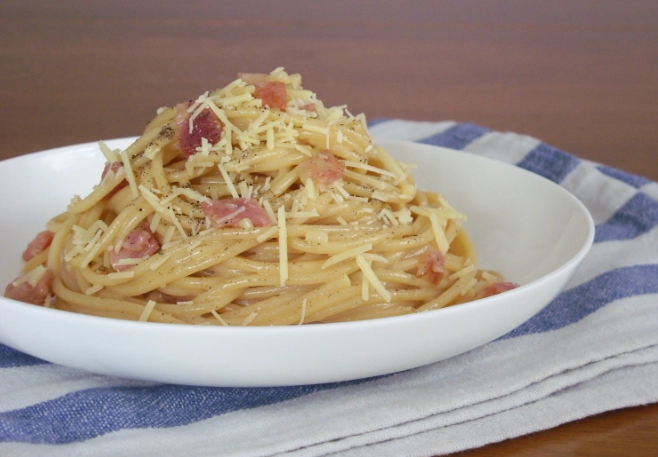
Stage 1: Prep is Everything (Mise en Place)
Have everything ready before you even boil water. Carbonara comes together in about 2 frantic minutes at the end. You can't be grating cheese then.
- Cube the guanciale/pancetta into 1/4-inch lardons. Not too small, you want little crispy-meaty bites.
- Grate all your cheese finely. For 4 servings, you'll need about 1 heaping cup (combined weight ~100g).
- Make your egg mixture: In a large, heat-proof bowl (this is crucial—it will become your mixing/serving bowl), whisk together 4 egg yolks and 1 whole egg. Whisk in about 3/4 of your grated cheese and a very generous amount of freshly cracked black pepper. It will look like a thick paste. Set this bowl aside near the stove.
- Start boiling a large pot of well-salted water for your pasta.
Get this right, and the rest is a dance.
Stage 2: Building Flavor Foundations
While the pasta water comes to a boil, cook your guanciale. Use a cold pan. Add the cubes to a skillet (no oil needed) and turn the heat to medium-low. You want to render the fat slowly, gently, until the pieces are golden and crispy but not burnt or desiccated. This could take 10-15 minutes. Patience here gives you crispy meat and liquid gold—the rendered fat. Once done, turn off the heat. Leave the guanciale and all its fat in the pan.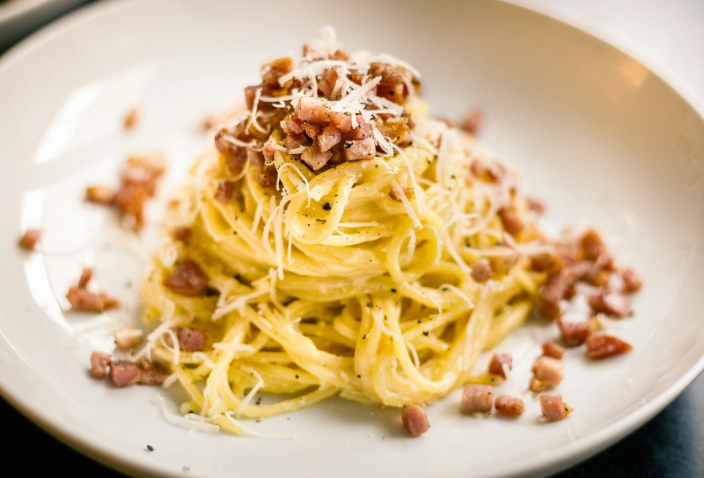
Stage 3: The Emulsification Tango
This is the moment. Cook your pasta in the boiling water, but take it out 1-2 minutes before the package's "al dente" time. It will finish cooking in the sauce.
- Reserve Pasta Water: Before draining, scoop out about 1 1/2 cups of the starchy pasta water. This is your sauce-maker.
- Combine Hot Pasta & Pork: Drain the pasta and immediately add it to the skillet with the guanciale and fat. Toss it well over the turned-off (but still warm) heat to coat every strand in that glorious fat.
- The Critical Cool-Down: Here's a trick I learned from an old Roman cookbook: let the pasta sit for just 30 seconds off the heat. You want it hot enough to cook the eggs, but not so blazing hot it turns them into curds.
- Create the Sauce: Now, quickly transfer the hot pasta and guanciale mixture into the large bowl with the waiting egg/cheese paste. Work fast! Immediately start tossing and stirring vigorously with a set of tongs or two forks. The heat from the pasta will begin to cook and melt the cheese.
- Add the Magic Water: This is the most important step. Start adding your reserved pasta water, a splash at a time (maybe 1/4 cup to start), while continuously tossing and stirring. You'll see the thick paste loosen into a shiny, creamy, luxurious sauce that coats the pasta. Keep adding water and tossing until you achieve a silky, flowing consistency. The sauce should pool slightly at the bottom of the bowl but still cling. You might use 1/2 to 3/4 cup total.
What's happening scientifically? The starch molecules in the pasta water are bonding with the water and fat molecules, creating a stable network that holds the fat droplets (from the guanciale and egg yolks) in suspension. The gentle heat denatures the egg proteins just enough to thicken the sauce without coagulating them into solid bits. You're making a savory custard, essentially.
If you've done it right, you'll have a bowl of spaghetti coated in a uniform, pale yellow, creamy sauce with no streaks of cooked egg. It's pure alchemy. Finish with the remaining grated cheese and another crack of black pepper. Serve immediately. A carbonara traditional italian recipe no cream waits for no one; it starts to thicken as it sits.
Top Mistakes & How to Fix Them Forever
Everyone stumbles. Here’s a quick-hit list of common fails and the solutions, drawn from my own many, many errors.
- Scrambled Egg Sauce: Cause: The pasta was too hot when added to the eggs. Fix: Let the pasta cool slightly in the guanciale pan for 30 sec, or add a tiny splash of pasta water to the egg mixture to temper it before adding the pasta.
- Dry, Clumpy Sauce: Cause: Not enough pasta water, or adding the cheese too late. Fix: Be more generous with the starchy water. It's the key to fluidity. And make sure the cheese is in the egg mixture from the start.
- Greasy, Separated Sauce: Cause: Too much rendered fat from the pork, or not enough vigorous mixing to emulsify. Fix: You can drain a little excess fat from the guanciale pan before adding the pasta. And mix like your dinner depends on it when combining everything in the bowl.
- Bland Sauce: Cause: Not enough salt (from pasta water/cheese) or pepper. Fix: Salt your pasta water like the sea. Taste the final dish and don't be shy with extra pecorino and pepper at the end.
The biggest mistake of all? Being afraid of the process. Dive in.
Answering Your Carbonara Questions (The FAQ)
Let's tackle the stuff you're probably Googling mid-cook.
Can I use bacon instead of guanciale or pancetta?
You *can*, but it won't be authentic. Bacon is smoked (sometimes sweetened), which introduces a flavor that's not part of the traditional Roman profile. If you must, use a thick-cut, unsmoked bacon if you can find it, and be aware you're making an adaptation. The fat will also behave differently.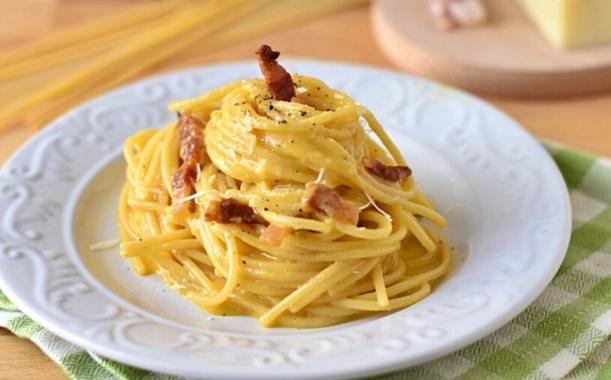
Why do some recipes use whole eggs and some only yolks?
It's a texture preference. All yolks make a richer, deeper yellow, and more unctuous sauce—closer to the restaurant-style luxury. Using a combination of whole eggs and yolks is more common in home cooking, making it a bit lighter and easier to emulsify without over-thickening. For your first try at a traditional italian recipe no cream, I'd recommend the 4 yolk + 1 whole egg combo. It's forgiving and decadent.
Can I make carbonara ahead of time or reheat leftovers?
No. And no. This is a dish to be eaten the second it's made. Reheating will almost certainly cause the eggs to scramble and the sauce to break. The best you can do with leftovers is enjoy them cold, straight from the fridge (which, honestly, isn't half bad).
Is it safe to eat raw eggs?
The eggs in a properly made carbonara are gently cooked by the residual heat of the pasta, so they are not raw. They are brought to a safe temperature (around 160°F/71°C at the core of the sauce) that pasteurizes them. If you are immunocompromised, pregnant, or concerned, use pasteurized eggs in the shell. The risk in a properly executed recipe is considered very low by food safety experts, including those at the USDA, who note that eggs cooked in sauces to 160°F are safe.
What wine do you pair with carbonara?
You need something with good acidity to cut through the richness. A white like a Frascati (from the hills near Rome itself) or a Grechetto is classic. A light-bodied red like a young Chianti or a Montepulciano d'Abruzzo can also work if you prefer red. Sparkling water is always a perfect choice too.
Final Thoughts: Embracing the Simplicity
Mastering the authentic Carbonara traditional italian recipe no cream is a culinary rite of passage. It teaches you about emulsion, about respecting ingredients, and about the confidence that comes from nailing a technique. It's a dish that proves less is often profoundly more.
Forget the cream. Forget the garlic. Trust the process. Get the best ingredients you can, set up your mise en place, and go for it. When you serve up that first perfect plate—silky, salty, peppery, and rich without being heavy—you'll understand why Romans guard this recipe so jealously. It's not just pasta; it's a perfect, simple equation of flavor and texture that's stood the test of time.
Want to dive deeper into Roman cuisine? The official tourism site for Rome, Turismo Roma, has great resources on food culture. For more on the science of pasta and sauces, resources from organizations like the Italian Pasta Makers Association can be fascinating.
So, what are you waiting for? Put the pot on to boil. Your journey to perfect, authentic, cream-free carbonara starts now.
Related Articles
Zesty Italian Dressing Recipe: Easy Homemade Guide
The Ultimate Guide to a 3 Course Vegetarian Italian Meal
Authentic Italian Cannoli Recipe: Crispy Shells & Sweet Ricotta Filling
Master Italian Meatball Recipes: Secrets from Nonna's Kitchen
What Are the Three Ingredients in Italian Pasta Sauce? (The Essential Trio)