The Real Carbonara: An Easy, Authentic Italian Recipe (No Cream!)
Quick Guide
- What Actually Is Traditional Carbonara?
- The 5 Non-Negotiable Ingredients (And What You Can Swap If You Must)
- Your Toolkit: What You Need (And Don't Need)
- The Step-by-Step: How to Make Carbonara the Right Way
- Top 5 Mistakes That Ruin Carbonara (And How to Avoid Them)
- Answering Your Carbonara Questions (FAQ)
- A Note on Authenticity and Having Fun
Let's be honest. You've probably had a version of carbonara that was heavy, loaded with cream, and maybe even had peas or mushrooms in it. I've been there too. I used to think that's what it was. Then I went to Rome and had the real thing. It was a revelation—creamy, salty, peppery, and incredibly light all at once. It felt like a totally different dish. And the best part? The traditional recipe is shockingly simple. We're talking about five ingredients. That's it. No fancy techniques, no hours of simmering. But there's a catch. With so few ingredients, each one matters a lot, and the technique is everything. Get it wrong, and you have scrambled eggs with pasta. Get it right, and you have a plate of magic.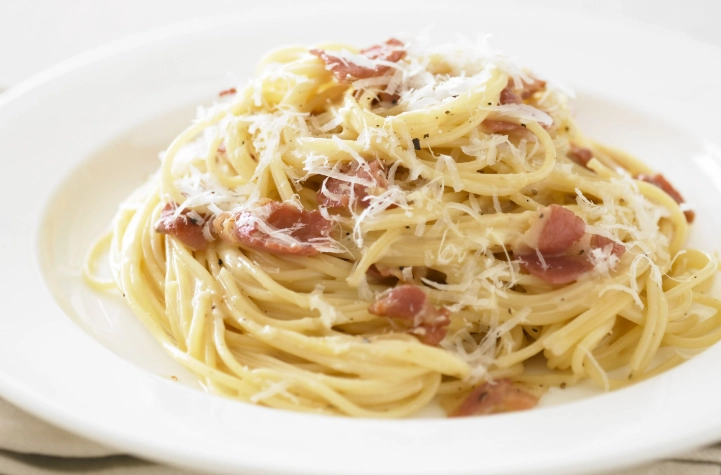
So, why is it so hard to find a good, carbonara traditional italian recipe easy to follow? I think it's because we overcomplicate it. We add things thinking it will make it better. It doesn't. This guide is my attempt to cut through all the noise. I want to give you a straight-up, no-nonsense, step-by-step method to make authentic carbonara at home. It's easier than you think, but you have to be willing to follow the rules. No cream. I'll say it again for the people in the back: NO CREAM.
What Actually Is Traditional Carbonara?
First things first, let's clear up what we're making. Authentic carbonara, or "Pasta alla Carbonara," is a Roman dish. Its origins are a bit murky—some say it was created for coal workers (*carbonai*), others that it was popularized with American soldiers and their eggs and bacon after WWII. Whatever the story, the pillars are fixed: guanciale (cured pork cheek), pecorino romano cheese, eggs, black pepper, and pasta (usually spaghetti or rigatoni).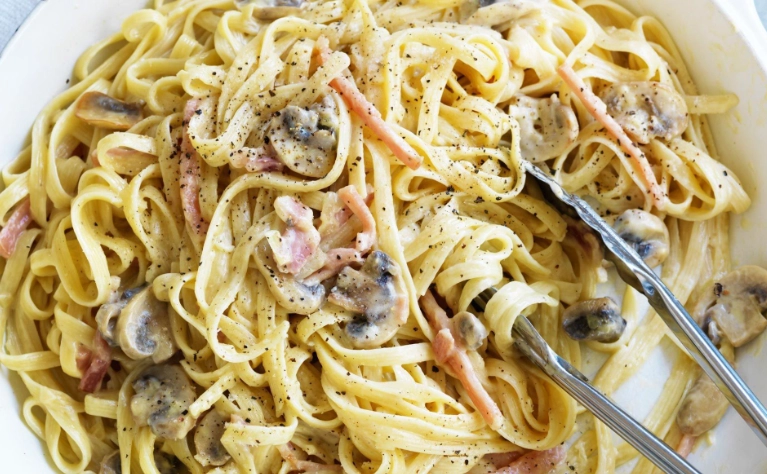
The Cream Controversy: If you see a recipe calling for cream, half-and-half, or milk, it's not a traditional carbonara. It might be tasty, but it's a different sauce. The creaminess in the real deal comes only from the emulsification of pasta water, fat, and egg yolks. Adding dairy makes it heavier and masks the beautiful, sharp flavors of the pecorino and guanciale.
I made the cream mistake for years. I thought it was necessary to keep the eggs from scrambling. It's not. It's a crutch. And once you learn the proper technique, you'll never go back. The goal is a silky, glossy sauce that coats each strand of pasta, not a thick, gloppy one that sits on top.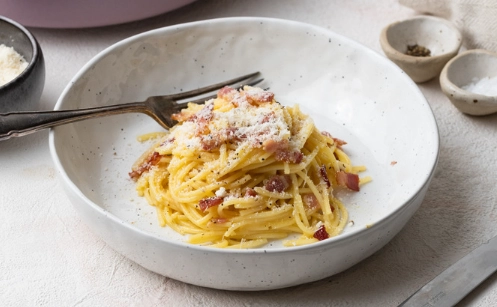
The 5 Non-Negotiable Ingredients (And What You Can Swap If You Must)
Here’s where most people go off the rails. Substituting ingredients changes the soul of the dish. For your first attempt at a traditional italian carbonara recipe, try to get the real stuff. I promise it makes a world of difference. But I'm also a realist. Sometimes you can't find guanciale. Let's break it down.
| Ingredient | The Authentic Choice | Why It Matters | The Acceptable Substitute (In a Pinch) |
|---|---|---|---|
| Pork | Guanciale | It's from the pork cheek/jowl. It's fattier, more flavorful, and has a softer texture than pancetta. When rendered, the fat is sweet and fragrant, forming the base of the entire sauce. | Pancetta (Italian cured pork belly). It's more widely available. The flavor is slightly different (more meaty, less funky), but it works well. Avoid regular American bacon—it's too smoky and sweet. |
| Cheese | Pecorino Romano (sheep's milk) | It's sharp, salty, and tangy. This saltiness seasons the dish, so you often need little to no added salt. Its flavor is irreplaceable. | A mix of Pecorino and Parmigiano-Reggiano (50/50). Pure Parmigiano is too sweet and nutty on its own, but a blend can work if Pecorino is too strong for you. |
| Eggs | Egg yolks + 1 whole egg | Yolks provide richness and creaminess. Using a mix of yolks and one whole egg gives the sauce better structure and helps it cling to the pasta. | All whole eggs. The sauce will be slightly less rich and more likely to scramble if you're not careful, but it's doable. |
| Pepper | Freshly ground black pepper | Not just seasoning—it's a main ingredient. You toast it in the pork fat to release its oils, giving the dish a warm, aromatic spice. | None. Pre-ground pepper is a tragedy here. If you only have that, use it, but know the flavor will be flat. |
| Pasta | Spaghetti (or Rigatoni) | Long, sturdy pasta holds the sauce well. The shape is traditional in Rome. Rigatoni's ridges are great for catching chunks of guanciale. | Any long, thick pasta like bucatini, fettuccine, or linguine. Avoid delicate shapes like angel hair. |
A quick story: The first time I tracked down real guanciale, I was skeptical. Was it really that different? I fried it up, and the smell alone convinced me. It's less aggressively smoky than bacon and has a deeper, more savory pork flavor. It's the star. If you have an Italian deli or a well-stocked grocery nearby, it's worth the hunt. You can also find it online from reputable vendors like Zingerman's or other specialty food retailers.
Your Toolkit: What You Need (And Don't Need)
You don't need fancy gear. In fact, too many bowls can trip you up. Here's my streamlined setup:
- A large pot for boiling pasta. Make sure it's big enough so the pasta can move freely.
- A large skillet or frying pan (not non-stick, ideally). You'll cook the guanciale and later toss the pasta in here.
- One medium mixing bowl. This is for your egg and cheese mixture. A bowl that's slightly too big is better than one that's too small.
- Tongs. Essential for moving pasta from the pot to the pan.
- A fork or small whisk. For beating the eggs and cheese.
- A measuring cup or mug. For rescuing precious pasta water.
Pro Tip: Set everything up before you turn on the heat. Carbonara comes together in about 2 frantic minutes at the end. You won't have time to grate cheese or separate eggs while the pasta is cooking. Have your guanciale diced, cheese grated, eggs mixed, and pepper ground. This "mise en place" is the secret to a stress-free, easy carbonara recipe.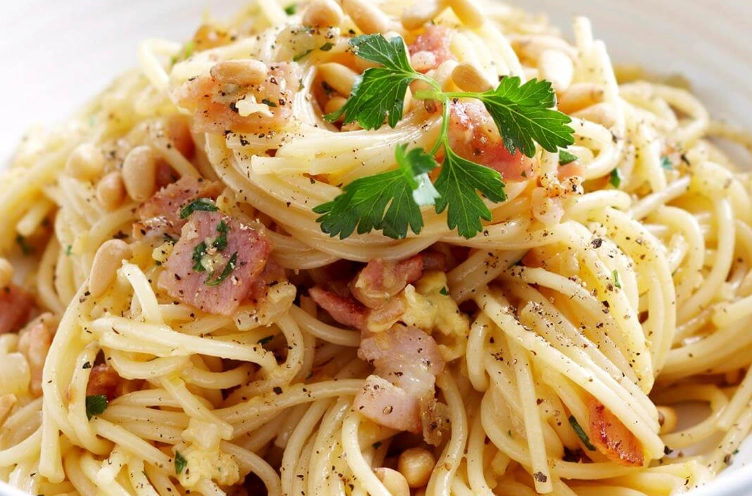
The Step-by-Step: How to Make Carbonara the Right Way
Okay, here we go. This is the core of your carbonara traditional italian recipe easy method. Follow these steps closely, and you'll nail it.
Step 1: Prep Your Foundation
Dice the guanciale (or pancetta) into roughly 1/4-inch lardons. Not too small—you want little crispy-meaty bites. Grate your pecorino cheese finely. Don't use pre-grated; it contains anti-caking agents that prevent it from melting smoothly. Separate your eggs: For 4 servings, use 3 whole eggs and 2 extra yolks (or 4 yolks + 1 whole egg). Place them in your mixing bowl. Add all but a small handful of the grated pecorino to the eggs. Add a very generous amount of freshly ground black pepper. Beat this mixture with a fork until it's smooth and homogenous. It will look thick and pasty. That's fine. Set this bowl aside near your stove.
Step 2: Cook the Pork and Start the Pasta
Put your diced guanciale in a cold skillet. No oil needed. Turn the heat to medium-low. Let the fat render slowly. This is crucial. You want the pieces to become golden and crispy, and the fat to become liquid and clear, not burnt. This should take 10-15 minutes. While that's happening, bring your large pot of water to a rolling boil. Salt it heavily—it should taste like the sea. This is the only chance to season the pasta itself. Add your spaghetti and cook it according to the package directions, but aim for al dente (firm to the bite).
Step 3: The Critical Moment – Combining Everything
When the guanciale is crisp, turn off the heat under the skillet. Leave the fat in the pan. Use your tongs to transfer the cooked pasta directly from the boiling water into the skillet. Do not drain it in a colander! You want it wet. This is key. Toss the pasta vigorously in the guanciale fat. The starch on the pasta will start to combine with the fat, creating the beginning of an emulsion.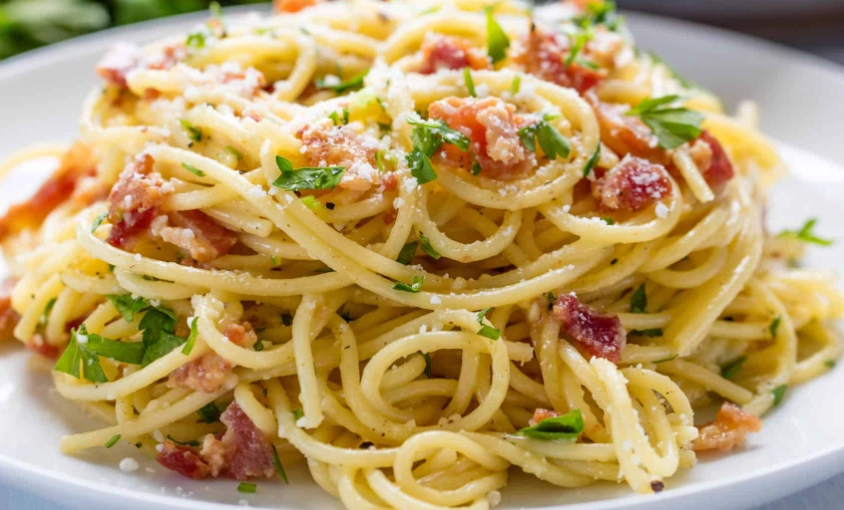
Now, take a cup of the starchy pasta water from the pot. Slowly, slowly drizzle a few tablespoons into your egg/cheese mixture while stirring quickly. This "tempers" the eggs, warming them up gently so they don't scramble when they hit the hot pasta.
Move the skillet off the stove entirely (onto a cold burner or a trivet). Wait about 60 seconds. The pan should still be hot but not scorching. Now, pour the tempered egg mixture over the pasta. Immediately start tossing, lifting, and stirring like crazy. Use the tongs and a circular motion. Add splashes of the reserved pasta water as you go—you'll probably need 1/4 to 1/2 cup total. The sauce will transform from a clumpy mess into a gorgeous, creamy, shiny coating right before your eyes. The residual heat from the pasta and pan cooks the eggs perfectly, creating a custard, not scrambled eggs.
The "No Scramble" Secret: The pan must be off direct heat when you add the eggs. The pasta and pan's residual heat is enough to cook the sauce. If the sauce seems too thick or isn't coming together, add more hot pasta water. The water, fat, and eggs will emulsify. This is the magic.
Step 4: Serve Immediately
Plate it right away. Carbonara waits for no one. It starts to thicken and congeal as it sits. Top each plate with the reserved grated pecorino and another crack of black pepper. That's it. No parsley garnish (not traditional!), no extra oil. Just perfect, simple pasta.
Top 5 Mistakes That Ruin Carbonara (And How to Avoid Them)
I've messed up carbonara in every possible way so you don't have to. Here's the hall of shame:
- Using a screaming hot pan for the eggs. This is the scramble culprit. Number one mistake. Off the heat, people!
- Not using pasta water. The starchy water is the glue that binds the sauce. It's not optional. It's essential for creating that silky texture in your easy authentic carbonara recipe.
- Draining the pasta in a colander. You lose the starch and the pasta cools down too fast. Transfer it directly with tongs.
- Underseasoning. Remember, the pecorino is salty. Taste the guanciale fat. You may not need extra salt at all. But the pepper must be abundant and fresh.
- Letting it sit. Carbonara is a "pronto" dish. Serve it the second it's sauced. Have your family at the table, plates ready.
Answering Your Carbonara Questions (FAQ)
Absolutely. The technique is the same. Just scale down: 1 serving = 1 whole egg + 1 extra yolk, a small handful of guanciale (about 1.5 oz), a heaping 1/4 cup of grated pecorino, and 3-4 oz of pasta. Use a smaller skillet. The process is actually easier to control with a single portion.
The pan was too hot when you added the egg mixture. Next time, make sure you move the skillet off the stove and let it cool for a full minute. Also, tempering the eggs with a bit of pasta water first (as described in Step 3) is a great safety net.
I'm going to be brutally honest: it's never the same. The sauce breaks and becomes greasy. Carbonara is best eaten fresh. If you must, try reheating it very gently in a skillet with a splash of water, stirring constantly. But really, just eat it all. It's not a great leftovers dish, which is part of its special, immediate charm.
The eggs are cooked by the residual heat of the pasta and pan, so they are not raw. They are gently warmed to a safe temperature (around 160°F/71°C) which is enough to kill bacteria while keeping them creamy. If you are pregnant, immunocompromised, or very concerned, you can use pasteurized eggs in the shell. For more detailed food safety information on eggs, you can refer to resources from the USDA Food Safety and Inspection Service.
You want something that can cut through the richness. A dry white wine from the Lazio region (where Rome is) is classic, like a Frascati or Est! Est!! Est!!! di Montefiascone. A crisp, unoaked Italian white like a Vermentino or a Greco di Tufo works beautifully too. If you prefer red, go for a light-bodied, low-tannin red like a Barbera or a young Chianti.
A Note on Authenticity and Having Fun
Look, I've been pretty dogmatic about the rules here. That's because I want you to experience the genuine article first. Once you've mastered the traditional italian recipe easy version, you own it. Then you can play. Maybe you add a clove of garlic to the guanciale fat for flavor and remove it before adding the pasta (a common Roman tweak, though purists scoff). Maybe you use a different pasta shape. The point is to understand the foundation first.
The beauty of this dish is its stunning simplicity. It's a lesson in quality ingredients and precise technique. It's not hard, but it demands your attention. When you get that creamy, peppery, salty sauce just right, clinging to perfectly cooked pasta with bits of crispy pork… there's nothing better. It's a weeknight dinner that feels like a celebration.
My final piece of advice? Don't be intimidated. My first perfect carbonara came after a few gloppy, scrambled failures. It happens. Even in Italy, they debate the "right" way. The recipe I've outlined is widely accepted as the standard, and it's the one I've found to be most reliable and delicious. So grab your eggs, find that guanciale, and give it a shot. You might just find your new favorite easy carbonara recipe is the most traditional one of all.
Related Articles
Ultimate Guide to Homemade Italian Sausage Recipe (Sweet & Spicy)
Authentic Italian Meatballs Recipe: Tender, Juicy & Full of Flavor
The Ultimate Authentic Italian Hoagie Recipe: Make the Classic Philly Sandwich at Home
Authentic Italian Bruschetta Recipe: The Only Guide You'll Ever Need
Ultimate Guide to Italian Meatball Recipes: From Classic to Creative