Authentic Carbonara: The Real Italian Recipe (No Cream Needed)
In This Guide
- Where Did This No-Cream Wonder Come From? Debunking the Myths
- The Holy Quartet: Non-Negotiable Ingredients for Authentic Carbonara
- Step-by-Step: The Foolproof Method for Carbonara Without Cream
- Top Mistakes Everyone Makes (And How to Avoid Them)
- Your Carbonara Questions, Answered
- Beyond the Basics: Variations and Serving Ideas
Let's get something straight right off the bat. If your Carbonara recipe has cream in it, you're not making Carbonara. You're making a creamy pasta dish that might be delicious, but it's a world away from the sharp, rich, and beautifully simple magic of the real thing. I learned this the hard way after ordering Carbonara in a fancy restaurant outside of Italy and being served a plate of pasta swimming in a heavy, bland cream sauce. It was a culinary letdown of epic proportions.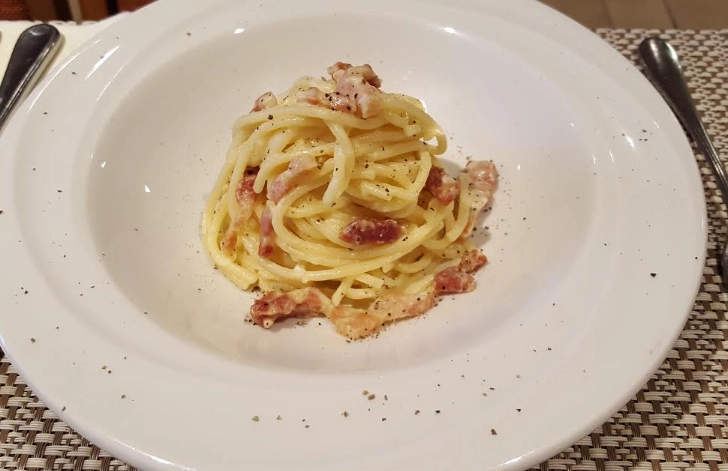
That experience sent me down a rabbit hole. I wanted to understand the Carbonara traditional Italian recipe without cream. What were the real origins? Why do so many people get it wrong? And most importantly, how do you make it properly at home? After digging through old Italian cookbooks, talking to chefs from Rome, and more than a few messy (and sometimes successful) kitchen experiments, I'm here to share what I found. This isn't just a recipe; it's a rescue mission for a dish that's been hijacked by shortcuts.
Where Did This No-Cream Wonder Come From? Debunking the Myths
Ask five Italians about the origins of Carbonara, and you'll get six stories. Some say it was invented by coal miners (carbone means coal in Italian) who needed a hearty, simple meal. Others claim it was a post-World War II creation, born from the meeting of American soldiers with their powdered eggs and bacon and local Italian pasta and cheese. The Academia Barilla, a respected authority on Italian gastronomy, notes that the first documented recipes appear in the mid-20th century, supporting the postwar theory.
But here's what's not up for debate: the earliest authentic recipes from Roman trattorias never, ever included cream. The classic texts of Italian cooking, like those from Pellegrino Artusi, don't mention a cream-based Carbonara. The version we're chasing—the traditional Italian Carbonara recipe without cream—is a Roman staple. It's a lesson in cucina povera (poor kitchen): making something extraordinary from a handful of humble, perfect ingredients.
It's fascinating, really. A dish with so few components has such a disputed past. But the present-day rules are much clearer.
The Holy Quartet: Non-Negotiable Ingredients for Authentic Carbonara
You can't build a palace on a shaky foundation. The same goes for Carbonara. Compromise on one of these four pillars, and the whole structure wobbles. This is the core of any search for a Carbonara traditional Italian recipe without cream.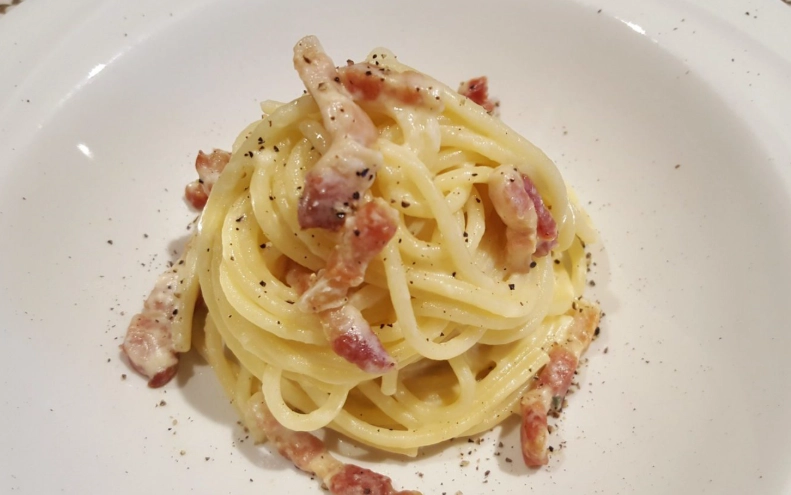
| Ingredient | The Authentic Choice (Non-Negotiable) | The Common Substitute (Compromise) | Why the Authentic One Wins |
|---|---|---|---|
| Pork Jowl | Guanciale | Pancetta or Bacon | Guanciale is cured pork jowl. It's fattier, more flavorful, and renders a silkier, more aromatic fat than pancetta. Bacon is smoked, which adds a completely foreign flavor. The fat from guanciale is the base of your "sauce." |
| Cheese | Pecorino Romano | Parmigiano-Reggiano or a mix | Pecorino Romano is a sharp, salty sheep's milk cheese from Lazio (the region Rome is in). It provides the necessary bite and saltiness that cuts through the fat. Parmigiano is nuttier and sweeter. A mix is common, but purists use only Pecorino. |
| Eggs | Fresh, high-quality egg yolks | Whole eggs | The yolk provides the rich, golden color and luxurious texture. Using whole eggs can make the result leaner and less creamy. For ultimate silkiness, it's yolks all the way. |
| Pasta | Spaghetti or Rigatoni | Any long pasta | Spaghetti is the classic. Its shape holds the emulsion beautifully. Rigatoni's ridges are fantastic for catching chunks of guanciale and cheese. Thinner pastas can't support the weight of the sauce. |
See? No cream. No onions. No garlic. No peas. Just these four power players. Now, I'll be honest—finding guanciale can be a pain if you don't have a good Italian deli nearby. I've used pancetta in a pinch, and the dish is still fantastic. But the first time you get your hands on real guanciale and taste the difference, you'll understand the fuss. The flavor is deeper, more complex, and just... right.
Step-by-Step: The Foolproof Method for Carbonara Without Cream
This is where most people panic. The fear of scrambling the eggs into chewy curds is real. I've been there, staring into a bowl of pasta that looks like it's dotted with yellow cottage cheese. It's not a good look. But with the right technique, it's surprisingly simple. Think of it as a rhythm, not a recipe.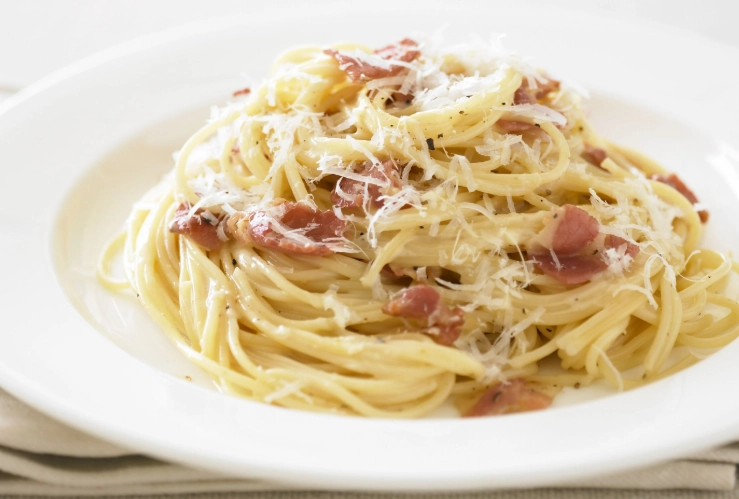
Prep is Everything (The *Mise en Place*)
Carbonara comes together in the time it takes the pasta to cook. There's no time to grate cheese or separate eggs at the last second. Get everything ready before you even think about boiling water.
- Cube the Guanciale: Cut it into roughly 1/4-inch thick slices, then into little matchsticks (batons). You want little lardons that will crisp up nicely.
- Grate the Cheese: Finely grate your Pecorino Romano. Do not use pre-grated cheese—it's coated in anti-caking agents that will ruin your emulsion. This is a hill I will die on.
- Separate the Eggs: For 4 servings, use 4 large egg yolks and 1 whole egg. The extra white from the whole egg helps the emulsion without making it too rich. Place these in a large, wide bowl that will later fit the pasta.
- Boil Water: Use a large pot with lots of heavily salted water. It should taste like the sea.
The Cooking Dance
- Render the Guanciale: In a cold, large skillet, add your guanciale pieces. Turn the heat to medium. You want to render the fat slowly until the pieces are golden and crisp, but not burnt or desiccated. This takes about 8-10 minutes. Once done, turn off the heat. You should have a generous amount of beautiful, fragrant fat in the pan.
- Cook the Pasta: Drop your spaghetti into the boiling water. Cook it 1-2 minutes less than the package says for al dente. It will finish cooking in the pan. This is crucial.
- Create the Cream: While the pasta cooks, take your bowl with the eggs. Whisk in almost all of your grated Pecorino Romano (save a little for garnish) and a generous amount of coarsely ground black pepper. The pepper isn't just seasoning; it's a key flavor component. The mixture will be thick and paste-like. That's fine.
Now, the critical moment.
- Combine with Confidence: Using tongs, transfer the al dente pasta directly from the pot into the skillet with the guanciale and its fat. Don't drain it in a colander! You need that starchy pasta water. Toss the pasta vigorously in the fat for a minute off heat. This coats every strand.
- The Emulsion: Take the skillet off the stove entirely (move it to a cold burner if you can). Now, quickly pour about 1/4 cup of the hot pasta water into your egg-and-cheese mixture to temper it, whisking constantly. Then, pour this tempered mixture over the pasta in the skillet.
- Toss Like Your Life Depends On It: Using those tongs again, toss, stir, and lift the pasta rapidly. The goal is to coat every strand with the emerging sauce. The residual heat from the pasta and pan will gently thicken the eggs into a velvety, glossy coating. If it looks too thick or clumpy, add another splash of pasta water and keep tossing. The sauce should cling to the pasta, not pool at the bottom of the pan.
And that's it. Serve immediately in warm bowls with a final sprinkle of the remaining Pecorino and more black pepper. The pasta should be hot enough to just set the sauce, which will continue to thicken slightly on the plate. Eat it right away. This is not a wait-for-everyone-to-sit-down kind of dish.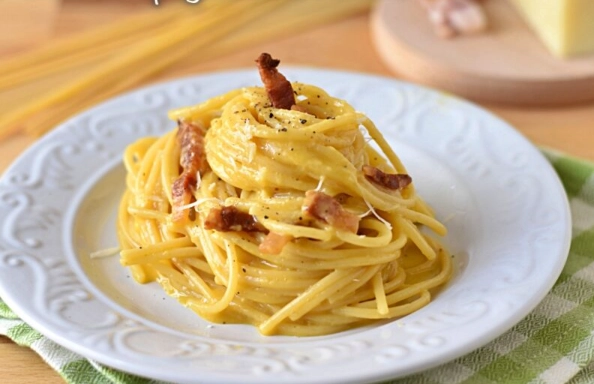
Top Mistakes Everyone Makes (And How to Avoid Them)
Let's be real, we've all messed up a Carbonara. Here's a quick list of pitfalls I've either witnessed or personally created in my kitchen.
- Adding Cream: Obvious, but worth repeating. It mutes all the beautiful, sharp flavors and creates a heavy sauce. The authentic Carbonara traditional Italian recipe without cream is lighter and more complex.
- Using a Colander: Draining your pasta washes away the precious starch. Always transfer it directly with tongs. That starchy water is your secret weapon for sauciness.
- High Heat at the End: Applying direct heat when you add the egg mixture is a one-way ticket to scrambled egg pasta. If your sauce isn't thickening, add more hot pasta water and toss more vigorously, not more heat.
- Not Salting the Pasta Water Enough: This is the only chance to season the pasta itself. Under-salted water means bland Carbonara.
- Using Cold Bowls/Plates: A cold surface will make your beautiful sauce seize up and thicken too much too fast. Warm your serving bowl with hot water before dishing up.
Your Carbonara Questions, Answered
I get it. Even with a recipe, little doubts creep in. Here are the things people actually ask when they're trying to nail this dish.
Can I make Carbonara ahead of time?
Absolutely not. I mean, you physically can, but you'll be deeply disappointed. Carbonara is a primo (first course) that demands to be eaten the second it's ready. The sauce will continue to thicken and eventually become gummy as it sits. Leftovers reheat terribly. This is a cook-and-eat-now dish. Plan accordingly.
What if I can't find guanciale?
As I mentioned, pancetta is an acceptable substitute in a pinch. It's still cured pork belly, just not from the jowl. The flavor is milder and the fat is slightly less unctuous, but it works. If you use pancetta, you might need a touch more salt in your final seasoning. Bacon, however, takes you into a different flavor profile entirely. It can be tasty, but it's not traditional Carbonara.
Pecorino Romano is too salty for me. Can I use Parmesan?
This is a common point of contention. Many home cooks, even in Italy, use a 50/50 mix of Pecorino and Parmigiano-Reggiano. The Parmigiano adds a nutty sweetness that balances the sharp saltiness of the Pecorino. The Gambero Rosso foundation, a major Italian food and wine authority, often notes this mix in its contemporary recipe interpretations. If you're new to the dish, starting with a mix is a great way to ease into the flavor. But try it with all Pecorino at least once—it's the real Roman punch.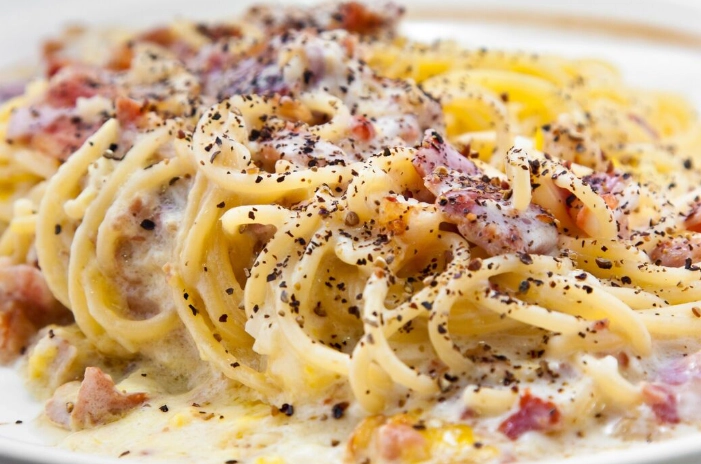
Why does my Carbonara come out dry?
You're not using enough pasta water. Or you're not adding it at the right time. The sauce is an emulsion, and water is the medium that brings the fat and proteins together. Don't be shy with it. Add a splash, toss, and assess. You can always add more, but you can't take it out.
Is it safe to eat raw eggs?
The eggs in a properly made Carbonara are not raw; they are gently cooked by the residual heat of the pasta and pan to a safe temperature (around 140°F/60°C). This is called tempering. If you're concerned, use the freshest, highest-quality eggs you can find, preferably from a source you trust. In many countries, eggs are pasteurized. The risk is very low with this technique.
Beyond the Basics: Variations and Serving Ideas
Once you've mastered the classic Carbonara traditional Italian recipe without cream, you can play around. But remember, the original is pretty hard to beat.
Some Romans swear by using rigatoni instead of spaghetti. The tubes catch the sauce and guanciale bits in a wonderful way. I'm a big fan of this version. It feels heartier.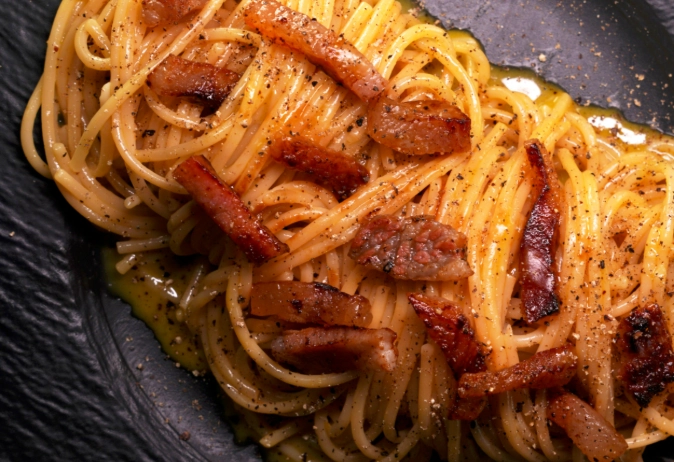
What do you serve with it? Not much. A simple green salad with a sharp vinaigrette after the pasta is perfect to cut the richness. A glass of dry white wine from Lazio, like a Frascati, or a light red like a Cesanese, complements it beautifully. The folks at Vinitaly have great resources on Italian wine pairings if you want to dive deeper.
But please, don't serve garlic bread on the side. You'll overwhelm the delicate flavors of the Carbonara. Some crusty, plain bread to fare la scarpetta (mop up the last bits of sauce on the plate) is all you need.
So there you have it. The path to Carbonara enlightenment is clear: ditch the cream, seek out the right ingredients, master the emulsion, and respect the simplicity. It's a dish that rewards attention to detail but doesn't require chef-level skills. It requires confidence and a willingness to embrace a little bit of delicious chaos in your kitchen. Now go grab some guanciale and eggs. Your real Carbonara awaits.
Trust me, once you taste the real thing, you'll never go back.
Related Articles

Best Italian Sausage Pasta Recipes: Easy, Creamy & Spicy Ideas

Ten-fold stocks appeared! A-shares set off a "price increase", foreign capital b
5 Traditional Italian Dishes: Authentic Recipes & Where to Try Them
The Ultimate Italian Sandwich Recipe: A Step-by-Step Guide
Traditional Italian Bread Recipes: Authentic Methods & Expert Tips