How to Make Pizzelli: The Ultimate Guide to Perfect Italian Waffle Cookies
Quick Navigation
Let's talk about how to make pizzelli. You know those beautiful, snowflake-like cookies you see piled high on holiday dessert tables? The ones that look impossibly delicate and taste like a sweet, vanilla-kissed waffle? Those are pizzelli (sometimes spelled "pizelle"). And I'm here to tell you a secret: they're not as tricky as they look. Honestly, my first batch was a disaster—some were burnt, some were pale, and they all stuck to the iron like glue. It was frustrating. But after ruining more batter than I care to admit, I finally cracked the code. Now, making them is one of my favorite kitchen rituals, especially around Christmas. The smell alone is worth the effort.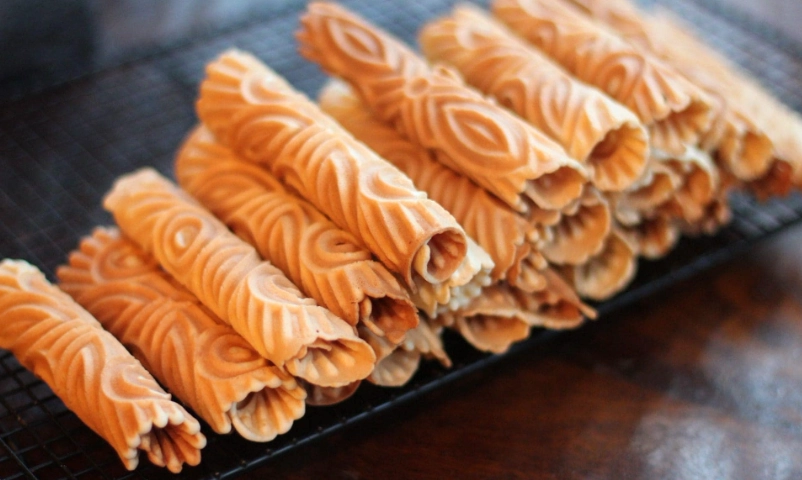
This isn't just another recipe list. This is the guide I wish I had when I started. We're going to go deep—not just on the steps, but on the why behind them. What does the batter should really look like? Why does your iron temperature matter so much? What do you do if they're chewy instead of crisp? We'll cover it all, from picking the right tool to storing your finished masterpieces. By the end, you'll know exactly how to make pizzelli that are perfectly golden, intricately patterned, and shatteringly crisp.
The Non-Negotiables: Your Pizzelli Toolkit
Before you even think about flour, you need the right gear. The core of how to make pizzelli is the iron. It's a specialized piece of equipment, and your success hinges on it.
The Pizzelle Iron: Electric vs. Stovetop
You have two main choices. The modern electric pizzelle maker is the most common and user-friendly. Brands like Cuisinart or VillaWare make good ones. They heat evenly, have thermostat controls, and non-stick plates. The old-school stovetop irons are for the purists—you heat them directly on a burner and flip them manually. They require more skill and attention but some swear by the authenticity. I use an electric one. It's just easier and more consistent, especially when you're making dozens. Whichever you choose, the key is getting it properly seasoned or learning its hot spots.
Other Essential Tools
You'll also need a good mixing bowl, a whisk or electric mixer, measuring cups and spoons (for accuracy, especially with flour), a small cookie scoop or spoon for portioning, and a wire rack for cooling. A thin, offset spatula can be a lifesaver for lifting hot pizzelli off the iron without tearing them. Have a clean kitchen towel ready to lay them flat if you're shaping them into cones or cannoli shells while warm.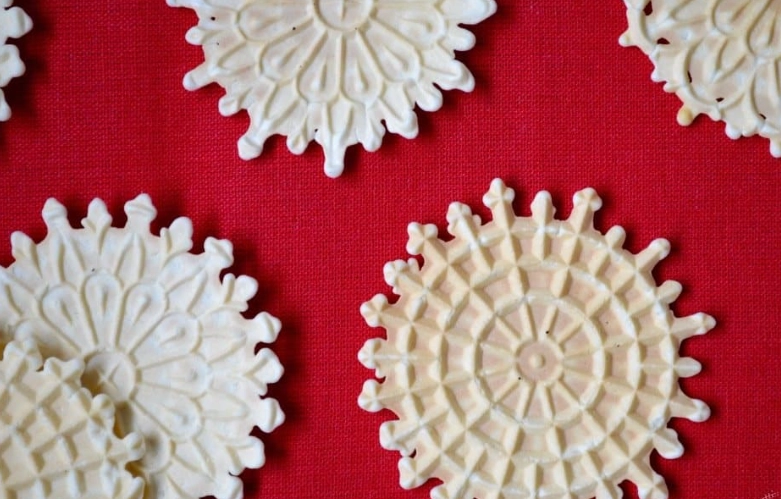
The Foundation: A Classic, No-Fail Pizzelli Recipe
This is my go-to recipe, adapted from my friend's grandmother. It's simple, balanced, and lets the classic flavor shine. It's the perfect starting point for learning how to make pizzelli.
Classic Vanilla Pizzelli Ingredients
- 3 large eggs, at room temperature (this is crucial for proper emulsification)
- 3/4 cup (150g) granulated sugar
- 1/2 cup (113g) unsalted butter, melted and cooled slightly (or an equal amount of a neutral oil like vegetable or canola)
- 1 tablespoon vanilla extract (use the real stuff, not imitation)
- 1 3/4 cups (218g) all-purpose flour, spooned and leveled (don't scoop from the bag!)
- 2 teaspoons baking powder
- 1/4 teaspoon salt
See? Nothing crazy. The magic is in the technique. Now, let's talk about the elephant in the room: anise. Traditional pizzelli are often flavored with anise extract or anise seeds. If you love that licorice-like flavor, replace the vanilla with 2 teaspoons of anise extract. Personally? I'm not a huge fan. I find it overpowering. Vanilla is a crowd-pleaser. You can also add a teaspoon of lemon or orange zest for a citrus twist.
The Step-by-Step: How to Make Pizzelli From Batter to Cookie
This is where we get into the nitty-gritty. Follow these steps closely, and you'll avoid the pitfalls that trip up most beginners.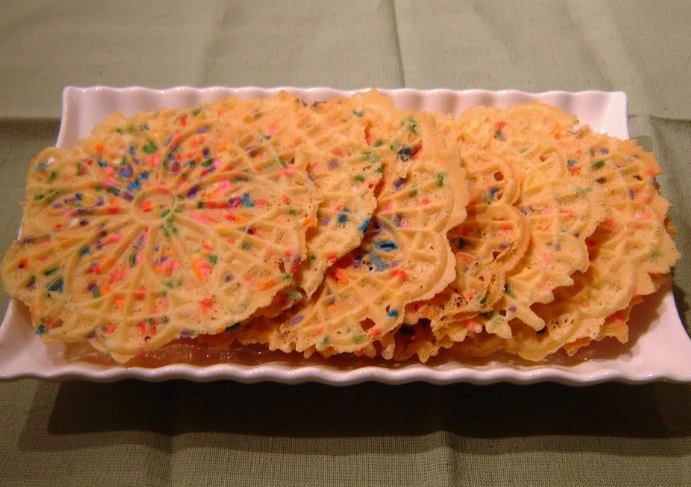
Step 1: Making the Batter (It's All About the Ribbon)
In a large bowl, beat the eggs and sugar together. You want to do this for a good 3-5 minutes with an electric mixer on medium-high, until the mixture is pale yellow, thick, and forms a "ribbon" when you lift the beaters. This step incorporates air, which helps give the cookies a slight lift and delicate structure. Don't rush it. Then, beat in the melted (but not hot) butter and vanilla. In a separate bowl, whisk the flour, baking powder, and salt. Gradually add the dry ingredients to the wet, mixing just until combined. The batter will be thick, sticky, and glossy—like a very dense cake batter. Overmixing will make your pizzelli tough.
Step 2: Baking on the Iron (The Dance of Timing)
Preheat your pizzelle iron according to its instructions. Most need about 5-10 minutes to come to full, even heat. Lightly brush or spray the plates with a tiny amount of oil or non-stick spray, but only before the first batch or if they start to stick. Drop a rounded tablespoon of batter (about 1 heaping tsp) slightly off-center on the bottom plate, close the lid, and lock it if your model has a latch.
Now, the bake time. This varies wildly by iron and batter. It's usually between 30 and 60 seconds. You'll see steam escaping from the sides. Stop when the steam nearly stops. Peek carefully. The pizzelle should be a uniform, deep golden brown, not pale yellow or dark brown at the edges. The first one is always a tester. Adjust your time and batter amount from there.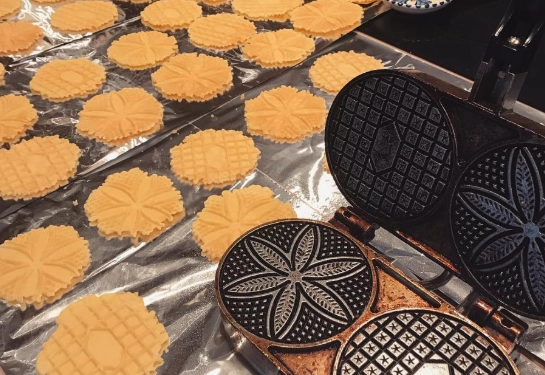
Step 3: Shaping and Cooling (The Key to Crispness)
Immediately transfer the hot pizzelle to a wire rack using your spatula. If you leave it on the iron or a plate, it will steam and become soft. For the classic flat shape, just let it cool completely on the rack. It will crisp up as it cools.
Want to get fancy? While the cookie is still hot and pliable (you have about a 10-second window), you can shape it. Drape it over a rolling pin for a curved tile, roll it around a cannoli form, or fold it into a cone for holding whipped cream or gelato. Hold it in place for a few seconds until it sets. It's fun, but work quickly!
Leveling Up: Pro Tips and Troubleshooting
You've got the basics of how to make pizzelli. Now let's solve problems and finesse your technique.
Getting the Texture Just Right
The ideal pizzelle is crisp all the way through, almost like a thin wafer. If yours are chewy or soft, here's why:
| Problem | Likely Cause | How to Fix It |
|---|---|---|
| Chewy, not crisp | Underbaking, too much butter/oil, or insufficient cooling. | Increase bake time by 5-10 seconds. Ensure cookies cool on a wire rack, not piled up. |
| Too hard/brittle | Overbaking or too much flour. | Shorten bake time. Measure flour correctly by spooning into the cup. |
| Sticking to the iron | Iron not hot enough, insufficient grease, or batter too wet. | Let iron preheat fully. Apply a minuscule amount of oil. Let batter rest to thicken slightly. |
| Uneven browning | Iron not level, batter placed incorrectly, or faulty iron. | Place batter slightly off-center towards the hinge. Test iron for hot spots. |
Flavor Variations to Try
Once you master the vanilla base, the world is your oyster. Add 1/4 cup of unsweetened cocoa powder to the dry ingredients for chocolate pizzelli (you might need a splash more melted butter). For almond, use 1 1/2 cups flour and 1/4 cup finely ground almonds, with a teaspoon of almond extract. A tablespoon of citrus zest (lemon, orange) adds a bright note. For a festive touch, mix in a half teaspoon of ground cinnamon or nutmeg.
And what about savory? It's a thing! Reduce the sugar to 2 tablespoons and add grated Parmesan, black pepper, and herbs. They make incredible crackers for cheese plates.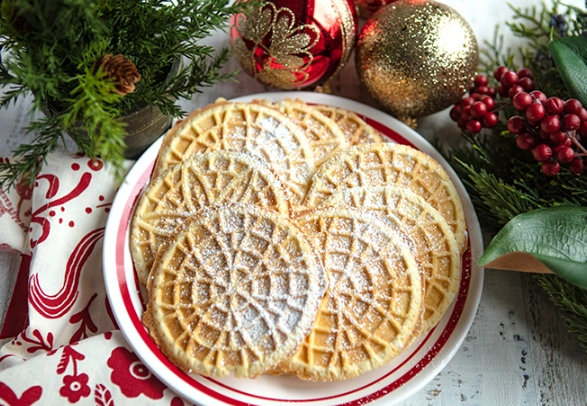
Storing and Serving Your Masterpieces
Proper storage is the final step in how to make pizzelli that last. Their worst enemy is moisture. Once completely cool, store them in an airtight container at room temperature, with parchment paper between layers. A silica gel packet tossed in the container can help. They'll stay crisp for 2-3 weeks. You can also freeze them for up to 3 months in a heavy-duty freezer bag; let them thaw in the container to avoid condensation.
How to serve? Piled high on a platter is classic. You can drizzle them with melted chocolate, dust with powdered sugar, or sandwich two with a layer of Nutella or cannoli cream. They're perfect with coffee, dessert wine, or a scoop of ice cream.
Your Pizzelli Questions, Answered
Can I make pizzelli without a special iron?
Honestly, not really. The distinctive pattern and thinness come from the iron's press. You might approximate the flavor with a very thin waffle, but it won't be a true pizzelle. The iron is the defining tool.
My batter is too thick/thin. What now?
Batters vary. If it's too thick to spread slightly when you close the lid, add a teaspoon of milk or water. If it's too thin and runs out the sides, add a tablespoon of flour. Adjust in tiny increments.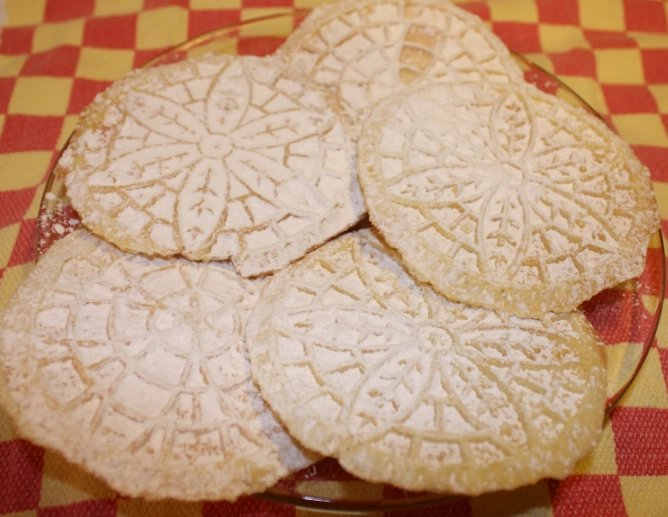
Why are my pizzelli puffy instead of flat and lacy?
Too much baking powder or over-beating the batter can cause this. Make sure you're using measuring spoons, not tableware, for the baking powder. Mix the dry ingredients into the wet just until combined.
Can I use this recipe for gluten-free or vegan pizzelli?
You can experiment, but it's a different beast. For gluten-free, a 1:1 AP GF flour blend might work, but the texture may be more delicate. For vegan, flax eggs and vegan butter are options, but the structure and browning will change. It requires some trial and error.
Where can I learn more about traditional Italian baking?
For those who want to dive deeper into the context and history of cookies like pizzelli, the Academia Barilla is a respected resource dedicated to Italian gastronomic culture. For authoritative information on baking science and ingredient functions, the King Arthur Baking Company's learning section is an excellent, trusted reference. These sites help ground the practical recipe in broader culinary knowledge.
Related Articles
Ultimate Guide to Italian Baked Ground Beef Recipes
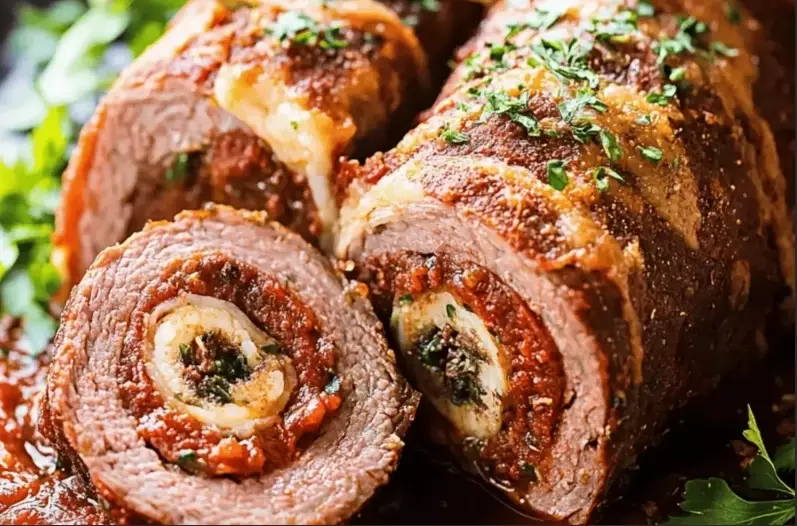
Authentic Italian Braciole Recipe: Slow-Cooked Beef Rolls
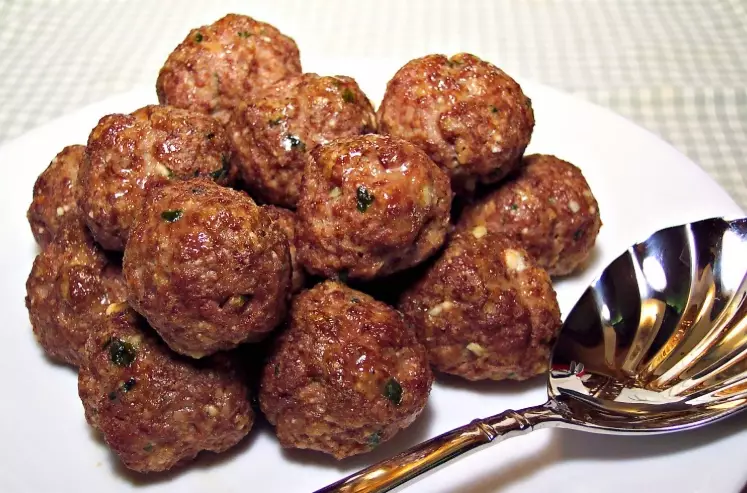
Italian Meatball Recipe: Step-by-Step Guide & Secrets for Tender Meatballs
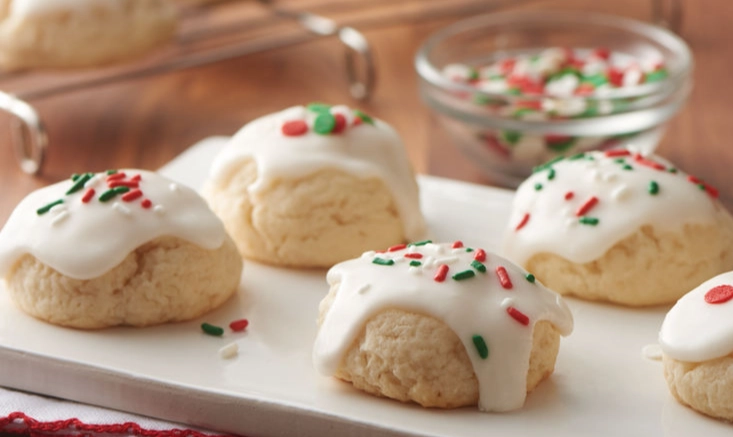
Authentic Italian Cookies Recipe: A Guide to Classic Biscotti & More
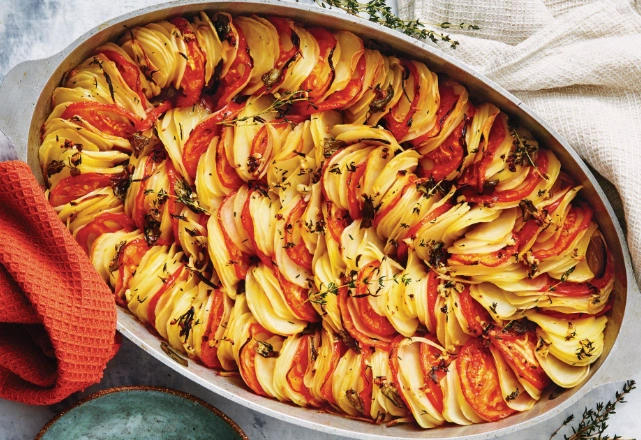
Easy Italian Baked Dishes Recipes: Effortless Family Dinners