Authentic Italian Pizzelle Recipe with Anise: A Family Tradition
Quick Guide
- Why Anise? The Soul of a Traditional Pizzelle
- The Gear You Absolutely Need (And What You Don't)
- The Authentic Italian Pizzelle Recipe with Anise: Ingredients & Method
- Top Tips & Tricks for Pizzelle Perfection (Where Most Go Wrong)
- Flavor Variations & The Great Anise Debate
- Storing, Freezing, and Serving Your Pizzelle
- Common Pizzelle Problems: A Troubleshooting Guide
- Wrapping It Up: More Than Just a Cookie
Let's talk about pizzelle. You know, those beautiful, snowflake-patterned Italian waffle cookies. If you've ever had one that's perfectly crisp, delicately sweet, and carries that distinct, warm aroma of anise, you know it's a special thing. It's not just a cookie; it's a memory. For me, it's the smell of my grandmother's kitchen during the holidays, the sound of the iron sizzling, and the inevitable argument over who gets to eat the slightly imperfect ones first (usually me).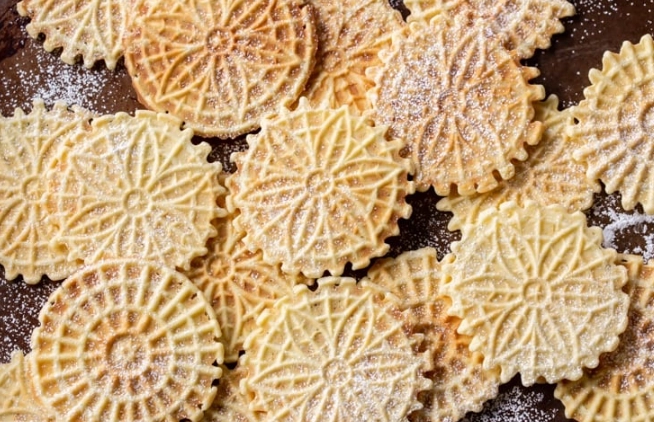
Most recipes you find online are… fine. They'll give you a cookie. But they often miss the little things—the feel of the batter, the sound the iron makes when it's ready, the specific type of anise that makes all the difference. That's what I want to share with you today. This isn't just an Italian pizzelle recipe with anise; it's the one that's been passed down, tweaked, and perfected over decades. We're going deep.
Before You Start: This recipe requires a pizzelle iron. Not a waffle iron, not a panini press—a dedicated pizzelle iron. It's the single most important tool. If you're serious about making these, it's a worthwhile investment. I'll talk about choosing one later.
Why Anise? The Soul of a Traditional Pizzelle
You might see recipes for vanilla or lemon pizzelle. They're delicious. But ask any Italian nonna, and she'll tell you anise is the classic, the original. Anise seed (not star anise, which is a different plant) has a sweet, licorice-like flavor that becomes magical when heated. It permeates the whole cookie, creating a fragrance that defines the experience.
Some people use anise extract. My family always used the actual seeds, finely ground. The extract is stronger and can taste medicinal if you're not careful. The ground seeds give a subtler, more rounded flavor. The choice is yours, but I'm team ground seeds all the way. The Italian Academy of Cuisine, which works to preserve traditional Italian foodways, often highlights anise as a cornerstone flavor in many regional confections, pointing to its historical use dating back centuries.
Honestly, if you don't like anise, this might not be the recipe for you. It's the star. But trust me, even if you think you don't like licorice, the warm, baking spice quality of anise in a fresh Italian pizzelle recipe with anise is a completely different beast.
The Gear You Absolutely Need (And What You Don't)
Baking is part art, part science, and part having the right gear. For pizzelle, the gear is non-negotiable.
The Pizzelle Iron: Your New Best Friend
This is the big one. There are stovetop irons and electric ones. My grandmother used a heavy, twin-plate stovetop iron she'd had forever. It was a beast to heat evenly. Today, I use and recommend a good-quality electric pizzelle maker. It just takes the guesswork out of temperature control.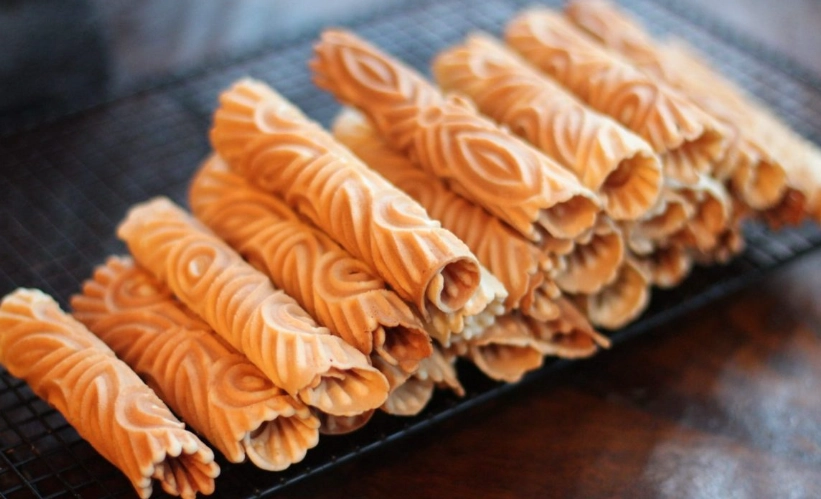
When shopping, look for one with non-stick plates (a lifesaver) and a clear indicator light. Some of the cheaper models have thin plates that don't distribute heat well, leading to pale or burnt spots. It's worth spending a bit more. The brand I've had for years is Cuisinart, and it's been a workhorse. Don't be tempted by "multi-function" waffle makers that claim to do pizzelle; the pattern is too shallow, and you won't get that classic look.
The Supporting Cast
- A good stand mixer or hand mixer: You'll be creaming butter and sugar for a while. Your arm will thank you.
- Multiple mixing bowls: I like to separate my dry and wet ingredients. It feels more organized.
- A small scoop or spoon: Consistency is key. A small cookie scoop (about 1 tablespoon) is perfect for dropping batter onto the iron.
- A wire rack: Crucial for cooling. If you stack them or leave them on a plate while hot, they'll steam and get soggy. The crispness depends on proper cooling.
- A spice grinder or mortar and pestle: If you're using whole anise seeds.
The Authentic Italian Pizzelle Recipe with Anise: Ingredients & Method
Okay, let's get to it. This recipe makes a lot—about 30-40 cookies depending on the size of your iron. They keep well, and trust me, they go fast.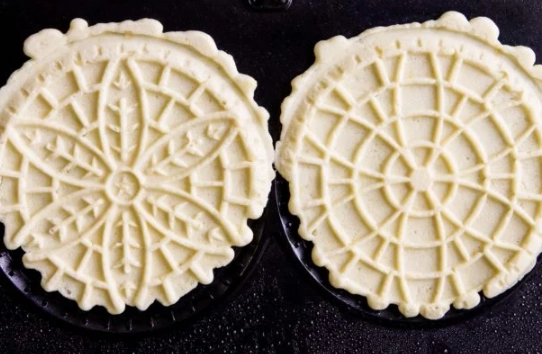
Recipe Note: Use room temperature ingredients! This is not a suggestion. Cold eggs or butter will not incorporate properly, and your batter will be a grainy mess. Take everything out of the fridge at least an hour before.
Ingredients
- 6 large eggs (room temperature)
- 1 cup (200g) granulated sugar
- 1 cup (226g) unsalted butter, melted and cooled slightly
- 2 teaspoons vanilla extract (the real stuff, please)
- 4 cups (480g) all-purpose flour (scooped and leveled, not packed)
- 4 teaspoons baking powder
- 1/2 teaspoon salt
- 2 tablespoons finely ground anise seeds OR 1 tablespoon anise extract (see, I told you the amounts are different!)
Step-by-Step: How to Make Pizzelle
1. Prep the Anise. If using seeds, grind them in a spice grinder until they're a fine powder. You want to release all that oil and flavor. If using extract, have it ready.
2. Cream Eggs and Sugar. In your mixer bowl, beat the eggs and sugar together on medium-high speed for a good 5-7 minutes. I'm serious. Don't skimp. You want the mixture to be very pale yellow, thick, and ribbony. This incorporates air and is the first secret to a light, crisp texture.
3. Add Wet Ingredients. With the mixer on low, slowly drizzle in the melted (but not hot) butter and the vanilla. If you're using anise extract, add it now. Mix until just combined.
4. Combine Dry Ingredients. In a separate bowl, whisk together the flour, baking powder, and salt. If you used ground anise seeds, whisk them into the dry ingredients here. This distributes the flavor evenly.
5. Bring It All Together. Gradually add the dry ingredients to the wet ingredients, mixing on low speed until *just* combined. The batter will be thick, sticky, and smooth—somewhere between cake batter and cookie dough. Don't overmix! Overmixing develops gluten and can make the cookies tough.
Cover the bowl and let the batter rest for 15-20 minutes. This allows the flour to hydrate fully and gives you a more consistent bake. This is the heart of your Italian pizzelle recipe with anise.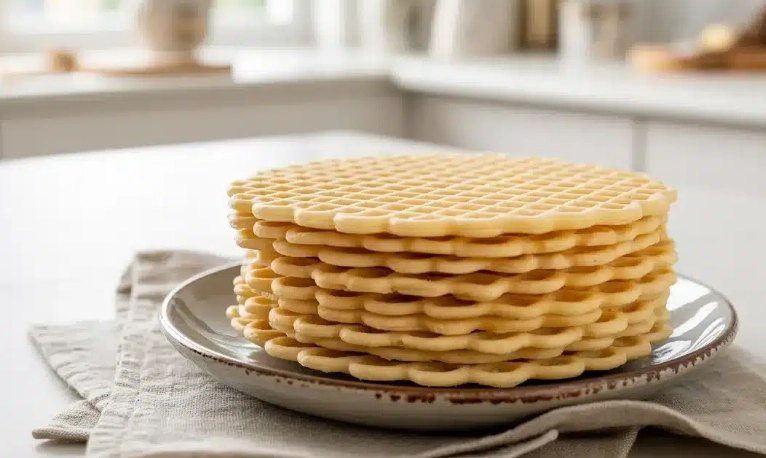
6. Heat the Iron. Plug in your pizzelle maker and let it heat up fully. The ready light will come on. Give it another minute or two after that to ensure the plates are evenly hot.
7. Bake! Drop a rounded tablespoon of batter slightly off-center on the bottom plate (closer to the hinge). Close the lid and latch it. You'll hear a strong sizzle initially, which will fade after about 15-20 seconds.
Bake for about 30-45 seconds. Steam will stop coming out of the sides. Peek carefully at around 30 seconds—you're looking for a golden brown color. Not pale, not dark brown. Golden. The first one is always a test to dial in your exact time.
8. Remove and Cool. Use a fork or thin spatula to gently lift the hot cookie off the plate. Immediately transfer it to a wire rack. It will be soft and pliable but will crisp up as it cools in about 60 seconds. Do not fold or shape it until it's firmed up a bit unless you're making cannoli shells (a topic for another day!).
Repeat. You'll get into a rhythm. I like to have two wire racks going.
Watch Out: The plates and the cookies are extremely hot. Be careful. I've burned my fingers more times than I can count in a rush to eat the first one.
Top Tips & Tricks for Pizzelle Perfection (Where Most Go Wrong)
Here's the stuff they don't always tell you. The difference between an okay pizzelle and an incredible one is in these details.
- Batter Too Thick/Thin? The consistency is key. It should drop slowly from a spoon. If it's too thick (like dough), add a teaspoon of water or milk at a time. If it's too runny (like pancake batter), you've probably mis-measured the flour. Add a tablespoon of flour at a time until it thickens.
- Sticking? Even with non-stick plates, a little build-up can happen. Unplug and let the iron cool completely. Wipe the plates gently with a paper towel dipped in vegetable oil. Do not use abrasive scrubbers. For prevention, you can brush the plates with a tiny, tiny bit of oil or melted butter before the first batch only.
- Not Crisp? Three likely culprits: 1) Underbaking. They need that full golden color. 2) Stacking or covering them before they are completely, 100% cool. 3) Humidity. If it's a rainy day, they might absorb moisture from the air and soften. You can re-crisp them in a 300°F oven for 3-4 minutes.
- Browning Unevenly? Your iron might have a hot spot. Try rotating the iron 180 degrees halfway through baking (if possible) or be mindful of where you place the batter.
My personal nemesis was always getting the timing exactly right. Every iron is different. The first 2-3 cookies are sacrificial testers. Don't get discouraged if they're too light or too dark. Adjust and move on.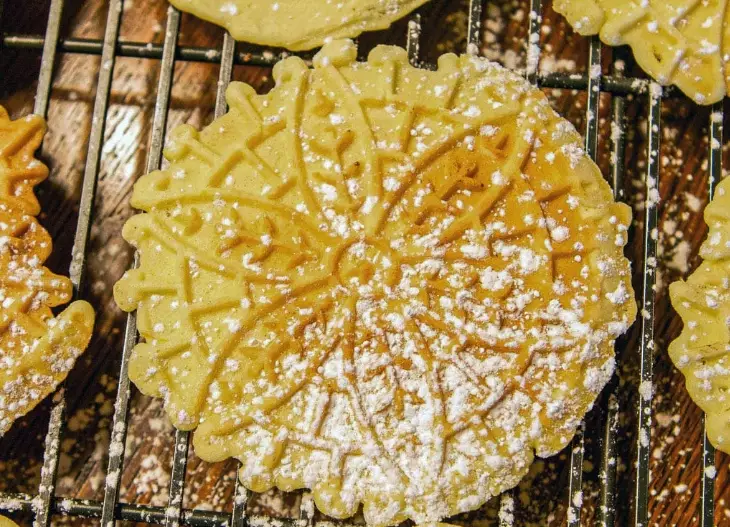
Flavor Variations & The Great Anise Debate
While anise is king, you can play around. The base recipe is wonderfully versatile. Here’s a quick comparison of popular twists:
| Flavor | Modification to Base Recipe | Result & Best Use |
|---|---|---|
| Classic Anise (This Recipe) | 2 tbsp ground anise seed or 1 tbsp extract | Traditional, aromatic, perfect with espresso. The gold standard. |
| Chocolate | Replace 1/2 cup flour with 1/2 cup unsweetened cocoa powder. Omit anise. | Rich, deep flavor. Kids love them. Dust with powdered sugar. |
| Lemon or Orange | Add 2 tbsp finely grated citrus zest. Omit anise. | Bright, fresh, and summery. Great with tea. |
| Almond | Replace 1 tsp vanilla with 1 tsp almond extract. Add 1/2 cup finely chopped toasted almonds to batter. | Nutty, sophisticated flavor with a bit of texture. |
Some purists (like my uncle) believe any deviation from the anise-flavored Italian pizzelle recipe is sacrilege. I'm more liberal. Life's short—make the cookie you want to eat.
Storing, Freezing, and Serving Your Pizzelle
You've made a beautiful batch. Now what?
Storing: This is critical. Once completely cool, store them in a single layer in an airtight container at room temperature. Separate layers with parchment paper. Do not refrigerate—it introduces moisture. Stored properly, they'll stay crisp for 2-3 weeks. Yes, really.
Freezing: Pizzelle freeze brilliantly. Place them in a single layer on a baking sheet to flash freeze for an hour, then transfer to a freezer bag or airtight container. They'll keep for 3 months. Thaw at room temperature on a rack.
Serving: They are perfect on their own with coffee or dessert wine. But you can also serve them with whipped cream and berries, use them as a base for ice cream sundaes, or even crush them for a pie crust. The official agricultural portal for the Lazio region of Italy (where many food traditions are deeply rooted) often features pizzelle as a versatile component in both simple and elaborate desserts.
Common Pizzelle Problems: A Troubleshooting Guide
Something went wrong? Don't worry. Let's fix it.
Wrapping It Up: More Than Just a Cookie
Making pizzelle is an event. It's not a quick, throw-together cookie. It's a ritual. It's about standing at the counter, watching the steam rise, and waiting for that perfect golden color. It's about the smell that fills your house and the pile of delicate, lacy cookies that grows on the rack.
This authentic Italian pizzelle recipe with anise is my touchstone to my family. Every time I make them, I think of my grandmother's hands, quick and sure, lifting each cookie off the iron. I hope this guide gives you not just the recipe, but the confidence and the little secrets to make them your own. Don't stress about perfection. The slightly too-dark one? That's the cook's treat. Enjoy it with a strong cup of coffee. You've earned it.
Now go preheat that iron. Your kitchen is about to smell amazing.
Related Articles
Authentic Italian Pasta Sauce Recipes: From Classic Tomato to Rich Ragù

Geely and Zeekr have the best semi-annual reports, half of which rely on sales g
Authentic Italian Carbonara Recipe: The Only Guide You'll Ever Need
Italian Pasta Salad Recipe: The Ultimate Guide for Perfect Results
Authentic Ricotta Lasagna Recipe: Creamy Layers & Pro Tips
Mastering Homemade Italian Pasta: A Complete Guide to Fresh Pasta Recipes
Master Italian Meatloaf: Authentic Family Recipe
Authentic Italian Stromboli Recipe: Easy Homemade Guide for Perfect Results
Authentic Italian Meatballs Recipe: Nonna's Secret for Tender & Flavorful Polpette
Authentic Italian Meatballs Recipe: Tender, Juicy & Full of Flavor
Authentic Italian Hot Chocolate Recipe: Rich, Thick & Easy
Easy Italian Appetizers: Simple Recipes & Party Platters
Make-Ahead Italian Appetizers: Stress-Free Recipes & Tips for Any Gathering
Ultimate Guide to Italian Meatball Recipes: From Classic to Creative
Healthy Italian Vegetarian Recipes: Flavorful Main Dishes Made Easy
Traditional Italian Baked Ziti Recipe: Authentic Step-by-Step Guide
Italian Seasoning in Minestrone Soup: The Authentic Herb Blend Explained
Authentic Italian Recipes: Your Ultimate Guide to Mastering Classics at Home
Easy Traditional Italian Wedding Soup Recipe - Authentic & Simple
Vegetarian Italian Recipes: A Complete Guide to Plant-Based Pasta & More
Classic Italian Vegetable Dishes: A Guide to Authentic Recipes
Easy Italian Dinner Recipes You Can Make Tonight
Craft Your Own Italian Seasoning Recipe: A Complete Guide to Homemade Flavor
Authentic Pasta Carbonara Recipe: The Real Italian Way
Authentic Italian Dessert Recipes: From Tiramisu to Cannoli
Authentic Italian Beef Recipe: The Ultimate Chicago-Style Sandwich Guide
Easy Italian Recipes: 5 Classics Anyone Can Master at Home
Authentic Italian Green Beans Recipe: A Classic Nonna's Method
The Ultimate Guide to Making Authentic Italian Lasagna at Home
Leave a Comment