Creative Pizzelle Recipe Variations: From Classic Anise to Chocolate & More
Explore the Sections
- The Foundation: Mastering the Basic Pizzelle Dough
- Flavor Explosion: The Best Pizzelle Flavor Variations
- Dietary Tweaks: Gluten-Free, Vegan, and Low-Sugar Pizzelle
- Flour Power: Experimenting with Different Flours
- Beyond the Flat Cookie: Creative Shapes and Uses
- Equipment Talk: Does Your Iron Matter?
- Answering Your Pizzelle Questions (The FAQ)
- Putting It All Together: A Sample Game Plan
Let's be honest. The classic anise pizzelle is wonderful. It tastes like a holiday at your nonna's house. But after you've made the traditional recipe a few times, that little iron starts whispering to you. What if we added some lemon zest? Could we make them chocolate? What about turning them into ice cream cones?
That's where the real fun begins. Exploring pizzelle recipe variations is like unlocking a whole new level of baking. It's not just about changing a flavor; it's about adapting a centuries-old technique to your own modern kitchen and tastes. Whether you're dealing with dietary restrictions, looking for a show-stopping dessert, or just bored of the same old cookie, there's a variation out there for you.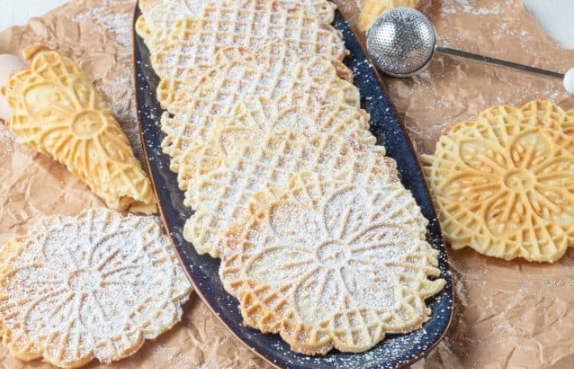
I remember the first time I strayed from my family's handwritten card. I added a bit of almond extract alongside the vanilla. My aunt gave me a side-eye, but one bite later, she asked for the recipe. That's the magic of these cookies—they're a perfect canvas.
The Foundation: Mastering the Basic Pizzelle Dough
You can't run before you can walk. All great pizzelle recipe variations start with a solid, dependable base. Think of this like the plain canvas for a painter. The classic recipe is deceptively simple: eggs, sugar, butter or oil, flour, and a leavening agent. But the ratios are everything.
Why does the base matter so much? The batter needs to be thick enough to not run out of the iron but fluid enough to spread into that beautiful snowflake pattern. Too much flour, and your cookies are tough and pale. Too much butter, and they're greasy and might stick. Getting this right is 90% of the battle.
Here's the core formula I've tested to death and always return to:
The Go-To Base (makes about 30-40 cookies):
- 3 large eggs (room temperature is non-negotiable for volume)
- 3/4 cup granulated sugar
- 1/2 cup unsalted butter, melted and cooled (or a neutral oil like vegetable or avocado)
- 1 3/4 cups all-purpose flour (the protein content matters!)
- 2 tsp baking powder
- 1 tsp vanilla extract (the real stuff, please)
Beat eggs and sugar until pale and thick. Stir in cooled butter and vanilla. Whisk flour and baking powder together, then fold into wet ingredients until just combined. That's your blank slate.
See? Nothing scary. But from this point, every single ingredient is an opportunity for a new pizzelle recipe variation.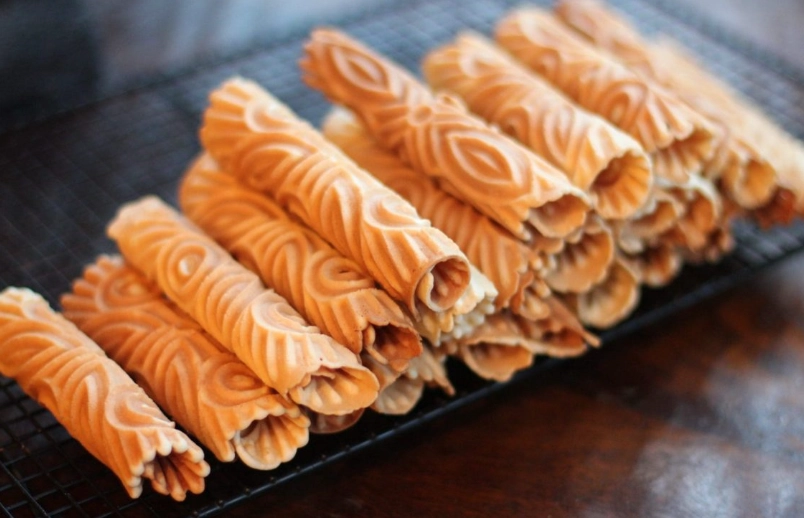
Flavor Explosion: The Best Pizzelle Flavor Variations
This is where most people start their experimentation. Swapping or adding flavors is the easiest way to create a whole new cookie. You can broadly split them into two camps: the classic, subtle twists and the bold, modern takes.
| Classic & Subtle Variations | Bold & Modern Variations | Key Pro Tip |
|---|---|---|
| Anise or Lemon: The OG flavors. Use 1-2 tsp of anise extract or the zest of 2 large lemons + 1 tsp extract. | Double Chocolate: Replace 1/4 cup flour with unsweetened cocoa powder. Add 1/2 cup mini chocolate chips to the batter. | For extracts, add them with the vanilla. For zest/spices, whisk them into the dry ingredients for even distribution. |
| Almond: Swap vanilla for 1.5 tsp pure almond extract. Toasting 1/4 cup finely ground almonds and adding them to the flour adds depth. | Espresso Chip: Dissolve 1 tbsp instant espresso powder in the vanilla extract. Fold in 1/2 cup cacao nibs or mini chips. | Liquid flavorings (extracts, liqueurs) thin the batter. You may need a tiny bit more flour (a tbsp or so) if batter seems runny. |
| Orange-Cardamom: Zest of one orange + 1/2 tsp ground cardamom. A sophisticated, warming flavor. | Funfetti: Add 1/4 cup rainbow sprinkles to the base batter. Pure joy, especially for kids. | Powdered spices can clump. Sift them with your flour and baking powder. |
| Vanilla Bean: Scrape the seeds of one vanilla bean pod into the sugar and rub together before creaming. Intense aroma. | Peanut Butter: Replace 1/4 cup of the butter with 1/4 cup smooth peanut butter. Chopped Reese's pieces on top? Yes. | Nut butters can make cookies softer. Let them cool completely on the iron for a minute before removing for extra crispness. |
My personal favorite? The orange-cardamom. It's unexpected but feels timeless. The worst one I ever tried was a root beer float variation. The extract was overpowering and artificial. Sometimes, simple is better.
Dietary Tweaks: Gluten-Free, Vegan, and Low-Sugar Pizzelle
Food allergies and lifestyle choices shouldn't stop anyone from enjoying a fresh, warm pizzelle. The good news is that this cookie adapts surprisingly well. The bad news? It requires a bit more precision. You can't just do a straight one-to-one swap and expect perfect results.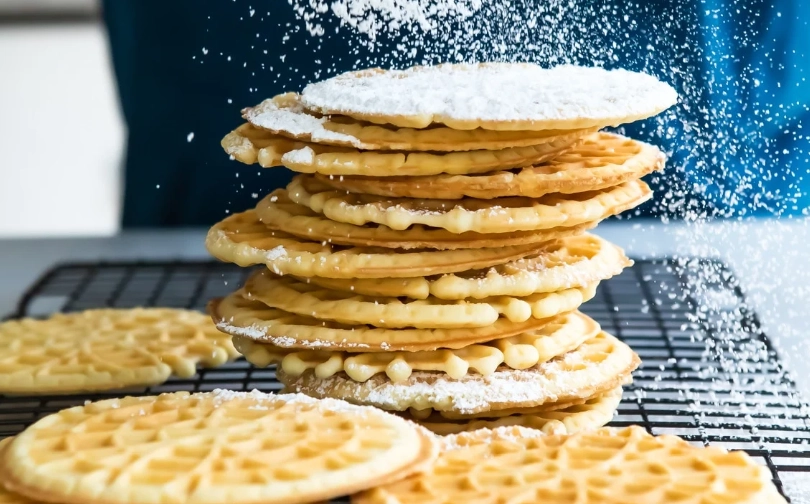
Gluten-Free Pizzelle Success
The biggest challenge here is structure. Gluten gives the cookie its slight chew and helps it hold together. Without it, they can be brittle. A blend of gluten-free flours works best. I've had great luck with a mix of white rice flour (for lightness), a bit of tapioca starch (for chew), and almond flour (for flavor and fat). The Bob's Red Mill gluten-free 1-to-1 baking flour is a fantastic, reliable shortcut that works well in most pizzelle recipe variations.
Vegan Pizzelle Adventures
Replacing eggs and butter is the trick. For eggs, a flax egg (1 tbsp ground flax + 3 tbsp water per egg) works okay, but the cookies can be denser. For a lighter result, I prefer a commercial egg replacer or even aquafaba (the liquid from a can of chickpeas). For the butter, melted coconut oil or a plant-based stick butter (like Miyoko's or Earth Balance) works perfectly. The flavor will be slightly different, but still delicious.
Cutting Down the Sugar
Sugar isn't just for sweetness; it contributes to browning and texture. You can reduce the sugar in the base recipe by up to 1/4 cup without major issues. For more significant cuts, you'll need to supplement. Swapping half the sugar with a monk fruit/erythritol blend works, but be aware it can sometimes give a slight cooling aftertaste. For resources on sugar alternatives in baking, the American Diabetes Association offers some general guidance, though always consult your doctor for personal advice.
The key with any dietary swap is to manage expectations. Your gluten-free, vegan, sugar-free pizzelle won't be identical to the classic. But it can be crispy, flavorful, and 100% satisfying in its own right.
Flour Power: Experimenting with Different Flours
All-purpose flour is the standard for a reason. It's reliable. But branching out can add incredible depth of flavor and nutrition to your pizzelle recipe variations.
Whole Wheat Flour: Swap in 1/2 cup of whole wheat pastry flour for all-purpose. It gives a nutty, wholesome flavor and a slightly heartier texture. Perfect for autumn-inspired variations with cinnamon and nutmeg.
Buckwheat Flour: Don't let the name fool you—it's gluten-free and has no relation to wheat. It has a strong, earthy, almost smoky flavor. Use it for 1/3 of your total flour in a recipe. Pair it with orange or chocolate for a stunning combination. It's a traditional flour for some European cookies, and gives a real artisanal feel.
Cornmeal (Fine Grind): Replacing 1/4 cup of flour with fine yellow cornmeal adds a lovely golden color and a subtle gritty texture that's really pleasant. It's fantastic in lemon or rosemary pizzelle.
My advice? Start small. Replace no more than 25% of the all-purpose flour with an alternative flour on your first try. See how the batter behaves and how the flavor works for you.
Beyond the Flat Cookie: Creative Shapes and Uses
This is where you turn a cookie into a showpiece. The magic of pizzelle is that they come off the iron piping hot and pliable. You have about a 10-15 second window to shape them before they crisp up for good.
Cannoli Shells: Roll the hot cookie around a cannoli tube (or the handle of a wooden spoon). Let cool completely before carefully sliding it off. Fill with sweetened ricotta cream.
Ice Cream Cones (or Cups): Drape the hot cookie over an ice cream cone mold (or shape it by hand into a cone). Hold for 20 seconds until set. This is a total crowd-pleaser. For bowls, press the hot cookie into a small ramekin.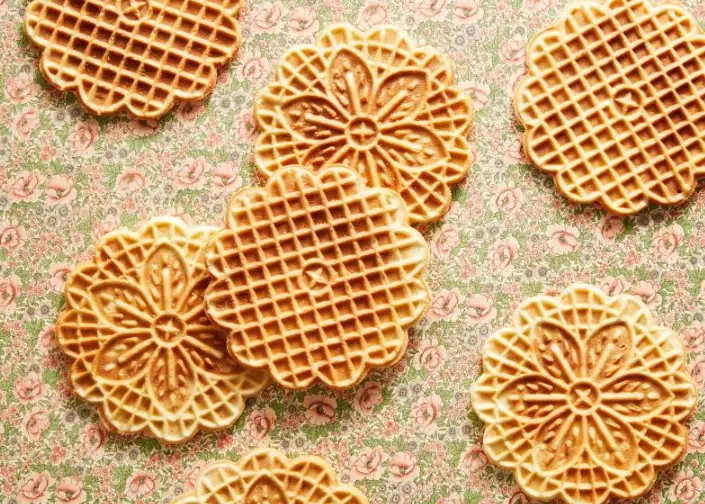
Cookie Baskets: Drape over the bottom of an upside-down small bowl or orange. These are perfect for holding mousse, berries, or whipped cream.
Pizzelle Taco Shells: Yes, really. Drape over a suspended wooden spoon handle so it folds into a taco shape. Fill with something like lemon curd and fresh berries.
Shaping takes practice. Have your molds ready and work quickly with one cookie at a time. I've burned my fingers more times than I care to admit. Use clean kitchen towels or silicone gloves for safety.
Equipment Talk: Does Your Iron Matter?
Absolutely. Not all pizzelle irons are created equal. You have the classic stovetop irons (authentic but require vigilance), the basic electric non-stick models (the workhorses), and the high-end electric models with thicker plates and precise temperature control.
A good, evenly heated iron is crucial for consistent results across all your pizzelle recipe variations. A thin, cheap iron might have hot spots that cause uneven browning. My mid-range Cuisinart electric iron has served me well for years. The key is preheating it thoroughly—I give mine a good 10-15 minutes to get perfectly, evenly hot.
Sticking is the enemy. Even with non-stick surfaces, a light brush of oil or melted butter on the plates for the first batch is wise. After that, the residual fat in the cookies usually does the job. If you're using a recipe very low in fat (like some vegan versions), you might need to brush the plates between every few batches.
Answering Your Pizzelle Questions (The FAQ)
Over the years, I've gotten the same questions again and again. Let's tackle them head-on.
Putting It All Together: A Sample Game Plan
Feeling overwhelmed? Don't be. Start simple. Here's a foolproof path to your first custom pizzelle.
- Master the Base: Bake one batch of the plain vanilla base recipe. Get the feel for your iron—the right amount of batter, the perfect cooking time.
- Add One Flavor: Next time, add the zest of one lemon to the dry ingredients. Notice how the flavor infuses the whole cookie.
- Try a Shape: Once comfortable, take a hot lemon pizzelle and try rolling it around a spoon handle. Even if it's imperfect, you've done it.
- Go Bold: Now, get creative. Make that chocolate batter. Add some chili powder to it for a kick. Why not?
The history of the pizzelle is one of adaptation—from simple communion wafer-like cookies in Italy's Abruzzo region to the celebratory treats we know today. Every family has their version. Now you can start building yours.
Grab your iron, pick a direction from all these pizzelle recipe variations, and start baking. The worst that can happen is you get a slightly odd-looking, but still delicious, homemade cookie. And the best? You create a new family favorite that your own future nieces and nephews will side-eye before inevitably asking for the recipe.
Related Articles
Authentic Italian Cookie Recipes: From Biscotti to Amaretti

Two 1 billion US dollars of large model financing, Internet giants are starting
Easy Italian Regional Recipes: Authentic Dishes You Can Actually Make
Easy Italian Sausage Recipes for a Delicious Dinner | Quick & Flavorful
Italian Cream Cake Recipe: A Southern Classic with Italian Flair
Traditional Northern Italian Recipes: Authentic Dishes & Cooking Secrets
Authentic Carbonara Recipe: The Real Italian Way (No Cream!)
Simple Italian Holiday Dinner Recipes: Effortless & Authentic Feasts
Authentic Carbonara Recipe: Traditional Italian Pasta Without Cream

Performance exploded! Sungrow Power Supply made a huge profit of tens of billion
Ultimate Italian Margarita Recipe: How to Make the Perfect Amaretto Sour Twist
The Ultimate Guide to a 3 Course Vegetarian Italian Meal
Authentic Spaghetti Carbonara Recipe: The Real Italian Method (No Cream!)
Authentic Italian Chicken Recipes: From Classics to Modern Twists
Top 10 Italian Dinner Dishes: A Curated Guide for Authentic Meals

The "half-year report" of the economy of 31 provinces is released: Inner Mongoli
Authentic Italian Pasta Recipes: A Complete Cooking Guide
Italian Vinaigrette Recipe: The Only Guide You'll Ever Need
Authentic Italian Porchetta Recipe: Crispy, Juicy Roast Pork
Authentic Italian Spaghetti Sauce Recipe (Ragù alla Bolognese)
Quick Italian Starters: 10 Easy Recipes Ready in 30 Minutes
Authentic Italian Chicken Cacciatore Recipe: A Hunter's Stew
Traditional Italian Pasta Sauce: The Complete Guide to Authentic Recipes & Secrets

Classic Italian Bread Recipe: Authentic & Easy Homemade Loaf
Italian Vinaigrette vs Italian Dressing: The Real Difference Explained

The largest IPO in the A-share market in 13 years has been terminated, and it wa
Authentic Italian Antipasti Recipes: A Guide to Traditional Appetizers
Authentic Italian Meatballs Recipe: Tender, Juicy & Full of Flavor
Italian Sausage Dinner Recipes: Easy, Flavorful Family Meals

Leave a Comment