Easy Original Pizzelle Recipe: Classic Italian Waffle Cookies
In This Guide
- So, What Exactly Is a Pizzelle?
- A Bite of History: Where Did Pizzelle Come From?
- The Heart of the Matter: The Original Pizzelle Recipe (Made Easy)
- The Make-or-Break Tool: The Pizzelle Iron
- Why Your Pizzelle Might Fail (And How to Fix It)
- Beyond the Basic: Flavor Variations & Serving Ideas
- Storing Your Masterpieces
- Answering Your Pizzelle Questions
- Final Thoughts on This Easy Original Pizzelle Recipe
Let's be real. The first time I saw a pizzelle, I thought it was some kind of fancy, impossible-to-make pastry you only see in Italian grandmother's kitchens or high-end bakeries. It looks intricate, delicate, like a edible snowflake. I figured you needed years of experience and some secret family spell to get them right. Turns out, I was completely wrong. The truth is, an original pizzelle recipe easy enough for a beginner is not only possible, it's probably simpler than your go-to chocolate chip cookie recipe. The magic isn't in complex techniques; it's in a handful of simple ingredients and one specific tool.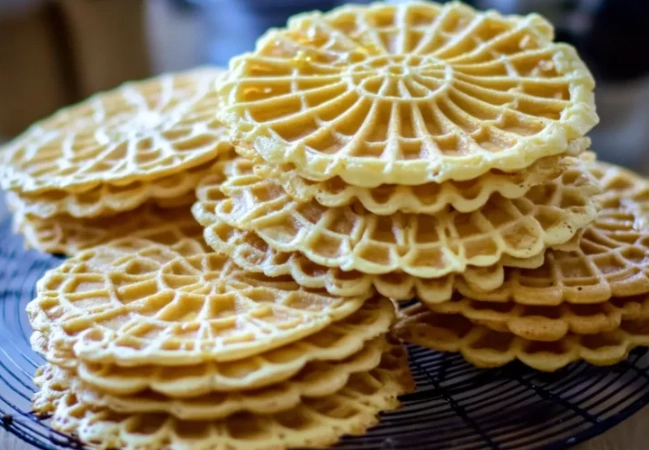
I learned this the hard way, after a few disastrous batches that either stuck like glue or tasted like sweet cardboard. But once you crack the code—the right batter consistency, the temperature of the iron, the timing—it becomes one of the most satisfying and impressive things you can make. This isn't about a modern twist or a gluten-free, vegan adaptation (though those have their place). This is about that foundational, perfect, crisp, and fragrant wafer that's been made for centuries. This is your guide to that.
What makes a recipe the "original"? In the world of pizzelle, it refers to the foundational, anise-flavored batter from the Abruzzo region of Italy. It's the template from which all other flavors (vanilla, lemon, chocolate) spring. And "easy" means no weird ingredients, no complicated steps—just mixing, heating, and pressing.
So, What Exactly Is a Pizzelle?
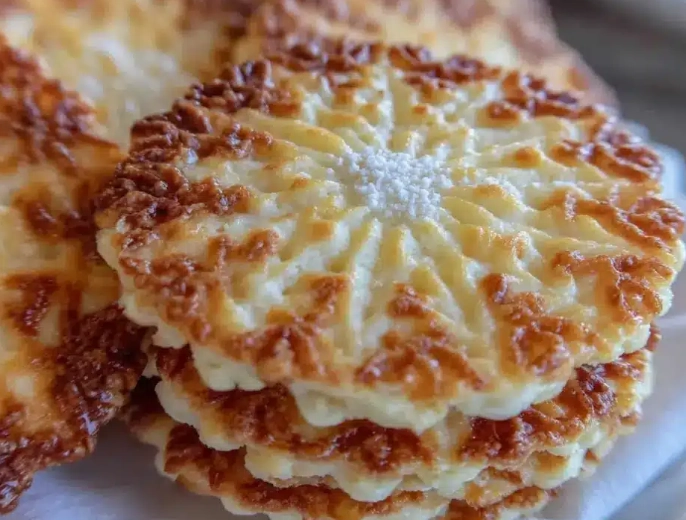
Before we dive into the easy original pizzelle recipe, let's clear up what we're making. Pizzelle (pronounced "pit-zel-lay" or "peet-zel-eh") are traditional Italian waffle cookies. But they're not like Belgian waffles. They're thin, crisp, and stamped with intricate patterns, usually a snowflake or floral design. The name comes from the Italian word "pizze," meaning round and flat. In some parts of Italy, they're called "ferratelle," which hints at the tool—the "ferro" or iron.
They're deeply tied to Italian celebrations. You'll always find them at weddings, Christmas, Easter, and other festivals. My friend's nonna once told me they were the "cookie of the feast," and that stuck with me. They're special, but the process of making them feels wonderfully ritualistic.
Their flavor profile is distinct. The classic pizzelle recipe relies on anise seed or anise extract. Now, anise is a divisive flavor. Some people (like me) adore its sweet, licorice-like aroma. Others... not so much. The good news? The original template is forgiving. If you can't stand anise, swapping in pure vanilla extract or lemon zest still gets you an authentic, delicious result. You're still honoring the spirit of the thing.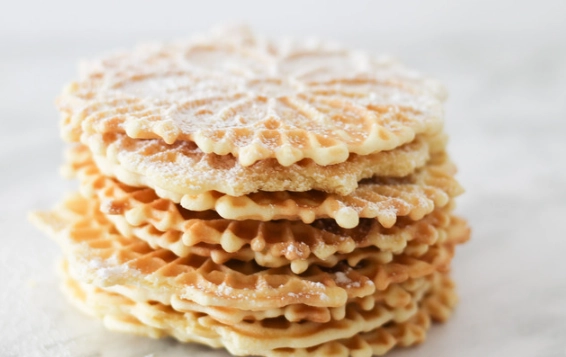
A Bite of History: Where Did Pizzelle Come From?
I think knowing a bit of history makes baking more meaningful. It connects you to a long line of home cooks. Pizzelle are often claimed as the oldest known cookie. Their origin is rooted in the medieval era, in the villages of Abruzzo. The story goes that they were created to celebrate the "Festival of the Serpents" in the village of Cocullo (which has since transformed into a festival for Saint Dominic). The intricate design was said to symbolize the snake. Whether that's folklore or fact, it's a cool story.
The key to their survival and spread was the pizzelle iron. Originally, these were long-handled, patterned plates held over a hearth or fire. Families would often have their own iron with a unique family crest or design. Making them was a social, familial event. You can still see stunning examples of these historical irons in museums. The Italian National Tourist Board often features traditional food crafts, and while not a direct source for irons, it emphasizes the regional pride in these traditions. Today, we have electric versions that take the guesswork out of temperature control, which is the main reason an original pizzelle recipe easy for home cooks exists.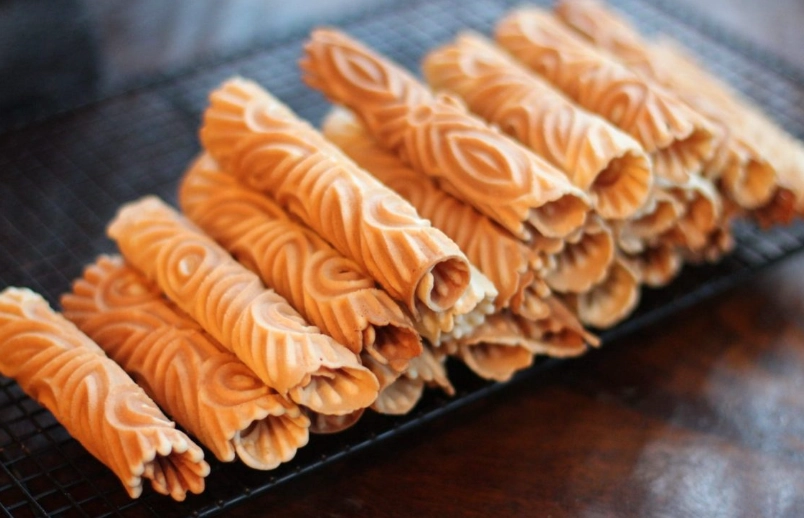
The Heart of the Matter: The Original Pizzelle Recipe (Made Easy)
Alright, let's get to it. This is the core recipe. It's scaled for a standard electric pizzelle maker and yields about 30-35 cookies. It's a small batch, perfect for testing and getting the hang of it. I promise, it's straightforward.
The Easy Original Pizzelle Batter
Prep Time: 10 minutes | Cook Time: 30-40 seconds per cookie | Total Time: About 1 hour | Yields: ~30-35 cookies
Ingredients:
- 3 large eggs, at room temperature (This matters! Cold eggs can make the batter stiff.)
- 3/4 cup (150g) granulated sugar
- 1/2 cup (113g) unsalted butter, melted and cooled slightly (Not piping hot!)
- 1 tablespoon anise extract (This is the classic. For a milder flavor, use 2 teaspoons. For vanilla pizzelle, use 1 tablespoon pure vanilla extract.)
- 1 3/4 cups (220g) all-purpose flour (Spooned and leveled, don't scoop!)
- 2 teaspoons baking powder
- 1/4 teaspoon salt
See? Nothing fancy. No milk, no oil (the butter and eggs provide all the fat and liquid you need). This simplicity is what makes an easy pizzelle recipe so reliable.
The Step-by-Step Process (No Fuss, I Promise)
Here’s where people overthink it. Don’t. Just follow this flow.
- Mix the Wet Stuff: In a large bowl, beat the eggs and sugar together. You want to do this for a good 2-3 minutes until the mixture is pale, thick, and forms a slight ribbon when you lift the beaters. This step incorporates air, which helps with the crisp texture. You can use a stand mixer, hand mixer, or a serious whisking arm.
- Add the Flavor & Butter: Beat in the anise extract. Then, while mixing on low speed, slowly drizzle in the cooled melted butter. Mix until just combined.
- Combine the Dry Stuff: In a separate bowl, whisk together the flour, baking powder, and salt. This ensures the baking powder is evenly distributed.
- Bring It All Together: Gradually add the dry ingredients to the wet ingredients, mixing on low speed until just combined. Do not overmix! The batter will be thick, sticky, and glossy—somewhere between cake batter and soft cookie dough. If it looks like pancake batter, you've gone too far (see troubleshooting later).
- Rest (Optional but Smart): Cover the bowl and let the batter rest at room temperature for 15-30 minutes. This allows the flour to fully hydrate and gives you a slightly more tender cookie. I sometimes skip this if I'm impatient, and it still works.
Batter's done. That's it for the hard part.
The Make-or-Break Tool: The Pizzelle Iron
You can't talk about an original pizzelle recipe easy without talking about the iron. This is the single specialized tool you need. No, a waffle maker won't work. No, you can't bake them in the oven (trust me, I've tried—it makes a flat, bland cookie, not a crisp wafer).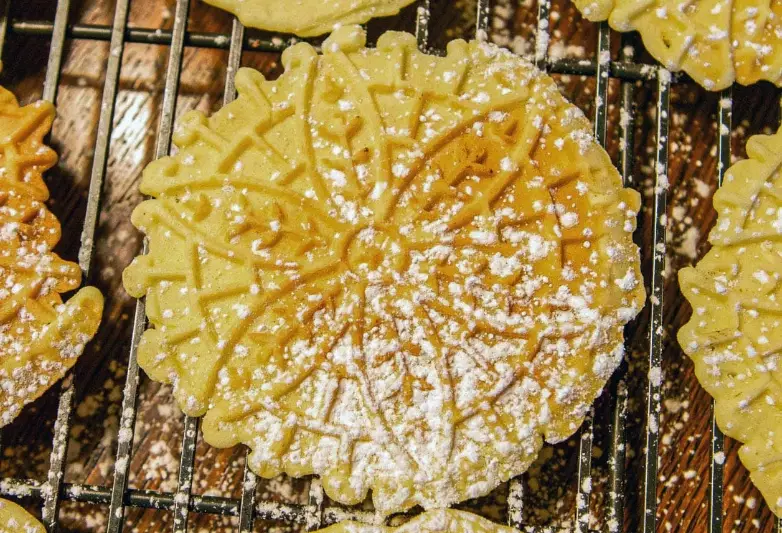
Electric pizzelle irons are widely available and not terribly expensive. They have two non-stick, patterned plates that clamp the batter into a thin wafer. The heating is even, and most have an indicator light.
My Take on Irons: I've used a few brands. The basic models from Cuisinart or VillaWare work perfectly fine for a home cook. You don't need the professional, $200 version. The key is learning your iron's quirks—how hot it runs, how much batter it needs.
Here’s a quick comparison to demystify the options:
| Type of Iron | Best For | Heat Control | My Experience |
|---|---|---|---|
| Traditional Stovetop Iron | Purists, historical experience | Manual (flame control) | Beautiful results but a steep learning curve. Easy to burn. Not "easy" for beginners. |
| Basic Electric Iron | Beginners, occasional bakers | Fixed or basic thermostat | This is the sweet spot for an easy original pizzelle recipe. Consistent, reliable, affordable. |
| Professional Electric Iron | High-volume baking, perfectionists | Precise digital thermostat | Amazing control, but overkill unless you're making hundreds for a wedding. |
Baking Your Pizzelle: The Dance
This is the fun, rhythmic part. Preheat your iron according to its instructions (usually a light goes off).
- Grease (Only at First): For the first cookie only, lightly brush or spray the plates with a neutral oil (like canola). Modern non-stick plates usually don't need constant greasing if your batter has enough butter.
- Portion the Batter: This is crucial. Start with a heaping teaspoon of batter (about 2 teaspoons, or a small cookie scoop). Place it slightly off-center towards the back of the bottom plate. Don't put it in the middle! As you close the lid, it will spread forward.
- Close and Cook: Close the lid and latch it. Most irons will steam a bit. Cook for about 30-45 seconds. Peek at around 25 seconds—you're looking for barely any steam and a golden brown color (not pale, not dark brown). The first one is a test. Adjust time accordingly.
- Remove and Cool: Use a fork or a thin spatula to gently lift the hot pizzelle off the iron. Immediately transfer it to a wire rack to cool completely. They crisp up as they cool.
Watch Out: They are HOT and flexible coming off the iron. If you want to shape them (like into cannoli shells or cups), you have about a 10-second window to drape them over a rolling pin or into a bowl before they set. For flat cookies, just let them be.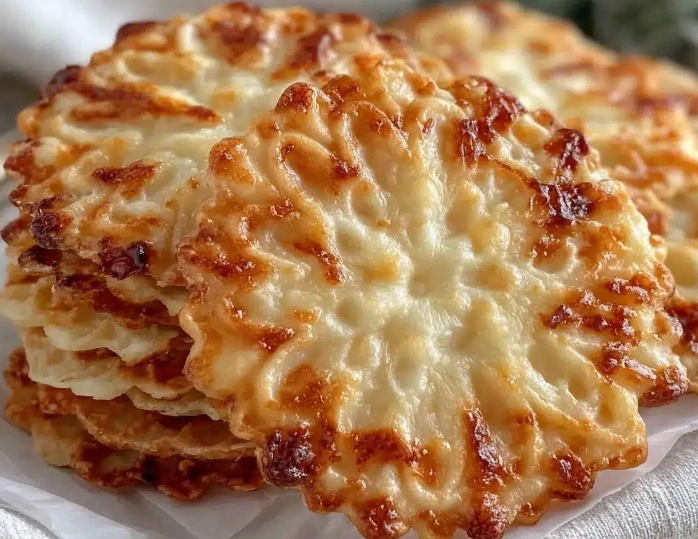
And repeat. You'll find a groove.
Why Your Pizzelle Might Fail (And How to Fix It)
I've made every mistake so you don't have to. Here’s the troubleshooting guide I wish I had.
- Problem: Cookie is pale and soft/chewy.
Cause: Not cooked long enough, iron not hot enough, or batter too thick.
Fix: Increase cook time by 5-10 seconds. Ensure iron is fully preheated. Add a tiny splash of water to thin the batter if it's dough-like. - Problem: Cookie is dark brown and tastes bitter/burnt.
Cause: Cooked too long, iron too hot, or too much sugar (which caramelizes/burns fast).
Fix: Reduce time. Let iron cool slightly between batches. Stick to the recipe sugar amount. - Problem: Batter sticks to the iron horribly.
Cause: Insufficient fat in batter, iron not seasoned/non-stick failing, or batter placed on a cold spot.
Fix: Ensure you're using full butter. Re-grease lightly. Make sure batter is placed correctly on the hot plate. - Problem: Pizzelle has uneven color or pattern.
Cause: Uneven pressure when closing the lid, or iron is warped/old.
Fix: Apply even pressure when latching. If the iron is old, it might be time for a new one.
Most issues boil down to time, temperature, or batter consistency. Nail those, and your easy original pizzelle recipe will be foolproof.
Beyond the Basic: Flavor Variations & Serving Ideas
Once you've mastered the classic, the world is your oyster. The original pizzelle recipe easy is a perfect canvas.
Flavor Twists:
- Vanilla: Replace anise extract with 1 tbsp pure vanilla extract. A crowd-pleaser.
- Lemon or Orange: Use 1 tsp anise or vanilla extract + the zest of one lemon/orange.
- Chocolate: Replace 1/4 cup of flour with 1/4 cup unsweetened cocoa powder (Dutch-process works great).
- Almond: Use 1 tsp almond extract. Maybe add 1/4 cup finely ground almonds to the flour.
How to Serve Them: They are stars on their own with coffee or dessert wine. But you can:
- Dust with powdered sugar.
- Sandwich two with Nutella, cannoli cream, or whipped mascarpone.
- Shape them warm into cones (for gelato!) or bowls (for fruit or mousse).
- Crumble them over ice cream or panna cotta as a gourmet topping.
Storing Your Masterpieces
This is critical. Their enemy is moisture. A soft pizzelle is a sad pizzelle.
- Short-term (1 week): Cool COMPLETELY. Store in an airtight container at room temperature, with parchment paper between layers. Do not refrigerate—the fridge introduces moisture.
- Long-term (1-2 months): Freeze them. Place fully cooled, flat pizzelle in a single layer in a freezer bag, squeeze out all air, and freeze. They thaw in minutes and stay crisp.
Answering Your Pizzelle Questions (FAQ)
I get these questions all the time from friends trying the recipe.
Final Thoughts on This Easy Original Pizzelle Recipe
Look, at the end of the day, making pizzelle is about more than cookies. It's about slowing down. It's a one-at-a-time process. You can't rush it. There's something almost meditative about the rhythm of spooning, closing, waiting, and removing. And the reward is a stack of beautiful, fragrant cookies that feel like a small triumph.
This original pizzelle recipe easy approach strips away any intimidation. It's just eggs, sugar, butter, flour, and flavor. The iron does the artistic work. Your job is just to mix and manage the heat. Don't stress if the first few are too dark or too light. That's part of the learning. By the third or fourth cookie, you'll have it down.
And remember, the true test of a good pizzelle? The sound. It should have a satisfying, delicate *snap* when you break it. That's the sound of success.
Related Articles
Authentic Italian Dinner Recipes: Classics for Your Table
Italian Casserole Recipes: Easy Family Dinners & Expert Tips
Ultimate Guide to Vegetarian Italian Dinner Party Recipes
Top 10 Italian Dishes You Must Try: Authentic Flavors Explained
Easy Italian Recipes: 5 Classics Anyone Can Master at Home

Geely and Zeekr have the best semi-annual reports, half of which rely on sales g
Sausage Dinner Ideas: What Meals Can I Make with Sausages?
Authentic Italian Antipasti Recipes: A Guide to Traditional Appetizers
Authentic Carbonara Recipe (No Cream!): The Real Italian Way
Master Italian Pasta Recipes: Classics, Regional Gems & Pro Tips
Authentic Italian Beef Recipe: Slow-Cooked Chicago-Style Sandwiches
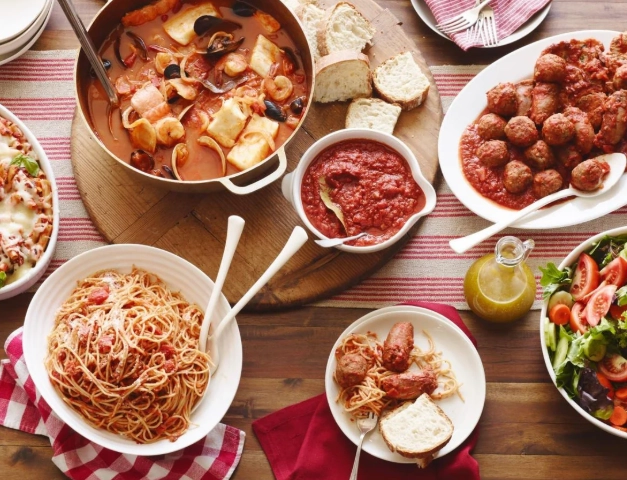
Authentic Italian Family Meal Recipes: From Antipasti to Dolce
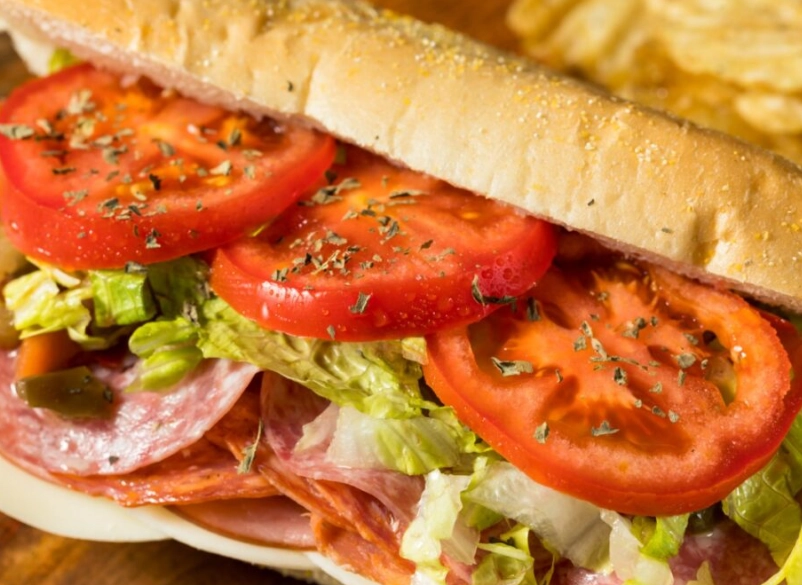
The Ultimate Authentic Italian Hoagie Recipe: Make the Classic Philly Sandwich at Home
Traditional Italian Vegetarian Recipes: Classics Beyond Pasta
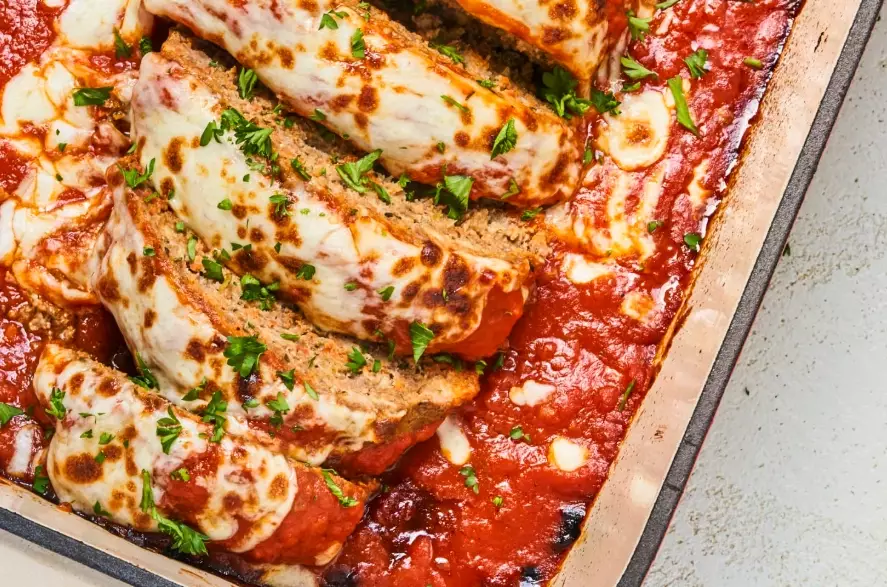
Italian Meatloaf Recipe: The Ultimate Comfort Food Guide
Authentic Italian Dinner Recipes from Regional Cuisines

Sudden bad news! A-shares plunged, Hong Kong stocks fell more than 2%, and there

Classic Italian Bread Recipe: Authentic & Easy Homemade Loaf
Italian Sauce Recipe: Secrets from a Nonna's Kitchen
Easy Braciole Recipe: Authentic Italian Beef Rolls Made Simple
Creative Pizzelle Recipe Variations: From Classic Anise to Chocolate & More
Top 10 Italian Foods: The Ultimate List of Must-Try Dishes
Mastering Italian Fish Recipes: From Classic to Coastal
Easy Italian Baked Dishes Recipes: Effortless Family Dinners
What are the 4 Classic Italian Dishes? A Food Lover's Guide
Traditional Italian Holiday Dinner Recipes: A Complete Guide to a Festive Feast
Authentic Italian Minestrone Soup Recipe: A Hearty Classic
What is a Good Appetizer Before Pasta Dinner? 15+ Expert Picks & Pairing Guide
4 Famous Italian Pastas: Types, History & Cooking Guide
Leave a Comment