Ultimate Italian Pizzelle Recipe: Crispy, Authentic & Easy
What You'll Find in This Guide
- What Are Pizzelle, Anyway? More Than Just a Waffle Cookie
- The Core of It All: The Ultimate Pizzelle Recipe
- Step-by-Step: Where Most People Go Wrong (And How to Avoid It)
- Pizzelle FAQ: Answering Your Burning Questions
- Beyond Anise: Fantastic Flavor Variations
- Choosing Your Weapon: Electric vs. Stovetop Pizzelle Irons
- Storing, Serving, and Getting Creative
Let's be honest. The first time I tried to make pizzelle, it was a disaster. I had this beautiful, intricate iron my aunt gave me, a recipe scribbled on a notecard that said "Nonna's Pizzelle," and enough confidence to fill the kitchen. The batter looked right. The iron sizzled. But what came out? Either pale, floppy discs that tasted like sweetened cardboard or dark, bitter tiles that practically snapped in half. Not exactly the delicate, snowflake-like cookies I remembered from Christmas Eve.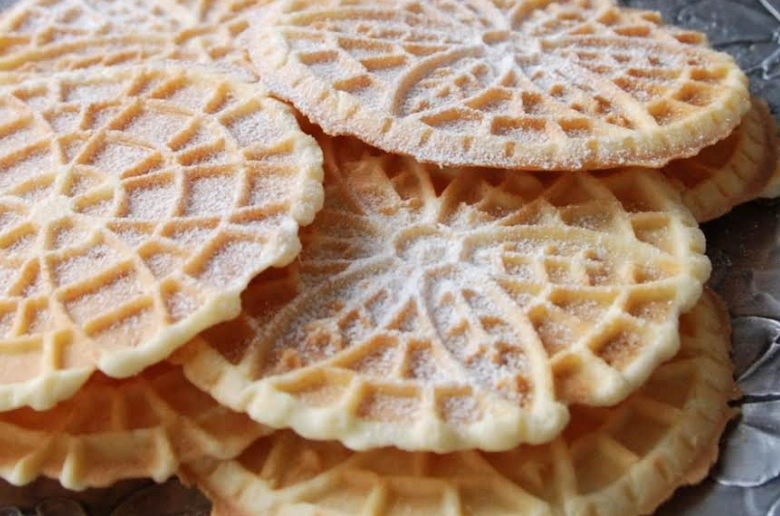
That failure sent me down a rabbit hole. I called relatives, pestered old Italian ladies at church bake sales (bless their patient hearts), and tested more batches than I care to admit. I burned some. I undercooked others. I learned the hard way that anise extract and anise oil are not the same thing. But through all that, I finally cracked the code. What follows isn't just a recipe. It's the culmination of all those mistakes and lessons, a foolproof road map to what I genuinely believe is the best recipe for Italian pizzelle you can make at home. It's the one that now makes my house smell like my grandmother's every time I fire up the iron.
What Are Pizzelle, Anyway? More Than Just a Waffle Cookie
Before we dive into flour and eggs, let's get on the same page. Pizzelle (pronounced "pit-SELL-eh" or "piz-ZELL-eh," depending on whose Nonna you ask) are traditional Italian waffle cookies. They're made by cooking a thin batter between two patterned, heated plates. The name comes from the Italian word "pizze," meaning round and flat. They're arguably one of the oldest known cookies, with origins tracing back to the Abruzzo region of Italy.
They're not soft like a cookie. When done perfectly, they have a satisfying, initial crispness that gives way to a slight, almost cake-like chew in the center. The classic flavor is anise, which is a love-it-or-hate-it licorice taste. But vanilla, lemon, and chocolate are wildly popular too. You'll see them rolled into cannoli shells, stacked into layered cakes, or just dusted with powdered sugar and eaten plain. For many of us, the sight of that snowflake pattern is pure nostalgia.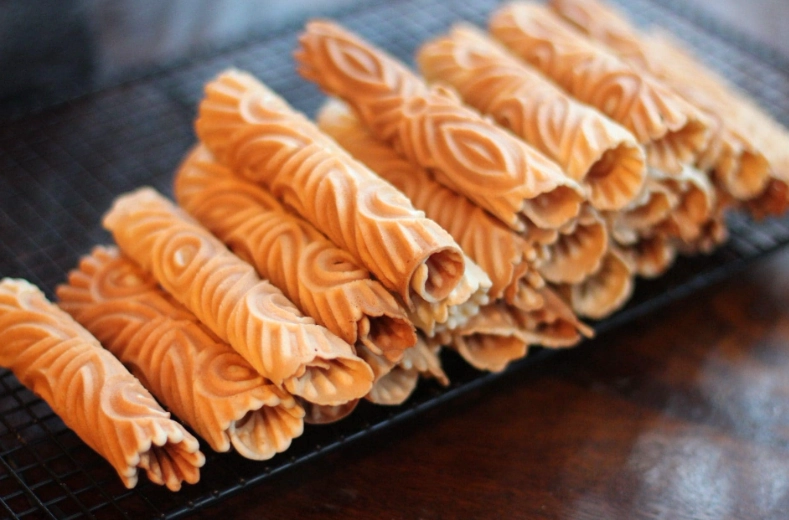
The Core of It All: The Ultimate Pizzelle Recipe
After all my testing, I landed on a formula that's reliable, scalable, and produces that perfect golden-brown, crisp-yet-slightly-chewy texture. This is my go-to, the best Italian pizzelle recipe I've found for consistent results. It's a classic, balanced base you can then flavor a dozen different ways.
The Non-Negotiable Ingredients
- All-purpose flour: Don't use bread flour (too much gluten) or cake flour (too fine). All-purpose is the sweet spot. I've had good results with King Arthur brand for its consistency.
- Granulated sugar: Fine, white sugar is standard. Some recipes use a bit of confectioners' sugar for tenderness, but I find granulated gives better structure.
- Eggs: Large, room temperature. This is crucial. Cold eggs can cause the melted butter to seize up and make your batter grainy.
- Unsalted butter: Melted and cooled slightly. Salted butter can work in a pinch, but then you'd omit the added salt. Unsalted gives you control.
- Baking powder: The leavening agent that gives them a tiny bit of lift and airiness.
- Salt: Just a pinch to balance the sweetness and enhance all the other flavors.
- Flavoring: This is where you make it yours. Pure anise extract, high-quality vanilla extract, lemon or orange zest, etc.
Here's the precise blueprint. I recommend using a kitchen scale for the flour and sugar. Volume measurements (cups) can vary wildly and throw off the batter consistency.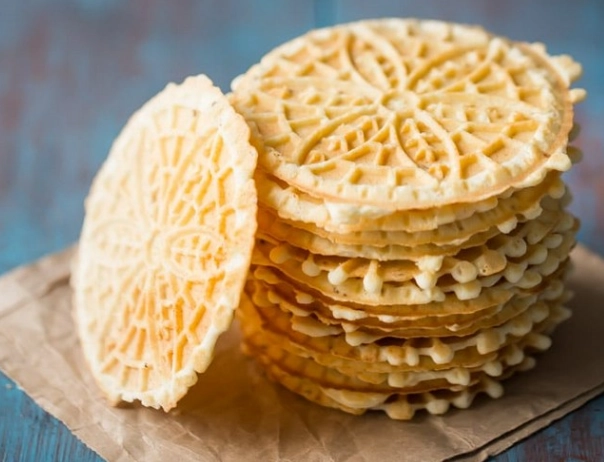
Best Recipe for Italian Pizzelle (Classic Base)
- Flour: 300 grams (about 2 1/2 cups, but please weigh it!)
- Sugar: 200 grams (1 cup)
- Eggs: 4 large, room temperature
- Unsalted Butter: 170 grams (3/4 cup), melted and cooled
- Baking Powder: 2 teaspoons
- Salt: 1/4 teaspoon
- Flavoring: 2 tablespoons of your chosen extract (or 1 tbsp extract + zest of 1-2 citrus fruits)
See? No crazy ingredients. The magic is in the method.
Step-by-Step: Where Most People Go Wrong (And How to Avoid It)
This isn't a "dump and stir" situation. A little care here prevents a lot of frustration later.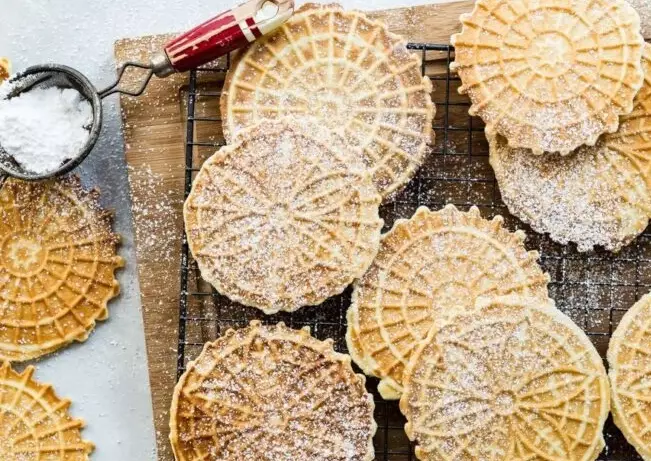
Mixing the Batter: It's All About the Ribbon
First, whisk your room-temperature eggs and sugar together. Don't just combine them. You want to beat them for a good 2-3 minutes until they're pale, thick, and form a "ribbon" when you lift the whisk. This incorporates air, which helps with the texture. Next, slowly stream in the cooled, melted butter while whisking constantly. If you dump it in, you risk scrambling the eggs. Then, add your flavoring.
In a separate bowl, whisk the flour, baking powder, and salt. Gradually add this to the wet ingredients, mixing just until the flour disappears. Overmixing develops gluten and can make the pizzelle tough. The batter will be thick, sticky, and glossy—like a very stiff cake batter. If it looks like pancake batter, it's too thin. Cover it and let it rest on the counter for 15-30 minutes. This allows the flour to hydrate evenly and gives you a more consistent cook.
The Iron: Your Most Important Tool
While the batter rests, heat your pizzelle iron. This is the heart of the operation. Whether you have a stovetop model or an electric one (more on that later), it needs to be fully heated. Most electric irons have a ready light. For stovetop, sprinkle a few drops of water on it—if they sizzle and dance, it's ready. Lightly brush both plates with a neutral oil (like canola) or melted butter only for the first batch. The fat in the batter should prevent sticking after that.
Drop a heaping tablespoon of batter (I use a small cookie scoop) slightly off-center on the bottom plate, closer to the hinge. Close the iron and clamp it shut. The batter will spread under pressure.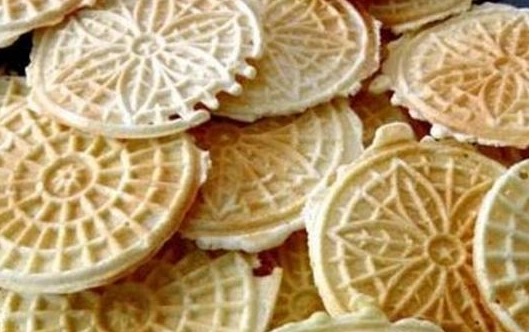
Now, the waiting game. For a classic, crisp pizzelle, cook for about 30-45 seconds. You'll see steam escaping. The timing depends entirely on your iron's heat and how you like them. I peek at around 25 seconds. You're looking for a golden-brown color, not pale yellow and not dark brown. The first one is always a test. Adjust your time and batter amount from there.
Use a fork or a thin spatula to carefully lift the hot pizzelle off the iron and place it on a wire rack to cool completely. They'll soften slightly as they steam on a plate, so the rack is key for crispness.
Pizzelle FAQ: Answering Your Burning Questions
I get asked these questions all the time. Here are the answers I wish I'd had.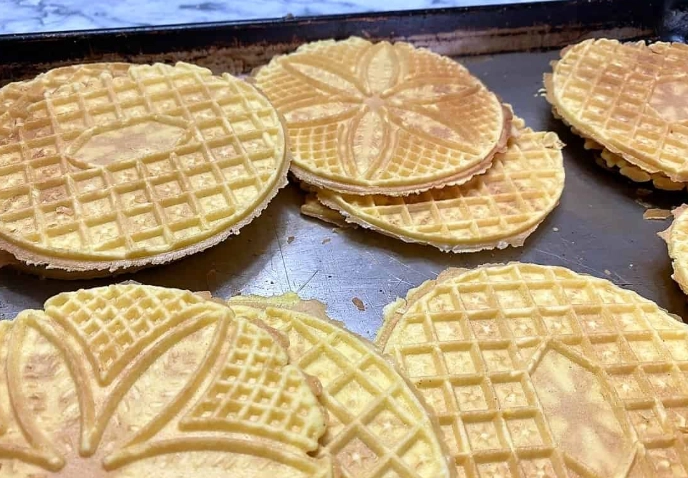
Beyond Anise: Fantastic Flavor Variations
The classic anise recipe is wonderful, but it's just the beginning. Once you master the base, the flavor world is yours. Here are my favorite twists on the best pizzelle recipe.
| Flavor | How to Adapt the Base Recipe | My Personal Notes |
|---|---|---|
| Vanilla Bean | Replace anise extract with 2 tsp pure vanilla extract and the seeds scraped from 1 vanilla bean pod. | Incredibly fragrant. The tiny black specks look beautiful. A crowd-pleaser for those wary of anise. |
| Lemon Zest | Use 1 tsp vanilla extract + the finely grated zest of 2 large lemons. | Bright, fresh, and perfect for spring or summer. The zest adds a lovely texture. |
| Almond | Replace 50g of the all-purpose flour with finely ground almond flour. Use 1 tsp almond extract + 1 tsp vanilla. | Adds a subtle nuttiness and richer texture. Be careful not to overbake, as almond flour browns faster. |
| Chocolate | Sift 30g of unsweetened cocoa powder with the flour. You may need 1 extra tbsp of melted butter. | Deep, rich flavor. Let the batter rest a bit longer so the cocoa hydrates fully. |
| Orange & Cardamom | Zest of 1 orange + 1 tsp vanilla + 1/2 tsp ground cardamom. | My personal favorite for the holidays. Warm, citrusy, and complex. |
| Pizzelle "Concrete" (Extra Crisp) | Reduce the baking powder to 1/2 tsp and add 1 tbsp of cornstarch. | If you love a super crisp, almost cracker-like pizzelle that holds shape for cannoli shells, this is it. |
Choosing Your Weapon: Electric vs. Stovetop Pizzelle Irons
This is a hot debate (pun intended). I've used both, and they have their pros and cons.
Electric Pizzelle Makers: These are the most common today. Brands like CucinaPro, Villaware, and Chef'sChoice are popular. They have thermostats to regulate temperature and a ready light. They're convenient and consistent, which is great for beginners. The downside? The plates are often non-stick coated, which can wear over time, and some models don't get quite as hot as traditional irons, which can affect the crispness. For a reliable, easy-to-use option for the best recipe for Italian pizzelle, a mid-range electric iron is a solid choice.
Stovetop Pizzelle Irons: These are the cast-iron beasts your ancestors used. They go directly on your gas or electric burner. They get extremely hot and can produce a more authentic, deeply patterned, and crisp pizzelle. The learning curve is steeper—you control the heat by moving the iron or adjusting the flame. They require seasoning like a cast-iron skillet. But for purists, the results are unmatched. They're also virtually indestructible.
Storing, Serving, and Getting Creative
Fresh, cool pizzelle are heavenly. But they don't stay crisp forever (especially in humid climates). Store them in a single layer in an airtight container at room temperature. You can place parchment paper between layers if you must stack them. They'll keep well for 1-2 weeks. For longer storage, you can freeze them in an airtight bag for up to 3 months. Let them come to room temperature in the container to avoid condensation making them soggy.
How to serve them? The classic way is simply dusted with powdered sugar. But let's get creative:
- Pizzelle Cannoli: Roll them around a cannoli form while still warm and pliable. Once cool and crisp, fill with sweetened ricotta.
- Pizzelle Cake (Scorza): Layer cooled pizzelle with sweetened whipped cream or chocolate hazelnut spread, stacking them like a cake. Refrigerate overnight to soften slightly.
- Ice Cream Bowls: Drape a warm pizzelle over an upside-down bowl or ramekin to shape it into a cup. Once cool, fill with gelato or sorbet.
- Dipped & Drizzled: Dip half of a cooled pizzelle in melted chocolate (dark, milk, or white) and let it set. Or just drizzle chocolate over the top.
The journey to finding the best recipe for Italian pizzelle taught me more than just baking. It taught me patience, the importance of technique over fancy ingredients, and that sometimes, the most cherished family traditions are worth the effort of getting just right. It's not about perfection. That slightly lopsided, maybe-a-tad-too-brown cookie you made yourself will always taste better than any store-bought version. It has your story in it. Now, go preheat that iron. Your kitchen is about to smell amazing.
Related Articles
Simple Italian Holiday Dinner Recipes: Effortless & Authentic Feasts
Authentic Italian Beef Recipe: The Ultimate Chicago-Style Sandwich Guide
Master Italian Meatball Recipes: Secrets from Nonna's Kitchen
Mastering Italian Fish Recipes: From Classic to Coastal
Authentic Italian Chicken Breast Recipes: Fast, Healthy & Flavorful Dinners

The "half-year report" of the economy of 31 provinces is released: Inner Mongoli

Tesla VS BYD: A new wave of insurance for electric car giants
Ultimate Guide to the Best Italian Meatball Recipe
The Ultimate Guide to Making Authentic Italian Lasagna at Home
Authentic Italian Cookies Recipe: A Guide to Classic Biscotti & More
Make-Ahead Italian Appetizers: Stress-Free Recipes & Tips for Any Gathering

Master Old School Italian Recipes: Authentic Pasta, Ragù & More

Restarting private investment|"Caijing" special report
Authentic Italian Cookie Recipes: From Biscotti to Amaretti
Authentic Italian Bruschetta Recipe: The Only Guide You'll Ever Need

The reason for the surge in A-shares has been found! The Shanghai Composite Inde

Best Italian Sausage Pasta Recipes: Easy, Creamy & Spicy Ideas
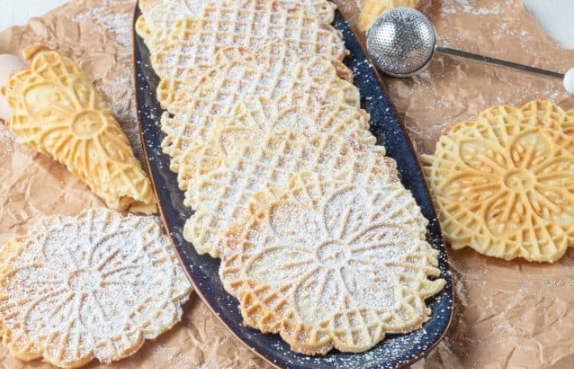
Creative Pizzelle Recipe Variations: From Classic Anise to Chocolate & More
Italian vs American Braciole: The Real Differences Explained
Authentic Italian Meatballs Recipe: Tender, Juicy & Full of Flavor
Ultimate Italian Sliders Recipe: Party-Perfect and Irresistible
Authentic Italian Dinner Recipes: Classics for Your Table

The number has increased nearly fourfold in ten years, and the global digital ba
Ultimate Guide to Italian Baked Ground Beef Recipes
Ultimate Guide to Making Homemade Pasta from Scratch

The fourth wave of internationalization of global auto companies, how can China
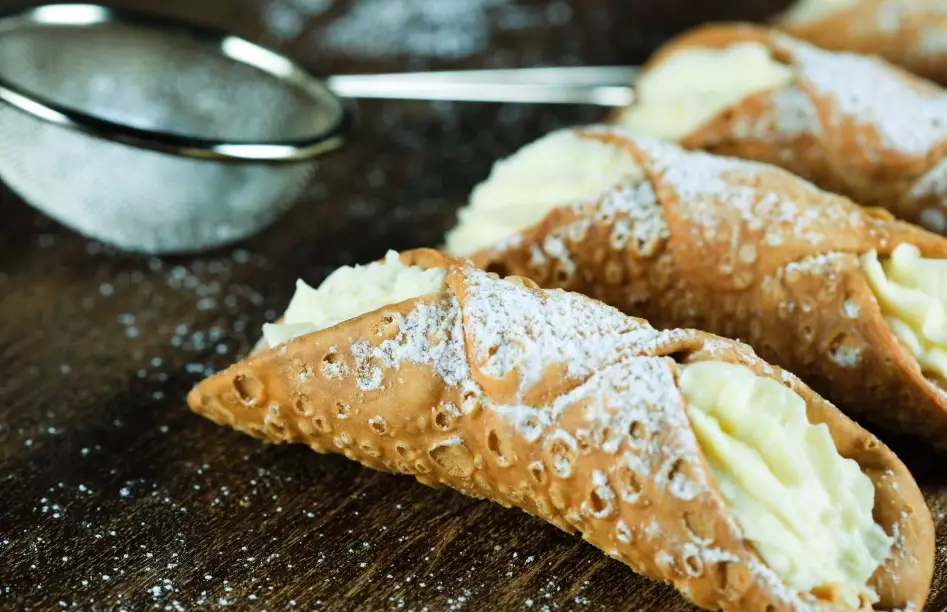
Authentic Italian Cannoli Recipe: Crispy Shells & Sweet Ricotta Filling

Is Xiaomi Auto dumped?
Italian Soup Recipe: Classic Minestrone & Hearty Ribollita Made Easy
Leave a Comment