Traditional Italian Christmas Desserts: Panettone, Pandoro & More
Your Festive Guide
If you've ever found yourself wondering, "What is a traditional Christmas dessert in Italy?" while planning a holiday menu or just daydreaming about Italian festivities, you're in for a treat. Literally. The answer isn't just one thing—it's a glorious, sugar-dusted tapestry woven from history, region, and family tradition. Asking about the traditional Christmas dessert in Italy is like asking about the best pasta shape; it sparks a friendly, passionate debate that varies from the Alpine north to the sun-drenched south.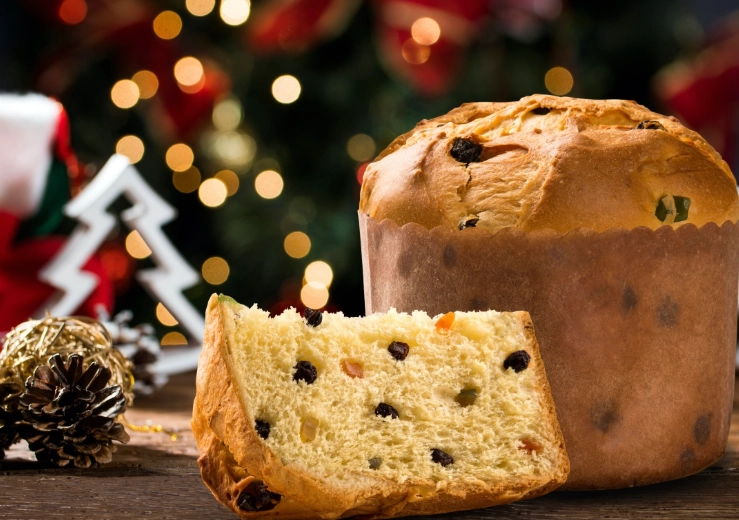
My own first encounter with this question was in a chilly December in Rome. I saw towering, beautifully wrapped boxes in every pasticceria and supermarket, and I was utterly confused. Was it cake? Was it bread? Why was it so tall? That curiosity led me down a rabbit hole of butter, eggs, dried fruit, and centuries-old recipes. I learned that the "what" is deeply tied to the "where" and the "how" of Italian life.
Here's the thing: While Panettone and Pandoro are the national superstars you'll see everywhere, dismissing the rest would be a huge mistake. Italy's regional Christmas sweets are hidden gems, each with a story that's as rich as its flavor.
Let's clear up a common misconception right away. There is no single, official answer to "What is a traditional Christmas dessert in Italy?". Instead, Italy offers a festive buffet. Some desserts are enjoyed across the country, having ridden the waves of mass production and marketing. Others remain fiercely local, the secret pride of nonna's kitchen in a specific town or province. This diversity is what makes exploring Italian Christmas food so endlessly fascinating.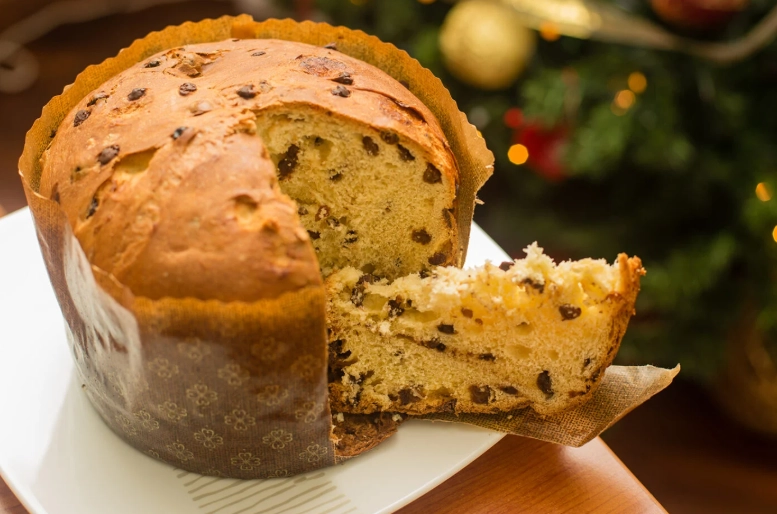
The National Champions: Panettone vs. Pandoro
When most people internationally think of an Italian Christmas, they picture one of these two iconic, dome-shaped cakes. They're the undisputed kings of the holiday table, but they're rivals from different worlds. Understanding the difference is key to answering the broader question of a traditional Italian Christmas dessert.
Panettone is the Milanese gentleman. Its story is shrouded in lovely legends—a tale of a humble baker's apprentice named Toni who saved a noble's banquet by creating a rich, fruited bread, hence "pan de Toni" (Toni's bread). Historians might point to longer, more complex roots in festive bread traditions, but the legend sticks. The real deal is a sourdough-leavened sweet bread, incredibly airy and light, packed with candied orange, citron, and raisins. The best ones use natural yeast (lievito madre), which requires days of careful nurturing. The result is a tall, domed cake with a characteristic cross-cut top. The texture should be soft, elastic, and moist. A bad panettone is dry, crumbly, and tastes of artificial flavoring—sadly, you'll find plenty of those on shelves.
I have to be honest: I used to dislike Panettone. My first few tries were with cheap, mass-produced versions that tasted like sweetened cardboard with weirdly chewy fruit. It wasn't until a friend from Milan brought a artisanal one from a small bakery that I had a revelation. The difference was night and day. The fragrance of real citrus peel, the delicate texture... it was a completely different food.
Pandoro, on the other hand, is the elegant star from Verona. Its name means "golden bread," and it lives up to it. Where Panettone is fruity, Pandoro is buttery and vanilla-scented. It contains no fruit or other additions, just high-quality butter, eggs, sugar, and flour. It's leavened with a similar careful process but is baked in a distinctive eight-pointed star mold. When you take it out, it looks like a golden mountain. You dust it with a blizzard of vanilla-scented powdered sugar (la valanga, the avalanche) before serving. The taste is pure, rich, and less complex than Panettone, which is why kids often prefer it.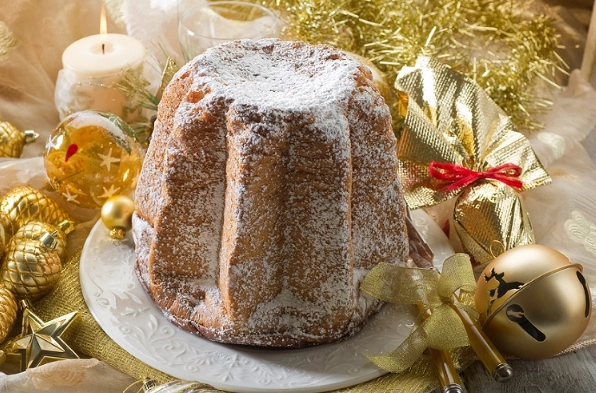
| Feature | Panettone | Pandoro |
|---|---|---|
| Origin | Milan, Lombardy | Verona, Veneto |
| Shape | Tall, domed cylinder | Star-shaped, conical |
| Key Ingredients | Candied orange, citron, raisins, sourdough | Butter, eggs, vanilla, no fruit |
| Texture | Airy, moist, stringy crumb | Soft, fine, buttery crumb |
| Flavor Profile | Complex, citrusy, sweet with fruit | Pure, rich, buttery, vanilla |
| Serving Style | Sliced like a cake | Dusted with powdered sugar, torn apart |
So, which one is the traditional Christmas dessert in Italy? Both. Families often have both on the table, catering to different tastes. The choice can be a matter of regional loyalty or personal preference. My partner's family in the north always has Pandoro, arguing its purity is more festive. My friends in central Italy swear by a good, fruity Panettone.
Beyond the Giants: Other National Christmas Treats
While Panettone and Pandoro dominate the gift-box market, other sweets are just as traditional on a national scale, especially in the weeks leading up to Christmas.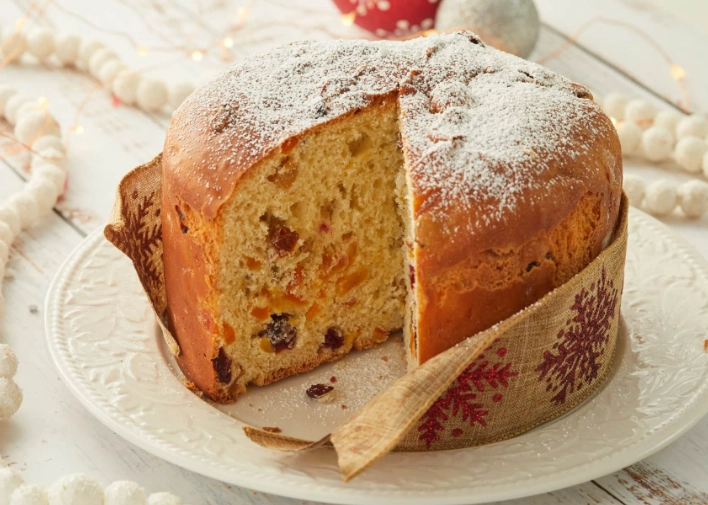
Panforte: The Dense, Spiced Powerhouse from Siena
Imagine a medieval energy bar. That's Panforte. Hailing from Siena in Tuscany, this is literally "strong bread." It's a flat, dense disc of honey, sugar, nuts (almonds, hazelnuts), candied fruit, and a potent mix of spices like pepper, cinnamon, and coriander. The original, Panforte Nero, is darker and spicier. The more common Panforte Margherita, created in 1879 for Queen Margherita, is dusted with powdered sugar and is slightly milder.
It's chewy, incredibly rich, and a little goes a very long way. It's the perfect accompaniment to a glass of Vin Santo or a strong espresso after a big meal. You can find excellent background on its historical significance in Siena from the official tourism site of the Tuscany region.
Torrone: The Nougat That Sparks Wars
Ah, Torrone. This crunchy or soft nougat of honey, egg whites, sugar, and toasted almonds or hazelnuts is a Christmas staple. Its origins are hotly contested between Cremona and Benevento—a friendly north-south rivalry. The classic is the hard, crunchy version (torrone croccante), wrapped in edible rice paper. Then there's the soft, almost chewy version (torrone morbido).
Variations are endless: covered in chocolate, with pistachios, or even with cocoa in the nougat itself. It's a ubiquitous presence in every holiday candy assortment.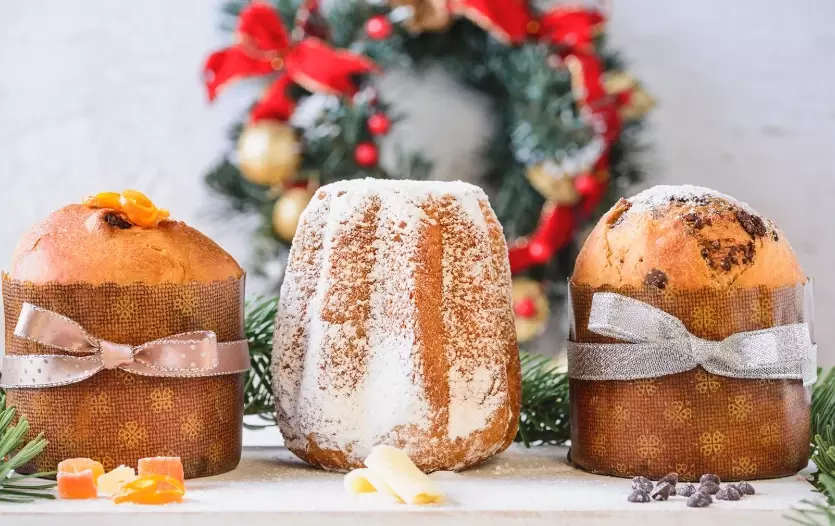
Struffoli: The Honey-Soaked Balls of Joy
Popular in Naples and Southern Italy, Struffoli are the ultimate festive finger food. They're tiny balls of dough (flour, eggs, butter, sometimes liqueur), deep-fried until golden and crisp, then piled into a mound or wreath and absolutely drowned in warm honey. They're finally decorated with colorful sprinkles (diavolilli) and candied fruit. They're sticky, sweet, and utterly addictive. You pick at them all day long.
These three, along with the big two, form the core national answer to "What is a traditional Christmas dessert in Italy?". But to stop here would miss the true depth of Italy's holiday baking.
A Regional Tour: The Local Gems You Need to Know
This is the heart of the matter. Italy was unified less than 200 years ago, and culinary traditions run deep along old borders. The local traditional Christmas dessert in Italy is often a point of immense pride. Let's take a quick tour.
Northern Italy: In Piedmont, you'll find Bunèt, a creamy chocolate and amaretti pudding. Lombardy offers Spongata, a spiced fruit and nut filled pastry. Trentino-Alto Adige, with its Austrian influence, has Zelten, a dense fruitcake, and buttery cookies like Speckkuchen.
Central Italy: Tuscany, besides Panforte, has Ricciarelli from Siena—soft, chewy almond paste cookies shaped like little diamonds, dusted in powdered sugar. They're gluten-free and heavenly. Lazio (Rome) is big on Pangiallo, an ancient Roman-inspired fruit and nut bar, and Panpepato (peppered bread), similar to Panforte but often with chocolate added. Umbria has its own version of Panpepato too.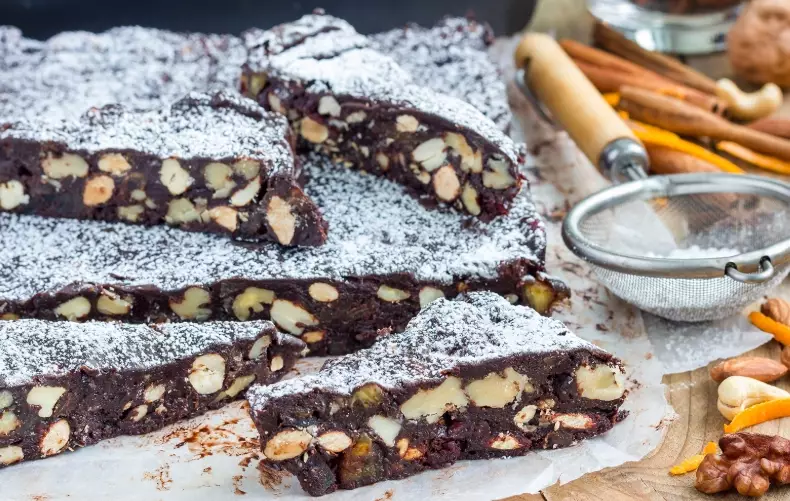
Southern Italy & Islands: This is the realm of fried pastries and rich, preserved fruits. Sicily is a universe unto itself: Cassata Siciliana (a ricotta-filled, marzipan-covered cake), Buccellato (a large, ring-shaped fig and nut cake), and Nucatoli (fig cookies) are essential. Naples, as mentioned, has Struffoli. Calabria and Puglia have countless fried dough knots (cartellate, purcedduzzi) drenched in honey or vincotto (cooked wine must). Sardinia offers Sebadas (fried cheese-filled pastries drizzled with honey) and Papassinos (raisin and nut cookies).
See what I mean? The question "What is a traditional Christmas dessert in Italy?" has dozens of delicious answers depending on the postal code.
Your Practical Guide to Navigating Italian Christmas Sweets
Knowing the names is one thing. Knowing what to do with them is another. Let's get practical.
How to Buy the Good Stuff (And Avoid the Bad)
If you're buying Panettone or Pandoro, look for the words "Artigianale" (artisanal) and "Lievitazione Naturale" (natural leavening). Check the ingredient list: it should be short, with real butter (burro), egg yolks (tuorli d'uovo), natural candied fruit (frutta candita), and natural flavors. Avoid ones with vegetable fats, margarine, or a long list of preservatives. Brands like Bauli dominate the mid-range, but for a treat, seek out smaller producers like Vergani (Panettone) or Melegatti (Pandoro). For an authoritative look at food production standards, the Italian Ministry of Agricultural, Food and Forestry Policies (MIPAAF) provides context on quality designations.
How to Serve and Eat Them
- Panettone: Serve at room temperature. Slice it vertically. It's perfect with a sweet wine like Moscato d'Asti or a late-harvest Passito. Some people toast it lightly and spread mascarpone or butter on it for breakfast. Leftover Panettone makes incredible bread pudding or French toast.
- Pandoro: The ritual is key. Place it on a plate, dust it generously with the provided powdered sugar (or your own vanilla powdered sugar) so it looks like a snowy mountain. Then just tear pieces off with your hands. It pairs beautifully with sparkling wine like Prosecco or a creamy sweet wine.
- Panforte & Torrone: Slice thinly with a sharp knife. They are meant to be nibbled. Serve with strong coffee, dessert wine, or even a glass of aged rum or whisky.
Can You Make Them at Home?
This is the brave question. Making authentic Panettone or Pandoro at home is a multi-day project for experienced bakers, due to the delicate sourdough starter and multiple folds. It's a labor of love. I've attempted Pandoro twice. The first was a dense, buttery brick. The second was better but still didn't achieve that insane, feather-light commercial height. It was humbling.
However, many regional sweets are far more approachable. Ricciarelli, most Christmas cookies (like brutti ma buoni), and even a simplified Panforte are fantastic home baking projects. Websites like GialloZafferano, one of Italy's most popular recipe hubs, offer tested recipes for many of these classics.
Answering Your Burning Questions (FAQ)
Bringing Italy to Your Table: A Simple Starter Recipe
Want to taste a piece of this tradition without the multi-day bake? Let's make Ricciarelli. They're easier than you think and utterly delicious.
Simplified Ricciarelli (Sienese Almond Cookies):
You'll need: 200g almond flour, 200g powdered sugar (plus extra for dusting), 2 egg whites, zest of 1 orange, 1 tsp almond extract, a pinch of salt.
Mix the dry ingredients. Whisk the egg whites until foamy (not stiff) and mix with the extract and zest. Combine with dry ingredients to form a sticky dough. Chill for 2 hours. Form into small oval logs, roll heavily in powdered sugar, and place on a lined baking sheet. Bake at 320°F (160°C) for 15-20 mins until firm but still pale. They will crack—that's their charm. Let cool completely. They're chewy, fragrant, and feel incredibly festive.
So, after all this, what is the final answer to "What is a traditional Christmas dessert in Italy?"
It's the shared experience. It's the towering box brought by a guest, the ritual of dusting the Pandoro, the sticky fingers from Struffoli, the argument over which brand of Panettone is best, the piece of Torrone cracked with coffee after lunch. It's a sweetness that marks time, connects families, and celebrates a season. It's not just one dessert; it's a delicious, diverse, and deeply felt tradition spread across an entire country's table. The best way to understand it is to try a few—maybe start with a quality Panettone and some Torrone—and create your own little Italian Christmas moment, wherever you are.
Related Articles
Master Classic Italian Dishes: Recipes & Secrets from Pasta to Tiramisu

Top 10 Italian Cocktails: From Negroni to Spritz & Beyond
Types of Italian Bread: A Guide to 7 Essential Loaves
Best Italian Salads You Can Actually Make at Home
Ultimate Guide to Classic Italian Cookie Recipes: Authentic & Easy